

Your eyes are one of your most valuable assets, yet they’re often overlooked when it comes to workplace safety. Whether you work in an industrial environment, an office, or outdoors, eye protection should be a priority.

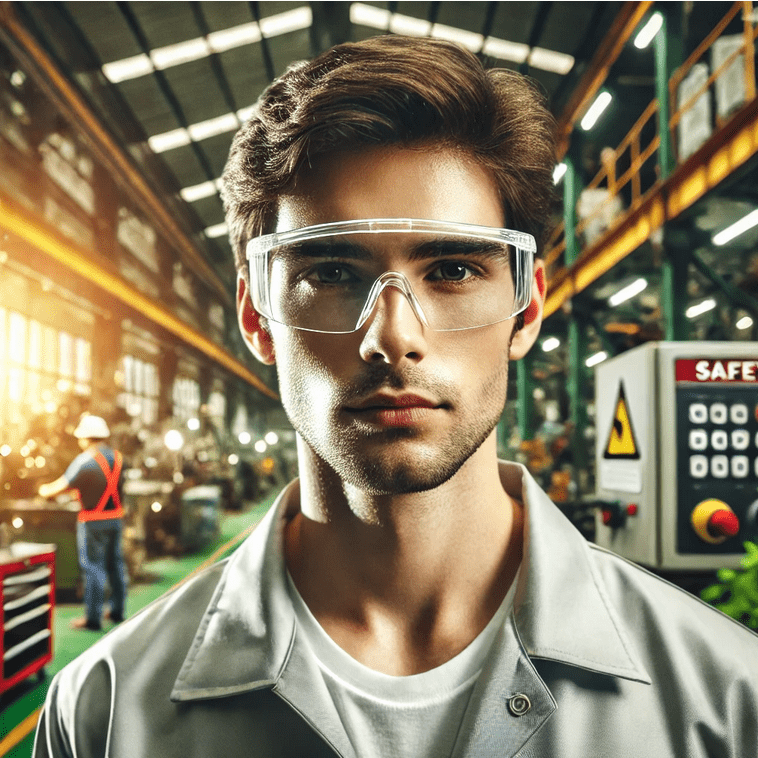
From exposure to harmful chemicals to the strain caused by staring at screens for extended periods, there are numerous hazards that can impact your eye health. This article will explore common risks and provide essential tips for protecting your eyes in the workplace.
- What Are Potential Eye Hazards at Work?
- What You Need to Know About Eyestrain
- How Can Workplace Hazards Be Eliminated?
- How Can I Protect My Eyes at Work?
- What Should I Do if My Eyes Have Been Harmed in the Workplace?
- Quiz: How Well Do You Know Eye Protection?
- Table: Recommended Eye Protection for Different Work Environments
- Conclusion
What Are Potential Eye Hazards at Work?
Eye hazards can take many forms with such a wide array of workplace environments. Here are some of the most common:
- Sharp objects or metal: Objects striking, scraping, or penetrating the eye can cause significant injuries. These risks are common in industries like construction or manufacturing.
- Chemical splashes: Certain workplaces involve handling chemicals that can splash or emit harmful vapors, potentially leading to serious eye injuries.
- Thermal burns: Workers in industries exposed to heat or flames may suffer thermal burns to the eye and surrounding areas.
Other hazards include:
- Flying debris: Dust, metal shavings, or wood chips can cause scratches or puncture wounds to the eyes.
- Bright lights or radiation: Welders, electricians, and others exposed to high-intensity light or radiation can suffer damage to their vision.
- Digital eye strain: Office workers or anyone staring at screens for extended periods may experience eye fatigue, discomfort, and headaches.
- Biological hazards: Healthcare workers are at risk of infections from exposure to bodily fluids or infectious agents.
What You Need to Know About Eyestrain
Long periods of focusing on screens—whether mobile devices, computers, or other digital devices—can lead to eyestrain. This condition causes symptoms such as headaches, blurred vision, and dry eyes. It’s crucial to minimize these symptoms by taking breaks, adjusting screen settings, and using proper lighting in your workspace.
How Can Workplace Hazards Be Eliminated?
Ensuring workplace safety for your eyes requires a proactive approach. Here are key steps every organization should take:
- Educate and train all employees: Employees should be made aware of the specific dangers in their work environments and trained on how to avoid them.
- Implement safety procedures: These procedures should include instructions on how to use protective equipment and the location of first-aid kits and emergency eye wash stations.
- Ensure access to eye safety equipment: Workers in hazardous environments must have proper eye protection available and in use at all times.
- Install barriers and shields: In areas prone to flying debris or dust, physical barriers like shields should be installed to protect workers from injury.
How Can I Protect My Eyes at Work?
The best way to protect your eyes from hazards is by wearing personal protective equipment (PPE) that matches the specific risks of your job. Make sure that your PPE is in good condition—free from cracks, scratches, or impairments—and that it fits properly. Eye protection options include:
- Goggles
- Face shields
- Safety glasses
- Full-face respirators
Other important tips:
- Remove dust and debris carefully: Brush away or vacuum any dust or objects from your hair, face, or hat before removing your protective eyewear.
- Clean eyewear after use: This will help maintain visibility and safety for the next use.
- Regular eye exams: Schedule an eye exam every two years to ensure your vision is in good condition for safely performing your job tasks.
What Should I Do if My Eyes Have Been Harmed in the Workplace?
In the event of an injury to your eyes, it’s important to act quickly and seek medical attention. Here’s what to do based on the type of injury:
- If you’ve been cut or injured:
- Do not attempt to remove any objects lodged in the eye.
- Avoid touching or rubbing the eye, as this could worsen the injury.
- Place a patch or shield over the eye area to protect it.
- Go to the nearest eye trauma center or emergency department.
- If exposed to chemicals, dust, or debris:
- Use the nearest eyewash station immediately to flush your eye before seeking medical help. If no eyewash station is available, flush with any clean water source.
- If hit in the eye area:
- Avoid applying pressure to the eye.
- Use ice or a cold compress to reduce swelling.
- Contact your eye doctor to discuss if further treatment is necessary.


Quiz: How Well Do You Know Eye Protection?
- What should you do immediately if you get a chemical splash in your eyes?
a) Rub your eyes
b) Rinse your eyes with water for 15-20 minutes
c) Close your eyes and wait for help
d) Blink rapidly to flush out the chemical - Which of the following is NOT a common workplace eye hazard?
a) Flying debris
b) Poor lighting
c) Loud noises
d) Harmful chemicals - How often should you take breaks to reduce digital eye strain?
a) Every 10 minutes
b) Every 30 minutes
c) Every 20 minutes
d) Every hour - What is the most appropriate eyewear for working with lasers or intense light?
a) Standard safety glasses
b) Welding helmets with proper shading
c) Prescription glasses
d) None of the above - True or False: Safety goggles are the only type of eye protection that works for all hazards.
Table: Recommended Eye Protection for Different Work Environments
| Work Environment | Eye Protection Required |
|---|---|
| Chemical Handling | Safety goggles with side shields |
| Welding | Welding helmet with appropriate shading |
| Construction | Safety glasses or goggles with impact protection |
| Office (Digital Work) | Blue-light filtering glasses or regular glasses |
| Healthcare | Face shields or goggles to protect from splashes |
| Outdoor Work | UV-protective sunglasses or safety glasses |
Conclusion
Eye safety should be a key priority in every workplace, no matter your industry. By taking the necessary steps to protect your eyes—whether through wearing proper PPE, following safety protocols, or maintaining clean work environments—you can reduce the risk of injury and ensure long-term eye health.
Always be proactive about eye protection, and encourage a culture of safety in your workplace.