

- Tying Safety Together: Preventing Hand and Wrist Injuries in Rebar Work
- Heavy Lifts, Heavy Risks: Safe Material Handling for Rebar Workers
- Sharp Edges, Safer Hands: Preventing Cuts and Punctures
- Rebar Trip Hazards: Keeping Worksites Clear and Workers Safe
- The Hidden Risk of Rebar Tying Wire: Eye and Hand Protection
- Fall Protection for Rebar Workers: Safe on Pillars and Bridge Decks
- Heat and Cold Stress Among Rodbusters
- Power Tools and Rebar: Preventing Injuries with Cutters, Benders, and Grinders
- Rebar Cap Safety: Preventing Impalement Hazards
- Building a Safety Culture in Rebar Crews
- Conclusion
Protecting Hands, Preventing Hazards, and Building a Stronger Safety Culture
Rebar workers—often called rod busters or ironworkers—are essential to modern construction. Their work shapes the skeleton of bridges, towers, and concrete structures, yet their daily tasks expose them to some of the highest risks on a jobsite.

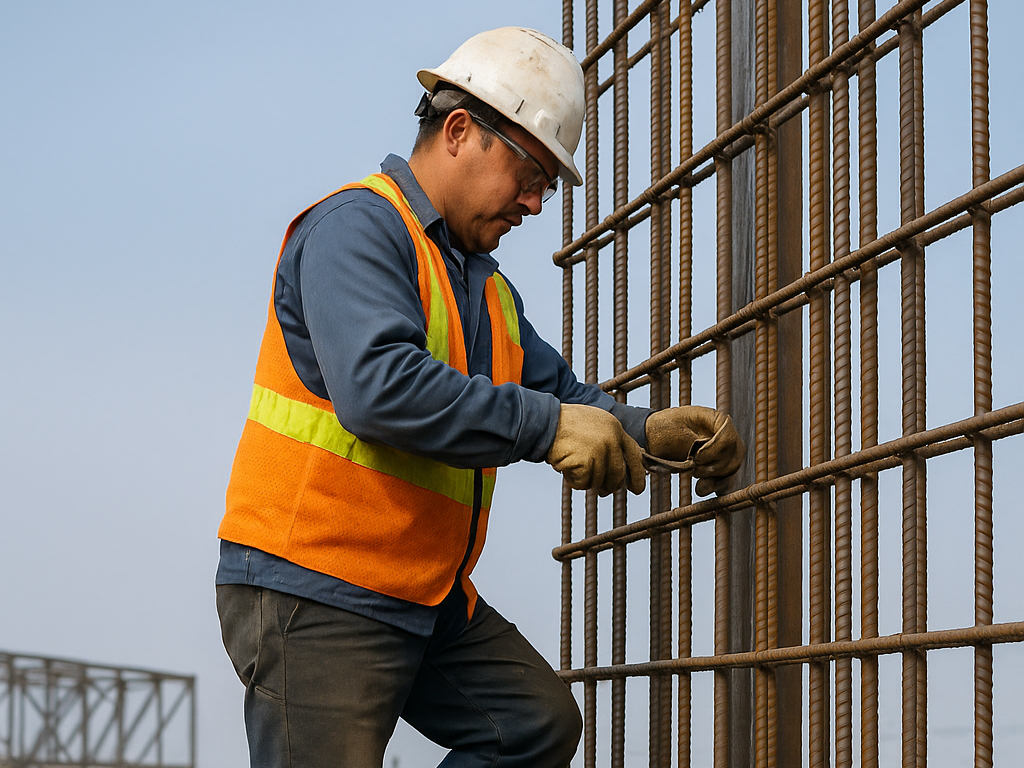
From repetitive tying to heavy lifting and fall hazards, the risks are real—but with proper OHSE practices, they can be controlled. This guide brings together key safety principles to protect rebar crews and ensure every worker goes home safe.
Tying Safety Together: Preventing Hand and Wrist Injuries in Rebar Work
Rebar tying is repetitive and forceful. Workers may tie thousands of knots per shift, often with pliers or tying guns. This exposes them to:
- Repetitive strain injuries (RSI) like tendonitis.
- Carpal tunnel syndrome from constant wrist flexion.
- Cuts and punctures from wire ends.
Prevention strategies:
- Provide cut-resistant gloves and ergonomic pliers.
- Use battery-powered tying tools to reduce repetitive motion.
- Rotate tasks between tying, cutting, and carrying rebar.
- Encourage early reporting of wrist pain for early treatment.
Heavy Lifts, Heavy Risks: Safe Material Handling for Rebar Workers
Rebar is heavy and awkward. Lifting bundles or positioning cages without technique can cause back, shoulder, and knee injuries.

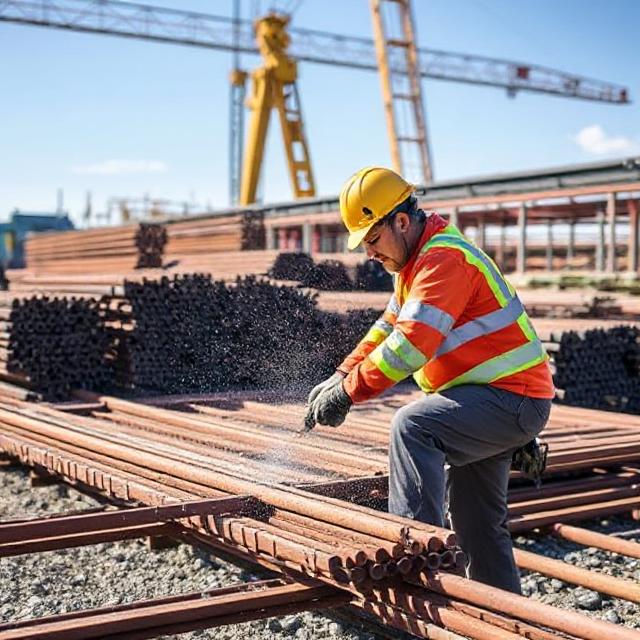
Safe practices include:
- Team lifting for long or heavy bars.
- Using mechanical aids (cranes, clamps, hoists) whenever possible.
- Training workers on proper body mechanics—bend at the knees, not the back.
- Preplanning lifts to avoid sudden strain.
Sharp Edges, Safer Hands: Preventing Cuts and Punctures
Steel rods and tying wire have sharp edges that can tear through unprotected skin. In addition, grinding or cutting rebar produces sparks and burrs.
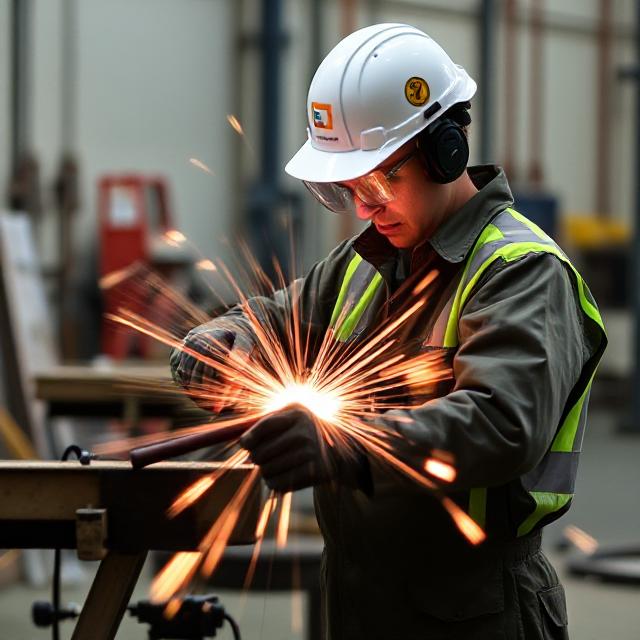
Preventive steps:
- Mandatory use of gloves and long sleeves.
- Grinding or capping sharp edges on exposed bars.
- Having first-aid kits stocked with wound care near active zones.
Rebar Trip Hazards: Keeping Worksites Clear and Workers Safe
Rebar scattered on the ground or protruding from incomplete frameworks creates dangerous tripping and impalement hazards.
Best practices:
- Keep walkways clear of loose steel.
- Mark and cap protruding bars.
- Use proper storage racks for rebar bundles.
- Maintain housekeeping as part of daily safety checks.
The Hidden Risk of Rebar Tying Wire: Eye and Hand Protection
Wire recoil during tying can snap back and strike the worker. Eye and hand injuries are frequent in this stage.

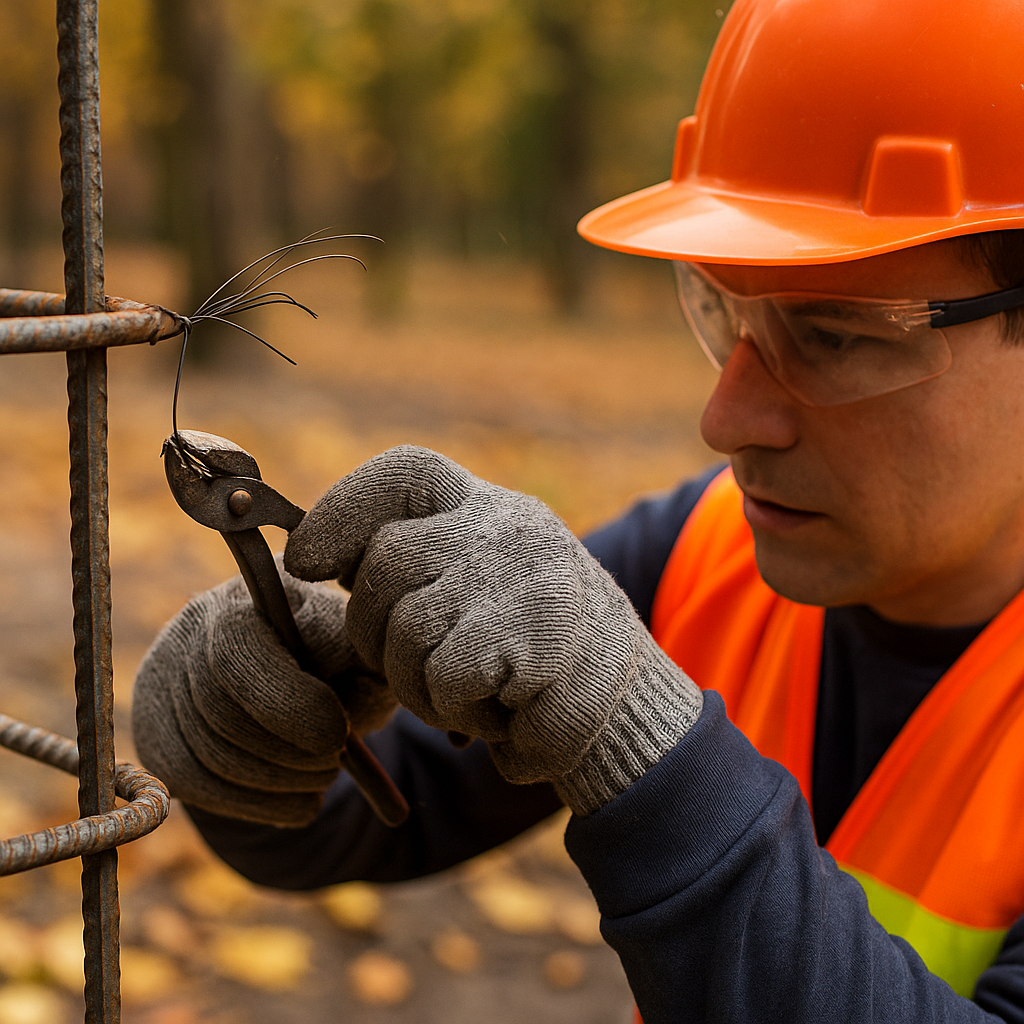
Controls:
- Always wear ANSI-approved safety glasses or goggles.
- Use pliers with smooth spring action to reduce slippage.
- Train workers to tie at safe angles, keeping hands away from wire recoil paths.
Fall Protection for Rebar Workers: Safe on Pillars and Bridge Decks
Rebar work often happens at heights—on bridge decks, piers, or elevated scaffolds. Falls remain the leading cause of construction fatalities.
Fall protection essentials:
- Properly fitted full-body harnesses and lanyards.
- Scaffolds and formwork with guardrails.
- Training on ladder and climbing safety.
- Regular inspection of fall protection gear.
Heat and Cold Stress Among Rodbusters
Outdoor work exposes rebar crews to climate extremes: blistering heat in summer and freezing winds in winter.

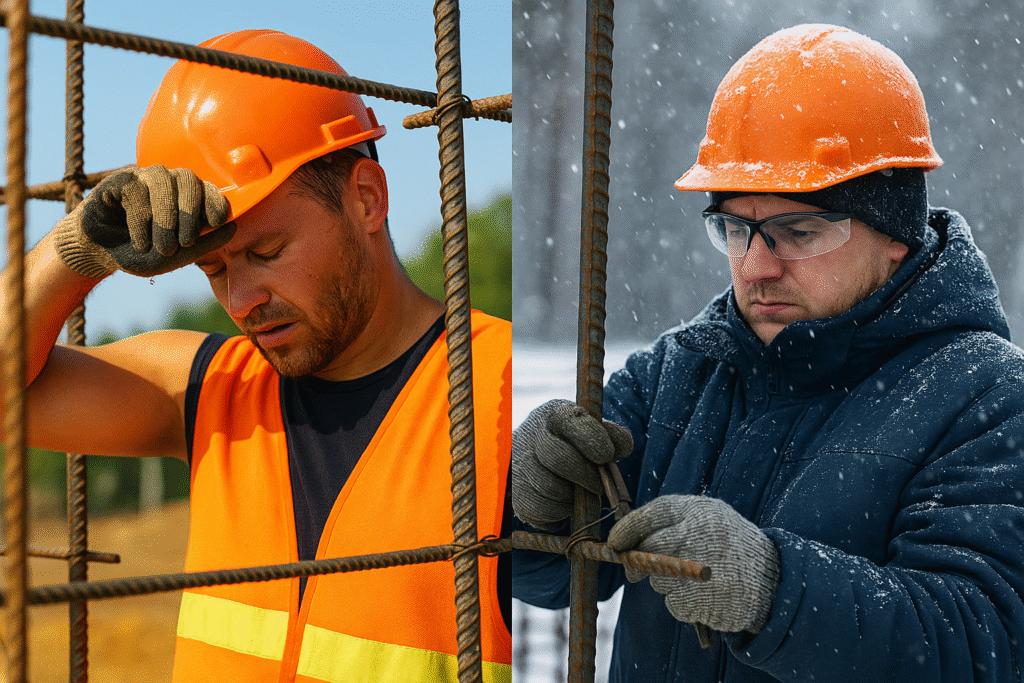
- In heat: Provide shade, hydration, and rest breaks.
- In cold: Use layered PPE, heated shelters, and warm-up breaks.
- Supervisors must monitor workers for early signs of heatstroke, hypothermia, and frostbite.
Power Tools and Rebar: Preventing Injuries with Cutters, Benders, and Grinders
Mechanical cutters, benders, and grinders make rebar work faster—but they introduce new hazards.
Safe use includes:
- Ensuring guards are installed and functional.
- Wearing face shields, gloves, and hearing protection.
- Regularly maintaining tools to avoid malfunctions.
- Providing training for all powered equipment.
Rebar Cap Safety: Preventing Impalement Hazards
Uncapped vertical rebar poses deadly impalement risks if a worker falls. OSHA requires protective mushroom or square caps.
Key steps:
- Cap all exposed vertical rebar immediately.
- Inspect caps daily for damage or missing covers.
- Train workers to recognize and report uncapped rebar.
Building a Safety Culture in Rebar Crews
Rules alone don’t keep workers safe—a strong safety culture does. Rebar crews must build habits of protection, communication, and accountability.
Strategies:
- Daily toolbox talks on rebar-specific hazards.
- Pair apprentices with experienced mentors for safe learning.
- Encourage reporting of near misses without fear of discipline.
- Celebrate safety achievements as much as production milestones.
Conclusion
Rebar workers are among the toughest professionals in construction. But toughness alone can’t prevent injuries. By focusing on PPE, ergonomics, hazard controls, and a culture of safety, employers and crews can drastically reduce risks—from hand and wrist injuries in rebar work to falls, impalement, and climate stress.
When safety is tied together as tightly as the steel they bind, rebar crews can keep building the strong foundations of tomorrow—safely.
For more construction safety resources, visit OHSE.ca.