




Retail worker safety for students matters from the first shift onward. Many students in Canada start work in grocery stores, clothing shops, big box stores, convenience stores, and malls, where the pace can be fast and the risks are easy to underestimate.
While retail may seem less hazardous than construction or manufacturing, young workers can still get hurt by unsafe lifting, aggressive customers, wet floors, sharp tools, and fatigue during evening or closing shifts. For students, the best protection is simple: know the hazards, ask questions early, follow training, and speak up when something feels unsafe.
This practical guide explains the main risks and prevention steps for student workers and the adults who support them. It uses a Canadian and Ontario workplace lens and focuses on calm, prevention-first habits that can help make every shift safer.
Retail worker safety for students starts with knowing the main hazards
Retail jobs often combine customer service, stocking, cleaning, cash handling, and closing duties. That means one student may face several kinds of risk in a single shift.
Common retail hazards include:
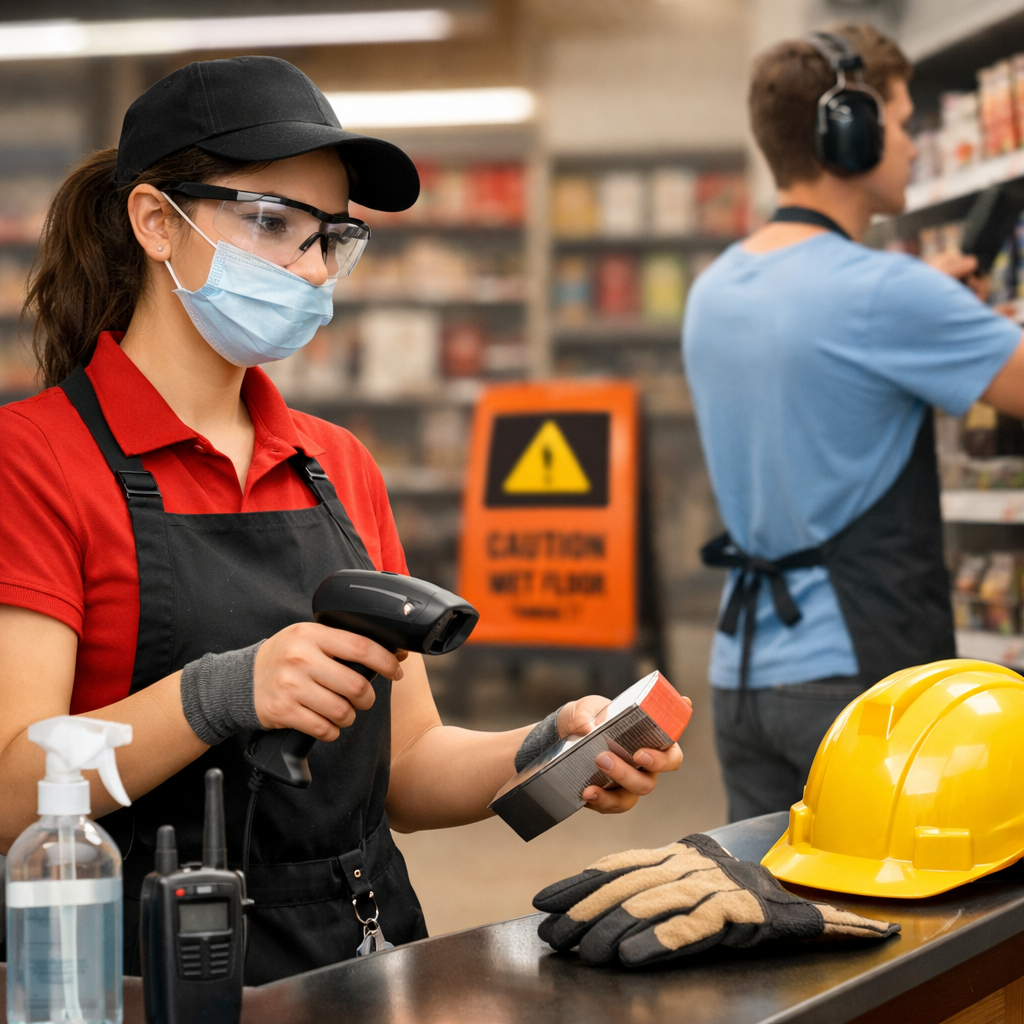
- Manual handling injuries from lifting boxes, cases of drinks, bins, or awkward items
- Violence and harassment from customers, shoplifters, or even coworkers
- Slips, trips, and falls caused by spills, cluttered aisles, cords, mats, snow, or icy entrances
- Fatigue and reduced awareness during late shifts, closing tasks, or school-work balance
- Cuts and contact injuries from box cutters, shelving, carts, compact spaces, or stockroom equipment
Under Ontario workplace rules, employers have duties to provide information, instruction, and supervision that protect workers. Students should also receive site-specific orientation, understand emergency procedures, and know who to report hazards to. Helpful general guidance is available from CCOHS and Ontario.
A useful way to think about prevention is the Hierarchy of Controls. First remove the hazard if possible, then reduce exposure with safer tools or layouts, then support safe work with procedures, training, and appropriate protective equipment where needed. In retail, this may mean using carts instead of carrying loads, improving floor maintenance, changing closing procedures, and training workers before they work alone.
Retail worker safety for students and safer lifting on the job
Why lifting injuries happen in retail
Student workers are often asked to restock shelves, move deliveries, carry returns, or bring seasonal items from storage. Injuries can happen when loads are too heavy, too bulky, lifted from the floor, or moved in a rush.
Back, shoulder, hand, and wrist strains are common when workers twist while lifting, reach above shoulder height, or carry items that block their view. Repetition also matters. Even moderate loads can become a problem when moved over and over during a shift.
Practical lifting and handling controls
For better retail worker safety for students, the goal is not just “lift properly.” The goal is to make the task safer before the lift even starts.
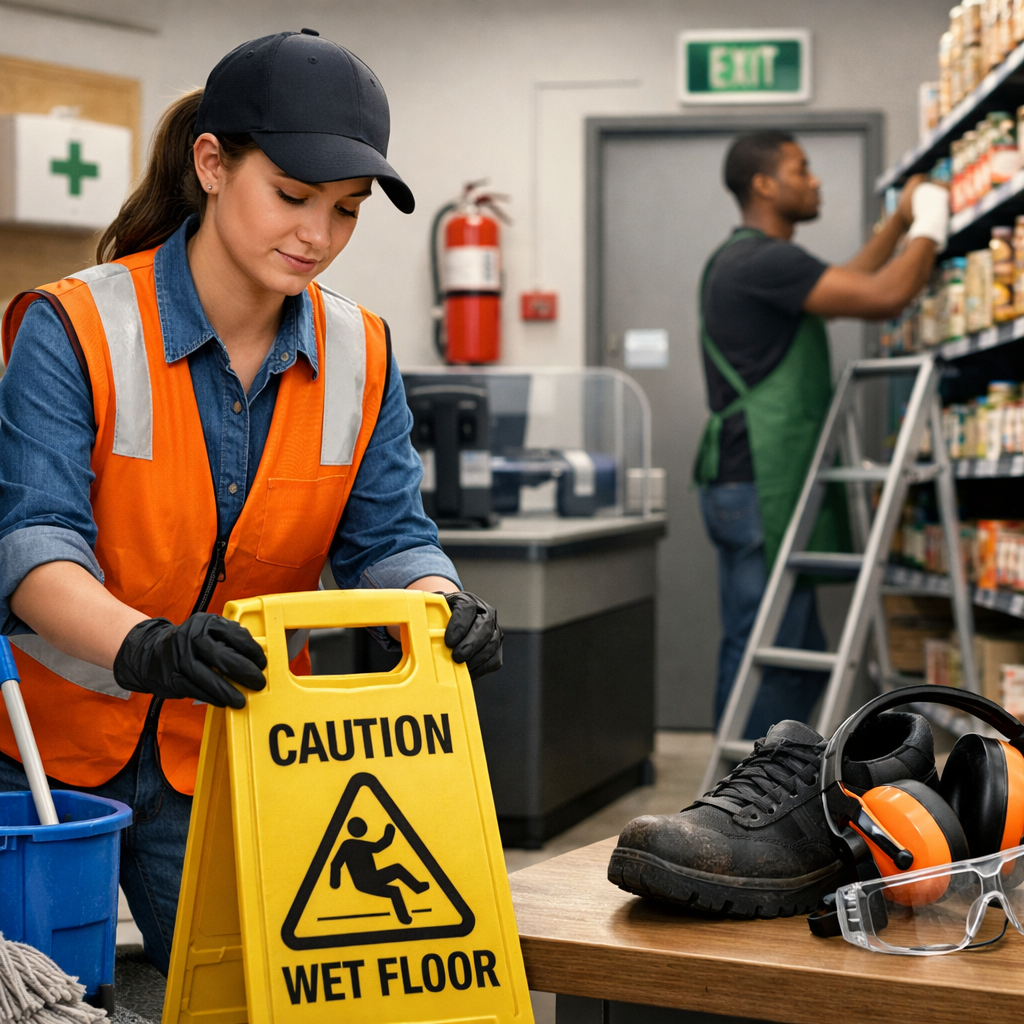
- Test the weight before fully lifting an item
- Use carts, dollies, pallet jacks, or team lifting when available
- Keep the load close to the body and avoid twisting
- Clear the route before moving stock
- Store heavier items between knee and chest height where possible
- Ask for help with awkward, oversized, or fragile products
- Wear stable, slip-resistant footwear suited to the workplace
Students should not guess what is safe. If a load seems too heavy or awkward, stop and ask. A supervisor should explain the expected method, equipment, and any limits for the task. More workplace training resources are also available at learn.ohse.ca.
Violence, harassment, and customer conflict in retail settings
Recognizing the risk
Retail work can involve difficult interactions over returns, intoxication, suspected theft, refusal of service, lineups, pricing disputes, or closing time. Student workers may feel pressure to handle these situations alone, especially if they are new or trying to appear confident.
Retail worker safety for students improves when workplaces treat violence and harassment as real safety hazards, not just “part of the job.” Warning signs can include raised voices, threats, insults, pacing, invasion of personal space, or refusal to follow store directions.
Safer responses for young workers
Students should be trained in de-escalation and understand exactly when to step back and get help. In most cases, personal safety matters more than merchandise or enforcing a rule by yourself.
- Stay calm and keep your voice steady
- Do not argue, threaten, or physically block a person
- Maintain distance and keep an exit path available
- Call a supervisor or follow the store’s assistance procedure
- Report all threats, abusive conduct, and near misses
- Follow local workplace emergency guidance if immediate danger exists
Students working cash, customer service, or closing shifts should know whether they are ever expected to work alone, how to request backup, and what the store policy is for suspected theft or aggressive behaviour. Employers should build safer systems through staffing, visibility, communication devices, good lighting, and clear reporting processes. General health and safety information for young workers can also be found through Health Canada.
Slips, trips, falls, and late-shift risks
Why these incidents are common
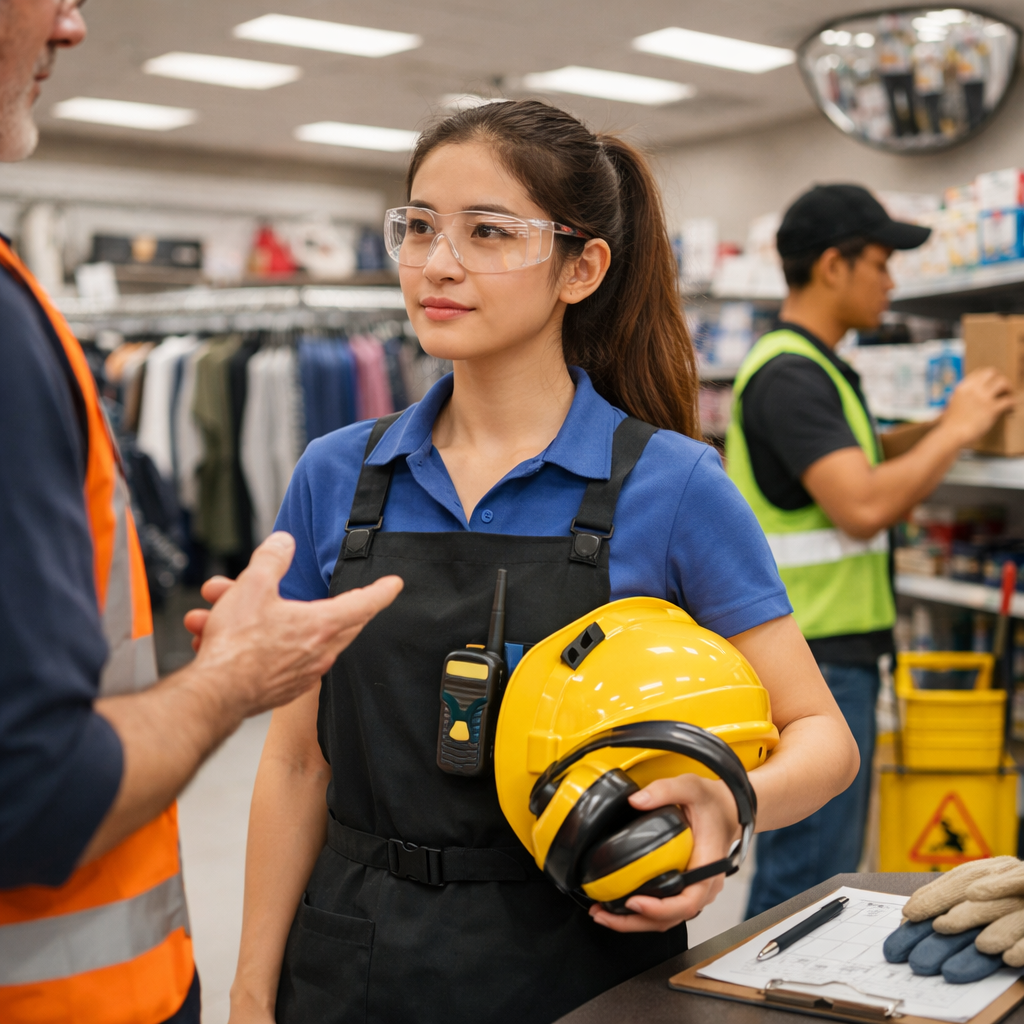
Slips and falls are some of the most common retail hazards because retail spaces change constantly. Floors may be wet from weather, recently mopped, or affected by dropped products. Back rooms may have boxes on the floor, and cords or step stools may create trip hazards.
Late shifts add another layer of risk. Fatigue, rushing to finish tasks, reduced staffing, poor outdoor visibility, and working around locking procedures can all increase the chance of mistakes.
Controls that make a real difference
Retail worker safety for students depends on keeping the environment predictable and well maintained.
| Hazard | Common Retail Example | Safer Control |
|---|---|---|
| Wet floor | Rain or snow near entrance | Mats, prompt cleanup, warning signs, regular checks |
| Trip hazard | Boxes left in aisle or stockroom | Good housekeeping and clear walkways |
| Fall from height | Standing on shelving or unstable object | Use approved step stool or ladder and follow training |
| Fatigue | Closing after school and homework | Breaks, reasonable scheduling, slower pace for risky tasks |
Closing and late evening work should include practical precautions: travel planning, well-lit exits, safe cash-handling procedures, buddy systems where possible, and clear supervision. Students should follow employer, school, family, and local emergency guidance where applicable. If a task feels rushed or unsafe at the end of a shift, stopping to reset the area may prevent an injury.
A short checklist for retail worker safety for students
Before and during each shift
- Know who your supervisor is and how to contact them quickly
- Ask for training before using equipment, ladders, cutters, or cleaning products
- Check your work area for spills, clutter, blocked exits, or unsafe stock placement
- Use carts or team lifting instead of forcing a heavy lift
- Keep aisles and stockroom routes clear
- Report violence, harassment, hazards, injuries, and near misses right away
- Wear suitable footwear and clothing for the shift and weather
- Stay alert during late shifts and avoid taking shortcuts when tired
Parents, schools, and employers all have a role in helping young workers build safe habits early. Asking a student, “Did you get trained for that task?” can be just as important as asking how the shift went.
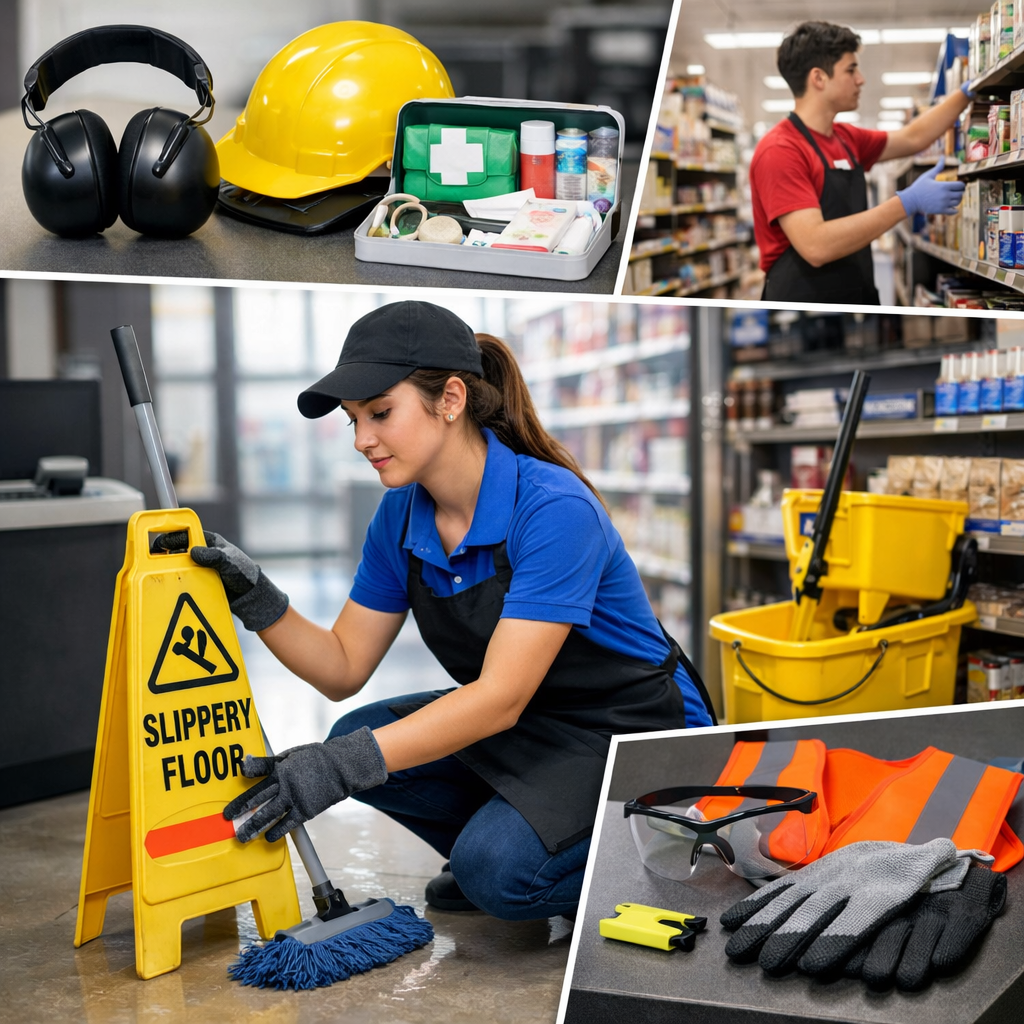
For more workplace safety information and training support, students and employers can visit OHSE.ca and learn.ohse.ca. Retail worker safety for students is strongest when training is clear, supervision is active, and young workers feel comfortable speaking up before a small problem becomes a serious injury.