

Plumbing is a vital trade that ensures the functionality and safety of essential water systems in residential, commercial, and industrial settings. However, the job comes with its share of Occupational Health, Safety, and Environment (OHSE) challenges.

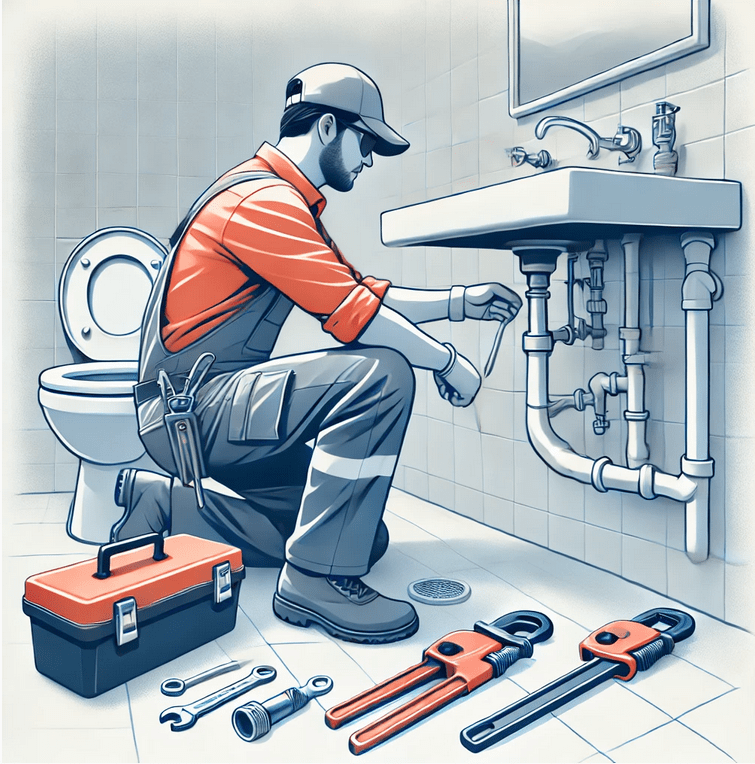
Understanding and adhering to OHSE guidelines is crucial for plumbers to maintain their safety, well-being, and the environment in which they work. This article takes an in-depth look at common hazards plumbers face and outlines safety best practices to mitigate these risks.
1. Common OHSE Hazards in Plumbing
Plumbers work in varied environments and often encounter a range of hazards that can impact their health and safety. Some of the most common risks include:
1.1 Exposure to Hazardous Substances
Plumbers frequently work with chemicals such as adhesives, sealants, and cleaning agents. Prolonged or unprotected exposure to these substances can lead to respiratory problems, skin irritation, or more severe health issues.
Safety Tips:
- Always read Material Safety Data Sheets (MSDS) before handling chemicals.
- Use appropriate Personal Protective Equipment (PPE) such as gloves, masks, and eye protection.
- Ensure proper ventilation when working with volatile or strong-smelling substances.
1.2 Confined Spaces
Many plumbing tasks require working in tight spaces such as under sinks, inside crawl spaces, or in basements. These confined areas may pose risks like limited oxygen, potential exposure to harmful gases, or restricted movement.
Safety Tips:
- Conduct a risk assessment before entering confined spaces.
- Use gas detectors to check for harmful fumes or low oxygen levels.
- Work in pairs whenever possible and maintain constant communication.
1.3 Slip, Trip, and Fall Hazards
Wet floors, tools scattered on the ground, and awkward work positions can increase the risk of slips, trips, and falls, leading to injuries.
Safety Tips:
- Keep the work area organized and free of clutter.
- Place warning signs near wet surfaces.
- Wear slip-resistant footwear.
2. Ergonomic Challenges and Physical Strain
Plumbers often work in positions that require bending, kneeling, or reaching in awkward angles. Repeated strain on the body can lead to musculoskeletal disorders (MSDs).
Safety Tips:
- Use ergonomic tools designed to reduce strain.
- Take regular breaks to stretch and rest.
- Practice proper lifting techniques by bending at the knees and keeping the load close to the body.
3. Electrical Hazards
Plumbing jobs sometimes intersect with electrical work, such as installing water heaters or working near wiring. These situations present a risk of electrical shocks or burns.
Safety Tips:
- Turn off the electrical supply before starting any work involving potential contact with wiring.
- Use insulated tools when working near electrical components.
- Be aware of the location of electrical panels and emergency shut-off switches.
4. Biological Hazards
Plumbers may encounter biological hazards, especially when dealing with sewage or older plumbing systems that could harbor mold, bacteria, or viruses.
Safety Tips:
- Wear appropriate PPE such as waterproof gloves and face shields.
- Use hand sanitizers and wash hands thoroughly after handling sewage or dirty water.
- Disinfect tools and work surfaces regularly.
5. Noise Exposure
Plumbers may be exposed to loud noises from power tools and machinery. Prolonged exposure can contribute to hearing loss.
Safety Tips:
- Use ear protection such as earplugs or earmuffs when operating loud equipment.
- Limit time spent in noisy environments when possible.
6. Training and Continuous Education
Understanding OHSE regulations and maintaining up-to-date knowledge of safety protocols is essential for plumbers. Regular training ensures that workers are aware of potential risks and the latest safety practices.
Key Training Focus Areas:
- Proper use and maintenance of PPE.
- Emergency response procedures.
- Safe handling and disposal of hazardous materials.
- Identifying and mitigating risks specific to new plumbing technologies.
Safety is an integral part of a plumber’s job, encompassing awareness, preparation, and adherence to OHSE standards. By understanding common hazards and implementing best practices, plumbers can safeguard their health and contribute to a safer work environment.
Regular training, proper use of PPE, and risk assessments are crucial components of comprehensive safety practices that every plumbing professional should follow.