

Construction sites are dynamic environments, often buzzing with activity and filled with various hazards. From operating heavy machinery to handling dangerous materials, the industry presents unique risks that require proactive safety management to ensure worker well-being and project success.

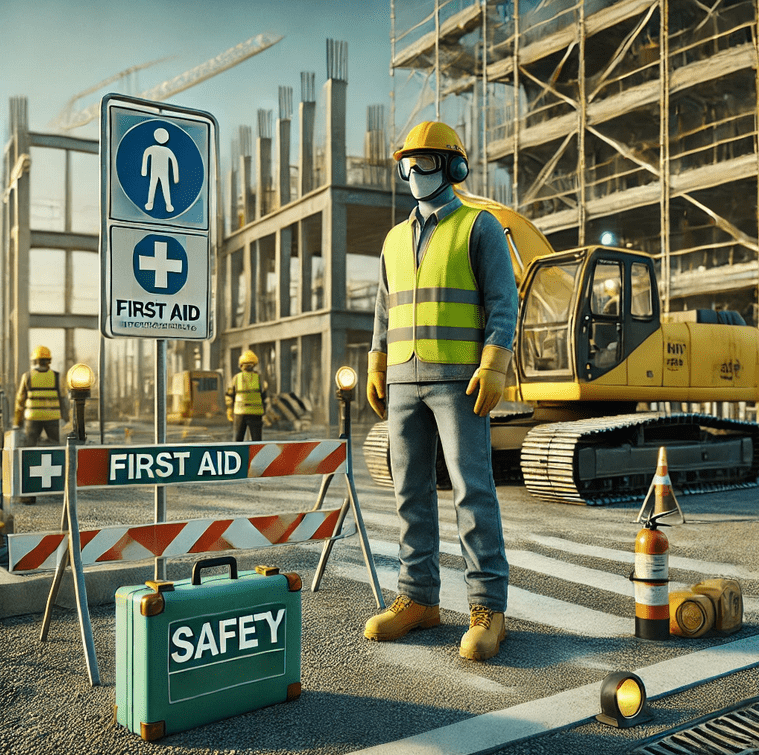
This guide provides an in-depth overview of construction safety management, covering key principles, best practices, and the steps necessary to maintain a safe construction site.
- Table of Contents
- 1. Why Construction Safety Management Matters
- 2. Understanding Common Construction Hazards
- 3. Key Principles of Construction Safety Management
- 4. Developing a Site-Specific Safety Plan
- 5. Personal Protective Equipment (PPE)
- 6. Training and Competency for Workers
- 7. Implementing Safety Protocols
- 8. Emergency Preparedness and Response
- 9. Conducting Regular Safety Audits
- 10. Creating a Safety-First Culture on Site
Table of Contents
- Why Construction Safety Management Matters
- Understanding Common Construction Hazards
- Key Principles of Construction Safety Management
- Developing a Site-Specific Safety Plan
- Personal Protective Equipment (PPE)
- Training and Competency for Workers
- Implementing Safety Protocols
- Emergency Preparedness and Response
- Conducting Regular Safety Audits
- Creating a Safety-First Culture on Site
1. Why Construction Safety Management Matters
Safety management in construction is about creating a safe environment where workers can perform their tasks with minimal risk of injury or incident. Effective safety management:
- Reduces Accidents: Implementing proper protocols reduces the likelihood of injuries and fatalities.
- Boosts Productivity: Workers in a safe environment are more confident, leading to better focus and efficiency.
- Lowers Costs: Preventing accidents lowers insurance premiums and reduces costly project delays.
- Enhances Reputation: A commitment to safety builds trust with clients, contractors, and the public.
2. Understanding Common Construction Hazards
Identifying common hazards on construction sites is the first step in managing safety effectively:
- Falls from Heights: A leading cause of fatalities, often due to unguarded edges or improper ladder use.
- Heavy Machinery Risks: Accidents with cranes, bulldozers, and forklifts can lead to severe injuries.
- Electrical Hazards: Exposed wires and overhead power lines pose shock and fire risks.
- Confined Spaces: Areas like tanks or trenches have limited ventilation, increasing the risk of suffocation.
- Hazardous Materials: Exposure to asbestos, chemicals, and dust can lead to long-term health issues.
Tip: Regularly update risk assessments to account for changes in the work environment.
3. Key Principles of Construction Safety Management
Construction safety management relies on several core principles:
- Identify Hazards: Recognize and document all potential hazards.
- Assess Risks: Determine the likelihood and impact of each hazard.
- Implement Controls: Set up barriers, safety equipment, and protocols to mitigate risks.
- Monitor and Review: Continuously assess the effectiveness of safety measures.
4. Developing a Site-Specific Safety Plan
A site-specific safety plan (SSSP) outlines all safety measures tailored to the unique needs of the site. Key components include:
- Hazard Identification: Specific hazards associated with the project.
- Safety Procedures: Protocols for managing risks, such as scaffold safety or fall protection.
- Emergency Contacts and Procedures: A plan for responding to incidents, with key contact information.
- Worker Training: Documentation of safety training required for the project.
Example Table of Safety Plan Elements
| Hazard | Control Measure | Responsible Person |
|---|---|---|
| Falls from Heights | Guardrails, safety nets | Site Supervisor |
| Heavy Machinery | Operator certification | Machinery Manager |
| Hazardous Materials | Proper storage & labeling | Safety Coordinator |
5. Personal Protective Equipment (PPE)
Personal protective equipment (PPE) is critical in construction for minimizing exposure to site hazards. Essential PPE includes:
- Helmets: Protect from head injuries caused by falling objects.
- Safety Glasses: Shield eyes from dust, debris, and chemical splashes.
- High-Visibility Clothing: Improves visibility in high-traffic areas.
- Hearing Protection: Reduces the risk of hearing damage from loud machinery.
- Respirators: Protect against inhaling harmful dust and chemicals.
Note: Ensure all PPE is in good condition and replace it regularly.
6. Training and Competency for Workers
Safety training is essential to empower workers to recognize and handle potential risks:
- Basic Safety Orientation: Covering site-specific hazards and emergency procedures.
- Equipment Training: Instruction on safe operation of machinery, tools, and PPE.
- Hazard Recognition: Training workers to identify and respond to common hazards.
Training Tip: Provide refresher courses and make safety training an ongoing part of worker development.
7. Implementing Safety Protocols
Safety protocols act as guidelines for managing hazards and ensuring safe work practices. Important protocols include:
- Fall Prevention and Protection: Use harnesses, guardrails, and nets when working at heights.
- Lockout/Tagout: Prevent accidental machinery startup during maintenance.
- Proper Tool Handling: Ensure workers know safe usage, storage, and handling of tools.
- Housekeeping: Keep the worksite clean and organized to prevent slips and falls.
Tip: Display protocols clearly on-site, especially in high-risk areas.
8. Emergency Preparedness and Response
Construction sites must be prepared for potential emergencies with a solid response plan, which should include:
- Evacuation Plan: Clearly marked exits and assembly points.
- First Aid Stations: Well-stocked and easily accessible first aid kits.
- Emergency Drills: Regular practice of evacuation and rescue drills.
- Designated First Responders: Trained personnel to handle medical emergencies until professionals arrive.
Note: Ensure workers know who to contact and the steps to take in an emergency.
9. Conducting Regular Safety Audits
Regular audits are essential to identify areas for improvement and ensure compliance with safety standards:
- Schedule Audits: Set up monthly or bi-weekly audits.
- Inspect Equipment: Check machinery and tools for any signs of wear or malfunction.
- Evaluate Worker Compliance: Observe if workers are following safety protocols.
- Document Findings: Record the audit findings and corrective actions.
Audit Example:
| Area | Status | Notes |
|---|---|---|
| Machinery Safety | Good | Minor adjustments needed |
| PPE Compliance | Needs Improvement | Increase checks |
| Fall Protection | Excellent | All measures in place |
10. Creating a Safety-First Culture on Site
Building a safety-first culture means everyone on-site prioritizes safety. Here are ways to encourage this mindset:
- Lead by Example: Supervisors and managers should consistently follow safety practices.
- Encourage Reporting: Workers should feel comfortable reporting hazards or near misses.
- Reward Safe Behavior: Recognize and reward adherence to safety protocols.
- Open Communication: Hold regular safety meetings to address concerns and reinforce safety practices.
Culture Tip: Make safety a core value, not just a requirement, to foster a strong safety commitment among all workers.
Managing safety on construction sites requires vigilance, planning, and a commitment to protect every worker. By identifying hazards, providing proper training, and establishing a strong safety-first culture, construction teams can create an environment where everyone can work confidently and securely.
Construction safety management isn’t just a legal obligation; it’s a vital part of building a successful and sustainable industry.