

Safety Gloves in the Workplace are the first line of defense between hands and the countless mechanical, chemical, thermal, and biological hazards that show up on worksites and in service roles every day.


This comprehensive guide explains why gloves matter, what can go wrong without them, how to choose the right type for the job and season, and what both employers and employees must do to keep hands safe and productive.
- Why Safety Gloves in the Workplace Matter
- Types of Safety Gloves in the Workplace (and What They Protect Against)
- Choosing Safety Gloves in the Workplace by Job Role
- Seasonal Considerations for Safety Gloves in the Workplace
- How Gloves Actually Protect (Mechanisms That Matter)
- What to Consider When Buying Safety Gloves in the Workplace
- Employer and Employee Responsibilities for Safety Gloves in the Workplace
- What Can Happen Without Gloves (or With the Wrong Gloves)
- Program Tips That Boost Wear-Rate
Why Safety Gloves in the Workplace Matter
Hands are involved in nearly every task, which is why hand injuries are among the most common workplace incidents.
Without the right protection, workers face lacerations, punctures, crush injuries, chemical burns, dermatitis, frostbite, heat burns, electrical shock, and infection from biological materials.

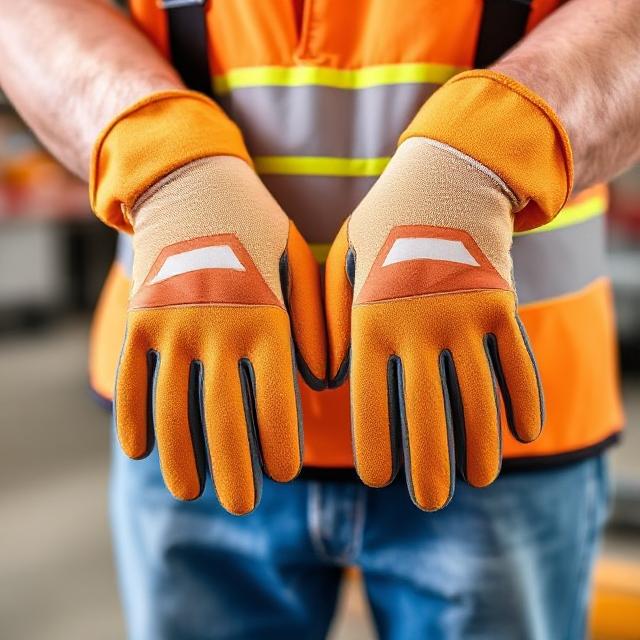
The downstream impacts go beyond pain and time off: loss of dexterity, long recovery times, and permanent sensitivity can affect a person’s livelihood.
Effective programs that prioritize Safety Gloves in the Workplace dramatically cut injury rates, reduce compensation costs, and support a culture where doing the job right includes doing it safely.
Types of Safety Gloves in the Workplace (and What They Protect Against)
Choosing well starts with understanding the major glove families and their strengths:
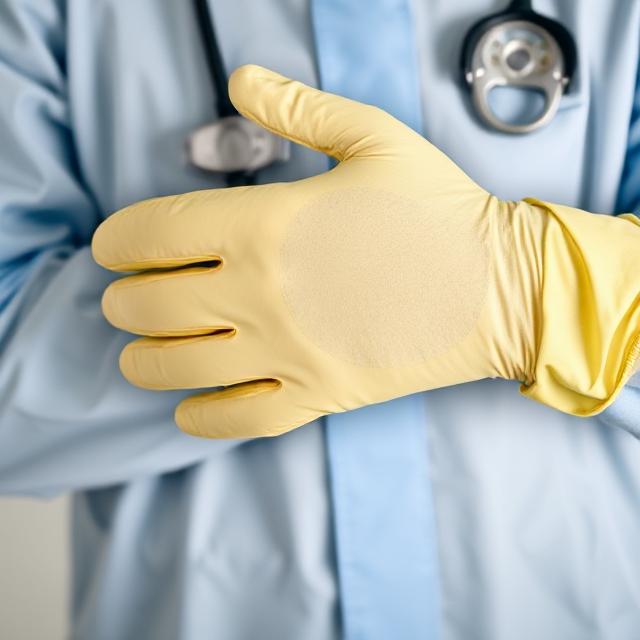
- Disposable medical and lab gloves (nitrile, latex, vinyl): Excellent for biological fluids and light chemical splash. Nitrile resists many oils and solvents better than latex; vinyl is economical but less durable.
- Cut-resistant gloves (HPPE/Dyneema®, aramid/Kevlar®, steel-core blends): Rated by ANSI/ISEA 105 (A1–A9). Match higher cut levels to sharper hazards like sheet metal, knives, and glass handling.
- General-purpose work gloves (leather, cowhide/goatskin/pigskin): Great for handling rough materials, welding sparks (with proper welding ratings), rigging, and abrasion.
- Coated knit gloves (nitrile, polyurethane, latex coatings): Balance dexterity with grip. Foam nitrile shines with oily parts; PU gives tactile finesse for assembly work.
- Chemical-resistant gloves (nitrile, neoprene, butyl, Viton®, PVC): Protection depends on the chemical—always check a permeation/compatibility chart for the specific substance and exposure time.
- Thermal gloves (cold-insulated, heat-resistant): Cold-weather gloves use insulation and wind/water barriers; heat gloves use aramid blends and aluminized layers for contact, convective, or radiant heat.
- Electrical-insulating rubber gloves (Class 00–4): For energized work only when paired with leather protectors and strict testing/inspection procedures.
- Anti-vibration/impact gloves: Padding and TPR ribs disperse impact and reduce HAVS risk from tools like breakers and grinders; note they don’t eliminate vibration, they mitigate it.
- Food-safe and cleanroom gloves: Meet specific contamination and hygiene requirements; prioritize powder-free, low extractables.
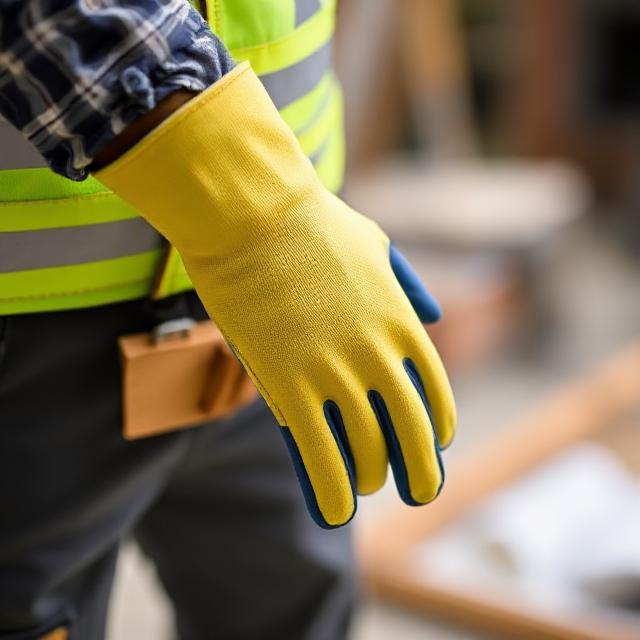
Tip: When in doubt, consult compatibility charts and standards from reputable sources like OSHA (U.S.), NIOSH, and CCOHS (Canada). These offer practical guidance on selecting, using, and maintaining gloves (see links inside this article).
Choosing Safety Gloves in the Workplace by Job Role
Different tasks change the risk profile—and the glove that makes sense.

- Construction & trades: Risks include cuts, crush, impact, and weather. Pair cut-resistant knit liners (A3–A5) with sandy/foam nitrile coatings for grip; add impact protection for demolition/rigging.
- Manufacturing & metalwork: Handling sheet metal or sharp edges calls for higher cut levels (A5–A7). For machining with coolants, choose oil-grip nitrile foam coatings and chemical splash resistance as needed.
- Healthcare & labs: Single-use nitrile for patient care and most reagents; chemical-specific gloves (e.g., butyl/Viton®) for aggressive solvents; double-glove for high-risk procedures.
- Food service & processing: Food-contact-approved disposables and cut-resistant liners for knife work; ensure regular change-out to manage cross-contamination.
- Oil & gas / maintenance: Chemical-resistant nitrile or neoprene for oils/solvents; impact-resistant backs; thermal options for hot/cold processes.
- Landscaping & arborist work: Leather or reinforced palms for abrasion and thorns; cut-resistant liners for saw work; waterproof shells in wet conditions.
- Electrical work: Use appropriately classed rubber insulating gloves with leather protectors; adhere to testing intervals and storage rules without compromise.
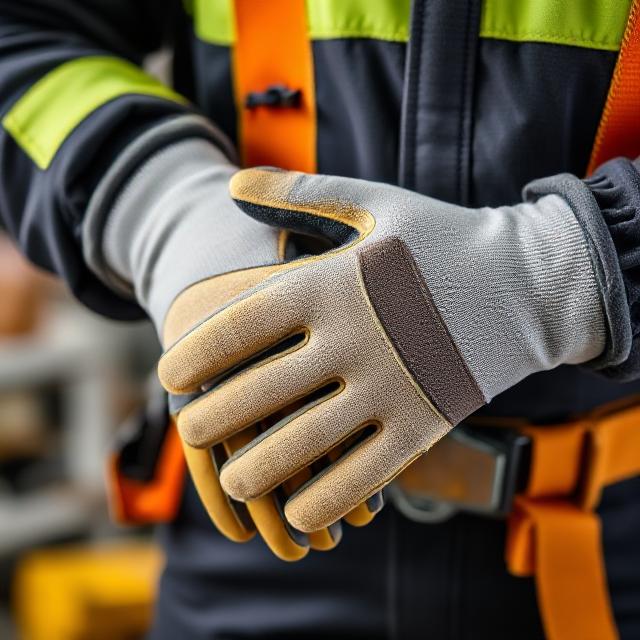
Across these roles, Safety Gloves in the Workplace should be matched to the dominant hazard first, then fine-tuned for grip, dexterity, and comfort so people actually wear them.
Seasonal Considerations for Safety Gloves in the Workplace
Seasons change risks—and performance.
- Winter/cold environments: Insulation (Thinsulate™, wool blends), waterproof membranes, and wind-blocking shells prevent frostbite and loss of dexterity. Look for grippy palms that stay tacky when wet or icy.
- Summer/heat: Breathable knit backs, lighter coatings, and moisture-wicking liners reduce sweat, which improves grip and reduces dermatitis. For hot surfaces, choose rated heat-resistant gloves and mind contact-time limits.
- Wet seasons: Waterproof shells or double-layer systems (inner dexterity glove + outer waterproof over-glove) keep hands dry; wet hands chill faster and blister sooner.
- Transitional weather: Consider modular systems (liners + shells) so workers can adapt during the day without compromising protection.
How Gloves Actually Protect (Mechanisms That Matter)
Gloves protect by creating barriers and dissipating energy. Mechanical hazards (cuts, punctures, abrasion, impact) are mitigated by fibers, weaves, and padding that absorb and redirect force.
Chemical hazards are managed through polymer resistance and thickness to delay permeation—time matters, so always check permeation data for your exact chemical and temperature.

Thermal gloves limit heat transfer by using air-trapping insulation or heat-resistant fibers; cold gloves block conductive/convective heat loss and moisture.
Electrical gloves rely on non-conductive rubber compounded and tested to strict voltage classes—no shortcuts, ever.
Standards help compare options: ANSI/ISEA 105 (North America) rates cut, puncture, and abrasion; EN 388/EN 374 (EU) provide mechanical and chemical ratings. Use these numbers to match hazards, not to compete on “highest level wins.”
What to Consider When Buying Safety Gloves in the Workplace
A glove that sits in a pocket protects no one. Selection should balance protection with real-world usability.
- Hazard assessment: Identify primary and secondary hazards (e.g., cut + oil, heat + impact, chemical + dexterity).
- Fit and sizing: Gloves that are too tight fatigue hands; too loose reduce control and snag. Offer a full size range, including women’s hands.
- Dexterity vs protection: Choose the lightest level that still meets the hazard. Trial several models with typical tasks before bulk purchasing.
- Grip environment: Dry, wet, oily, or dusty? Foam nitrile excels with oils; PU is precise on dry parts; textured latex grips well in wet but may not suit oils/chemicals.
- Cuff length & coverage: Longer cuffs protect wrists/forearms during splash or sharp-edge handling.
- Skin health & allergies: Prefer powder-free; minimize latex where sensitization is a concern; rotate models if dermatitis appears and review hand hygiene.
- Change-out and laundering: Define when to replace (cuts, swelling, stiffness, contamination). Use manufacturer laundering guidance for reusable gloves; never wash electrical rubber gloves.
- Compatibility: Ensure gloves work with other PPE (touchscreen devices, tools, lockout hasps).
- Documentation & training: Keep SDSs, permeation charts, and user instructions accessible; train donning/doffing and decontamination.
- Supplier reliability: Source from reputable vendors with test data and standards markings; keep alternates approved to avoid unsafe substitutions.
For a Canadian-focused overview of glove selection and standards, see CCOHS guidance. For U.S. employers, OSHA and NIOSH provide practical selection charts and program advice.
If you’re looking for local suppliers or services, you can also browse listings on ME IN CA.
Employer and Employee Responsibilities for Safety Gloves in the Workplace
Employers must perform hazard assessments, select appropriate gloves, provide them at no cost where required, train workers, and maintain a replacement and cleaning program.
They must write clear procedures (including when to wear, when to change, how to inspect) and enforce them consistently. Document fit testing where relevant (e.g., electrical gloves), keep inspection/test logs, and review incidents to improve choices.

Employees must wear the assigned gloves correctly, inspect before each use (tears, punctures, swelling, stiffness, contamination), report defects, follow change-out rules, and clean/store gloves properly.
Workers should speak up if dexterity is too limited or if a glove causes skin irritation—there is almost always an alternative that balances safety and comfort without sacrificing compliance.
What Can Happen Without Gloves (or With the Wrong Gloves)
Skipping gloves—or using the wrong kind—can lead to deep lacerations, bone-level punctures, crush injuries, corrosive burns from acids/alkalis, solvent-induced dermatitis and systemic exposure, thermal burns or frostbite, electrical shock, and biological cross-contamination.
Even “minor” injuries can sideline workers, trigger infections, and reduce grip strength for months. The right Safety Gloves in the Workplace transform these risks into manageable, routine tasks.
Program Tips That Boost Wear-Rate
- Pilot at least three models in real tasks; let users vote on comfort and grip.
- Stock season-appropriate options so hands stay warm/dry in winter and cool in summer.
- Use color-coding or clear labeling by hazard (cut level, chemical type, voltage class).
- Place glove dispensers at point-of-use and add signage with photos of “good fit vs poor fit.”
- Track usage and injuries; switch models if metrics plateau.
Safety Gloves in the Workplace are more than an accessory—they’re an engineered control that turns high-risk tasks into routine, injury-free work.
When employers lead with solid hazard assessments, select gloves by job and season, train for correct use and change-out, and track metrics, and when employees inspect before use, report issues, and wear what’s provided, hand safety becomes a dependable habit.

Choose protection that matches real hazards (cut, chemical, thermal, electrical), ensure fit and dexterity so people actually keep them on, and refresh models as conditions, tools, or processes change.
Commit to continuous improvement—pilot options, review incidents, and reinforce good practice—and you’ll protect hands, productivity, and morale.
In short: make the smart choice today and every day with Safety Gloves in the Workplace.