

Safety tips for handling hoses and preventing jobsite hazards are essential for ensuring the well-being of workers and maintaining efficient operations. Hoses are critical tools in various industries, but improper handling can lead to injuries, equipment damage, and jobsite disruptions.

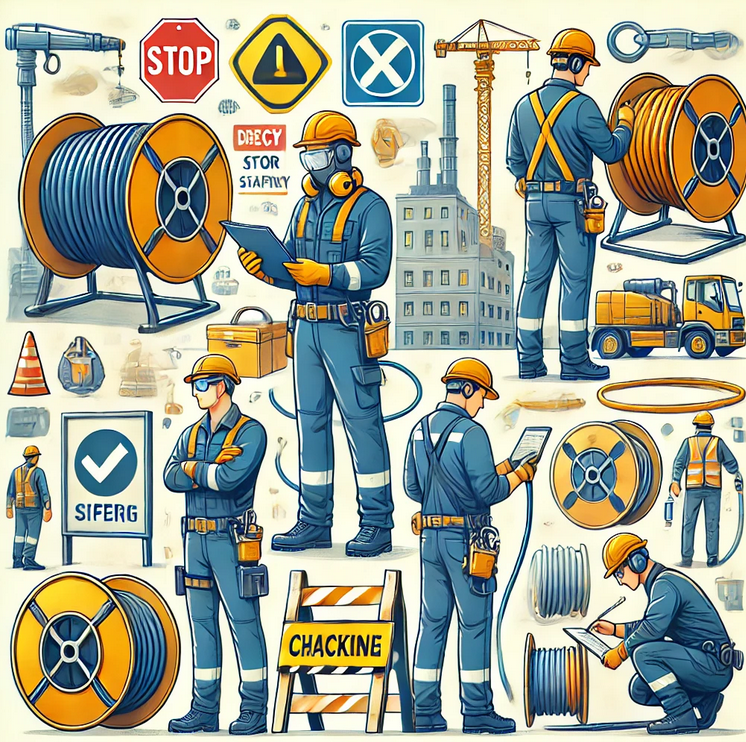
This article provides practical safety tips to minimize risks and maintain a safe work environment.
- 1. Importance of Safety Tips for Handling Hoses
- 2. Safety Tips for Handling Hoses Effectively
- 3. Preventing Jobsite Hazards Related to Hoses
- 4. Handling Specialty Hoses Safely
- 5. Benefits of Following Safety Tips for Handling Hoses
- 6. The Role of Training in Hose Safety
- 7. Challenges in Implementing Hose Safety Measures
- 8. Future Trends in Hose Safety
- 9. Conclusion
1. Importance of Safety Tips for Handling Hoses
Hoses are used across industries such as construction, oil and gas, and agriculture. While indispensable, they present several hazards if mishandled, including tripping, pressure injuries, and chemical exposure. Implementing safety tips for handling hoses helps protect workers, reduce downtime, and prevent costly accidents.
Key Risks Associated with Hoses:
- Tripping and falls from improperly stored hoses.
- Leaks causing chemical exposure or environmental damage.
- Injuries from high-pressure releases.
- Equipment damage from improper use or wear and tear.
Learn more about workplace safety standards at OSHA (DoFollow link).
2. Safety Tips for Handling Hoses Effectively
2.1 Proper Storage
- Use hose reels or racks to prevent hoses from being left on the ground.
- Coil hoses neatly when not in use to reduce tripping hazards.
- Store hoses in a cool, dry place to prevent wear and degradation.
2.2 Regular Inspections
- Check hoses for cracks, leaks, and wear before each use.
- Inspect connections and fittings for tightness and integrity.
- Replace damaged hoses immediately to avoid accidents.
2.3 Use the Right Hose for the Job
- Match the hose type with the material or pressure it will handle (e.g., chemical-resistant hoses for corrosive substances).
- Avoid overloading hoses beyond their rated capacity.
- Consult manufacturer guidelines for appropriate applications.
Explore detailed hose selection guides at Parker Hannifin (DoFollow link).
3. Preventing Jobsite Hazards Related to Hoses
3.1 Minimize Tripping Hazards
- Secure hoses using hooks, holders, or guards in high-traffic areas.
- Mark hoses with bright tape or signage to increase visibility.
- Train workers to identify and address tripping hazards promptly.
3.2 Prevent High-Pressure Injuries
- Always depressurize hoses before disconnecting them.
- Use pressure relief valves to manage sudden surges.
- Wear appropriate personal protective equipment (PPE), such as gloves and goggles, when working with high-pressure hoses.
3.3 Ensure Proper Ventilation
- Use hoses in well-ventilated areas to prevent the buildup of fumes or gases.
- Ensure proper sealing to avoid leaks in confined spaces.
4. Handling Specialty Hoses Safely
4.1 Hydraulic Hoses
- Inspect hydraulic hoses for oil leaks and pressure irregularities.
- Use burst sleeves to contain sudden failures.
- Avoid bending hoses near the fitting to prevent cracking.
4.2 Chemical Hoses
- Wear chemical-resistant gloves and aprons when handling hazardous materials.
- Store chemical hoses separately to avoid cross-contamination.
- Flush hoses thoroughly after each use to remove residue.
4.3 Air Hoses
- Check for proper airflow and avoid kinking, which can reduce efficiency.
- Use secure connections to prevent blow-offs.
- Avoid dragging air hoses across sharp surfaces to prevent punctures.
5. Benefits of Following Safety Tips for Handling Hoses
5.1 Reduced Workplace Injuries
Proper hose handling minimizes the risk of slips, trips, and other injuries, ensuring a safer jobsite.
5.2 Enhanced Equipment Longevity
Regular inspections and maintenance extend the lifespan of hoses and prevent costly breakdowns.
5.3 Improved Jobsite Efficiency
A well-maintained and hazard-free environment promotes seamless operations and productivity.
6. The Role of Training in Hose Safety
6.1 Comprehensive Training Programs
- Educate workers on hose handling techniques and hazard identification.
- Include demonstrations on pressure management and emergency response.
6.2 On-the-Job Supervision
- Assign experienced supervisors to oversee hose-related tasks.
- Encourage regular feedback and discussions to address safety concerns.
6.3 Continuous Learning
- Update training materials as new hose technologies and safety standards emerge.
- Conduct refresher courses to keep safety practices top-of-mind.
Discover training resources for hose safety at Safety+Health Magazine (DoFollow link).
7. Challenges in Implementing Hose Safety Measures
7.1 Resistance to Change
Workers may be hesitant to adopt new safety protocols. Address this by:
- Demonstrating the benefits of safety practices.
- Encouraging a culture of accountability and responsibility.
7.2 Budget Constraints
Investing in high-quality hoses and safety equipment may seem costly, but it prevents larger expenses in the long run.
7.3 Lack of Awareness
Regular training and awareness campaigns are essential to educate workers about the risks and proper handling techniques.
8. Future Trends in Hose Safety
8.1 Advanced Hose Technologies
- Smart hoses with built-in sensors for monitoring pressure and temperature.
- Lightweight and durable materials for enhanced safety and efficiency.
8.2 Automation in Hose Handling
- Automated hose reels and storage systems to reduce manual handling.
- Robotic systems for hazardous applications.
8.3 Sustainability in Hose Materials
- Eco-friendly hoses made from biodegradable or recycled materials.
- Sustainable disposal methods for used hoses.
Learn about innovative hose solutions at Gates Industrial (DoFollow link).
9. Conclusion
Safety tips for handling hoses and preventing jobsite hazards are essential for maintaining a secure and productive work environment. By implementing proper storage, regular inspections, and comprehensive training, organizations can minimize risks and improve operational efficiency. Prioritize hose safety today to create a safer and more effective workplace.