

Safety Training for Dog Trainers is crucial—especially when working with aggressive dogs. These challenging scenarios require not only advanced dog behavior knowledge but a solid foundation in occupational health and safety practices.
This article outlines key training components and precautions every dog trainer must understand to prevent injuries and create a safer working environment.
- Understanding Aggression in Dogs: The First Step in Safety
- Developing a Risk Assessment Strategy
- Personal Protective Equipment (PPE) for Dog Trainers
- Safe Handling Techniques and Tools
- Training in Situational Awareness and Communication
- Emergency Response and First Aid Training
- Mental and Emotional Safety for Trainers
- Record Keeping and Continuous Improvement
- Internal and External Resources
- Final Thoughts: Safety Training for Dog Trainers Saves Lives
Understanding Aggression in Dogs: The First Step in Safety
Before any hands-on training begins, it’s essential to understand the types of canine aggression. Dogs may exhibit fear-based, territorial, possessive, or redirected aggression. Recognizing the root cause of aggression is critical for developing safe handling strategies.

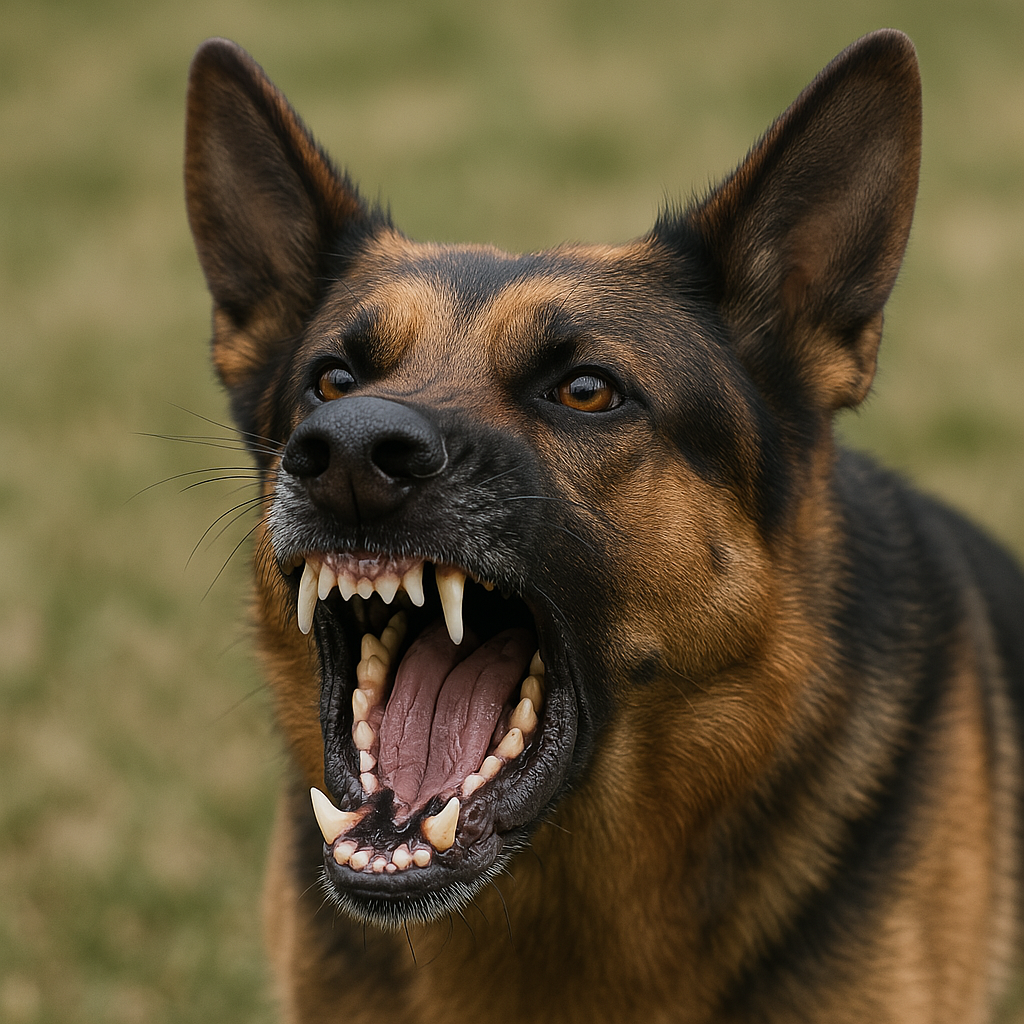
A dog that lunges or bites out of fear needs a drastically different approach than one guarding a toy or food. This underscores why behavioral assessment should be part of every trainer’s pre-training routine.
Developing a Risk Assessment Strategy
A comprehensive risk assessment is fundamental in safety training for dog trainers. Before engaging with any aggressive dog, consider:
- Behavior history: Bite incidents, triggers, previous training.
- Environment: Is the space enclosed, quiet, and free from distractions?
- Tools required: Muzzles, leashes, barriers, gloves, etc.
Use risk matrices to categorize levels of aggression and identify necessary controls. This approach aligns with guidelines from Canadian Centre for Occupational Health and Safety (CCOHS) and other OHSE standards.
Personal Protective Equipment (PPE) for Dog Trainers
PPE is not just for industrial workers.
When handling aggressive dogs, consider:
- Padded bite sleeves or gloves
- Sturdy, non-slip footwear
- Long-sleeved, bite-resistant clothing
- Muzzles or head halters for the dog
These tools help minimize injuries without hindering communication with the dog. It’s important to remember PPE is a last line of defense, and should not replace training or safe practices.

Safe Handling Techniques and Tools
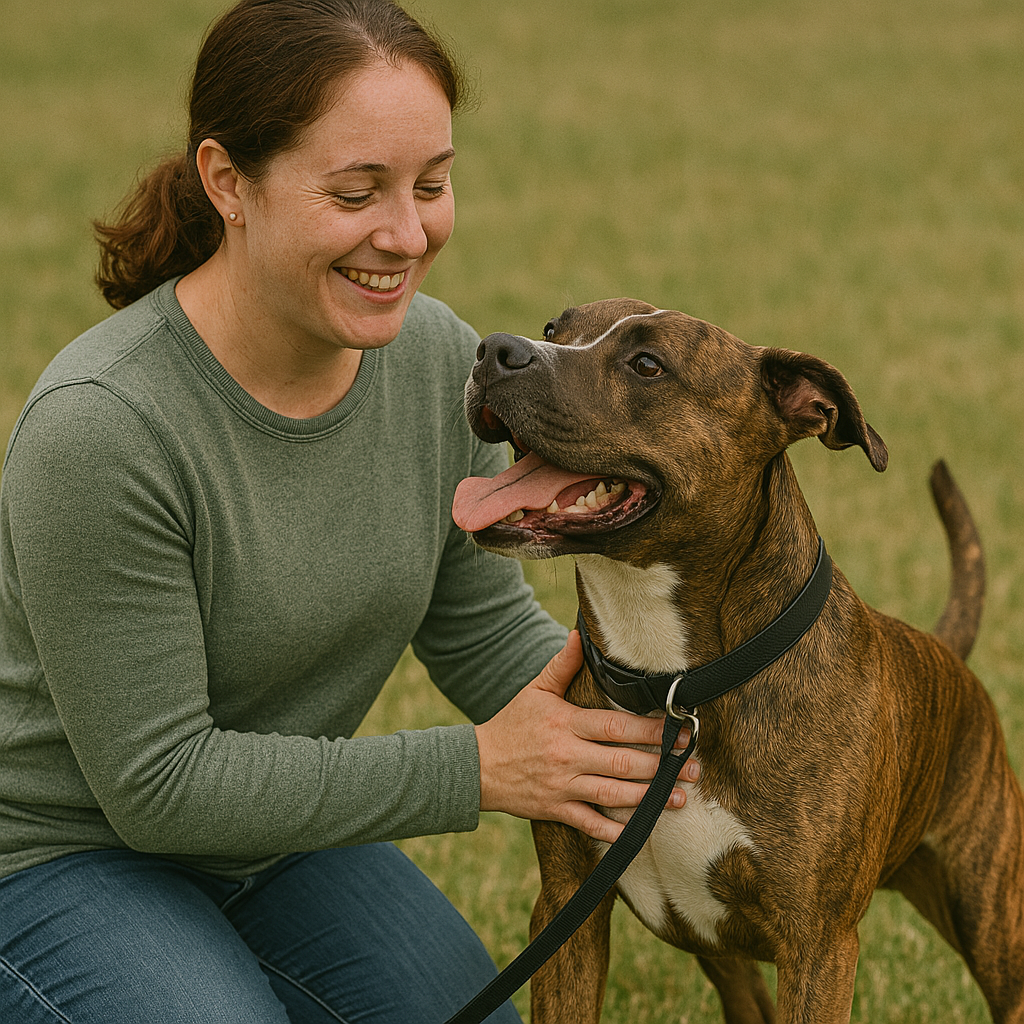
Safety training for dog trainers should always include hands-on instruction in safe handling. Proper leash grip, body positioning, and calm, assertive movements reduce the chance of triggering a defensive or aggressive reaction.
Essential tools include:
- Slip leads for quick control.
- Crates or pens for de-escalation.
- Visual barriers to reduce external stimuli.
- Clickers and treats for positive reinforcement without overexcitement.
Training facilities should provide mock scenarios using dummies or trained animals to allow dog trainers to practice without real risk.
Training in Situational Awareness and Communication
Many dog bites occur due to human error—not recognizing the warning signs. Dog trainers must develop a keen sense of situational awareness and read both the environment and the animal continuously.
Equally important is knowing how to communicate:
- With team members during high-risk sessions.
- With clients to set clear expectations.
- With the dog, using non-threatening posture and tone.
Emergency Response and First Aid Training
No safety training is complete without preparing for emergencies. Dog trainers should know:
- Basic canine first aid (bleeding, shock, seizure response).
- Human first aid in case of bites or falls.
- How to access veterinary and medical help quickly.
- How to document incidents for insurance and legal purposes.
Courses are available through organizations like St. John Ambulance or Red Cross Canada, and may include animal-specific first aid.
Mental and Emotional Safety for Trainers
Handling aggressive dogs can take a toll on a trainer’s mental health. Long-term exposure to risk, high stress, and emotional burnout are real hazards. Include psychological safety in your training:
- Regular debriefings after high-risk sessions.
- Access to mental health support or peer groups.
- Realistic expectations to avoid frustration.
OHSE doesn’t just protect physical health—it also fosters resilience and confidence in demanding roles.
Record Keeping and Continuous Improvement
Trainers should maintain detailed logs of each session, including:
- Dog’s behavior and progress.
- Incidents or near-misses.
- Techniques used and their outcomes.
These logs support continuous improvement and help prevent future incidents. They also demonstrate diligence in risk management—essential for legal protection and professional development.
Internal and External Resources
For Canadian trainers, refer to:
- OHSE.ca for articles and safety templates.
- Canadian Kennel Club for ethical handling guidelines.
- AVMA on Dog Bite Prevention (DoFollow)
Internal link: If you’re also involved in working with animals in public settings, see our guide on Pedestrian Safety in Busy Warehouse Environments.
Final Thoughts: Safety Training for Dog Trainers Saves Lives
Safety Training for Dog Trainers working with aggressive dogs is not optional—it’s essential. From risk assessments to PPE and mental readiness, each layer of protection contributes to a safer environment for both trainers and dogs. As the industry evolves, staying updated with current OHSE practices ensures a long, injury-free career in dog training.
By prioritizing safety training for dog trainers, we empower professionals to help even the most misunderstood dogs while staying protected every step of the way.