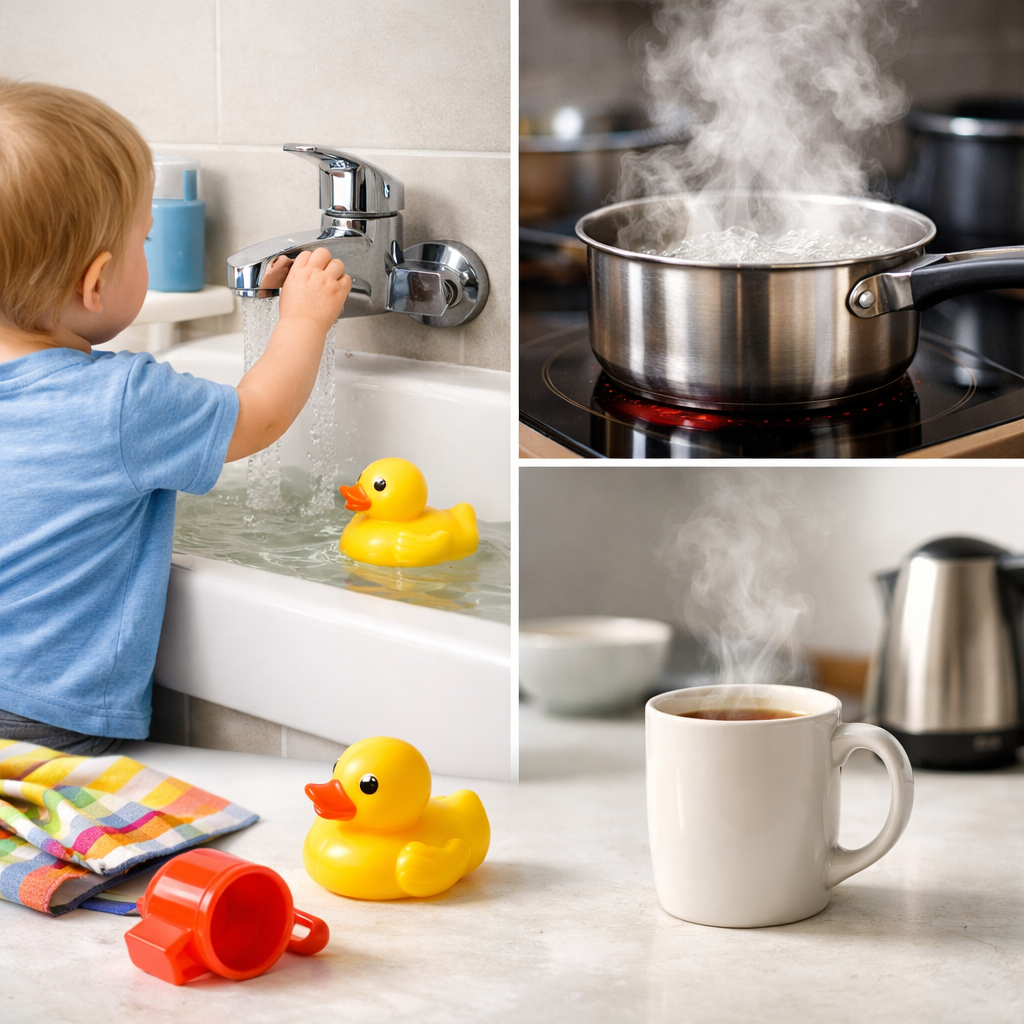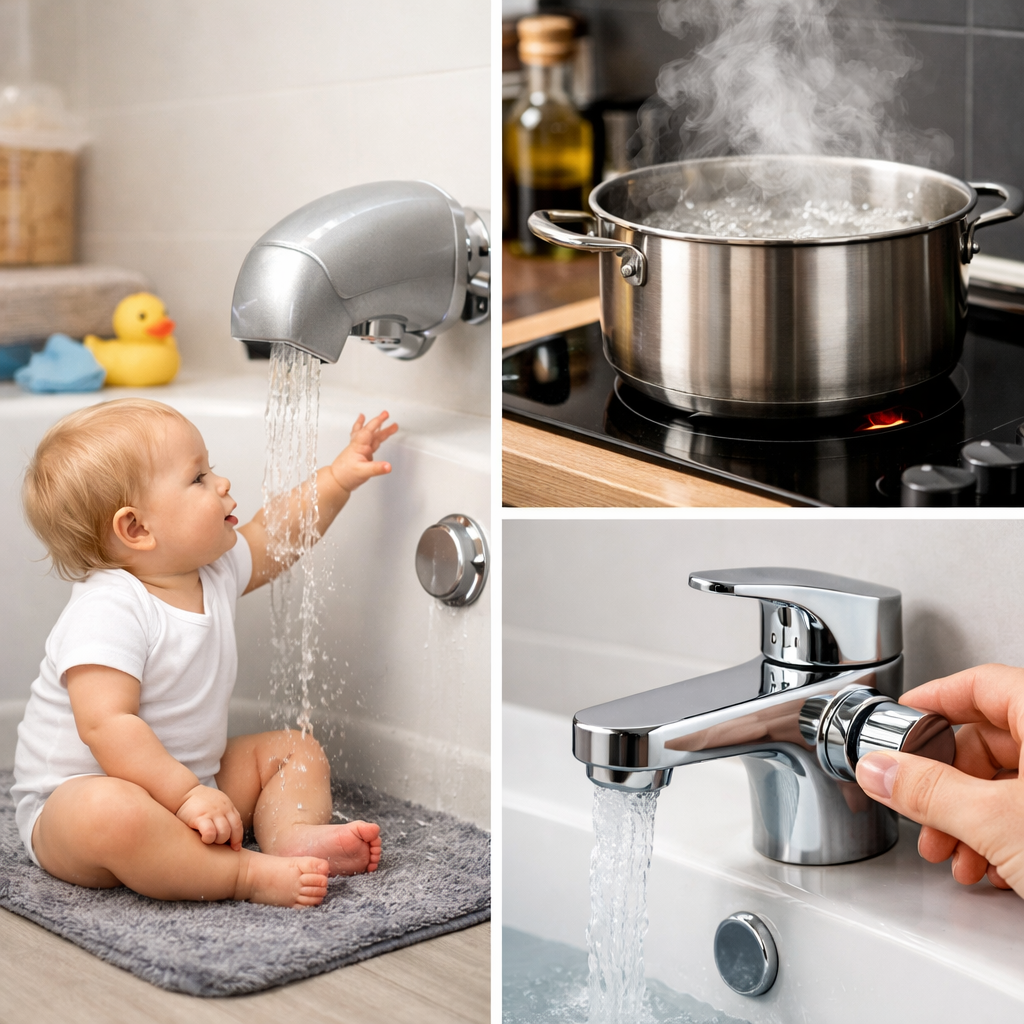


Scald prevention for kids starts with understanding how quickly hot water, steam, soups, and drinks can cause serious burns. At home, at school, and in community spaces, everyday routines such as making tea, serving noodles, or running a bath can create hazards if adults are distracted or children can reach hot items.
For Canadian families, schools, and young workers helping in kitchens, prevention works best when it is simple, consistent, and built into the environment. Good habits, safe equipment, and close supervision all matter. The goal is not to create fear. It is to reduce risk before a child gets hurt.
This practical guide explains where scalds usually happen, how to make kitchens and hot drink areas safer, and what a short daily checklist can look like. For broader health and safety guidance, readers can also visit OHSE.ca, CCOHS, and Parachute.
Why scald prevention for kids matters every day
A scald is a burn caused by hot liquid, steam, or sometimes hot food. Unlike a flame burn, a scald can happen during very ordinary tasks. A child may pull a mug from a table edge, bump into an adult carrying soup, turn on hot tap water, or reach toward a kettle cord.
Young children are especially at risk because their skin is more sensitive to heat and they often explore by grabbing, climbing, or pulling. They also do not recognize danger the way older children and adults do. In a busy home or classroom, a few seconds is enough for a serious injury to happen.
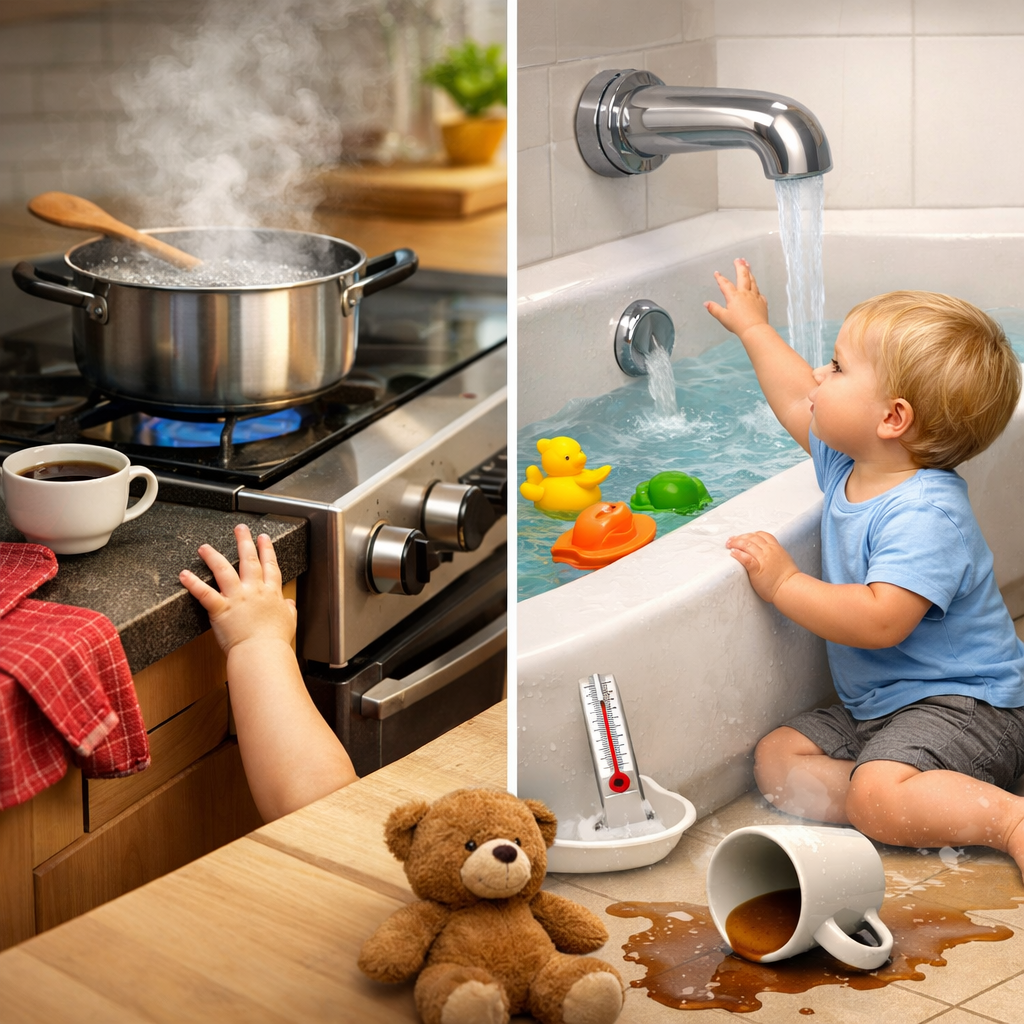
Scald prevention for kids is also relevant in workplaces where young workers may help prepare food, clean equipment, or carry hot beverages. In those settings, supervisors should follow local workplace procedures, manufacturer instructions, and training requirements. If safety education is part of the role, practical courses from OHSE training can support stronger prevention habits.
Common scald hazards
- Hot drinks such as tea, coffee, and hot chocolate
- Boiling water from kettles or pots
- Soup, oatmeal, noodles, and microwaved foods
- Steam from lids, microwaves, and dishwashers
- Hot tap water in sinks, bathtubs, and washrooms
- Slow cookers, air fryers, and countertop appliances within reach
Scald prevention for kids in the kitchen
The kitchen is one of the most common places for scalds because it combines heat, liquids, sharp tools, and distractions. Prevention begins with controlling access. If a child is too young to understand hot-zone rules, create distance with a safety gate, high chair placement away from cooking areas, or a clearly enforced boundary line.
Use the back burners first and turn pot handles inward so they cannot be grabbed or bumped. Keep kettle cords, appliance cords, and tablecloths out of reach. Avoid holding a child while cooking, pouring, or carrying hot food or drinks. A sudden movement can spill liquid directly onto the child.
Microwaved foods deserve extra care because they may heat unevenly. Stir well, let food stand, and test temperature before serving. Steam released when opening containers, baby bottles, or microwave lids can also burn. Open lids away from your face and away from children standing nearby.
Scald prevention for kids also means thinking about surfaces. Place hot drinks at the centre of counters or tables, never near the edge. Do not leave mugs on low coffee tables, bedside tables, or desks where a child can reach them. If possible, use travel mugs with secure lids when adults are moving around active children.
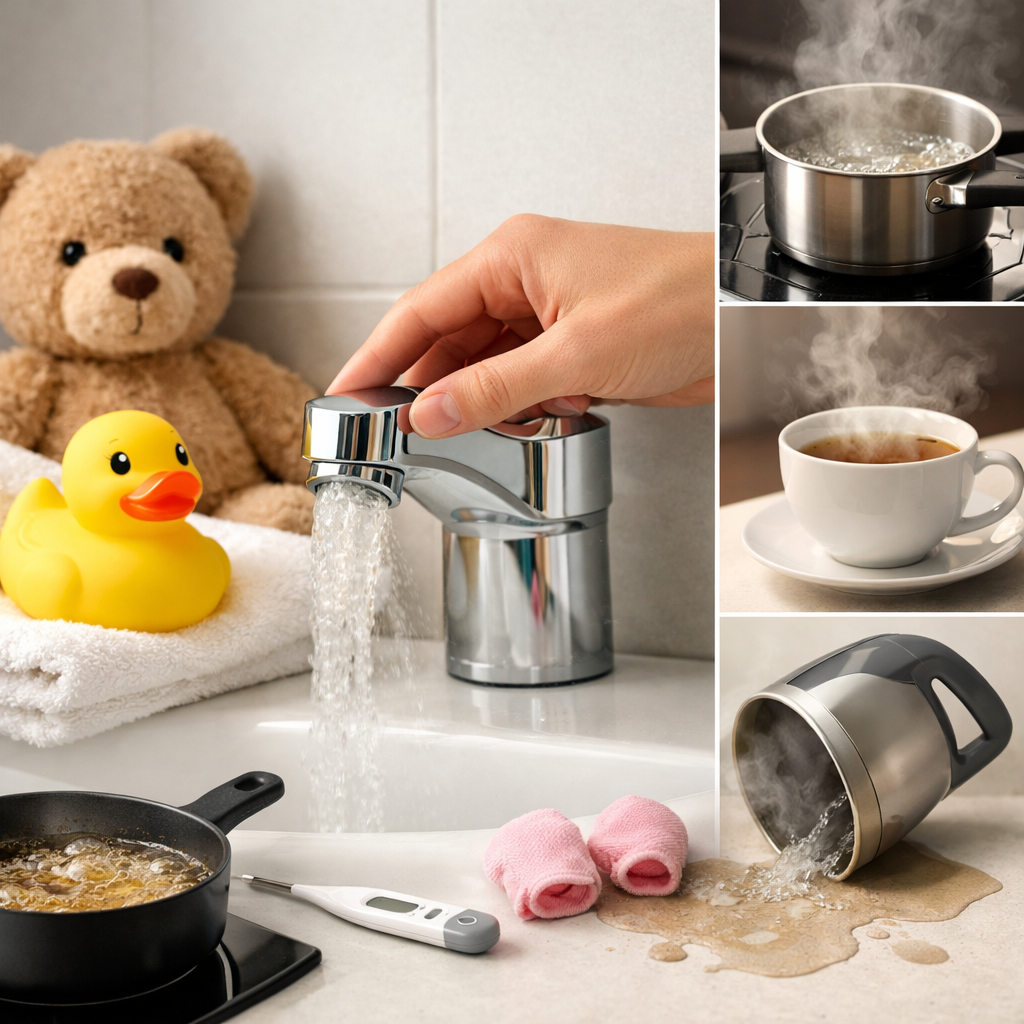
Safer kitchen habits for families and schools
- Create a no-child zone around the stove, oven, and kettle area
- Serve hot foods only after checking that they have cooled to a safer temperature
- Use placemats instead of tablecloths that children can pull down
- Keep chairs and step stools away from counters with hot items
- Do not pass hot drinks over a child’s head or within their reach
- Assign one adult to supervise children during busy meal preparation times
Hot water and drink safety at home, school, and childcare spaces
Bathrooms, lunchrooms, and staff kitchens are all important when planning scald prevention for kids. Hot tap water can be dangerous during handwashing, bathing, and cleaning tasks. Adults should check water temperature before a child uses a sink or tub, especially in unfamiliar places such as hotels, sports facilities, or another caregiver’s home.
In Ontario and across Canada, families and organizations should follow local building, school, workplace, and public health guidance where applicable. Helpful general information may be found through Ontario.ca and Health Canada. In schools and childcare settings, staff should also follow site-specific procedures for serving hot meals, using kettles, and supervising student access to kitchen equipment.
Hot drinks are a major hazard because they are common, portable, and often left unattended. Even a single cup can spill onto a child’s chest, lap, hands, or face. Keep drinks in stable containers, place them far from play areas, and finish handling hot beverages before lifting or helping a child.
Simple risk controls using the hierarchy of controls
Scald prevention for kids becomes stronger when adults think in layers. The hierarchy of controls can be applied in a practical way:
| Control level | Practical example | How it helps |
|---|---|---|
| Elimination | Do not place hot drinks in child-access areas | Removes the hazard entirely |
| Substitution | Let drinks cool before carrying them near children | Reduces heat exposure |
| Engineering controls | Use gates, inward-facing pot handles, and lidded mugs | Creates a physical barrier |
| Administrative controls | Set family rules and school procedures for hot liquids | Improves consistency and supervision |
| PPE | Use oven mitts when handling hot cookware | Protects the adult handling the hazard |
For children, the strongest controls are usually elimination, separation, and supervision rather than relying on a child to make the safe choice every time.
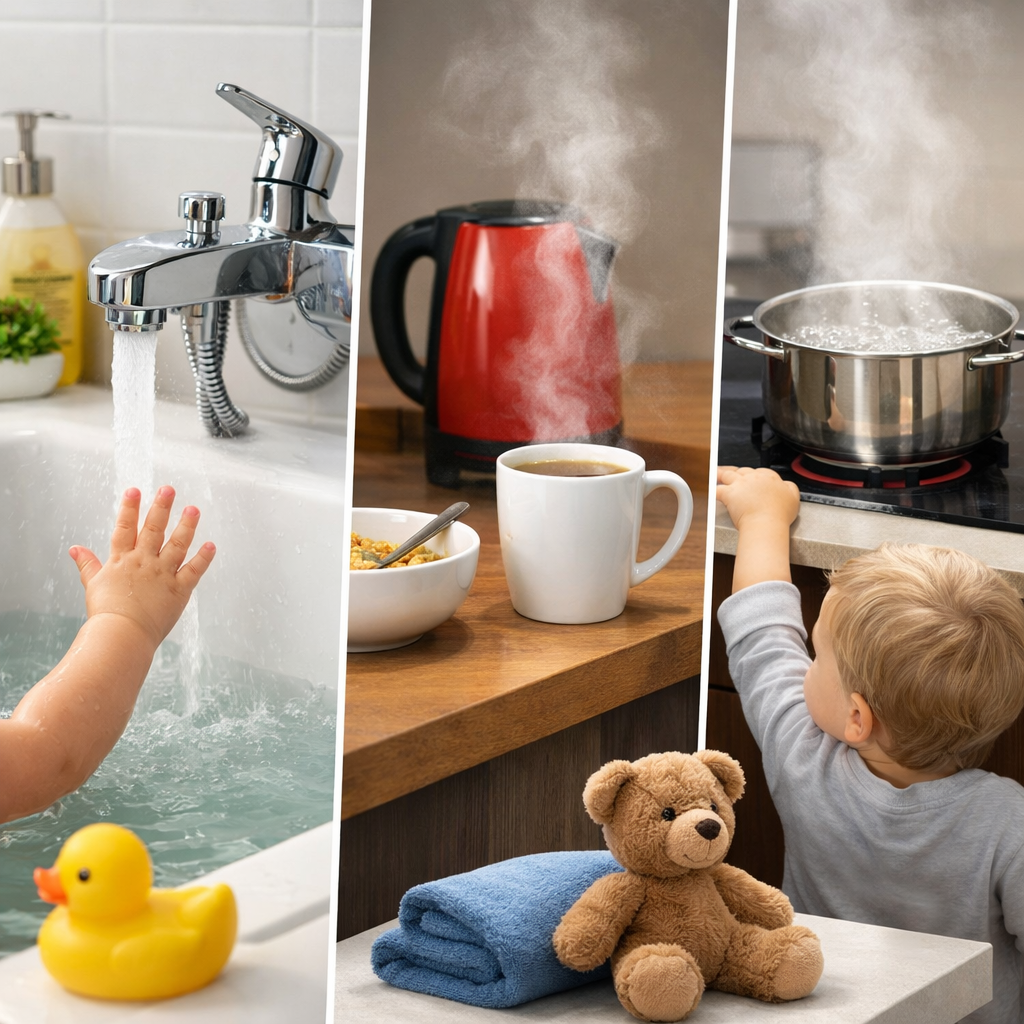
Actionable scald prevention for kids checklist
A short checklist makes prevention easier on busy mornings, after school, and during dinner preparation. Use this at home, in shared family spaces, or as a reminder for caregivers.
- Keep hot drinks and hot foods out of children’s reach at all times
- Turn pot and pan handles inward on the stove
- Use back burners first when possible
- Keep kettle and appliance cords short and away from edges
- Test foods and liquids before serving to children
- Check bath and sink water before use
- Keep children out of cooking zones during meal preparation
- Open microwave containers and pot lids away from the body and away from children
- Do not carry a child while holding a hot drink or plate
- Review household and school rules with all caregivers
If a scald does happen, follow local emergency guidance, school or workplace procedures, and product instructions where relevant. Avoid guessing about treatment and seek appropriate help based on the situation and the severity of the injury.
Scald prevention for kids is most effective when adults build safe routines into everyday life. Small choices such as moving a mug back from the edge, turning a handle inward, or checking water temperature can prevent painful injuries. Whether you are a parent, student caregiver, educator, or young worker in a food area, calm planning and consistent supervision make homes and shared spaces safer for children.