


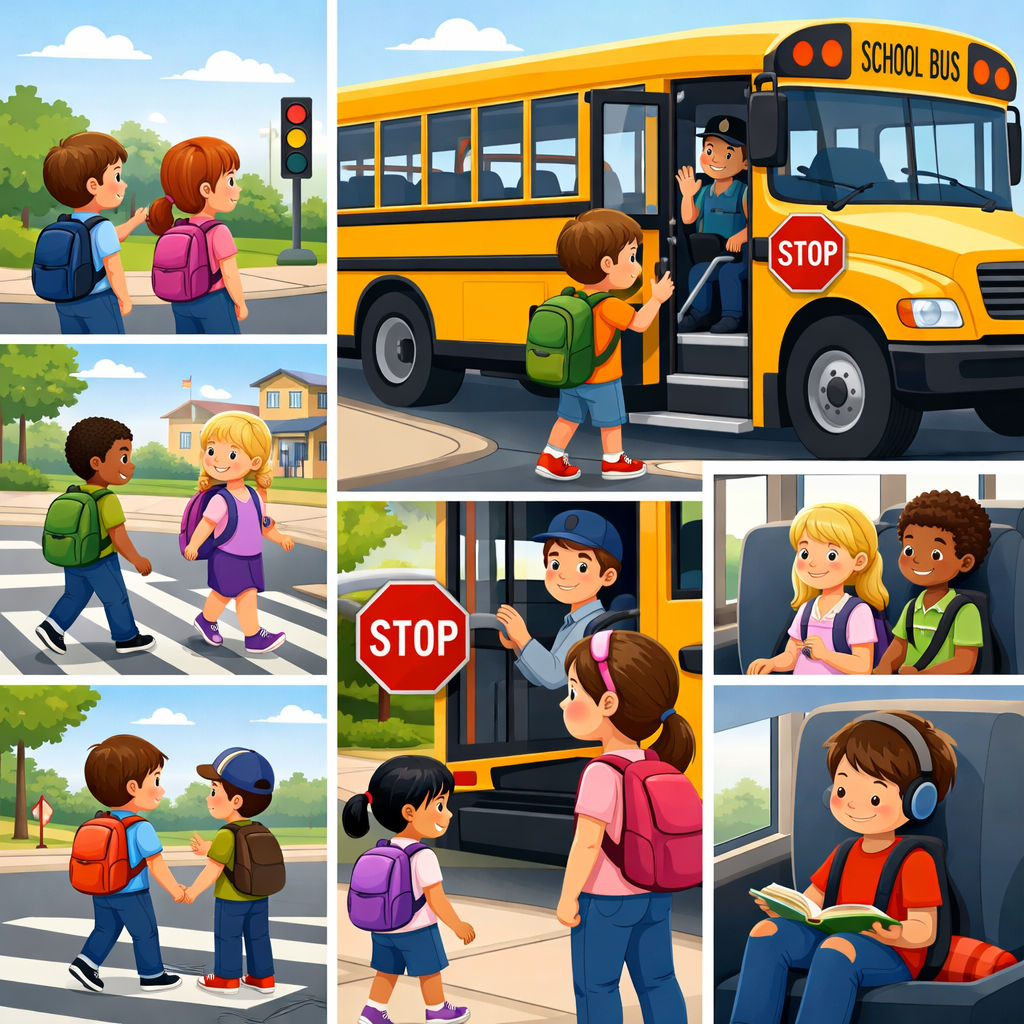


School bus safety rules for kids help children travel to and from school with fewer risks and better habits. For parents, students, and schools in Canada, the goal is simple: make every part of the trip safer, from waiting at the stop to getting off the bus and crossing the road.
A school bus is one of the safest ways for children to get to school, but safety still depends on clear routines and consistent behaviour. Young children may act quickly without checking traffic, while older students may become distracted by phones, friends, or rushing. That is why families should review expectations often and follow local school and transportation guidance.
This practical guide explains the most important school bus safety rules for kids, including stop safety, boarding, behaviour on the bus, and safe unloading. It also includes a short checklist parents can use before the school year starts.
Why school bus safety rules for kids matter
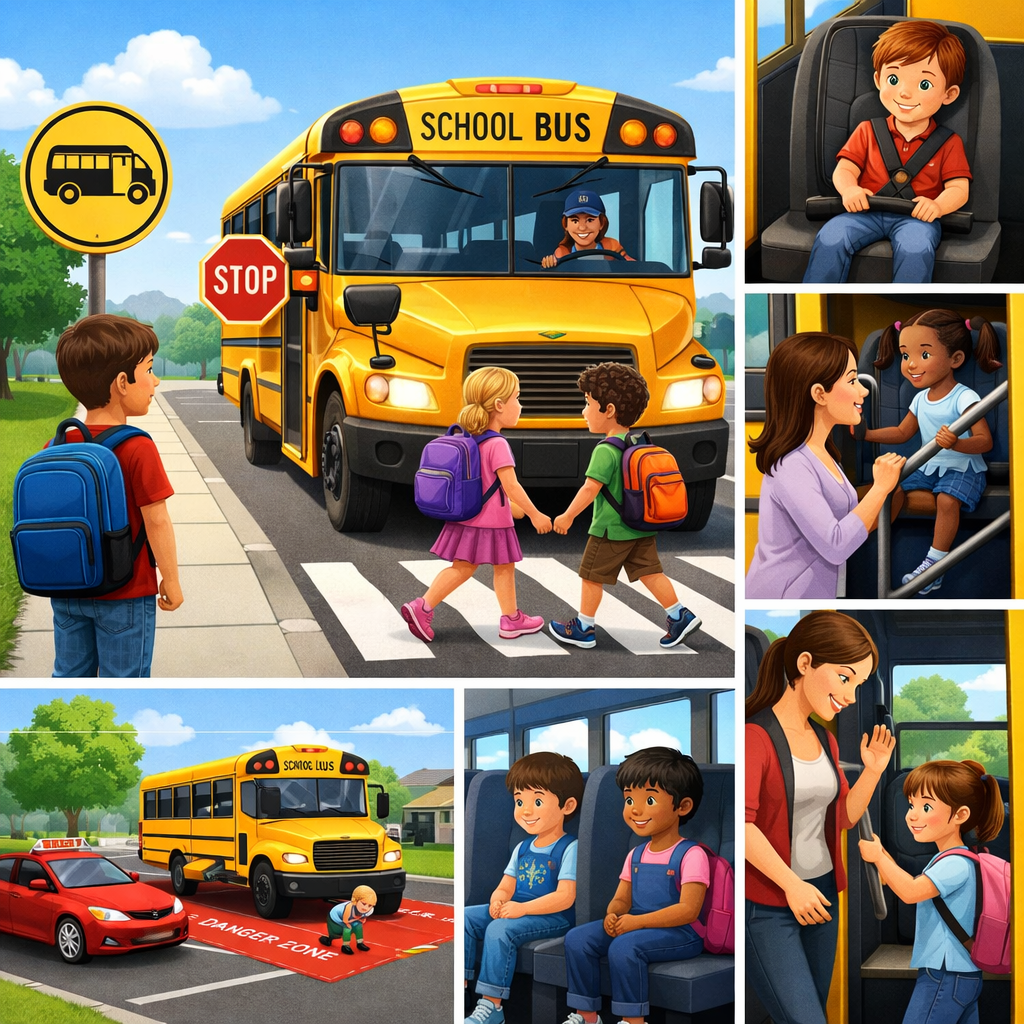
The highest-risk moments are often outside the bus, not while seated inside it. Children may be hard for drivers to see near the front bumper, around the rear wheels, or when they move suddenly between parked vehicles. In rain, snow, darkness, or icy Ontario mornings, these risks can increase.
Good safety habits work like prevention controls. Adults choose safer stop locations, build extra time into the morning, and teach children where to stand and when to cross. Kids learn to stop, look, listen, and wait for the driver’s signal when required by local school bus procedures.
Parents can also reinforce broader safety learning through trusted Canadian resources such as CCOHS, Ontario.ca, and Parachute. For more everyday prevention-focused safety content, families and schools can also visit OHSE.ca.
At the bus stop: the first school bus safety rules for kids
Arrive early and wait in the right place
Children should get to the bus stop a few minutes early so they do not have to run. Running toward a bus, especially on wet pavement, snow, or ice, can lead to slips, falls, or stepping into traffic without checking.
Teach kids to wait well back from the road, usually several large steps away from the curb or edge of the shoulder, unless the school or bus operator gives different instructions. They should stay in one place, avoid pushing, and keep bags, sports equipment, and loose clothing under control.
Watch traffic and avoid distractions
One of the most important school bus safety rules for kids is to stay alert. That means no horseplay, no chasing dropped items into the road, and no crossing before the bus fully stops and the driver indicates it is safe if a crossing is part of the route procedure.
Parents should remind children to put phones away near the stop. Headphones can block important sounds, including traffic, horns, or instructions from the driver.
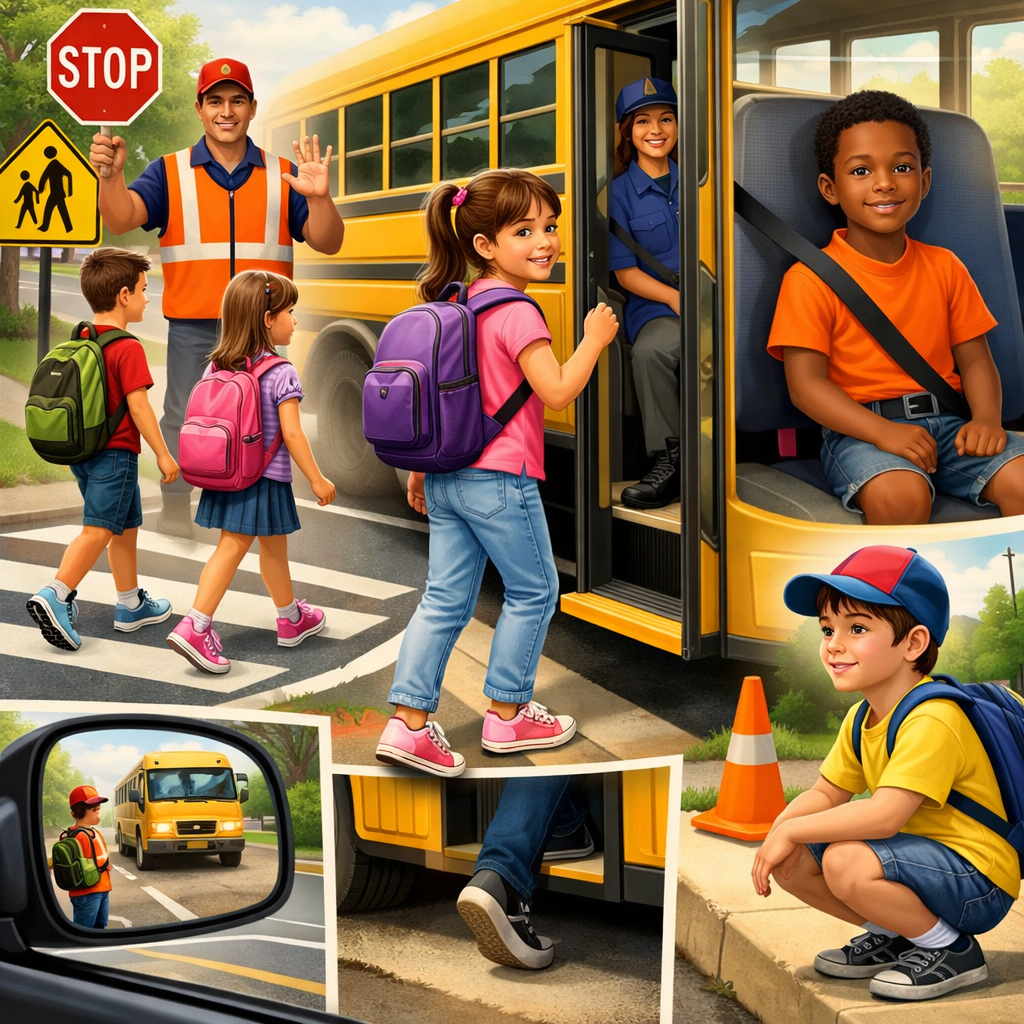
- Arrive early enough to wait calmly.
- Stand back from the roadway.
- Keep hands, feet, and objects to yourself.
- Stay visible, especially in low light or winter weather.
- Never run after a bus that has already left.
Boarding and riding: practical school bus safety rules for kids
Board one at a time
When the bus stops, children should wait until it is fully stopped and the door opens. They should board in an orderly line, use the handrail, and watch their step. Backpacks should be carried securely so straps do not catch on the handrail or door area.
If a child drops something near the bus, the safest rule is to tell the driver and leave the item where it is unless the driver says it is safe to pick it up. Children can disappear from the driver’s view quickly near the front or sides of the bus.
Stay seated and follow the driver’s instructions
Once on board, students should go directly to a seat, sit facing forward, and keep the aisle clear. Good behaviour is not only respectful, it is a real safety control. Standing while the bus is moving, shouting, throwing items, or moving from seat to seat can distract the driver and increase the chance of injury if the bus stops suddenly.
Older students should model safe behaviour for younger riders. Schools can support this by reviewing expectations during the first week of classes and after school breaks.
| Situation | Safe action |
|---|---|
| Bus is arriving | Wait back from the road until it fully stops. |
| Getting on | Use the handrail and board one at a time. |
| While riding | Stay seated, face forward, and keep the aisle clear. |
| Something falls near the bus | Tell the driver and do not reach under or around the bus. |
| Getting off | Move carefully, then walk away from the bus to a safe spot. |
Getting off and crossing safely
Leave carefully and move away from danger zones
When students reach their stop, they should remain seated until the bus stops completely. As they exit, they should use the handrail and step down carefully, especially in slushy or icy conditions common during Canadian winters.
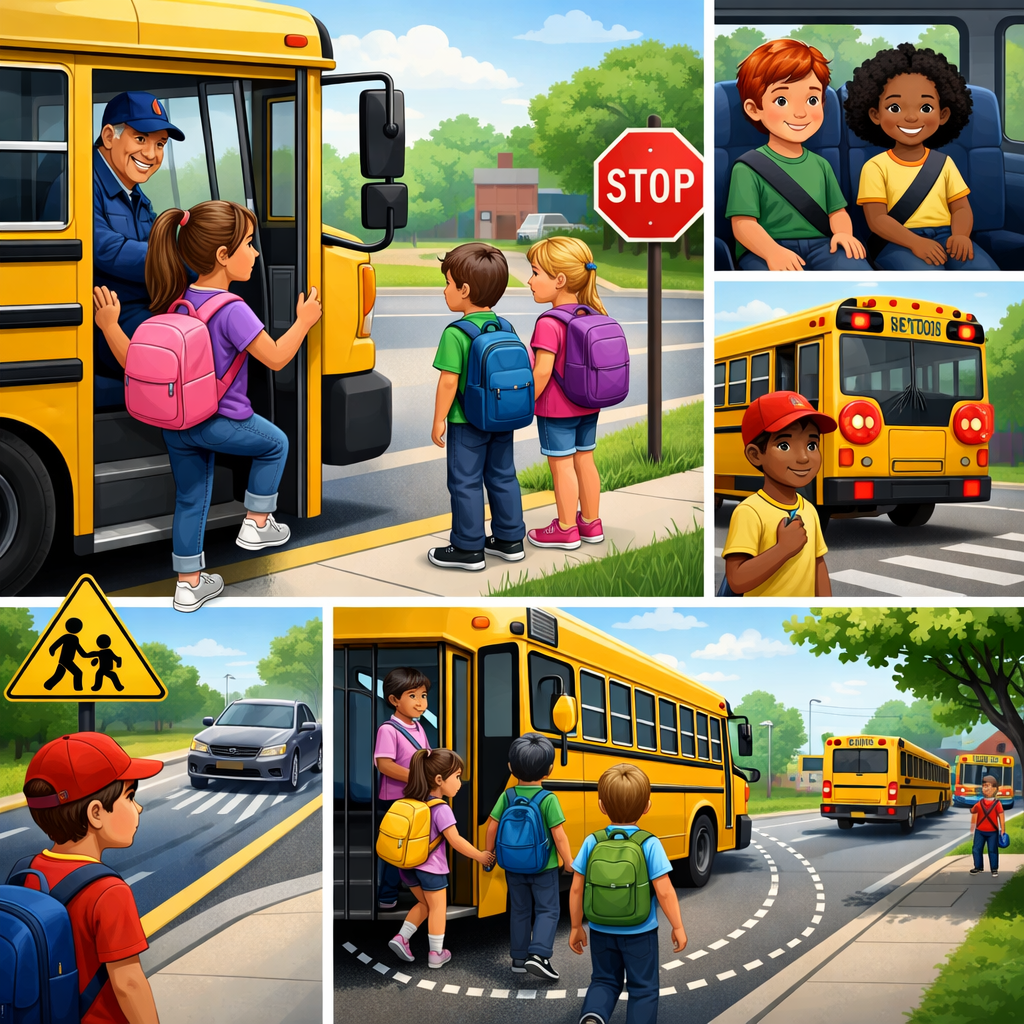
After leaving the bus, children should walk to a location where the driver can see them clearly. They should never walk behind the bus. If they must cross in front, they should follow the procedure taught by their school or bus operator and only cross when it is clearly safe and, where applicable, after the driver signals.
Know the danger zones
Parents should explain that the area close to a bus can be hard for a driver to see. This includes directly in front of the bus, behind it, and along the sides. One of the most valuable school bus safety rules for kids is simple: if you cannot see the driver, the driver may not be able to see you.
Children should also know what to do if they miss the bus. They should never chase it down the road. Instead, they should return home or follow the family’s agreed plan and tell a trusted adult right away.
How parents and schools can build safer routines
Use a prevention-first approach at home
Parents play a major role in making school bus safety rules for kids stick. Practice the route, walk to the stop together, and show younger children exactly where to stand. If possible, choose bright outerwear or reflective features on backpacks during darker months.
These steps reflect a basic safety planning mindset similar to the Hierarchy of Controls: reduce exposure where possible, improve visibility, set clear rules, and build reliable habits. In school transportation, that means choosing safer behaviours before a problem happens rather than reacting afterward.
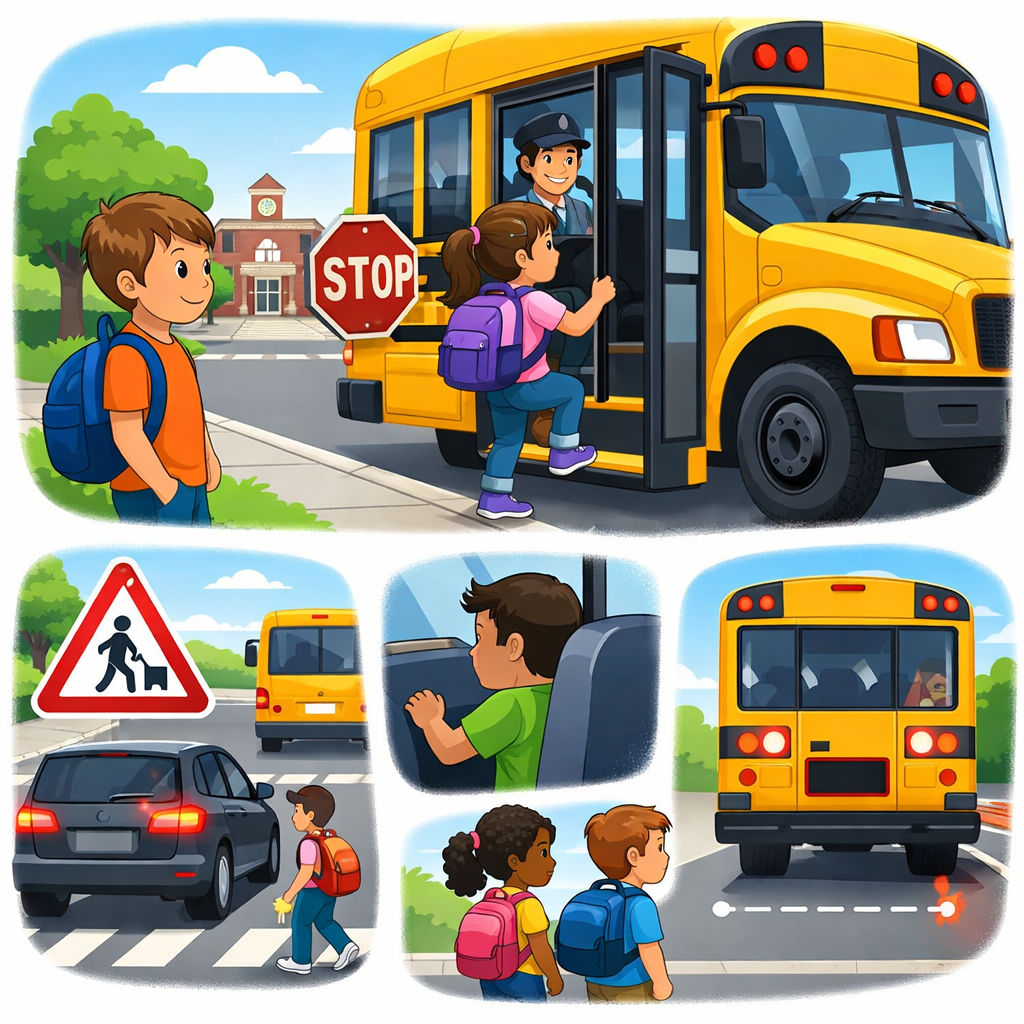
Schools and transportation providers can support families by sending home clear reminders, using age-appropriate bus safety lessons, and reporting repeated unsafe behaviour early. Staff training also matters. Where schools or organizations need broader safety education resources, learn.ohse.ca may be useful for training-related needs.
Short actionable checklist for families
- Review the route and stop location with your child.
- Set a morning routine so there is no need to run.
- Teach your child to stand back from the road.
- Remind them to use the handrail when boarding and leaving.
- Tell them never to reach under or near the bus for dropped items.
- Explain when and how to cross based on local school bus instructions.
- Choose weather-appropriate footwear for rain, snow, and ice.
- Follow school, transportation, and emergency guidance in your area.
School bus safety rules for kids are most effective when parents, students, schools, and drivers all reinforce the same calm routines. Waiting safely, boarding carefully, staying seated, and crossing only when it is safe are simple habits that can prevent serious incidents. By reviewing these rules regularly and following local Ontario or Canadian school transportation guidance, families can help make every school trip safer and more predictable.