


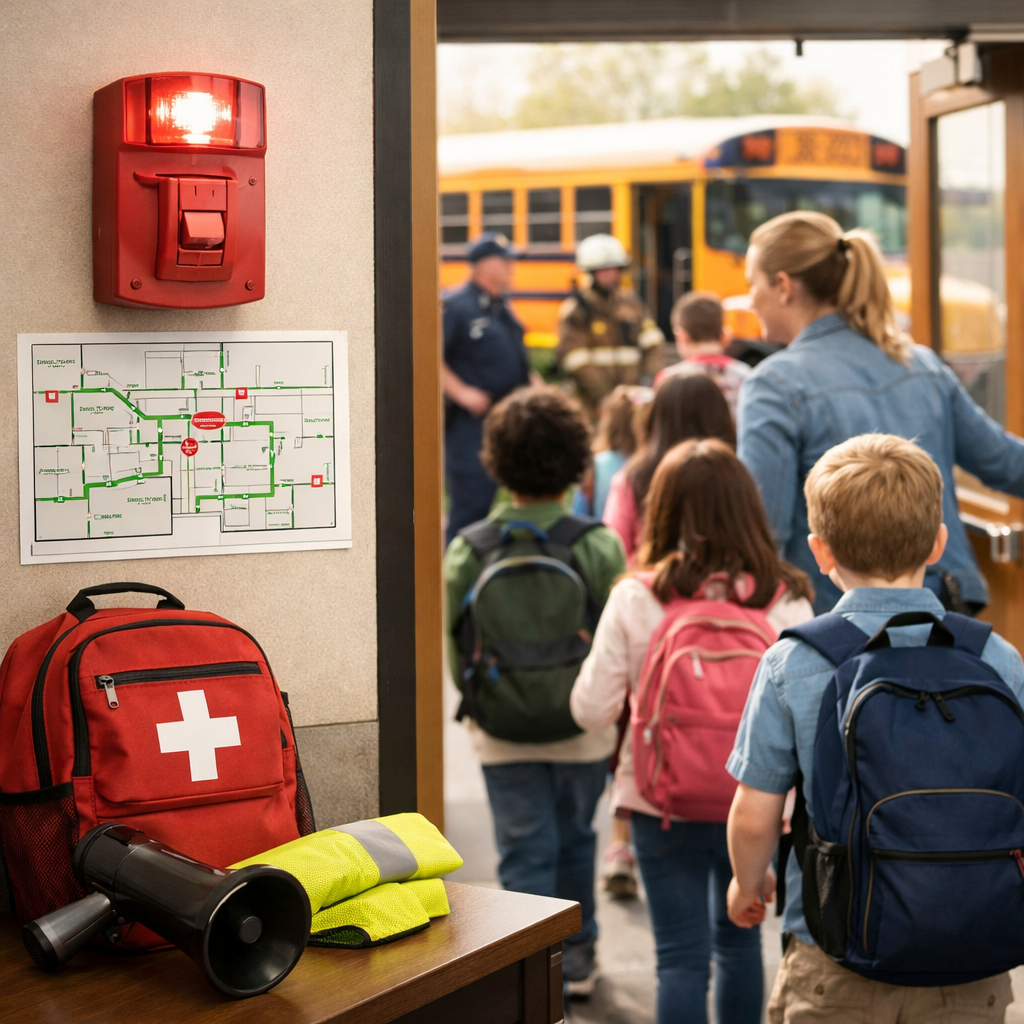

School emergency evacuation procedures help students leave a building quickly, calmly, and safely when there is a fire, gas smell, security concern, or another serious hazard. For students in Canada, knowing what to do before an alarm sounds can reduce confusion and help protect classmates, teachers, and visitors. A practical plan is not about panic. It is about preparation, attention, and following directions the first time.
At school, emergencies can develop fast. Hallways may be crowded, alarms may be loud, and normal routines can change in seconds. That is why schools practise drills and review expectations. If you understand your route, your meeting area, and your role, you are more likely to move safely and avoid common mistakes such as stopping for personal items, pushing, or using the wrong exit.
For families and school communities, a good evacuation plan is part of everyday safety. Guidance from organizations such as CCOHS, the Government of Ontario, and Health Canada supports prevention, training, and emergency readiness. Students can also find practical school and workplace safety information at OHSE.ca.
Why school emergency evacuation matters
A school emergency evacuation is used when staying inside the building is no longer the safest option. The goal is simple: move everyone away from the hazard and account for all students and staff at a designated location. In Ontario and across Canada, schools typically run drills so the process becomes familiar before a real emergency happens.
Evacuation is different from a lockdown or hold-and-secure procedure. In an evacuation, students are directed to leave the building using an assigned route or the nearest safe exit. The exact reason may not always be shared immediately, and students do not need to investigate. Their job is to listen, move, and stay with the group.
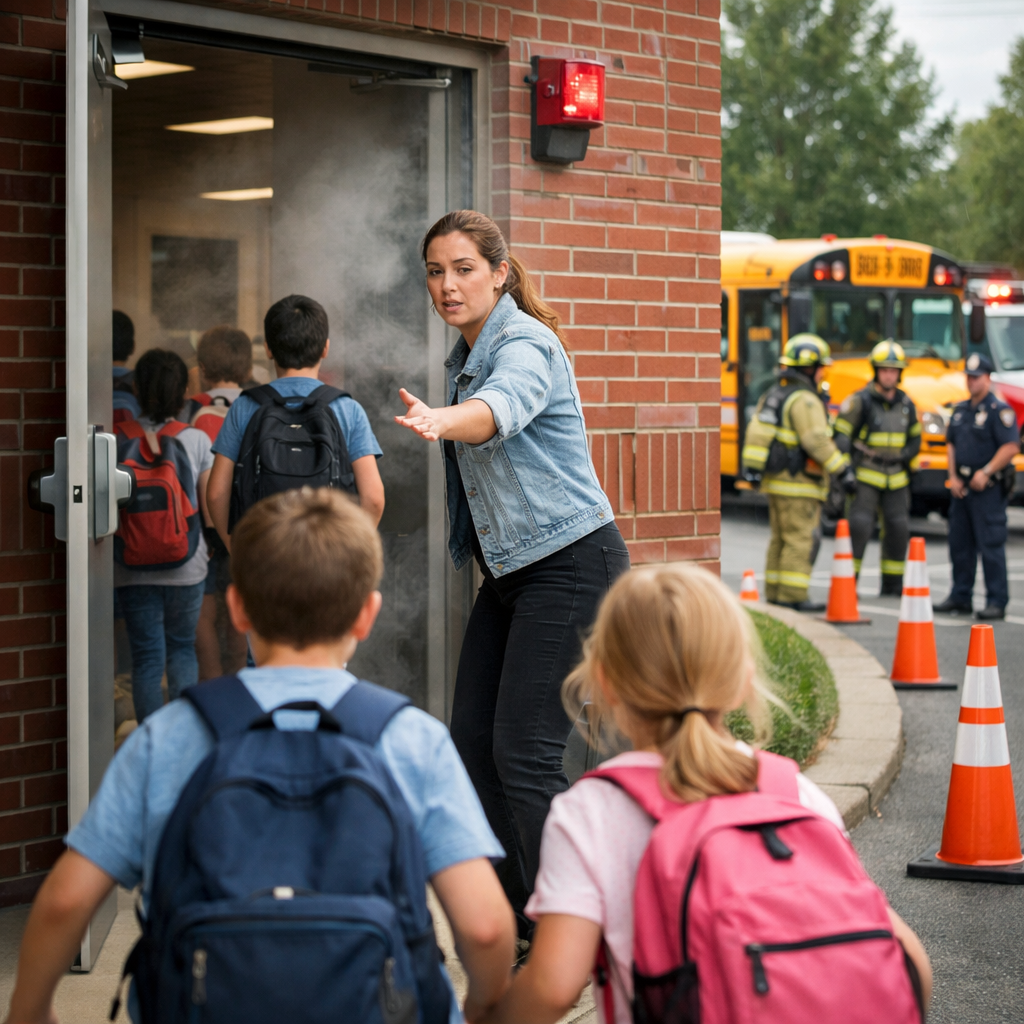
Common situations that may lead to evacuation
- Fire or smoke in the building
- Smell of gas or another unknown odour
- Chemical spill in a lab, shop, or storage area
- Structural concern such as damage or flooding
- Direction from school staff or emergency responders
In some cases, a class may be sent to a secondary site rather than remaining near the school. Students should always follow local school procedures because layouts, hazards, and assembly areas differ from one building to another.
School emergency evacuation steps every student should know
The best school emergency evacuation response is calm, immediate, and consistent. You do not need to be a safety expert. You only need to know the basic steps and take them seriously every time.
When the alarm or instruction starts
Stop what you are doing right away. Leave materials behind unless a teacher gives a specific instruction. Do not go back for a phone, backpack, jacket, or lunch. A delay of even a few seconds can create crowding at classroom doors and in hallways.
Walk quickly. Do not run, shove, or joke around. Stay quiet enough to hear staff instructions. If visibility is poor or a hallway is blocked, a teacher may redirect the class to an alternate exit. This is one reason drills matter: your first route may not always be available.
While leaving the building
- Follow your teacher, supervisor, or designated staff member
- Use the assigned route unless told to change
- Stay with your class or group
- Keep hallways, stairwells, and exits moving
- Never use an elevator during a fire-related evacuation unless trained staff direct otherwise
- Help maintain space for students or staff who need accessibility support
Some students may have individual accommodation plans during a school emergency evacuation. Respect those arrangements and do not interfere with trained staff who are assisting. Accessibility planning is an important part of school safety and should be practised just like any other drill.
Once outside
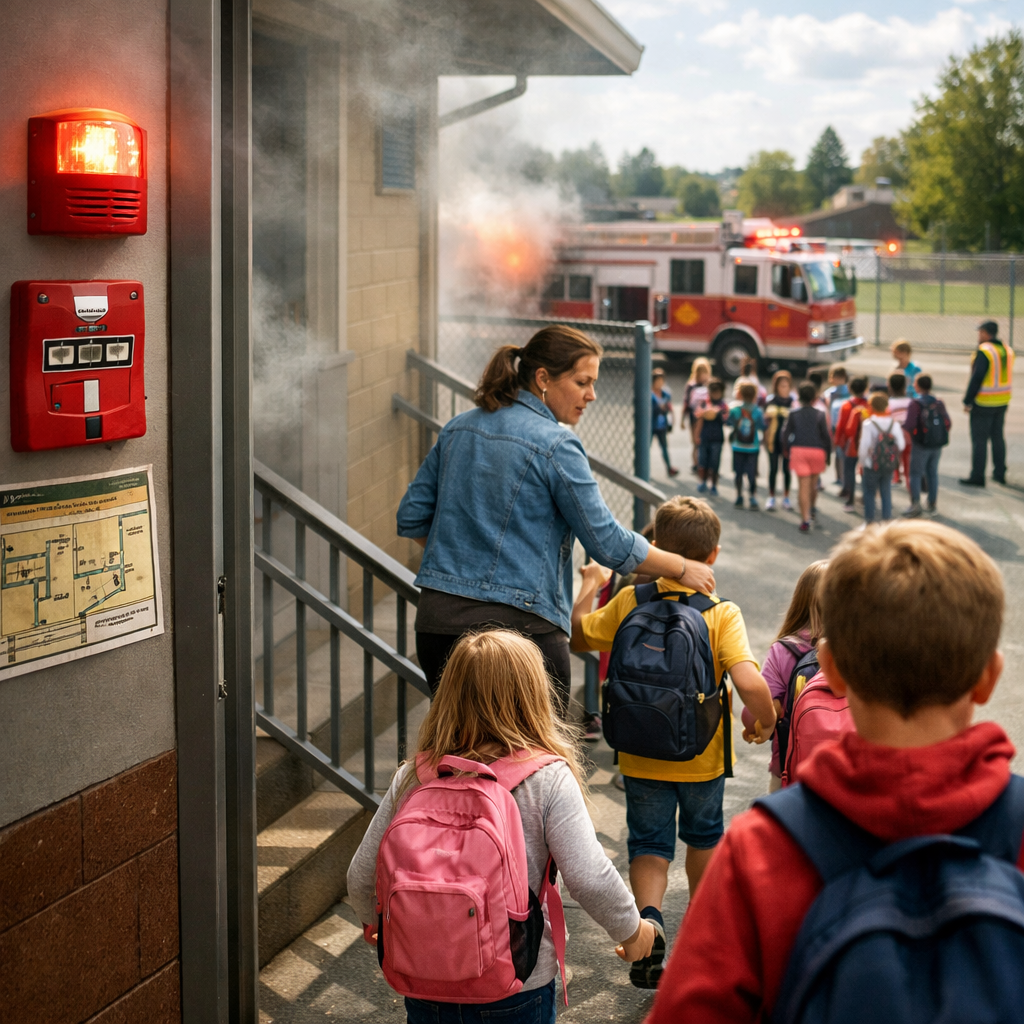
Go directly to the assembly area and remain there. Your teacher will likely take attendance or verify who is present. This accountability step is critical. If students wander off, hide behind the building, or leave campus without permission, staff and emergency responders may think someone is still inside.
Do not re-enter the school until an authorized person says it is safe. Even if the alarm stops, the hazard may not be fully controlled. In winter, this can be uncomfortable, but staying together and waiting for instructions is part of a safe evacuation.
Practical student habits that improve school emergency evacuation safety
Students can strengthen school emergency evacuation safety long before a real emergency occurs. Small habits make a real difference during a drill or actual event.
Know your exits and meeting area
At the start of each semester, learn the primary exit from each classroom you use often. Also note an alternate route in case the first one is blocked. If your school changes classrooms, labs, shops, portables, or gyms during the day, take a few moments to check where the nearest safe exits are in each area.
Keep routes clear
Backpacks, sports equipment, musical cases, and chairs should not block aisles or doors. This reflects a basic safety principle used in schools and workplaces alike: reduce hazards before they cause an incident. In occupational health and safety terms, this connects with the Hierarchy of Controls by removing or reducing obstacles that could slow an evacuation.
Take drills seriously
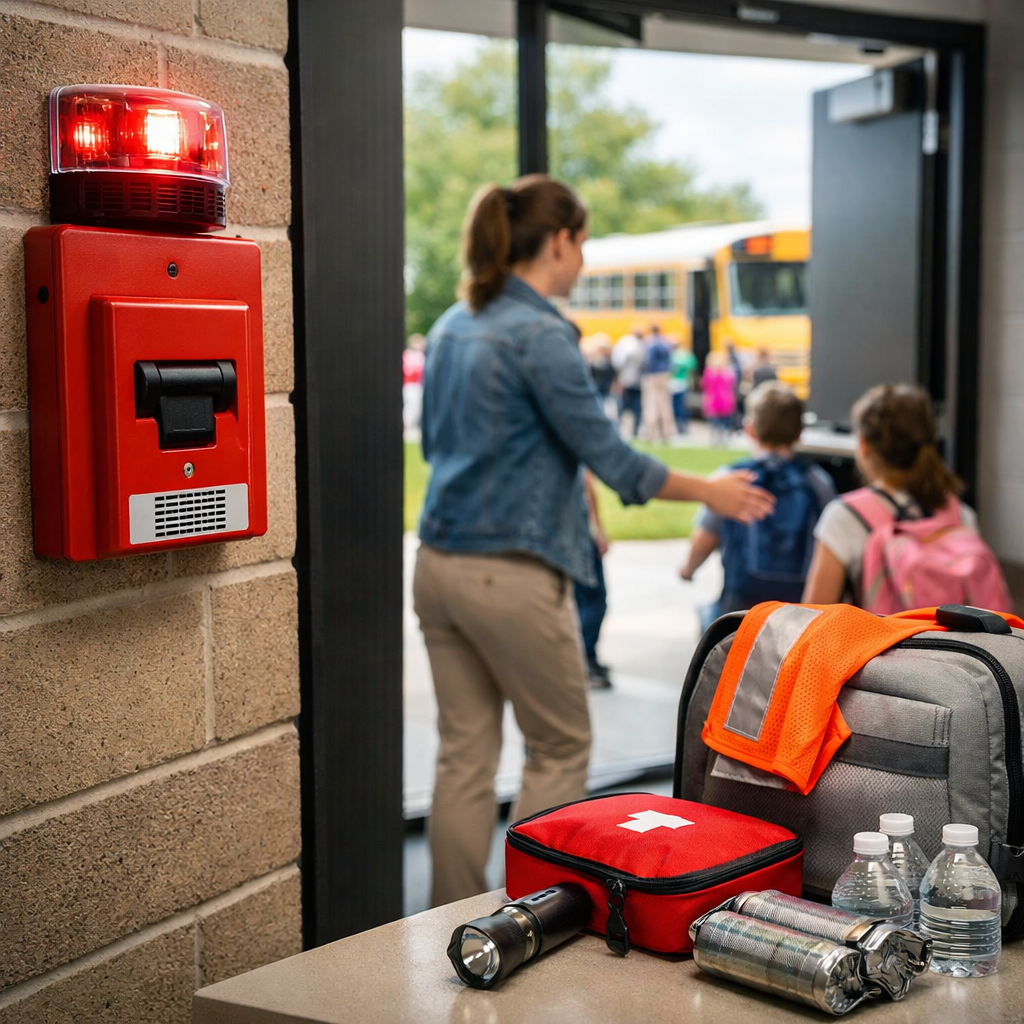
Drills are practice for real conditions. Treat each one like it matters. If you laugh, linger, or ignore instructions, you create risk for others. If you are a student leader, athlete, club member, co-op student, or part-time worker, your example can influence younger students and classmates.
Speak up about hazards
If you notice a wedged fire door, blocked exit, damaged alarm pull station, chemical smell, or unsafe clutter in a hallway, tell a staff member right away. Prevention is a major part of school safety. Reporting concerns early can stop a small issue from becoming an emergency.
Students interested in broader safety awareness can explore training and resources through learn.ohse.ca and related guidance from Parachute for injury prevention topics.
A short school emergency evacuation checklist for students and families
A simple checklist can help students remember what matters most during a school emergency evacuation. Families can review these points at home, especially at the start of the school year.
- Know your classroom exits and one alternate route
- Listen immediately when an alarm or staff instruction begins
- Leave belongings behind unless told otherwise
- Walk quickly, stay calm, and keep with your class
- Go straight to the assembly area
- Wait for attendance and further instructions
- Never re-enter until authorized staff say it is safe
- Report blocked exits or other hazards when you see them
Quick reference table
| Situation | What students should do | What to avoid |
|---|---|---|
| Alarm sounds during class | Follow the teacher and exit promptly | Collecting personal items |
| Exit route is blocked | Use the alternate route directed by staff | Forcing through a congested area |
| Outside at assembly area | Stay with the class for attendance | Leaving to call or text friends |
| You notice a hazard before a drill | Report it to school staff | Ignoring it or assuming someone else will report it |
For parents and guardians, it also helps to understand your school board’s communication process and reunification procedures. Local practices vary, so follow your school’s guidance if an evacuation leads to relocation or delayed dismissal.
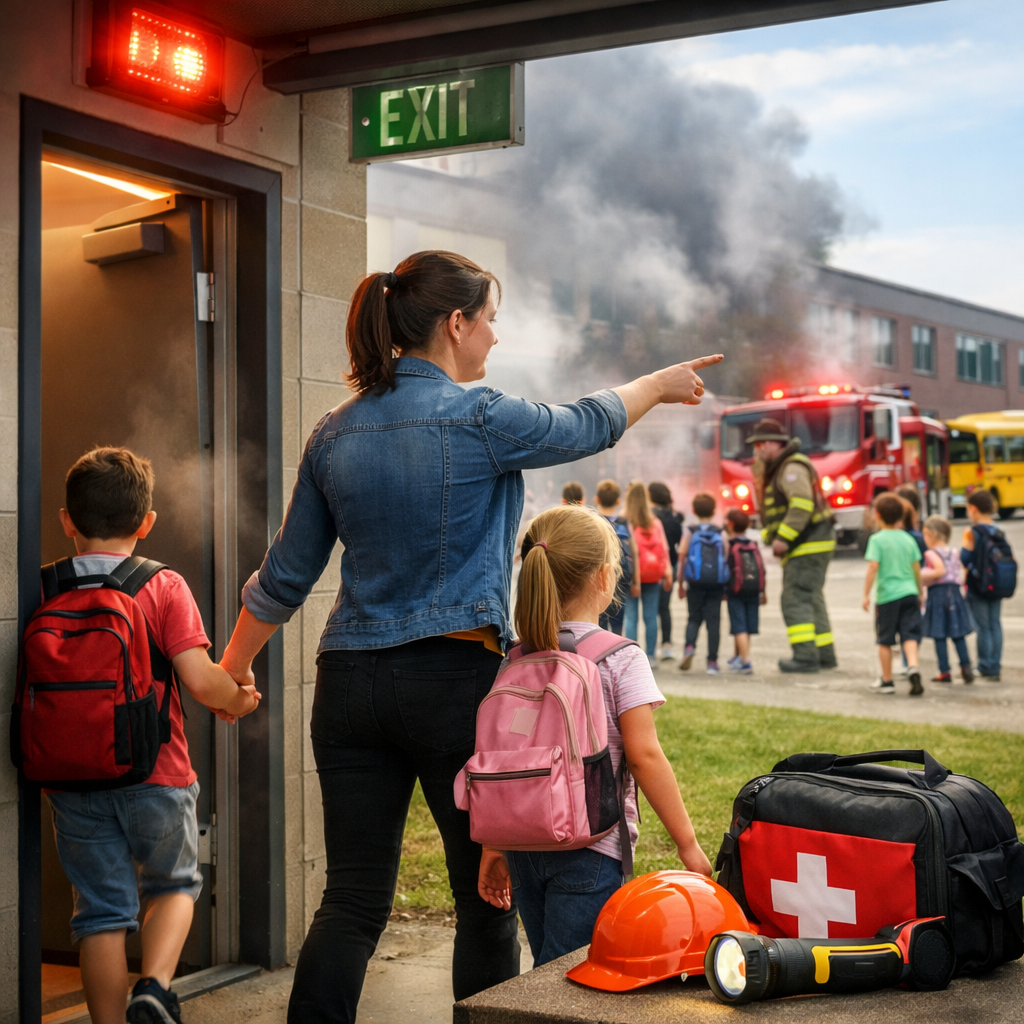
School emergency evacuation planning works best when students, families, and staff all understand the basics. Know your exits, stay calm, move quickly, and follow instructions the first time. Those simple actions can make a stressful situation more controlled and much safer for everyone. By treating every school emergency evacuation drill as meaningful practice, students build habits that protect themselves and the people around them.