


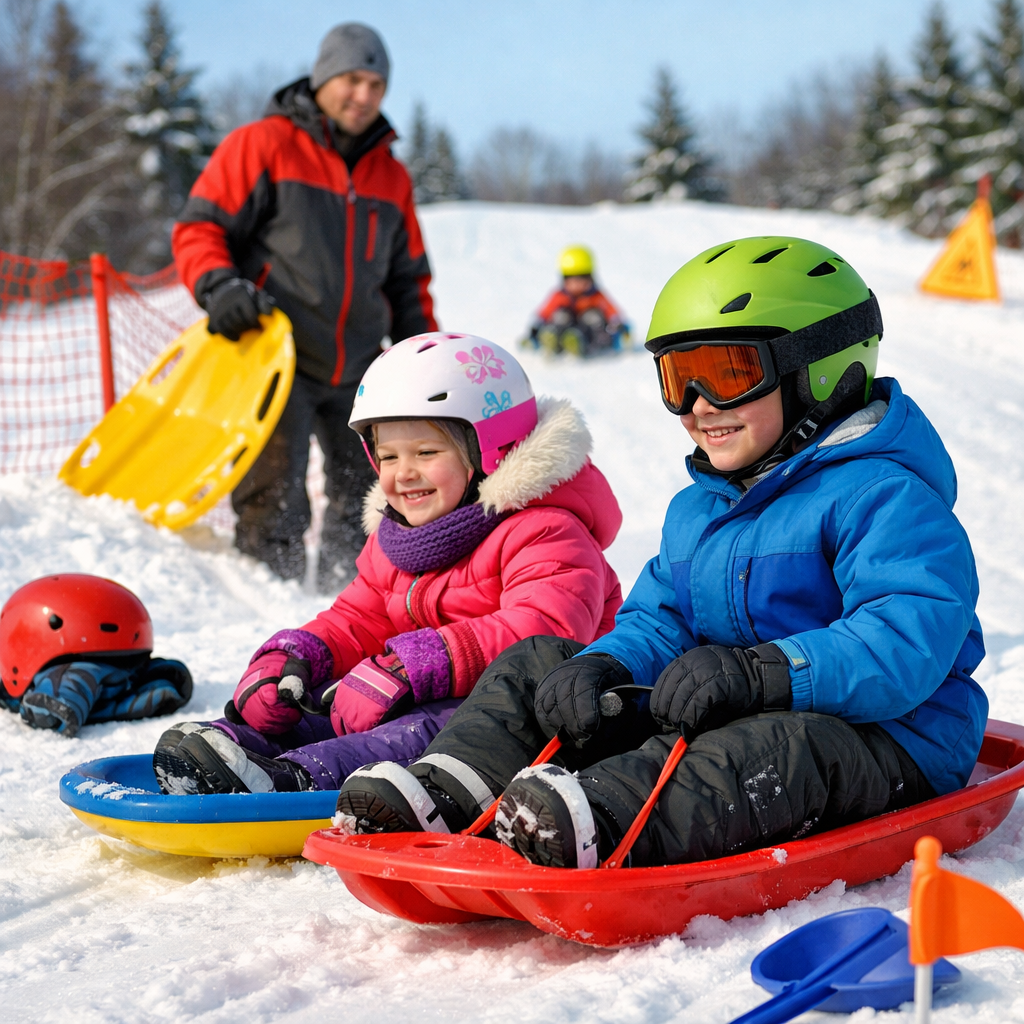

Sledding safety for kids starts before anyone steps onto the snow. A fun afternoon can change quickly if the hill is too steep, the sled is damaged, or children are riding without close adult supervision.
For Canadian families, schools, and community groups, a few simple decisions make a big difference. Choosing a safe hill, using the right helmet, setting clear rules, and watching children closely can help prevent crashes, cold-related problems, and risky behaviour.
This practical guide explains how to plan a safer sledding outing, what to look for in a hill, when helmets matter, and how adults can supervise effectively. It is written for parents, caregivers, educators, and anyone responsible for winter activities involving children.
Why sledding safety for kids matters
Sledding feels simple, but it involves speed, changing snow conditions, limited steering, and hard objects like trees, fences, benches, and parked vehicles. Even a familiar neighbourhood hill can become hazardous after freezing rain, heavy use, or poor visibility.
Children may also have trouble judging distance, stopping in time, or spotting hazards at the bottom of the slope. Younger kids can get excited, forget rules, or walk back up in unsafe areas unless an adult guides them closely.
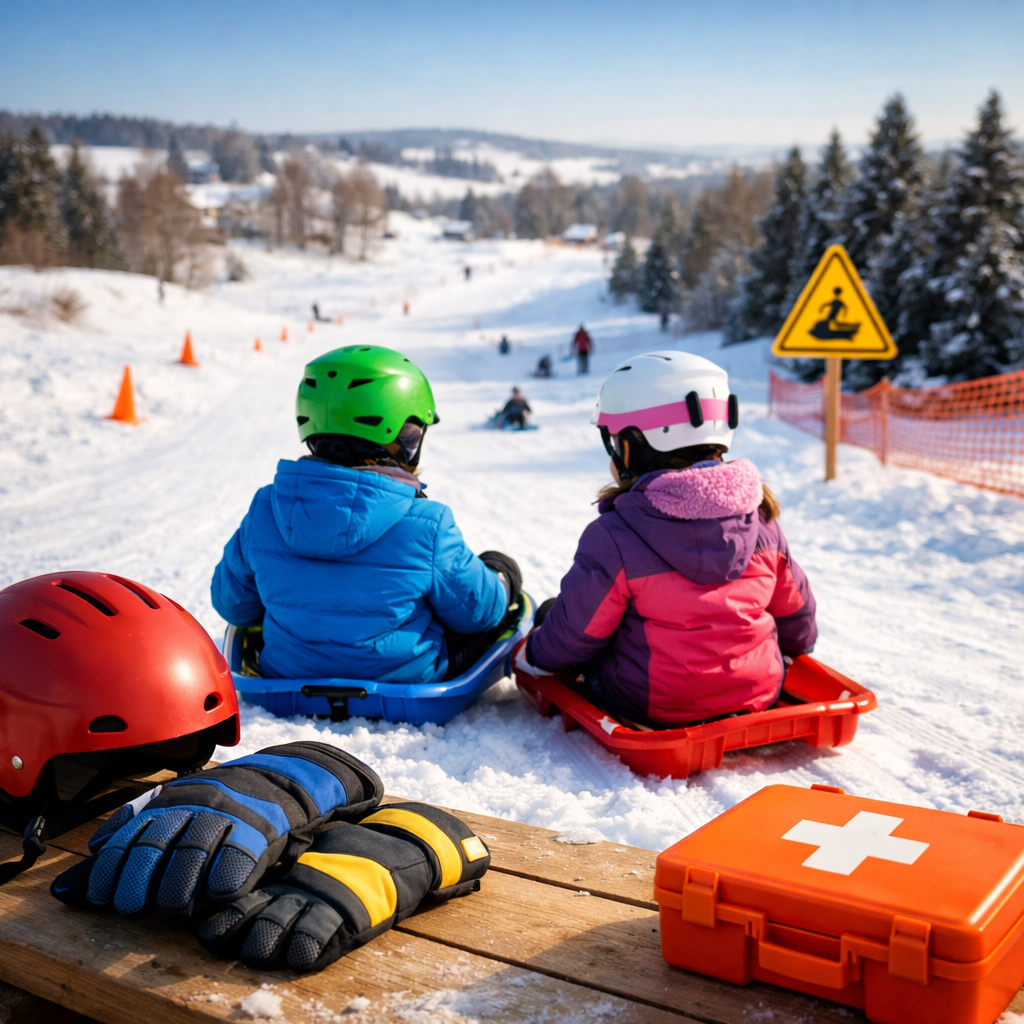
From a prevention point of view, the safest approach is to remove or reduce hazards before riding starts. This lines up with the same practical thinking used in schools and workplaces: identify the danger, control the risk, and monitor the activity. Families looking for broader health and safety resources can also visit OHSE.ca.
Choose the right hill for sledding safety for kids
Look at the run, not just the slope
A good sledding hill has a gentle to moderate slope, a long open runout, and plenty of room to stop safely. The bottom should flatten out instead of ending near a road, creek, parking lot, retaining wall, or wooded area.
Avoid hills that direct riders toward traffic, snowbanks hiding obstacles, frozen ponds, or areas shared with skaters, walkers, or snowmobiles. If children cannot stop well before a hazard, the hill is not a good choice.
Check snow and weather conditions
Snow conditions can change through the day. Packed snow may become icy and much faster, while fresh snow can hide rocks, stumps, and uneven ground. Before children start, walk the hill and inspect the full route from top to bottom.
Visibility matters too. Dusk, blowing snow, and flat light can make it hard for both riders and supervisors to see hazards clearly. If conditions reduce visibility or control, postpone the activity.
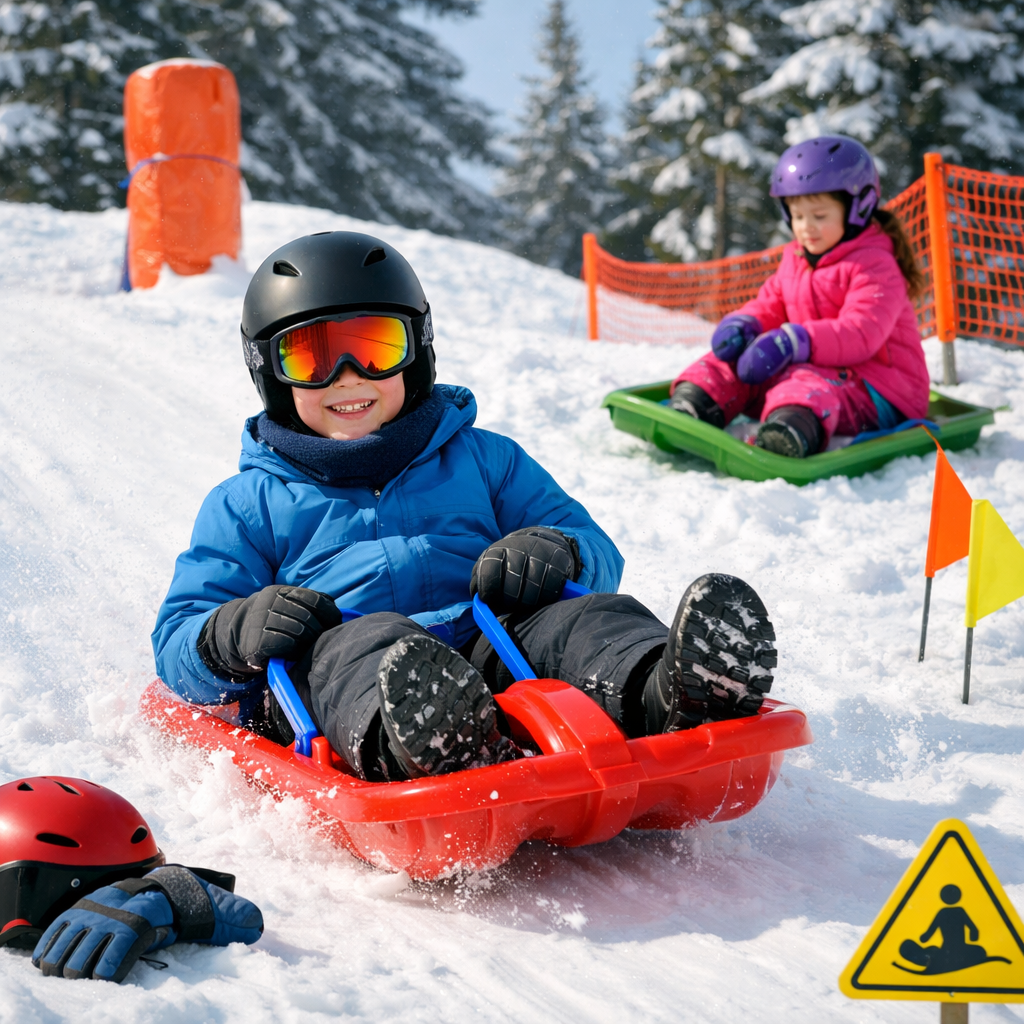
Separate climbing and riding areas
One common risk is collision between riders coming down and children walking back up. The safest setup has a clear path for climbing on one side and a separate descent path for sleds. Adults should point this out early and remind children to follow it every time.
- Choose a hill away from roads, water, trees, poles, and fences.
- Inspect for ice, exposed rocks, debris, and hidden obstacles.
- Make sure the hill has a wide, open stopping area.
- Use a separate walking path up the hill.
- Stop the activity if the hill becomes crowded or visibility drops.
Helmet, clothing, and equipment tips
Use a proper helmet for sledding safety for kids
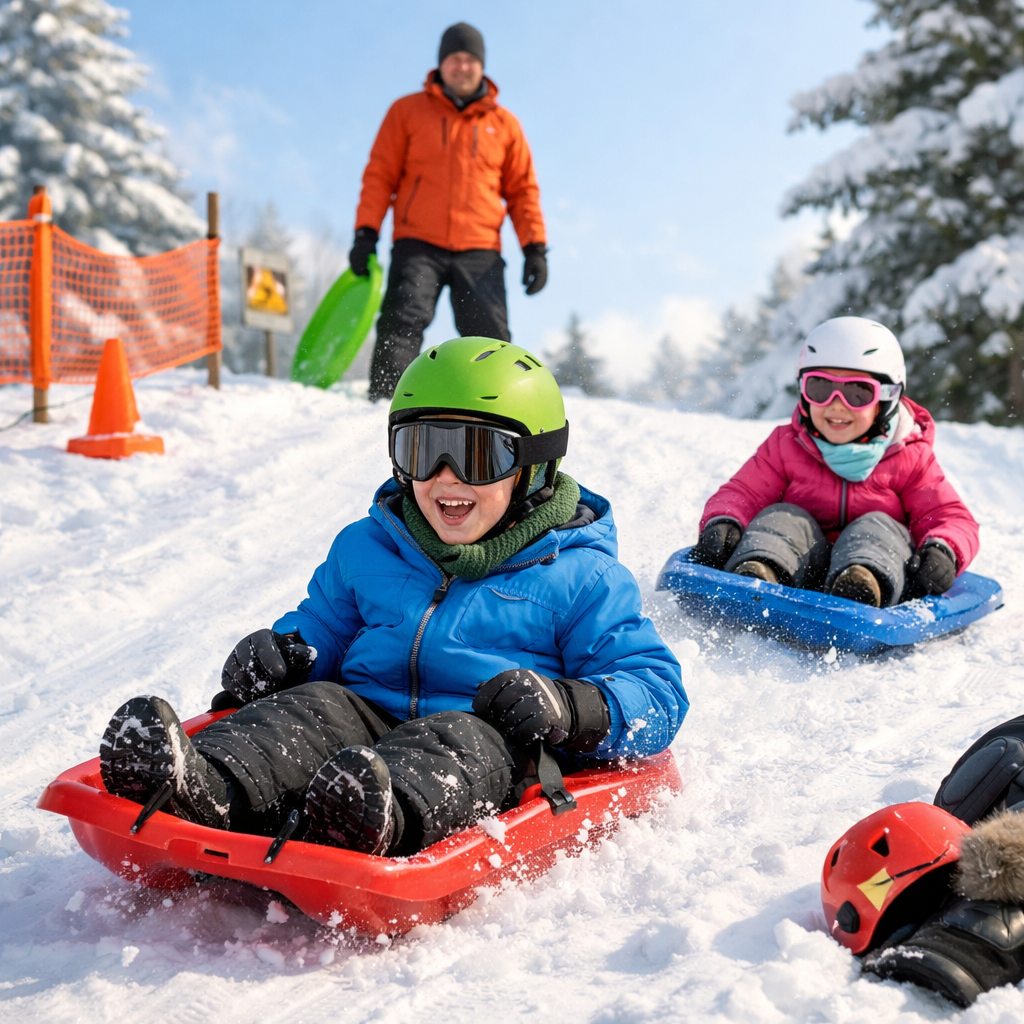
When parents think about sledding safety for kids, a helmet is often one of the first questions. A well-fitted winter sport or other activity-appropriate helmet in good condition can help reduce injury risk during a fall or collision. Follow the helmet manufacturer’s instructions for fit, care, temperature use, and replacement.
The helmet should sit level on the head, fit snugly, and stay in place with the chin strap fastened. A helmet that tips back, slides over the eyes, or sits loosely will not provide the intended protection.
For broader injury prevention guidance, families can review resources from Parachute and public health information from Health Canada.
Dress for warmth and movement
Cold stress can affect attention, comfort, and decision-making. Dress children in warm layers that allow movement, with mittens or gloves, winter boots, and clothing that stays dry. Scarves, drawstrings, or loose items that can catch on equipment should be avoided.
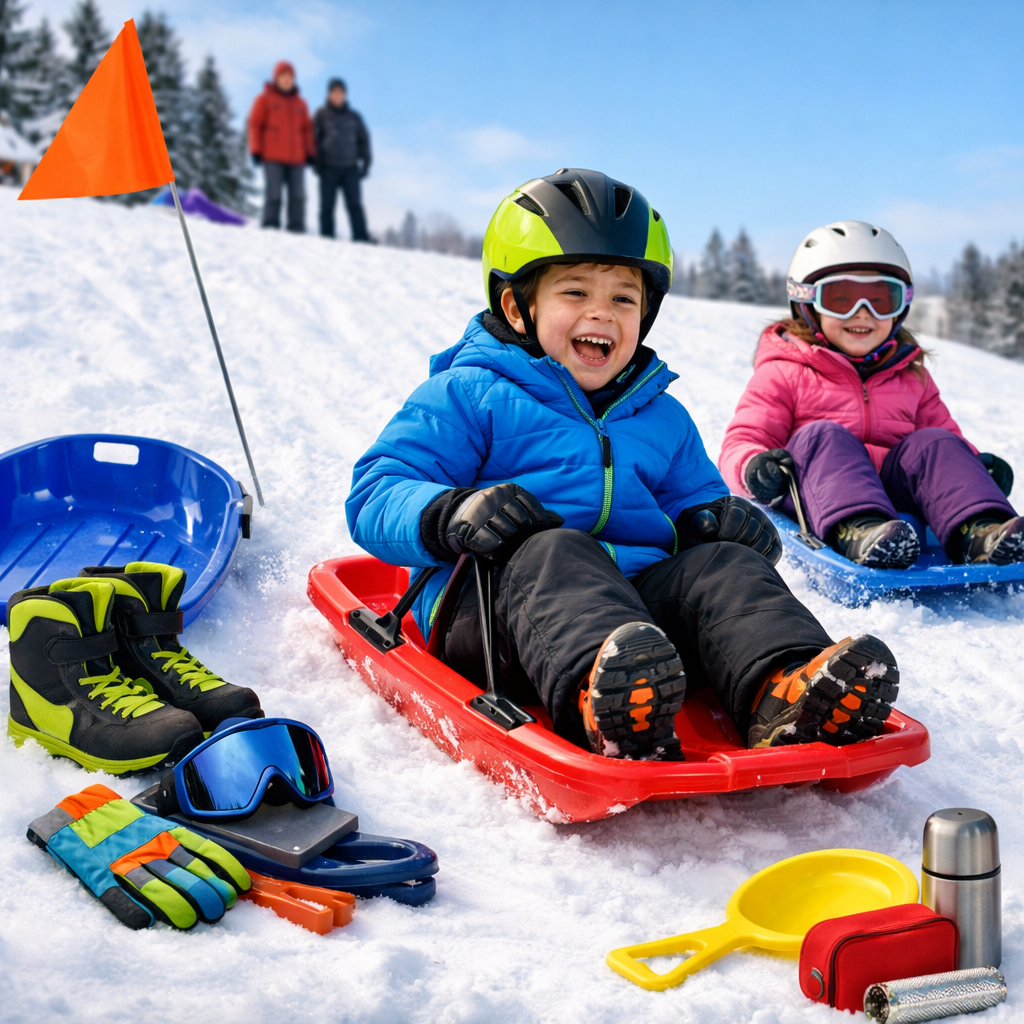
If clothing becomes wet, children should warm up and change before returning outside. Wind, dampness, and long exposure can make a short outing unsafe surprisingly quickly.
Inspect the sled before use
Use a sled that is in good condition, appropriate for the child’s size, and designed for snow use. Cracked plastic, sharp edges, broken handles, and damaged steering parts can create avoidable risks.
Inflatable devices, makeshift equipment, or items not designed for sledding can behave unpredictably. Keep the setup simple and reliable. If a school or organization is planning winter activity programming, health and safety training through OHSE training resources may also support better supervision practices.
Supervision rules that make sledding safety for kids practical
Match supervision to age and hill conditions
Younger children need close, active supervision, not just occasional observation from a distance. Adults should stand where they can see both the top and bottom of the hill, help manage turns, and stop unsafe play immediately.
Older children may need less hands-on help, but they still benefit from clear rules, especially on busy hills or in mixed-age groups. Schools, daycares, and camps should use supervision levels that reflect the age of participants, hill layout, and weather conditions.
Set simple rules before the first run
Children are more likely to follow expectations when the rules are short and repeated clearly. Focus on behaviours that prevent the most common incidents: collisions, crowding, poor visibility, and risky stunts.
- Wait until the path is clear before starting.
- Ride feet first unless the sled manufacturer says otherwise.
- Move away from the bottom of the hill right away.
- Walk up using the designated side path.
- No pushing, rough play, or linking sleds together unless the equipment specifically allows it.
- Stop if an adult calls for a pause.
Use a simple prevention approach
A practical way to think about sledding safety for kids is to use a basic hierarchy of controls. First, eliminate hazards by avoiding dangerous hills. Next, reduce exposure by separating traffic flow and limiting crowding. Then use equipment and administrative controls such as helmets, rules, and active supervision.
This prevention mindset is common in occupational health and safety and is useful at home, at school, and in recreation settings. Ontario families and educators can also check general safety information at Ontario.ca and workplace-style hazard awareness resources at CCOHS.
Quick checklist for a safer sledding day
Use this short checklist before heading out. It helps turn sledding safety for kids into a repeatable routine rather than a last-minute decision.
| Check | What to confirm |
|---|---|
| Hill | Open area, safe runout, no roads, water, trees, poles, or hidden obstacles |
| Conditions | Good visibility, manageable snow surface, no dangerous ice patches |
| Helmet | Fits properly, chin strap secure, used according to manufacturer guidance |
| Clothing | Warm layers, dry gloves or mittens, winter boots, no loose drawstrings |
| Sled | Good condition, suitable size, no cracks or sharp edges |
| Supervision | Adult can see the hill clearly, rules reviewed, climbing path separated |
If a child seems tired, cold, upset, or unable to follow directions, take a break. If a collision, hard fall, or head impact occurs, stop the activity and follow local school, manufacturer, emergency, or medical guidance as appropriate.
In the end, sledding safety for kids is about thoughtful choices: a safer hill, a properly fitted helmet, reliable equipment, and steady adult supervision. With calm planning and clear rules, families and schools can keep winter fun enjoyable while reducing unnecessary risk.