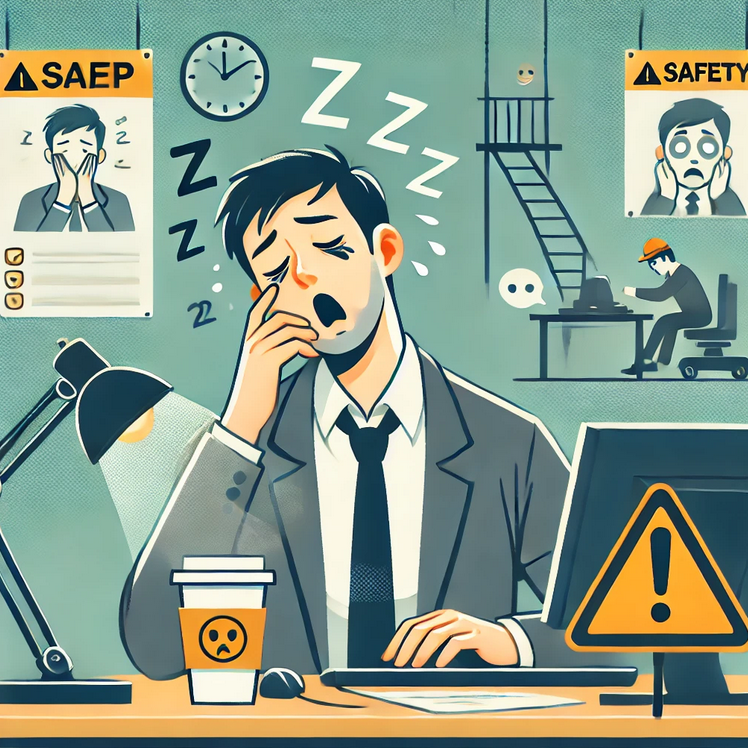
Recognizing Signs and Addressing Risks
Sleep deprivation is a growing concern in modern workplaces, affecting employees’ productivity, decision-making, and overall safety. Insufficient sleep leads to reduced cognitive function, increased accident risks, and long-term health problems.

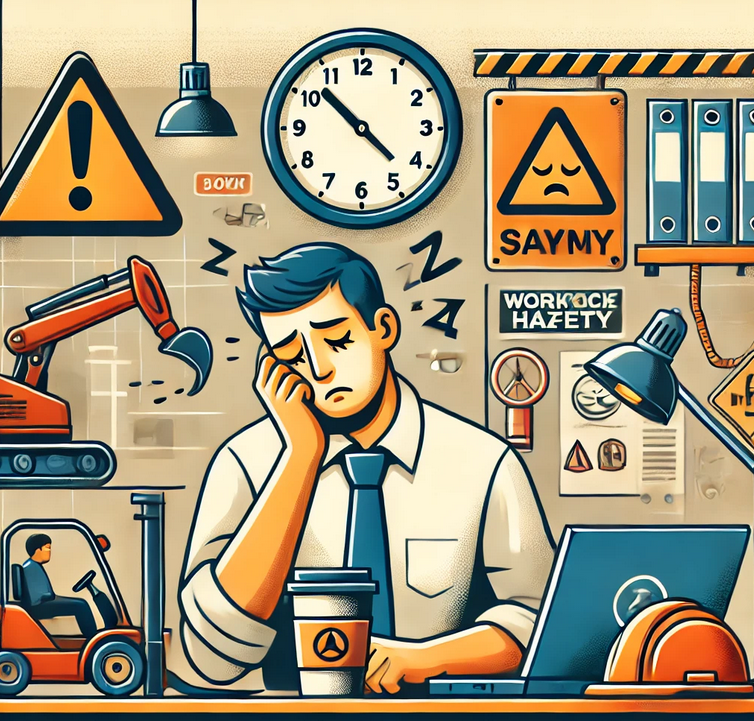
Understanding the dangers of sleep deprivation and implementing strategies to mitigate its impact is crucial for workplace safety and employee well-being.
Understanding Sleep Deprivation
Sleep deprivation occurs when an individual consistently fails to get adequate sleep, typically less than the recommended 7-9 hours per night for adults.
It can be caused by work-related stress, irregular shift patterns, excessive workloads, or lifestyle factors such as poor sleep hygiene and medical conditions like insomnia or sleep apnea.
How Sleep Deprivation Affects the Workplace
Lack of sleep affects various cognitive and physical functions, leading to:
- Reduced concentration and reaction time – Increasing the likelihood of accidents.
- Impaired decision-making – Leading to errors and misjudgments.
- Memory issues – Affecting the ability to recall procedures and safety protocols.
- Increased stress and irritability – Contributing to workplace conflicts.
- Weakened immune system – Leading to more sick days and decreased productivity.
- Higher risk of chronic illnesses – Long-term sleep deprivation can contribute to heart disease, diabetes, and obesity.
- Reduced workplace morale – Tired employees tend to feel less engaged and motivated at work.
Recognizing Signs of Sleep Deprivation in Employees
Employers and managers should be aware of common signs of sleep deprivation, including:
- Frequent yawning and drowsiness during work hours.
- Difficulty focusing on tasks and frequent errors.
- Slow reaction times and poor coordination.
- Mood swings, irritability, or increased emotional responses.
- Increased absenteeism and decreased overall job performance.
- Complaints of headaches, blurred vision, or dizziness.
- Difficulty following instructions or recalling important details.
The Link Between Sleep Deprivation and Workplace Accidents
Sleep deprivation has been linked to some of the most catastrophic workplace accidents in history, including the Chernobyl disaster, the Exxon Valdez oil spill, and major transportation accidents.
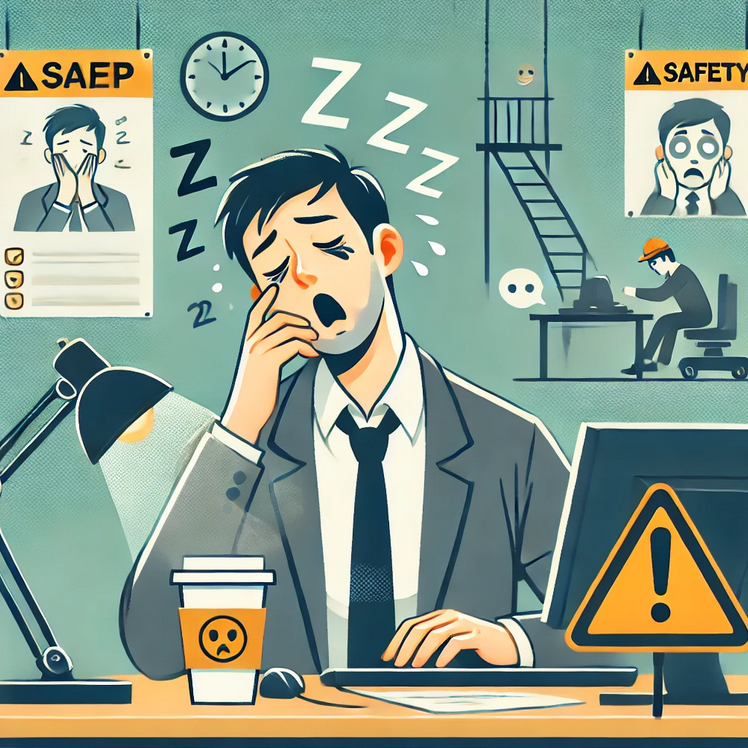
Workers operating heavy machinery, driving vehicles, or handling hazardous materials are especially vulnerable when they are sleep-deprived, making fatigue management a critical component of workplace safety.
Industries Most Affected
Certain industries are particularly prone to sleep deprivation risks:
- Healthcare – Long shifts and overnight duty affect doctors, nurses, and emergency responders.
- Transportation – Truck drivers, pilots, and train operators face high fatigue risks.
- Manufacturing and Construction – Workers handling heavy equipment and machinery require full alertness.
- Shift Work Sectors – Security personnel, call center agents, and retail workers often struggle with irregular sleep patterns.
- Emergency Services – Police officers, firefighters, and paramedics often experience chronic sleep deprivation due to demanding work hours.
- Corporate and IT Sector – Long hours in front of screens and high workloads contribute to poor sleep quality.
Strategies to Address Sleep Deprivation in the Workplace
Employers must take proactive steps to minimize the impact of sleep deprivation on workplace safety. Effective strategies include:
1. Implementing Fatigue Management Programs
- Educate employees on the importance of sleep and proper rest schedules.
- Introduce mandatory rest breaks and limit excessive overtime.
- Encourage employees to report fatigue-related concerns.
- Establish clear policies to prevent overwork and burnout.
2. Promoting Healthy Sleep Habits
- Provide resources on sleep hygiene, including maintaining a consistent sleep schedule and avoiding caffeine before bedtime.
- Encourage employees to create a restful sleep environment by reducing noise and screen exposure.
- Provide access to relaxation and mindfulness programs to improve sleep quality.
3. Adjusting Work Schedules for Better Sleep
- Rotate shifts fairly to allow employees sufficient recovery time.
- Avoid scheduling consecutive night shifts whenever possible.
- Allow flexible work arrangements when feasible.
- Implement workplace napping areas for employees working long shifts.
4. Using Technology to Monitor Fatigue
- Implement wearables or alertness tracking tools to monitor fatigue levels.
- Utilize AI-driven scheduling software to optimize shift patterns.
- Conduct periodic health and wellness assessments.
- Use fatigue detection systems in industries such as transportation and manufacturing.
5. Encouraging a Culture of Safety and Support
- Foster an open workplace environment where employees feel comfortable discussing fatigue-related issues.
- Train supervisors to recognize signs of sleep deprivation and take appropriate action.
- Offer access to employee wellness programs, including mental health support.
- Provide incentives for employees who follow good sleep and wellness practices.
Legal and Compliance Aspects
Many workplace safety regulations emphasize the need for fatigue management:
- Occupational Safety and Health Administration (OSHA) mandates safe working hours to prevent fatigue-related accidents.
- International Labour Organization (ILO) provides guidelines on shift work and employee rest periods.
- Transport and aviation regulations require strict adherence to rest periods to reduce sleep-related incidents.
- Employers should regularly review legal requirements and ensure compliance with workplace safety policies.
Conclusion
Sleep deprivation poses significant risks to workplace safety, leading to decreased productivity, impaired decision-making, and increased accident rates. By recognizing the signs of sleep deprivation and implementing effective fatigue management strategies, employers can create a safer and healthier work environment.
Prioritizing employee well-being benefits not only individuals but also enhances overall workplace efficiency and safety.
Addressing sleep deprivation through awareness, proactive scheduling, and workplace wellness programs can lead to long-term success in improving occupational health and safety.