


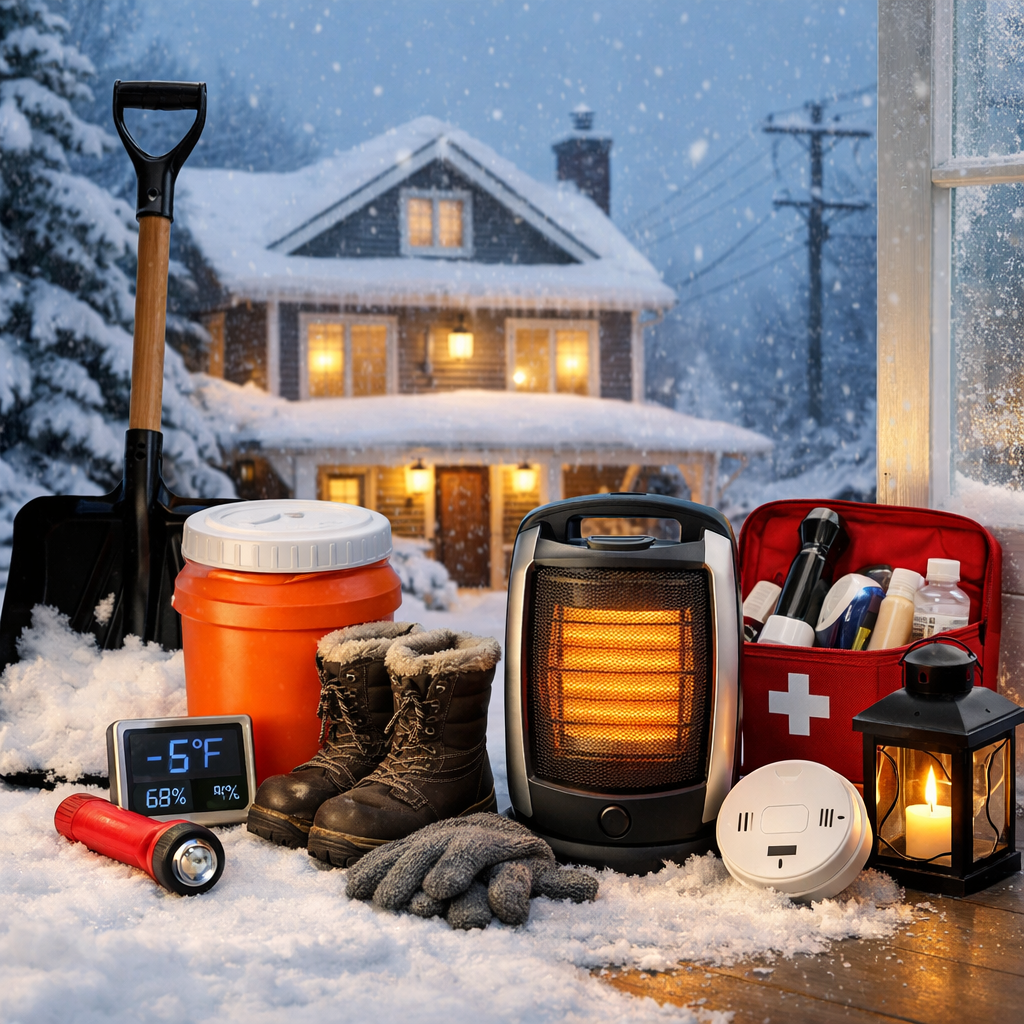

Snow day home safety starts with a simple goal: keep children warm, supervised, and protected from common household risks while regular school routines are disrupted.
For many Canadian families, a snow day brings excitement, but it also changes the pace of the day in ways that can increase hazards. Children may spend more time online, use kitchen appliances, play outdoors in cold conditions, or stay home with older siblings instead of parents. A practical plan helps reduce risks without taking the fun out of the day.
This guide offers calm, prevention-focused advice for parents, caregivers, and older students in Ontario and across Canada. It covers indoor safety, outdoor winter precautions, emergency readiness, and a short checklist you can use before the school day would normally begin. For more general workplace and family safety information, visit OHSE.ca.
Build a Snow Day Home Safety Plan Before the Morning Starts
A snow day often begins with a rushed decision: who is home, who is working remotely, and who is responsible for younger children. The safest approach is to confirm the plan early and make sure every child understands the basic rules for the day.
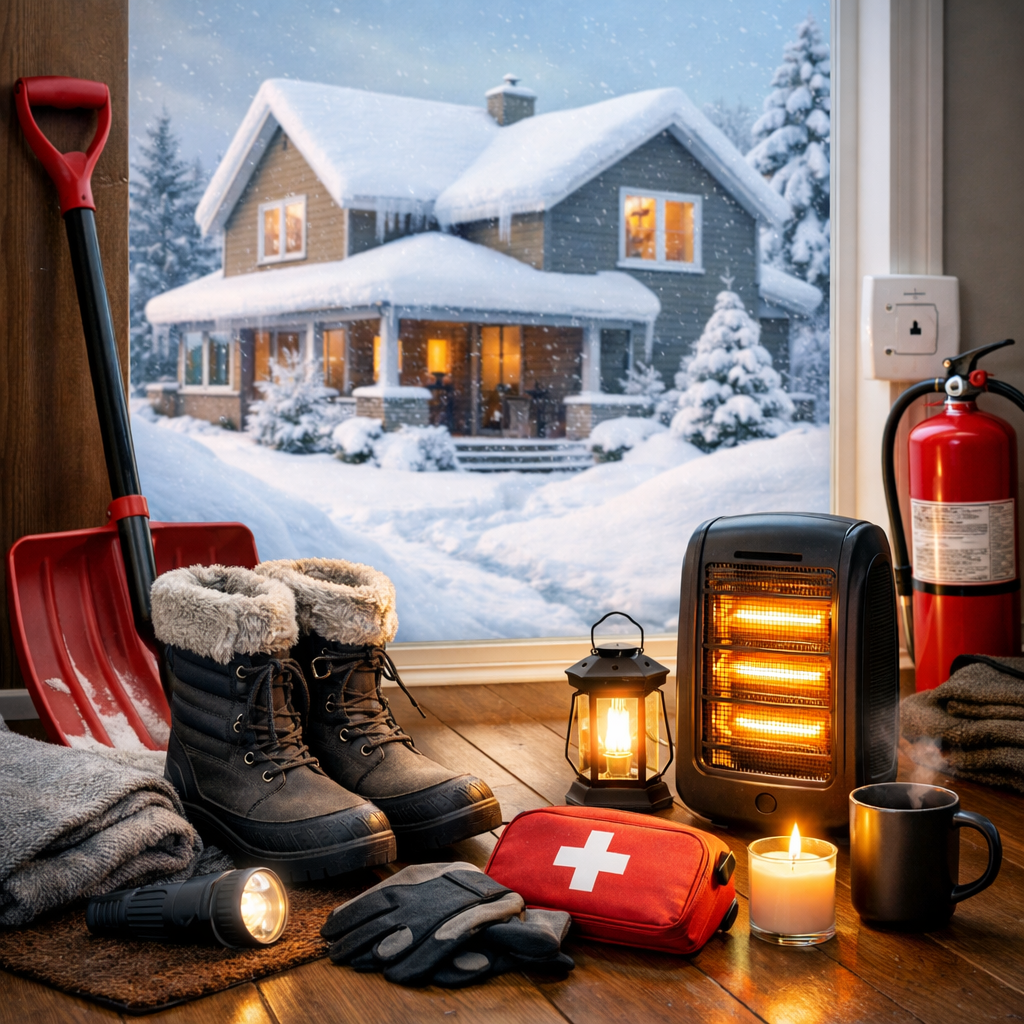
If children are old enough to stay home, set clear expectations about where they can be, what activities are allowed, and how often they should check in. Younger children need active supervision, especially around stairs, kitchens, bathrooms, pets, cords, and heaters.
Set simple household rules
- Keep doors closed and locked unless an adult says otherwise.
- Do not answer the door without permission.
- Use the stove, toaster oven, candles, or fireplace only with adult approval.
- Stay off balconies, icy steps, and driveways during snow clearing.
- Check in by phone or text at agreed times if an adult is away.
This is also a good time to review emergency contacts, medication instructions, allergies, and any school or care needs. If older teens are supervising younger children, assign duties clearly rather than assuming they will manage everything on their own.
Use a practical home setup
Good snow day home safety also means preparing the physical space. Put snacks and water within easy reach, charge phones, keep flashlights accessible, and place mittens, hats, and dry socks near the entry. If a caregiver must work remotely, create a safe activity area where younger children can be seen and heard.
For Canadian health and safety guidance, families can consult CCOHS and Ontario.ca for broader prevention information relevant to home, school, and winter conditions.
Snow Day Home Safety Indoors: Prevent Falls, Burns, and Electrical Risks
Many snow day injuries happen indoors, not outside. Wet boots, bulky clothing, hot drinks, space heaters, and extra cooking can all create hazards. A few simple controls can make the home much safer.
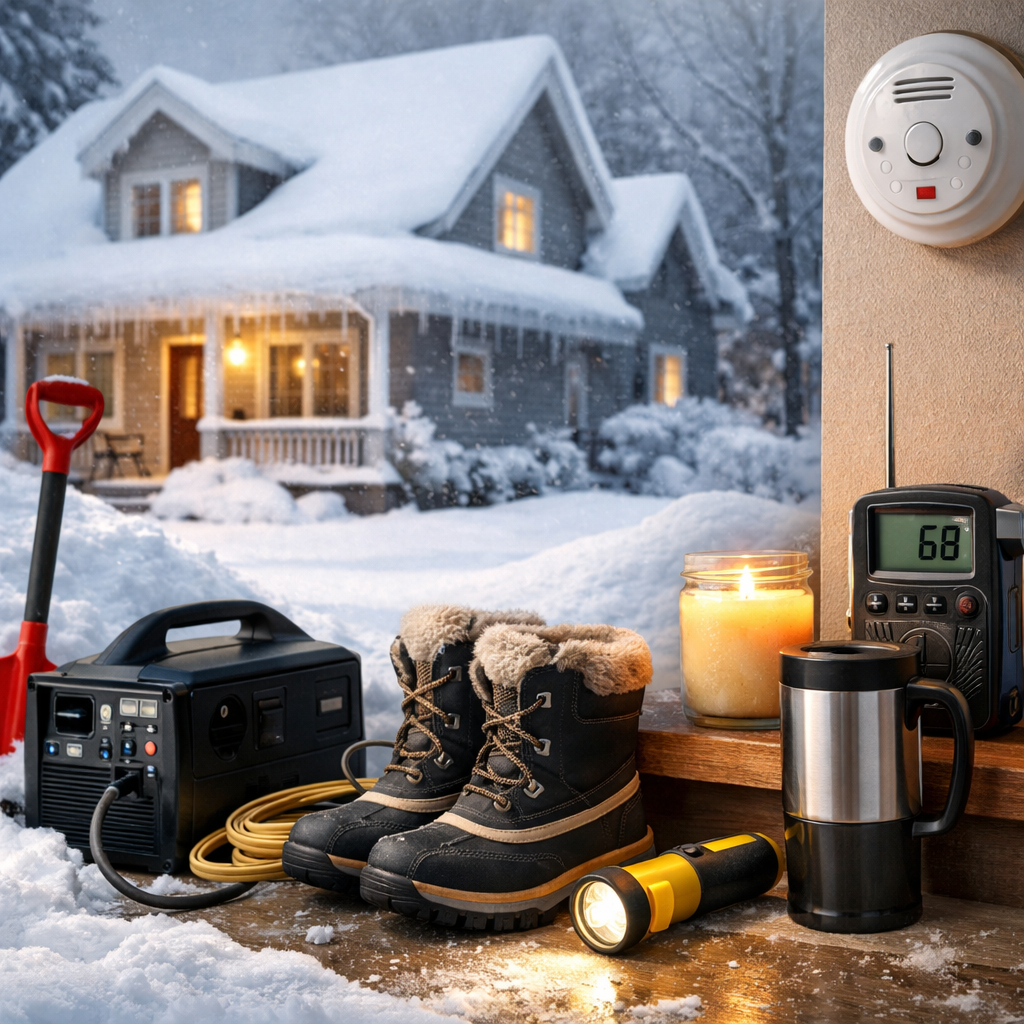
Manage slips and trips at the door
Snow and slush quickly collect at entrances. Use a mat for boots, wipe up puddles promptly, and keep backpacks, sleds, and cords out of walkways. Children running from window to window or racing to the door can easily slip on wet flooring.
On stairs, insist on one free hand for the railing and no carrying oversized loads that block vision. If children are helping with chores, assign tasks that match their age and ability.
Reduce kitchen and heat-related hazards
Snow days often mean hot meals, baking, and warm drinks. Keep pot handles turned inward, avoid overloading counters with appliances, and store sharp tools safely after use. Younger children should not handle boiling liquids or hot pans.
Portable heaters need extra care. Keep them away from curtains, blankets, paper, and play areas, and follow the manufacturer instructions. Never use damaged cords or overloaded power bars. If your home uses a fireplace or wood stove, create a child-free zone around it and supervise closely.
Keep online and screen-time routines safe
Snow day home safety includes digital safety too. Children home from school may spend more time gaming, streaming, or messaging friends. Set boundaries for internet use, remind them not to share personal information, and schedule regular movement breaks to reduce fatigue and distraction.
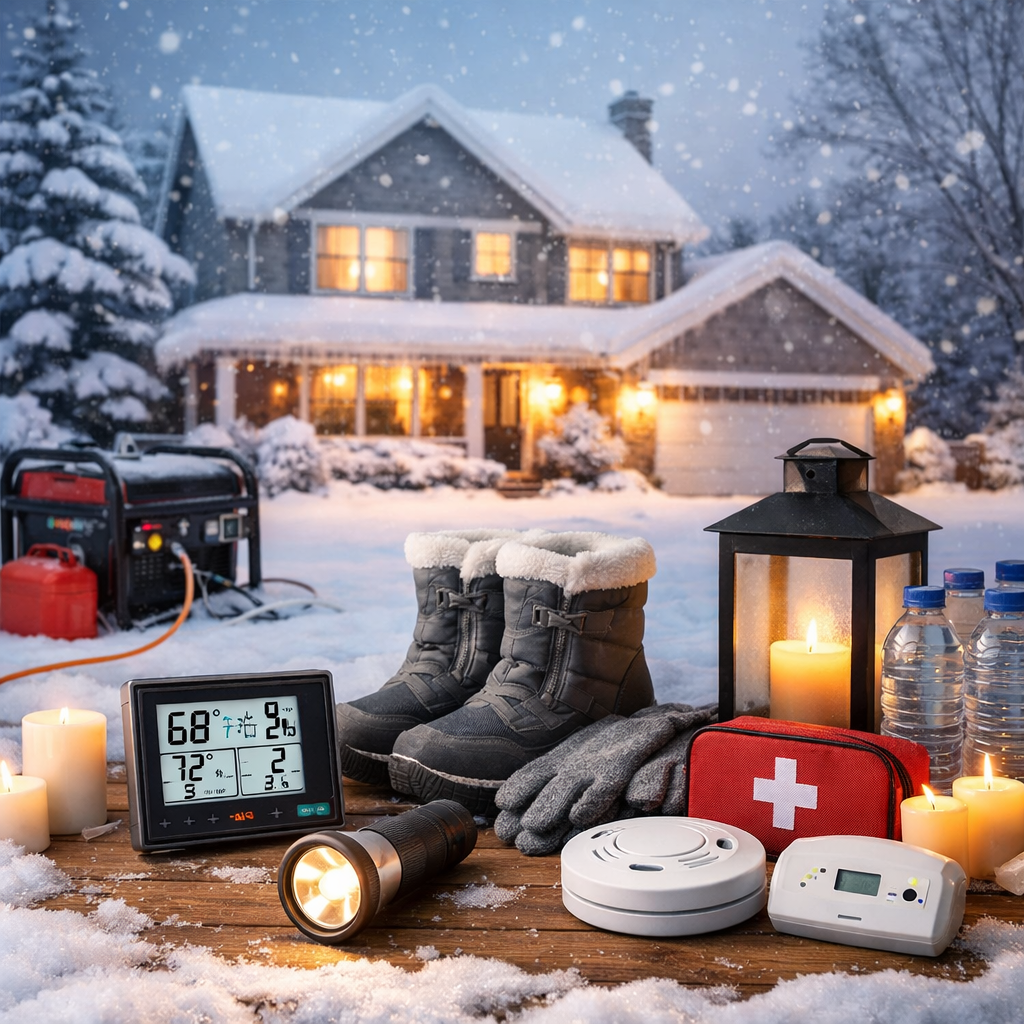
If an older student is also doing part-time remote work or online training, a quiet workstation and regular check-ins help maintain focus and reduce ergonomic strain. Where training is relevant for older students or young workers, families can explore learn.ohse.ca.
| Common Snow Day Hazard | Why It Matters | Practical Control |
|---|---|---|
| Wet entry floors | Can cause slips and falls | Use mats, remove boots, dry puddles quickly |
| Kitchen use | Burns and cuts are more likely with unsupervised cooking | Limit appliance use and supervise hot food preparation |
| Portable heaters | Can cause fire or contact burns | Keep clear space around heaters and inspect cords |
| Power outages | Lighting, heat, and communication may be affected | Charge devices and keep flashlights ready |
| Snow clearing nearby | Children may be near vehicles or shovelling activity | Keep children away from driveways and equipment |
Outdoor Snow Day Home Safety for Play, Cold, and Driveway Risks
Fresh snow is exciting, but outdoor play needs limits and supervision. The biggest winter concerns are cold exposure, hidden obstacles, icy surfaces, road and driveway activity, and unsuitable clothing.
Dress children for the conditions
Layers are usually the safest choice. Children should have a hat, gloves or mittens, insulated footwear, and dry clothing that fits properly. Wet clothes should be changed promptly after outdoor play.
Plan shorter outdoor periods during severe cold or windy weather, and bring children inside regularly to warm up. Watch for signs that a child is becoming too cold, tired, or upset, and follow local guidance if weather conditions worsen.
Control where children play
Choose a play area away from roads, snowbanks near traffic, driveways, and snow removal equipment. Children should never build tunnels in plowed piles or play behind parked vehicles where drivers may not see them.
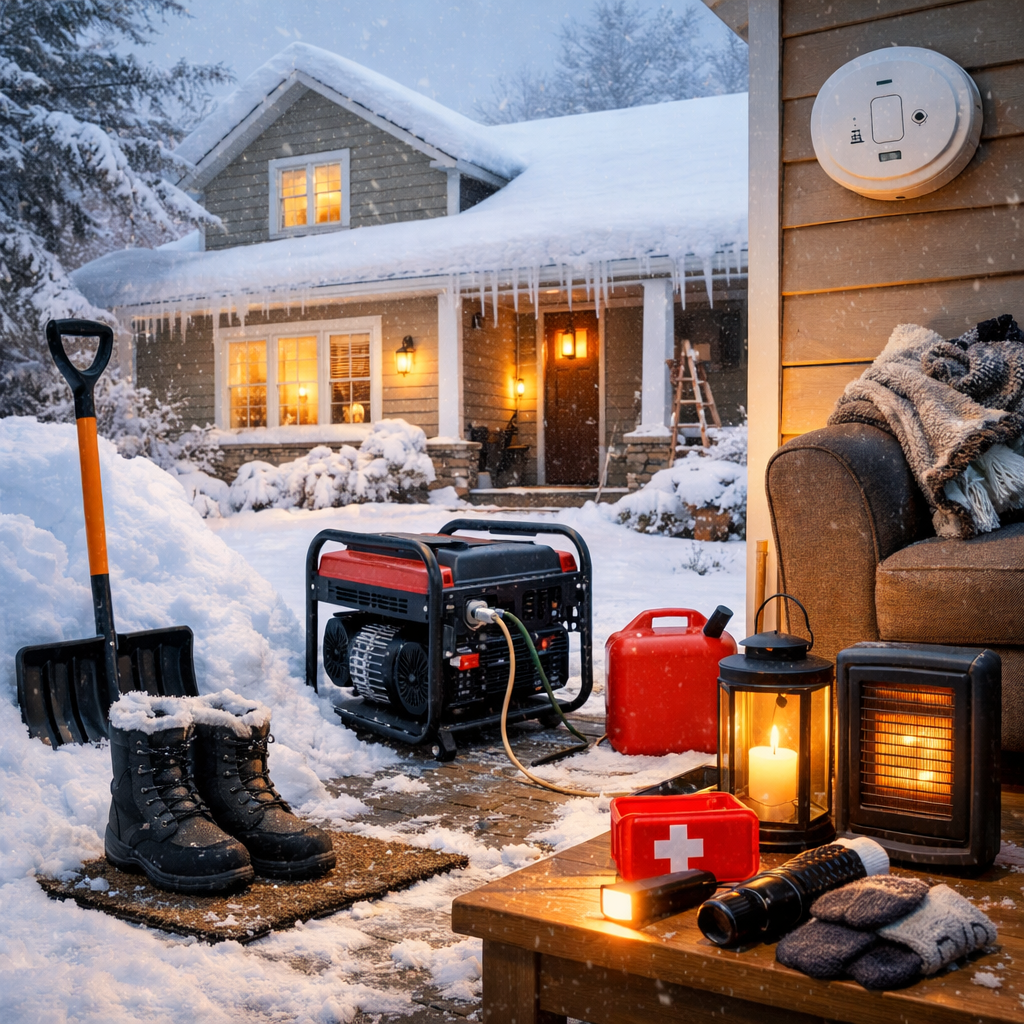
If someone is shovelling or using a snowblower, keep children well back. This is a good place to apply the hierarchy of controls: eliminate exposure by separating children from the work area, use barriers or visual boundaries, and rely on supervision as the final layer of protection.
Be careful around ice and sledding
Not every hill or frozen area is safe. Use designated areas where possible, inspect sledding spots for obstacles, and avoid locations near roads, fences, or water. Families looking for injury prevention information may also find useful resources at Parachute.
Emergency Readiness and a Simple Snow Day Home Safety Checklist
Winter weather can affect power, transportation, and normal routines. A basic emergency setup improves snow day home safety and gives children confidence if the day does not go as planned.
Prepare for short disruptions
Keep phones charged and make sure children know how to contact a parent, caregiver, or trusted neighbour. Store flashlights where they are easy to find, and avoid leaving children to manage candles or alternative heat sources. If there is a power outage, follow local utility, school, workplace, and emergency guidance.
It also helps to keep easy meals available that do not require complicated cooking. If medication is needed during the day, leave clear written instructions and confirm who is responsible for giving it.
Short actionable checklist
- Confirm who is supervising and when check-ins will happen.
- Review house rules for doors, cooking, stairs, and screen time.
- Dry the entry area and clear indoor walkways.
- Charge phones and place flashlights where children can reach them.
- Set out winter clothing and extra dry socks or gloves.
- Keep children away from driveways, snowbanks near roads, and snow removal equipment.
- Prepare simple snacks, water, and any needed medication instructions.
Snow days can be enjoyable, calm, and safe when families plan ahead and focus on the most likely risks. The best snow day home safety approach is simple: supervise appropriately, control the environment, prepare for weather-related disruptions, and give children clear instructions they can follow. With a few practical steps, children staying home can enjoy the day while parents and caregivers feel more confident that safety is built into the routine.