


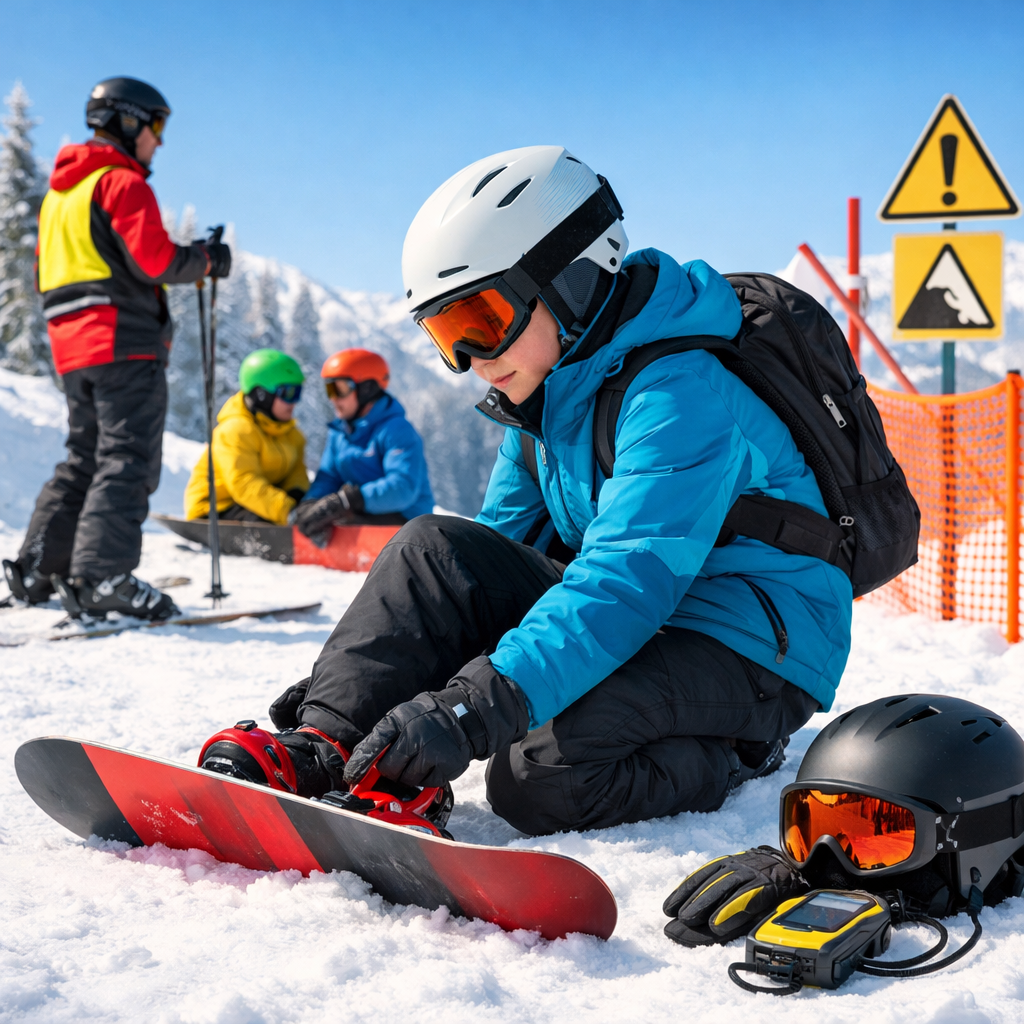

Snowboarding safety for students starts with simple habits that reduce risk before a rider ever clips into the board.
For Canadian students, parents, schools, and families, the goal is not to take the fun out of winter sport. It is to make smart choices that prevent common injuries, support confidence, and help young riders build skills gradually.
Whether a student is joining a school trip, riding with family, or working a seasonal job around a hill, good preparation matters. Conditions change quickly in Ontario and across Canada, so safety should always include weather, equipment, supervision, and personal limits.
A practical approach also fits the prevention mindset promoted by organizations such as CCOHS, Parachute, and public guidance from Ontario. For more school and workplace safety resources, students and educators can also explore OHSE.ca and training options at learn.ohse.ca.
Why snowboarding safety for students matters
Students are still developing judgment, balance, and risk awareness. That does not mean they should avoid snowboarding. It means they benefit from clear rules, proper instruction, and realistic progression.
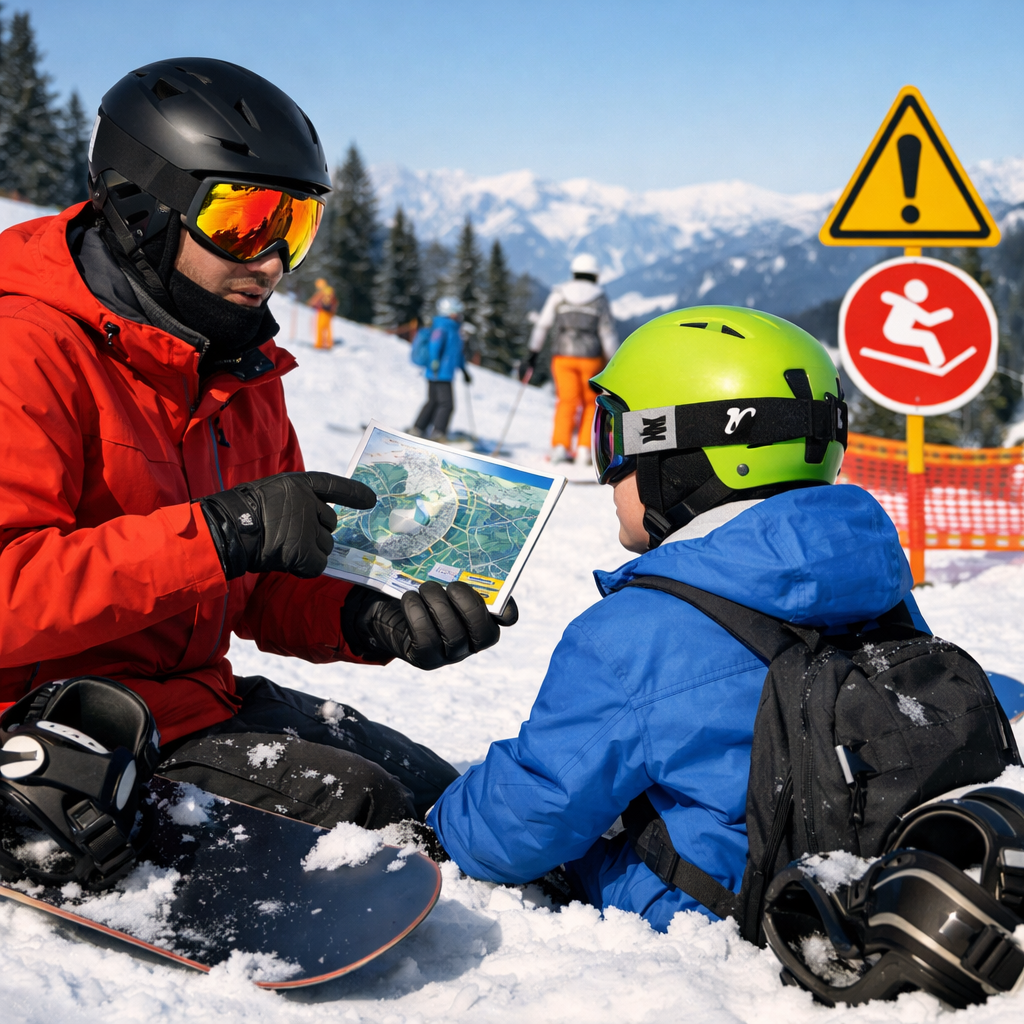
Many preventable problems happen when beginners ride terrain that is too advanced, wear poorly fitted gear, or keep going after they are tired and cold. School outings can add other factors, including crowded slopes, rushed schedules, peer pressure, and changing weather.
In an OHSE-style prevention framework, the best control is to remove or reduce hazards before they lead to injury. On the hill, that can mean choosing beginner terrain, receiving lessons, checking equipment, and following resort signs and staff directions.
Common risk factors for student riders
- Using a board, boots, or bindings that do not fit properly
- Skipping a helmet or wearing gear incorrectly
- Riding beyond current skill level
- Fatigue, dehydration, or poor nutrition
- Icy runs, poor visibility, and cold-related stress
- Horseplay, speed, and distractions from phones or friends
- Lack of supervision or unclear trip rules
For schools and families, prevention works best when expectations are discussed before the day begins. Students should know where to meet, who to contact, what runs are allowed, and when to stop riding.
Essential gear and fit for snowboarding safety for students
The right gear helps control both comfort and injury risk. A certified snow sports helmet is one of the most important items, and it should fit snugly without shifting.
Goggles support vision in snow, wind, and glare. Waterproof gloves or mitts, insulated outerwear, and layered clothing help students stay warm without overheating. Wrist guards can also be useful for beginners, especially as they learn how to fall more safely.
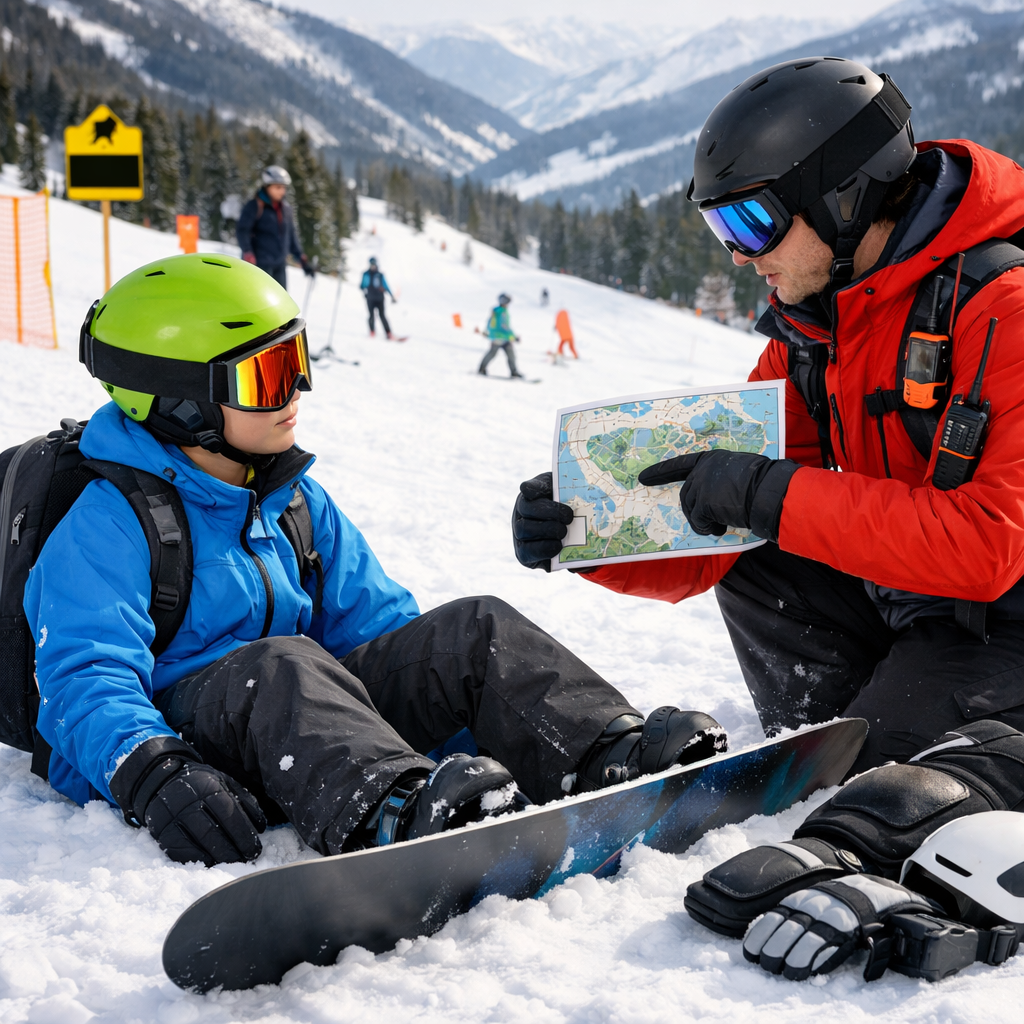
Boots should feel secure, and bindings should be adjusted correctly for the rider. Loose gear reduces control, while equipment that is too tight can create pain, numbness, and distraction. If equipment is rented, students should ask staff for help rather than guessing.
Quick equipment check
| Item | What to check | Why it matters |
|---|---|---|
| Helmet | Snug fit, chin strap secure, no visible damage | Helps protect the head during falls or collisions |
| Boots | Firm fit, warm feet, no major pressure points | Improves board control and comfort |
| Bindings | Correctly adjusted and tightened | Supports stability and response |
| Goggles | Clear vision, secure fit, suitable for conditions | Helps riders see terrain and hazards |
| Clothing layers | Dry, weather-appropriate, easy to move in | Reduces cold stress and distraction |
Students should also avoid sharing equipment unless it has been re-fitted. Even small changes in stance or boot fit can affect control.
Smart riding habits and slope behaviour
Good habits on the hill are a major part of snowboarding safety for students. Beginners should start on easy terrain and take a lesson if possible. Formal instruction helps students learn stopping, turning, loading lifts, and safe falling techniques in a controlled setting.
Students should always stay in control of their speed and leave enough space around other riders. Before starting downhill or merging onto a run, they should look uphill and around them. Stopping in narrow areas, below blind spots, or in the middle of a busy run increases collision risk.
Chairlifts and surface lifts also deserve attention. Riders should listen to staff, secure loose gear, and stay focused while loading and unloading. If a student falls while unloading, they should move out of the way quickly if able and follow staff direction.
Applying the hierarchy of controls on the hill
The hierarchy of controls is useful even in recreation and school trip planning.
- Elimination: avoid closed runs, terrain parks, or slopes beyond the student’s ability
- Substitution: choose a beginner lesson or easier route instead of advanced terrain
- Engineering controls: use helmets, properly adjusted bindings, and maintained equipment
- Administrative controls: follow school rules, resort signage, buddy systems, and supervision plans
- Personal protective equipment: helmets, goggles, gloves, and weather-appropriate clothing
This approach is especially helpful for teachers, trip organizers, and parents who want practical ways to reduce risk without overcomplicating the day.
Cold weather, fatigue, and school-trip planning
Snowboarding safety for students is not only about falling. Cold exposure, wet clothing, dehydration, and exhaustion can all increase the chance of mistakes.
Students often ignore early signs that they need a break. Cold hands, wet socks, poor concentration, sore muscles, and frustration are all signs it may be time to warm up, eat, drink water, or end the session. Pushing through fatigue can quickly turn a manageable day into an unsafe one.
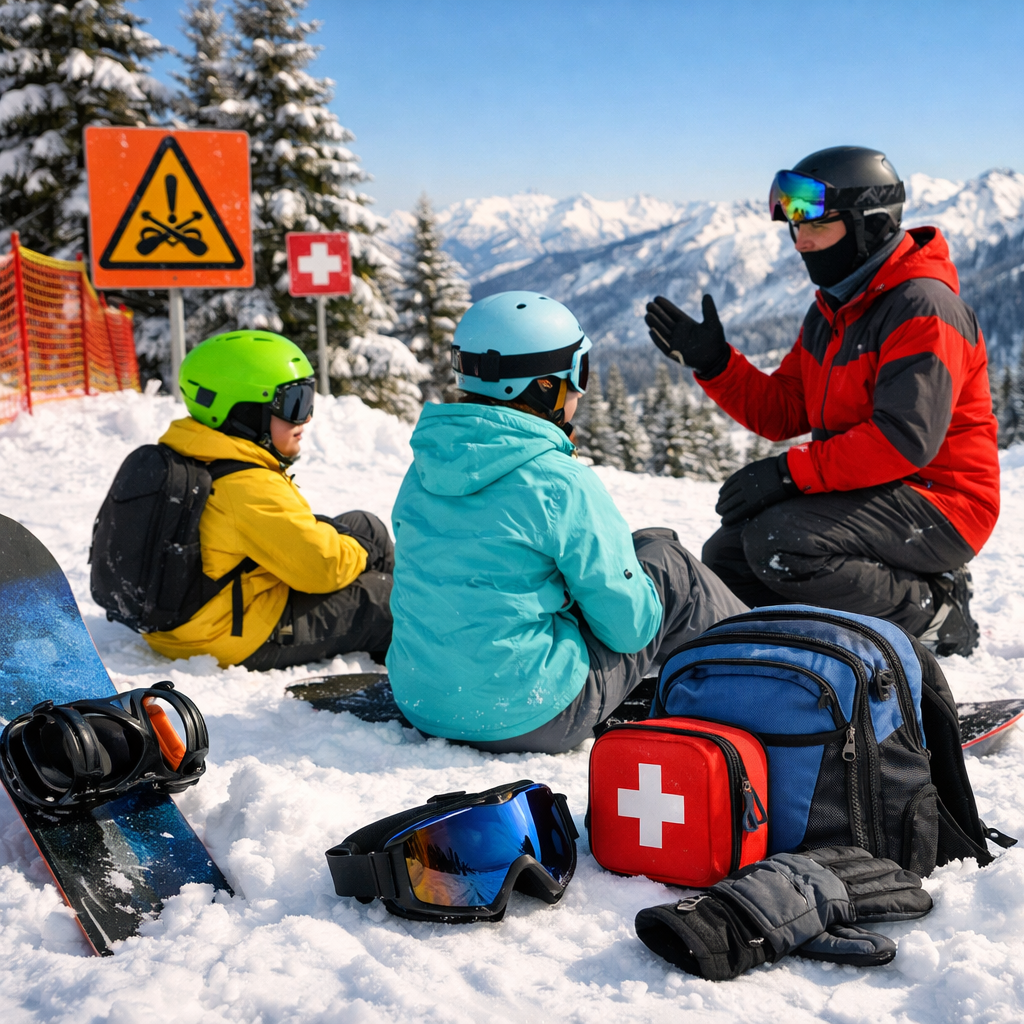
For school trips, adults should set clear check-in times and ensure students know who is supervising them. Families should review medications, allergies, and any personal health concerns in advance, following school policy and local guidance where applicable. It is also wise to check weather and hill conditions before leaving home.
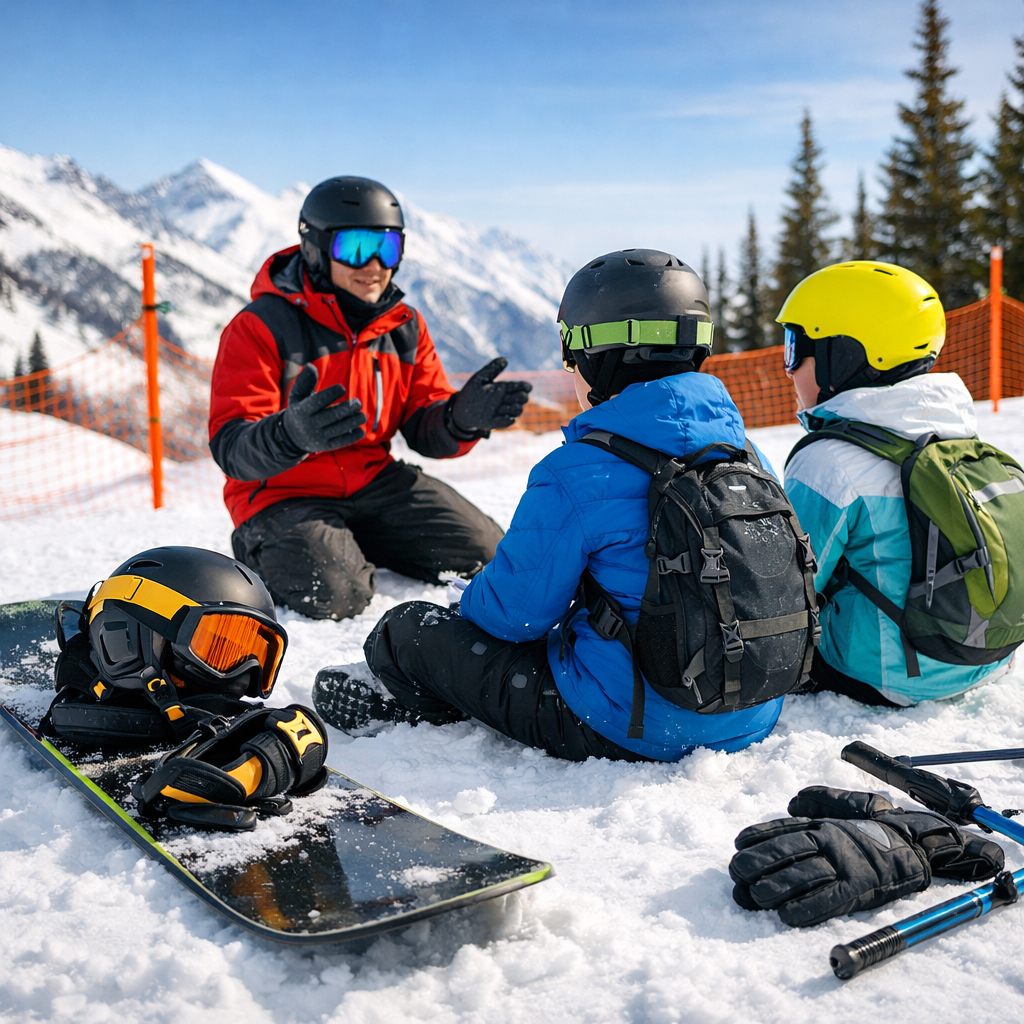
Students who have part-time or volunteer duties around ski areas should treat those tasks like any other winter work exposure. Slip hazards, lifting equipment, outdoor cold, and public interaction all require attention. General Canadian health and safety information can be found through Health Canada.
Short actionable checklist
- Wear a properly fitted helmet and weather-appropriate layers
- Check boots, bindings, goggles, and gloves before riding
- Warm up and start on terrain that matches current skill level
- Take a lesson or review basic stopping and turning skills
- Ride with a buddy and follow all school or resort rules
- Take breaks for water, food, and warming up indoors
- Stop riding if visibility, fatigue, pain, or conditions worsen
- Follow local school, workplace, manufacturer, and emergency guidance if an incident occurs
Students do not need to be fearless to enjoy the sport. They need a plan, suitable gear, and the confidence to make careful decisions.
In the end, snowboarding safety for students is about prevention, not perfection. With proper equipment, beginner-friendly instruction, attention to weather, and clear school or family rules, students can enjoy snowboarding while lowering the chance of injury. A calm, prepared approach helps make every trip safer, smarter, and more enjoyable.