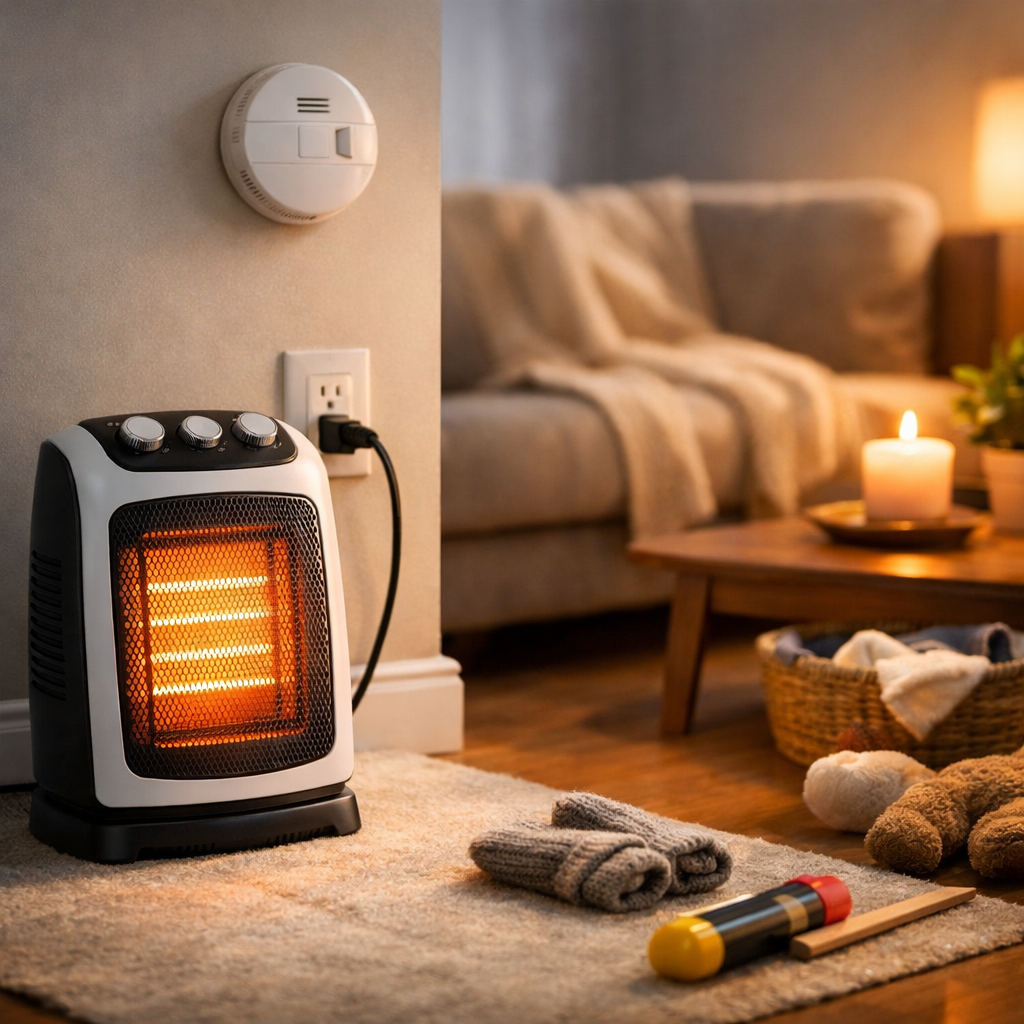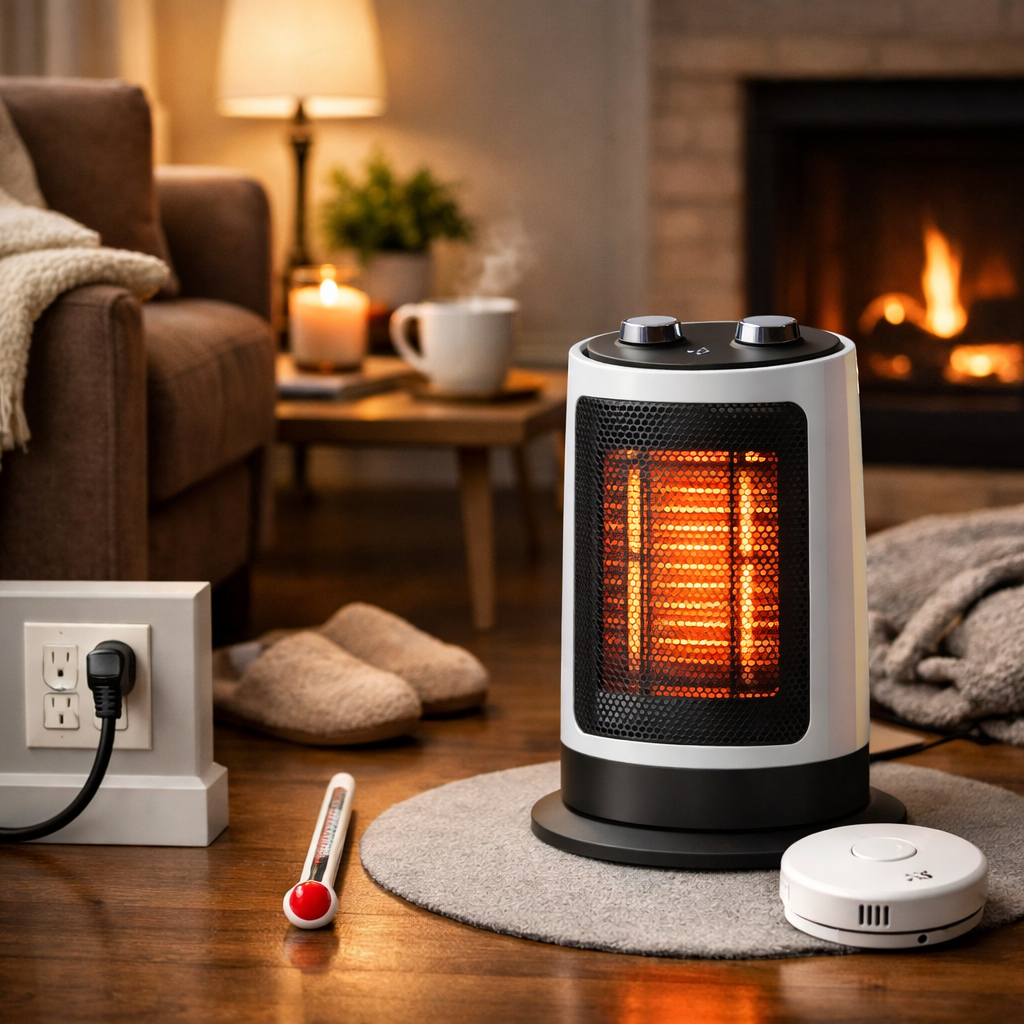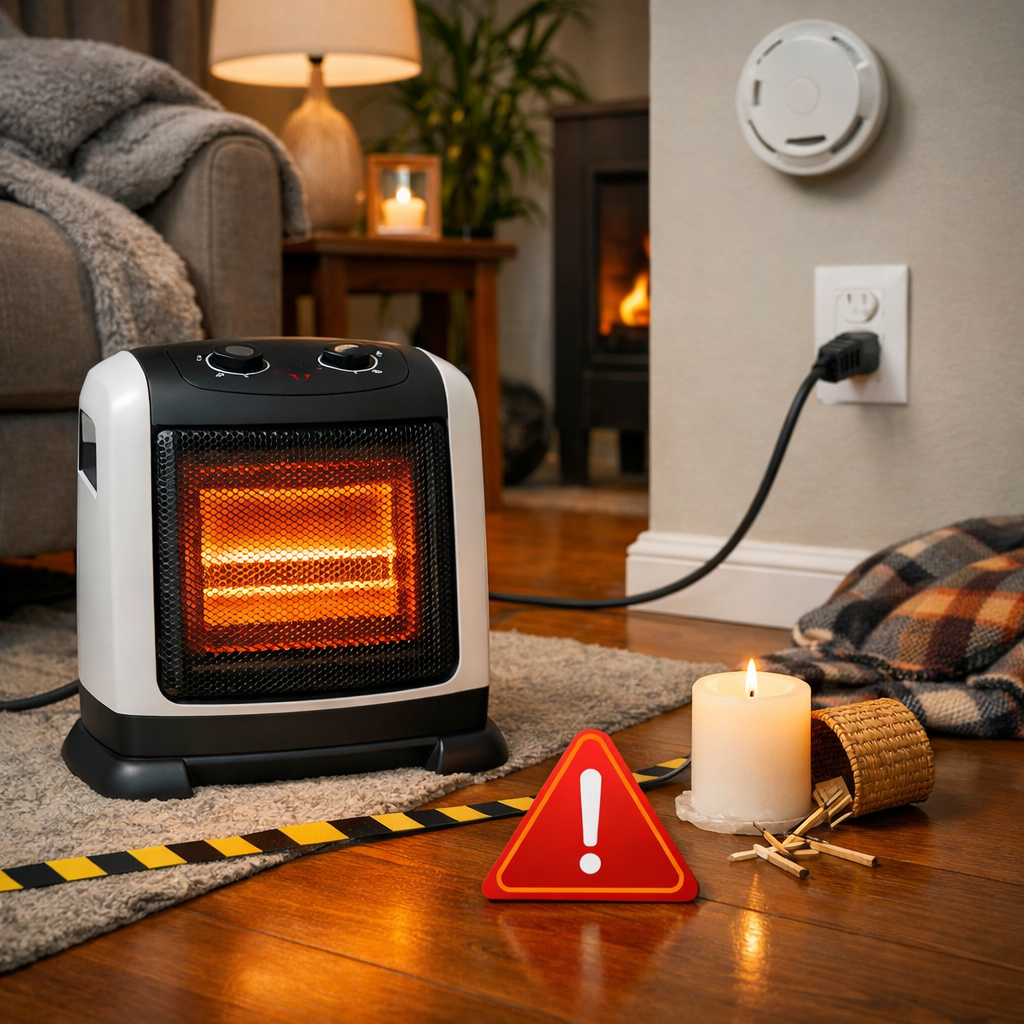

Space heater safety matters every winter, especially in student rooms, family homes, shared rentals, and small work or study spaces where people may rely on portable heat for comfort. A space heater can warm a cold room quickly, but it can also create serious fire, burn, and electrical hazards if it is used too close to bedding, furniture, clothing, paper, or extension cords.
For Canadian students, parents, schools, and young workers, the safest approach is simple: choose the right heater, place it properly, use it only as directed, and never leave it running without supervision. Whether the heater is in a bedroom, dorm-style space, basement suite, or home office, prevention should come first. For broader winter and workplace safety guidance, readers can also review resources from CCOHS, Ontario, and OHSE.ca.
Why space heater safety deserves close attention
Portable heaters are often used in older homes, chilly rentals, and student accommodations where central heating may be uneven or limited. The main risks are fire from nearby combustibles, overheating, electrical overload, tipped equipment, and accidental contact burns. These risks increase when heaters are placed in tight rooms, near laundry, beside desks full of paper, or next to blankets and curtains.
Space heater safety is also important because people tend to use heaters during busy routines or late at night, when attention drops. A student may plug one in while studying, then fall asleep. A family may place one in a child’s room for extra warmth. A young worker may bring one into a temporary office area. In each case, the hazard is not only the heater itself, but also how it interacts with the room, the power source, and human behaviour.
A practical prevention mindset
A useful way to think about risk is through the hierarchy of controls. First, remove the need for the heater if possible by improving the main heating system or moving activities to a warmer area. Next, choose safer equipment with tip-over protection and overheat shut-off. Then use administrative controls such as room rules, checklists, and supervision. Finally, support safe use with good housekeeping and awareness. Training and simple reminders can make a real difference in homes, schools, and workplaces, and safety learning resources from OHSE training may help reinforce good habits.
Space heater safety rules for setup and placement
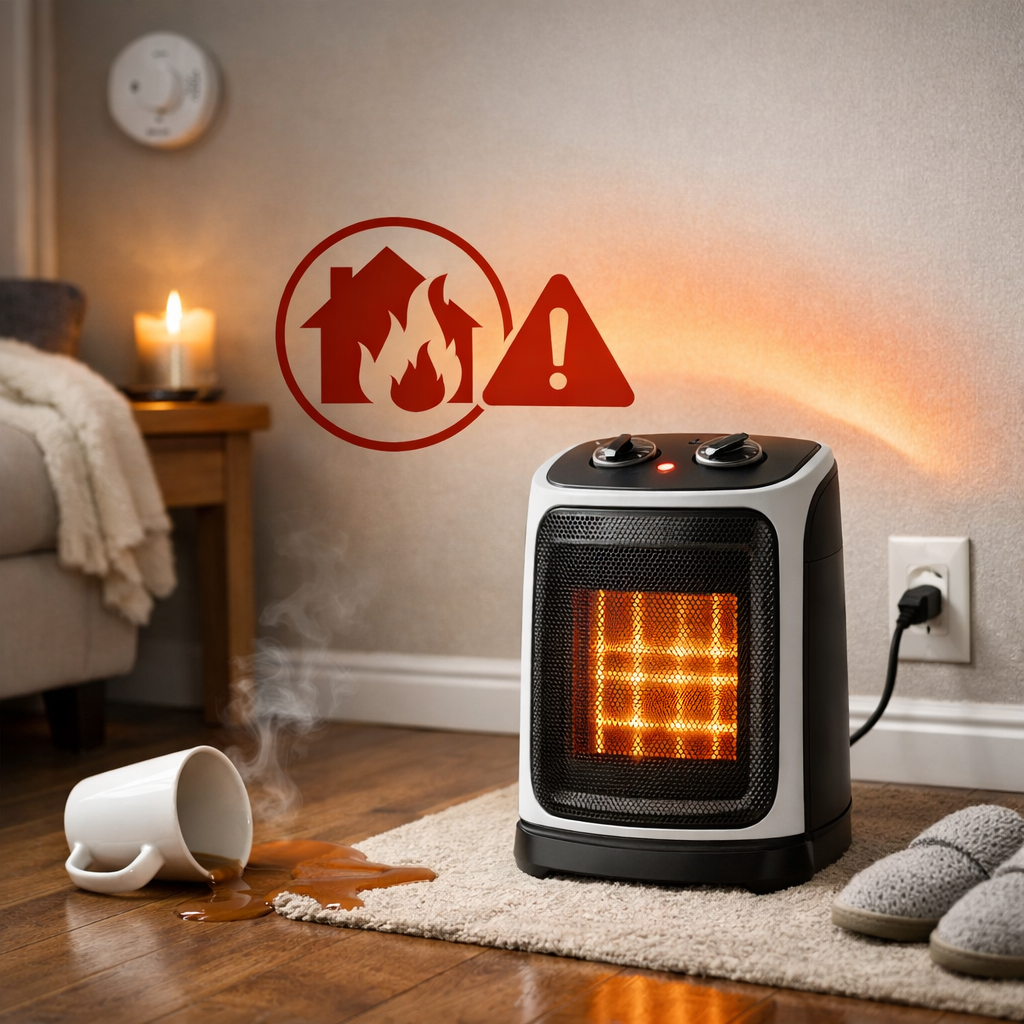
Correct placement is one of the most important parts of space heater safety. A heater should always stand on a stable, flat, non-flammable surface where it cannot be knocked over. Keep it out of walkways and away from doors, backpacks, bedding, cushions, books, clothing, curtains, and rugs that could shift against it. In small student rooms, avoid placing a heater under a desk or beside a bed where blankets may hang down.
Use the heater only in a dry indoor location unless the manufacturer clearly states that it is designed for a different environment. Bathrooms, sinks, wet floors, and areas near water raise electrical risk. If a room feels too cramped for safe clearance, the heater likely does not belong there.
Safe placement checklist
- Place the heater on the floor unless the manufacturer says otherwise.
- Keep it well away from bedding, paper, furniture, curtains, and clothing.
- Do not block exits, doorways, or walkways.
- Keep children and pets from touching or tipping the unit.
- Do not use it in a damp or wet area unless approved for that use.
- Make sure the cord is fully visible and not trapped under furniture.
| Location | Safer Practice | Avoid |
|---|---|---|
| Student bedroom | Open floor area with clear space around heater | Next to bed, laundry pile, or study papers |
| Living room | Stable spot away from couches and curtains | Behind furniture or in a busy walkway |
| Home office | Clear area away from cords and storage boxes | Under desk near legs, paper, or bags |
| Shared rental space | Agreed location with house rules for shutoff | Unattended use in common areas overnight |
Electrical and fire rules that support space heater safety
Many space heater incidents begin with poor electrical setup. Plug the heater directly into a wall outlet. Do not use an extension cord, power bar, or outlet splitter unless the manufacturer specifically permits it. Portable heaters draw significant power, and overloaded circuits can overheat. If a plug, outlet, or cord feels hot, stop using the heater and have the issue checked by a qualified person.
Inspect the heater before each season and during regular use. Do not use a unit with a damaged cord, cracked housing, loose plug, scorch marks, or unreliable switch. Dust buildup can also create problems, so keep the unit clean according to manufacturer instructions. Never drape clothing, towels, or mittens over a heater to dry them. That may seem convenient in winter, but it creates a direct fire hazard.
Use habits that reduce risk
Good space heater safety also depends on routine. Turn the heater off when leaving the room, even for a short time if the space is unsupervised. Do not run a heater while sleeping unless the product instructions clearly allow that use and local housing, school, or workplace rules permit it. In student residences or rentals, always follow building policies first. If alarms sound, outlets spark, or the heater smells unusual, switch it off and unplug it if safe to do so, then follow local building or emergency guidance.
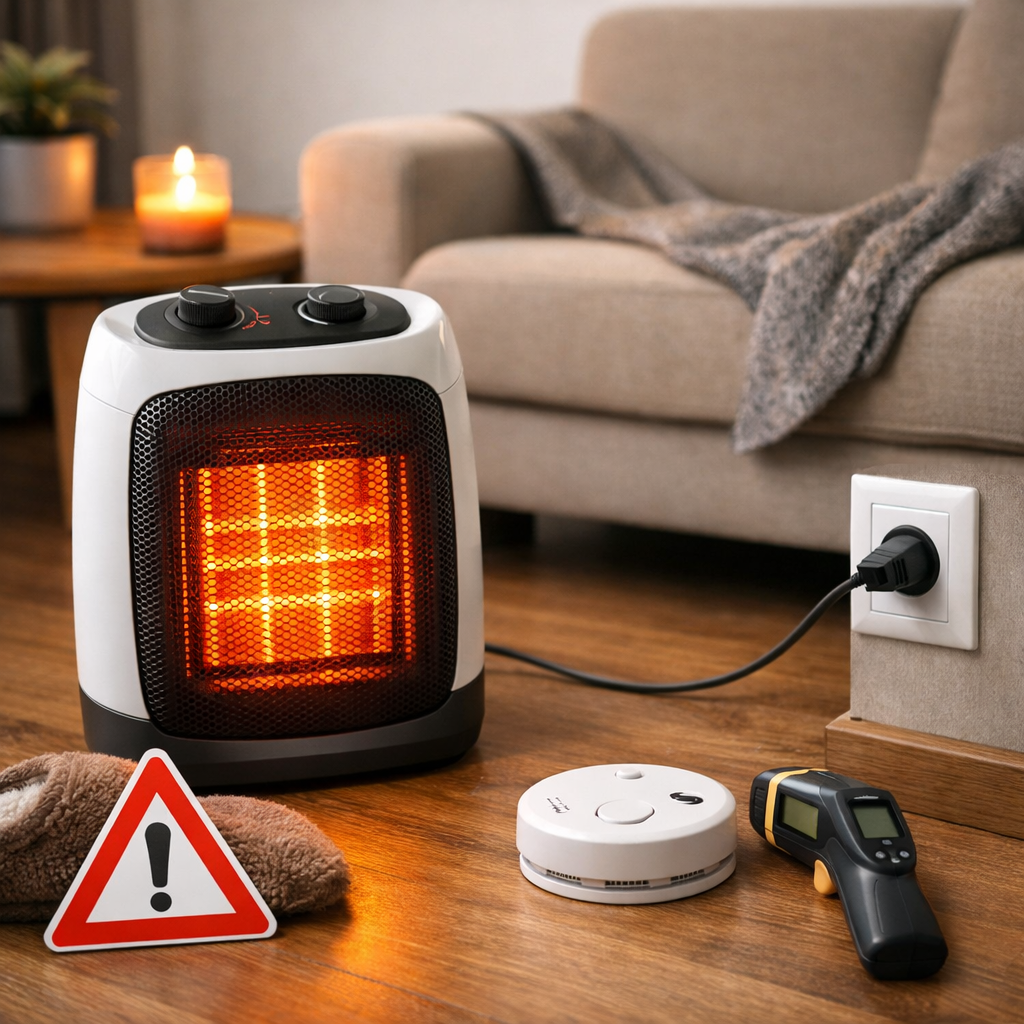
Schools and workplaces should also set rules on personal heaters. In some settings, portable heaters may be restricted due to building fire safety plans or electrical capacity concerns. Young workers should ask a supervisor before using one in an office, portable classroom, reception area, or break room. Families should make sure everyone in the home understands that a heater is not a toy and not a drying rack.
Space heater safety for student rooms, rentals, and family homes
Student rooms often combine sleeping, studying, storage, and cooking devices in one compact area, which makes space heater safety especially important. Backpacks on the floor, hoodies on chairs, chargers near outlets, and blankets on beds can all creep too close to a heater without anyone noticing. The safest choice is to create a dedicated heater zone with nothing stored nearby and a clear rule that the unit is turned off when leaving or sleeping.
In family homes, supervision matters most where children, teens, older adults, or pets are present. Put simple household rules in place: no touching, no moving the heater while it is hot, no plugging in extra devices on the same outlet, and no covering the unit. Parents should also review smoke alarm maintenance, exit routes, and winter safety routines. Helpful public information may be available through Health Canada and injury prevention organizations such as Parachute.
Short actionable checklist
- Choose a heater with tip-over and overheat protection.
- Read and follow the manufacturer instructions.
- Plug it directly into a wall outlet.
- Keep the area around it clear at all times.
- Turn it off before leaving the room or going to sleep.
- Check cords, plugs, and outlets regularly.
- Follow school, landlord, workplace, and local fire safety rules.
Space heater safety is really about preventing small winter comfort choices from turning into big emergencies. The best results come from safe equipment, proper placement, careful electrical use, and consistent habits in homes, student rooms, and work settings. If you use a portable heater this winter, keep the setup simple, follow the manufacturer instructions, and follow local school, workplace, building, or emergency guidance where applicable. A few practical steps can make space heater safety a reliable part of your winter routine.