

Falls are among the most common and dangerous hazards in workplaces, especially in industries like construction, manufacturing, and maintenance. Despite the clear risks, fall protection is often neglected or improperly implemented.
This oversight can have devastating consequences, not only for the workers but also for businesses in terms of financial, legal, and reputational costs. The message is simple: failing to prioritize fall protection can result in significant and avoidable losses.

The Human Cost of Falls
At the heart of the issue is the well-being of workers. Falls can cause serious injuries or even fatalities, profoundly affecting the lives of employees and their families. Common injuries resulting from falls include:
- Fractures and broken bones
- Spinal cord injuries
- Head trauma
- Internal injuries
- Paralysis or long-term disability
According to data from the Occupational Safety and Health Administration (OSHA), falls are a leading cause of fatalities in the construction industry, accounting for nearly 35% of all deaths. Each fall not only changes the life of the worker involved but also sends ripples through the workforce, affecting morale and productivity.
The Financial Costs of Ignoring Fall Protection
Beyond the human toll, failing to implement proper fall protection measures can have a massive financial impact on businesses. Some of these financial consequences include:
- Medical Expenses
- Employers may be liable for the medical expenses of injured workers, which can be exorbitant depending on the severity of the injury. This includes emergency care, surgery, rehabilitation, and ongoing treatment for long-term conditions.
- Worker’s Compensation Claims
- Injured employees are entitled to worker’s compensation, which covers lost wages, medical bills, and disability payments. These costs can accumulate quickly, placing a significant financial burden on companies that fail to implement adequate safety measures.
- Fines and Penalties
- OSHA and other regulatory bodies impose hefty fines on businesses that do not comply with fall protection standards. In some cases, these fines can reach tens of thousands of dollars for a single violation. For repeat or willful violations, the penalties can be even steeper.
- Example: In 2023, OSHA raised the maximum penalties for serious and repeat violations to nearly $15,000 and $156,000 per violation, respectively.
- Legal Costs
- If a worker is seriously injured or killed due to a lack of fall protection, businesses may face costly lawsuits from employees or their families. Legal fees, settlements, or judgments in such cases can run into millions of dollars, further damaging a company’s finances.
- Productivity Losses
- Injuries and fatalities lead to lost workdays, project delays, and reduced productivity. In some cases, critical operations may need to be halted while an investigation is conducted, leading to significant downtime and lost revenue.
Reputational Damage
Companies that fail to prioritize fall protection not only face financial and legal consequences but also risk irreparable damage to their reputation. Safety violations and accidents can attract negative media attention, reduce customer trust, and harm relationships with clients, contractors, and investors. A tarnished reputation can take years to rebuild, resulting in lost business opportunities and long-term financial instability.
The Importance of Compliance: Key Fall Protection Standards
Fall protection regulations are in place for a reason: to save lives and prevent injuries. Ensuring compliance with these standards is critical to maintaining a safe workplace. Key guidelines include:
- Guardrails and Safety Nets: Guardrails must be installed at all elevated platforms, and safety nets should be in place where workers are exposed to fall hazards.
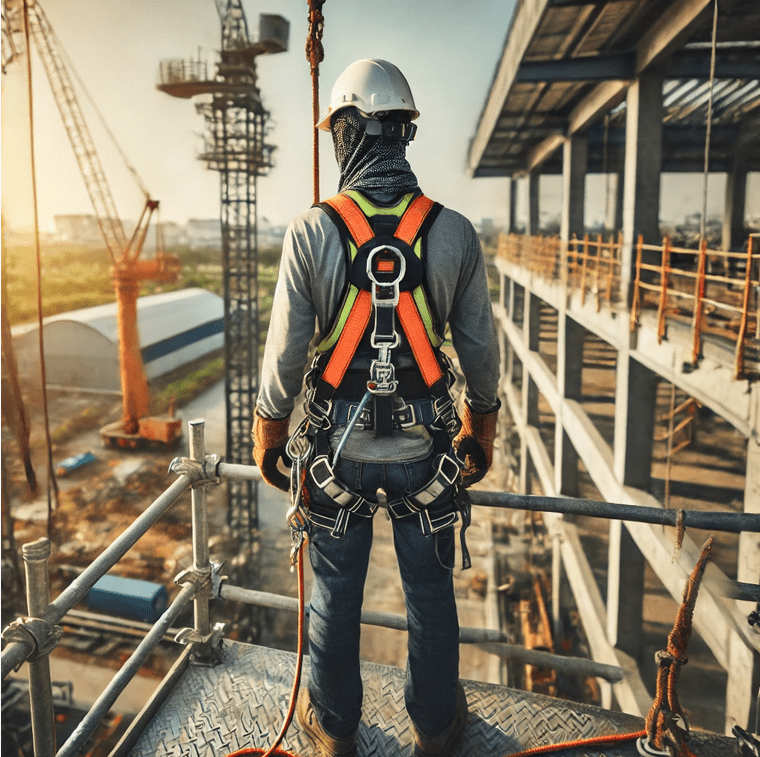
- Personal Fall Arrest Systems (PFAS): Workers should be equipped with harnesses, lanyards, and anchor points when working at heights, ensuring they are protected in the event of a fall.
- Training and Awareness: Employees must be trained to recognize fall hazards and know how to use fall protection equipment correctly. Regular safety drills and refresher courses should be conducted to reinforce best practices.
- Inspection and Maintenance: Fall protection systems should be regularly inspected to ensure they are in good condition and capable of protecting workers.
The Benefits of Prioritizing Fall Protection
By investing in proper fall protection systems, companies can avoid the high costs associated with workplace injuries and accidents. Some of the benefits include:
- Increased Worker Safety: The most obvious and important benefit is the protection of workers’ lives. A well-implemented fall protection plan ensures employees can perform their tasks safely and reduces the risk of serious injuries or fatalities.
- Cost Savings: While fall protection equipment and training may require an upfront investment, the cost is far lower than the financial impact of medical bills, legal fees, and OSHA penalties. Prioritizing safety reduces the likelihood of expensive worker’s compensation claims and lawsuits.
- Improved Productivity: A safe workplace is a more productive workplace. When workers feel safe and protected, they are more likely to focus on their tasks, reducing downtime due to accidents or injuries.
- Enhanced Reputation: Companies that prioritize safety demonstrate a commitment to their employees’ well-being, building trust and loyalty among their workforce. Moreover, a strong safety record enhances a company’s reputation in the industry, attracting clients, partners, and skilled workers.
Conclusion
The costs of not prioritizing fall protection are too high to ignore. From the human toll to financial penalties and reputational damage, the consequences of overlooking safety measures can be devastating. On the other hand, investing in fall protection systems, training, and compliance not only protects workers but also strengthens a company’s bottom line.
In an environment where falls are a prevalent and deadly hazard, businesses cannot afford to cut corners on safety. By making fall protection a top priority, companies can save lives, prevent injuries, and avoid the significant costs that come with neglecting this critical aspect of workplace safety.