

Effective team communication is the cornerstone of winter jobsite safety. Adverse weather conditions, such as snow, ice, and freezing temperatures, pose unique challenges, making clear and timely communication essential for preventing accidents and maintaining productivity.
This article explores The Role of Team Communication in Winter Jobsite Safety
- Why Team Communication is Crucial in Winter Jobsite Safety
- Strategies to Strengthen Team Communication for Winter Jobsite Safety
- Enhancing Safety Through Communication During Specific Winter Tasks
- Training Workers to Communicate Effectively in Winter Conditions
- Overcoming Common Communication Barriers in Winter Jobsite Safety
- Measuring the Impact of Team Communication on Winter Jobsite Safety
- Final Thoughts
Why Team Communication is Crucial in Winter Jobsite Safety
Winter weather amplifies jobsite risks, from reduced visibility to slippery surfaces. In such conditions, team communication ensures everyone is informed, coordinated, and prepared to navigate these hazards.

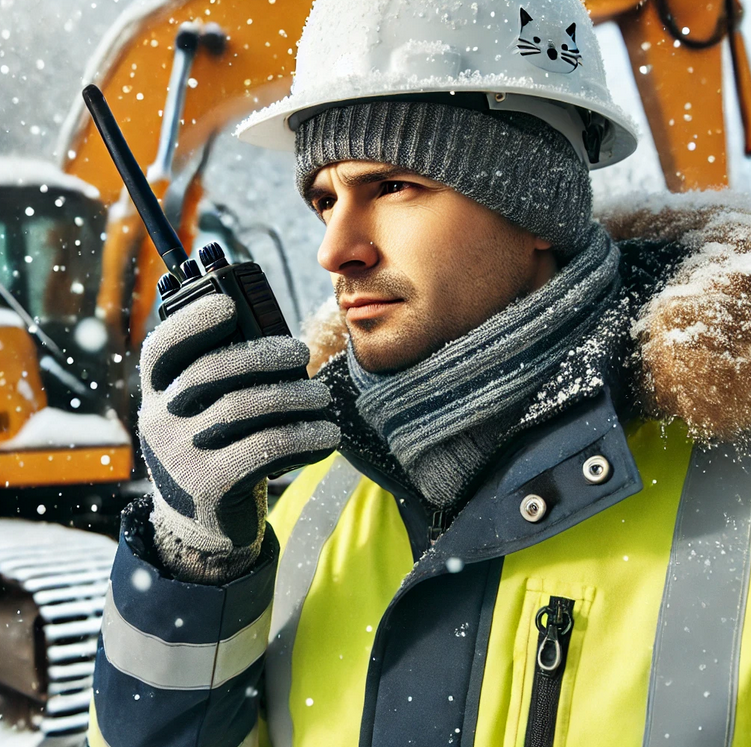
Key Benefits of Team Communication:
- Enhanced Awareness: Keeps workers informed about weather changes and potential hazards.
- Coordination of Efforts: Ensures tasks are completed efficiently and safely.
- Rapid Response: Facilitates quick action in emergencies.
| Benefit | Impact on Safety |
|---|---|
| Enhanced Awareness | Reduces risk of accidents |
| Improved Coordination | Prevents delays and miscommunication |
| Rapid Emergency Response | Minimizes impact of unforeseen events |
Pro Tip: Use mobile communication tools to relay updates instantly to all team members.
Strategies to Strengthen Team Communication for Winter Jobsite Safety
1. Establish Clear Communication Protocols
Setting clear guidelines for how and when to communicate is the foundation of effective jobsite safety.
- Standard Operating Procedures (SOPs): Develop SOPs that outline communication channels and escalation processes.
- Regular Briefings: Conduct daily safety meetings to discuss weather forecasts, work priorities, and hazard mitigation strategies.
- Emergency Protocols: Train workers on protocols for reporting accidents or hazards.
For tips on developing SOPs, check out our Jobsite Safety Framework Guide.
2. Use Technology to Improve Communication
Leverage modern tools to keep teams connected and informed, especially in adverse winter conditions.
- Two-Way Radios: Provide reliable communication in areas with weak cell signals.
- Mobile Apps: Use safety-focused apps for task updates and hazard reporting.
- Weather Monitoring Tools: Share real-time weather updates with the team.
Explore reliable jobsite communication tools on Amazon.
3. Foster a Culture of Open Communication
Encouraging workers to share observations and concerns creates a proactive approach to safety.
- Feedback Mechanisms: Allow team members to report hazards or suggest improvements.
- Active Listening: Ensure supervisors address concerns promptly and effectively.
- Non-Punitive Reporting: Encourage reporting without fear of repercussions.
Enhancing Safety Through Communication During Specific Winter Tasks
4. Snow and Ice Removal Coordination
Clearing snow and ice requires teamwork and coordination to ensure safety and efficiency.
- Assign Roles: Clearly define responsibilities for snow removal tasks.
- Monitor Progress: Use regular check-ins to ensure tasks are on schedule.
- Report Hazards: Encourage workers to immediately report any icy patches or obstacles.
| Task | Communication Tip |
| Snow Clearing | Assign roles and provide progress updates |
| Ice De-Icing | Share de-icing schedules and techniques |
| Equipment Maintenance | Report issues for prompt resolution |
Internal Link: Learn more about safe snow removal in our Winter Jobsite Management Guide.
5. Equipment Use in Freezing Conditions
Using machinery in freezing temperatures requires precise coordination to avoid accidents or equipment damage.
- Pre-Operation Checks: Communicate findings from equipment inspections to the team.
- Operation Updates: Relay changes in machine performance or weather conditions.
- Shutdown Procedures: Coordinate the safe shutdown and storage of equipment.
Check advanced winter equipment management tips at Amazon.

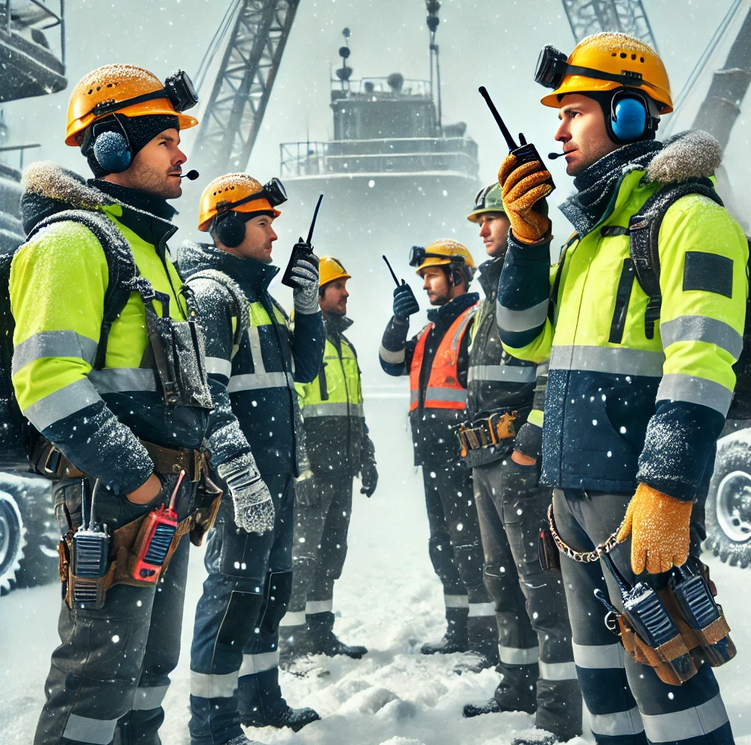
6. Emergency Preparedness and Response
Preparedness relies heavily on clear communication to ensure effective responses to winter emergencies.
- Emergency Drills: Conduct regular drills to practice communication during crises.
- Real-Time Alerts: Use group messaging systems to broadcast emergency updates.
- Incident Reporting: Streamline reporting processes to enable quick action.
Pro Tip: Designate a safety officer to oversee communication during emergencies.
Training Workers to Communicate Effectively in Winter Conditions
7. Conduct Communication Training
Provide workers with the skills and tools needed for effective communication in winter jobsite scenarios.
- Role-Playing Exercises: Simulate scenarios to practice hazard reporting and emergency coordination.
- Tool Training: Teach workers how to use radios, apps, and other communication tools.
- Scenario Planning: Discuss real-life case studies to identify communication best practices.
8. Promote Cross-Functional Collaboration
Collaboration between departments enhances overall safety and productivity.
- Joint Meetings: Involve all departments in safety briefings to ensure alignment.
- Shared Goals: Set safety and productivity targets that require teamwork.
- Collaborative Tools: Use shared platforms for updates and documentation.
Overcoming Common Communication Barriers in Winter Jobsite Safety
9. Address Physical Barriers
Winter conditions can hinder communication due to factors like snow, wind, and cold temperatures.
- Wind Noise: Use headsets with noise-canceling features for clear communication.
- Visibility Issues: Ensure reflective gear and safety lights are used for visibility.
- Cold Weather Gear: Equip workers with gloves compatible with communication devices.
10. Tackle Psychological Barriers
Foster trust and open dialogue to overcome hesitations in sharing concerns.
- Team Bonding: Build strong relationships through team-building activities.
- Supportive Leadership: Ensure supervisors provide encouragement and recognition.
- Clarity in Messaging: Use simple and direct language to avoid misunderstandings.
Measuring the Impact of Team Communication on Winter Jobsite Safety
11. Monitor Safety Metrics
Track communication effectiveness through safety-related performance metrics.
- Incident Reports: Analyze the frequency and type of incidents reported.
- Task Efficiency: Evaluate completion times for winter tasks.
- Feedback Surveys: Gather worker input on communication processes.
12. Regular Reviews and Adjustments
Continuously improve communication strategies based on feedback and performance data.
- Post-Shift Reviews: Discuss communication successes and challenges after shifts.
- Annual Audits: Conduct comprehensive evaluations of communication protocols.
- Updated Training: Adjust training programs to address identified gaps.
Final Thoughts
The role of team communication in winter jobsite safety cannot be overstated. By establishing clear protocols, leveraging technology, and fostering open dialogue, teams can effectively mitigate risks and enhance productivity during winter operations.
Prioritize communication as a critical element of your safety strategy to ensure a secure and efficient jobsite environment.