

- Why Traffic Hazards Are a Serious Threat
- Understanding Truck Blind Spots
- Roadside Traffic Hazards
- Safe Riding and Positioning Practices
- Communication Between Crew and Drivers
- PPE and Visibility in Traffic Zones
- Case Study: A Preventable Tragedy
- Employer Responsibilities
- Building a Safety Culture
- Traffic Hazard Safety Measures Table
- Conclusion
Traffic Hazards for Waste Collection Workers
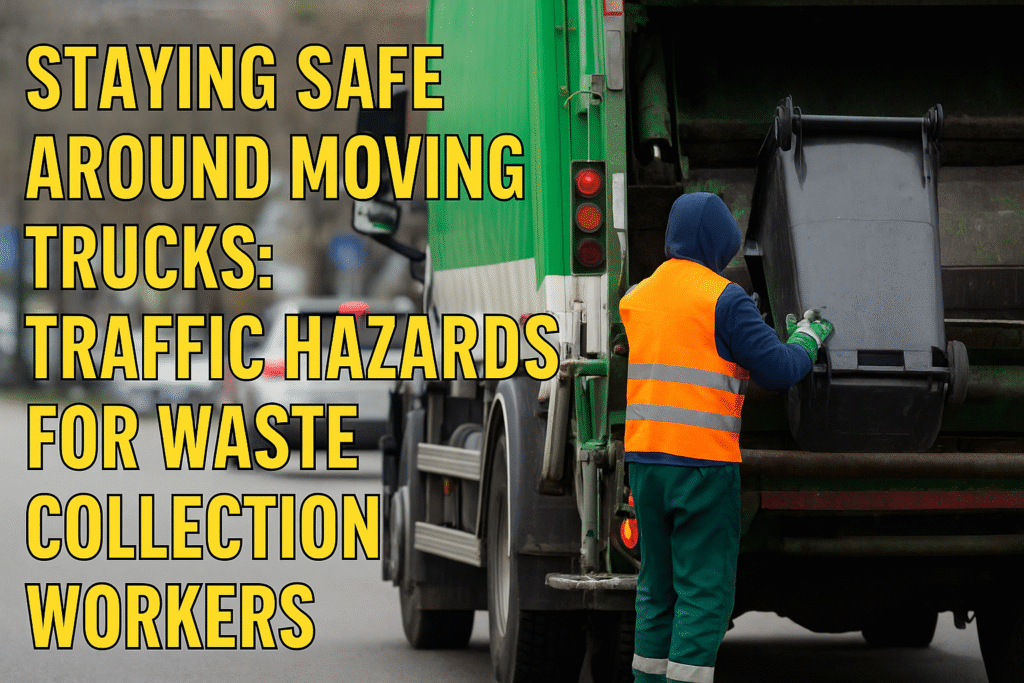
Waste collection is one of the most dangerous jobs in the service sector. Crews spend hours working in close proximity to moving trucks, traffic, and unpredictable road conditions.

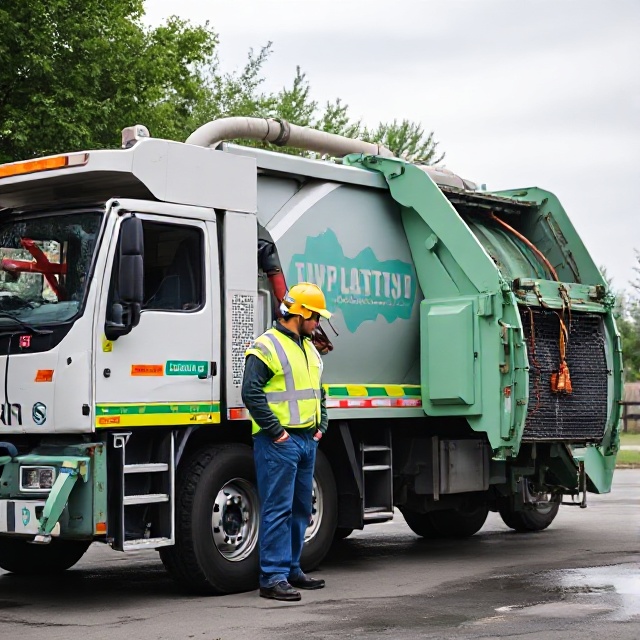
Addressing traffic hazards for waste collection workers is essential to reducing injuries and saving lives.
Why Traffic Hazards Are a Serious Threat
According to NIOSH, solid waste collection ranks among the most dangerous occupations in North America. The primary cause of fatalities?
Being struck by a vehicle—either the garbage truck itself or passing motorists.
Key risk factors include:
- Limited visibility in truck blind spots.
- Frequent stops on busy roads.
- Workers riding or walking near moving trucks.
- Distracted drivers failing to notice collection crews.
Without strict OHSE controls, these hazards can lead to fatal accidents.
Understanding Truck Blind Spots
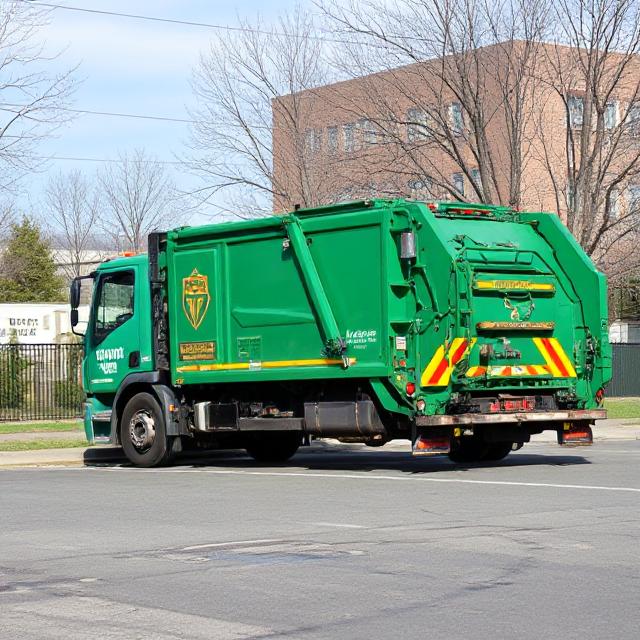
Garbage trucks have significant blind spots around the front, sides, and rear. Workers walking too close risk being struck when the vehicle moves.
Best practices:
- Train workers on blind spot zones.
- Install wide-angle mirrors, cameras, and proximity sensors on trucks.
- Require eye contact or radio confirmation with drivers before approaching.
Roadside Traffic Hazards
Collection often occurs on narrow streets, highways, or residential areas during peak traffic hours. Passing motorists pose a constant danger.
Control measures:
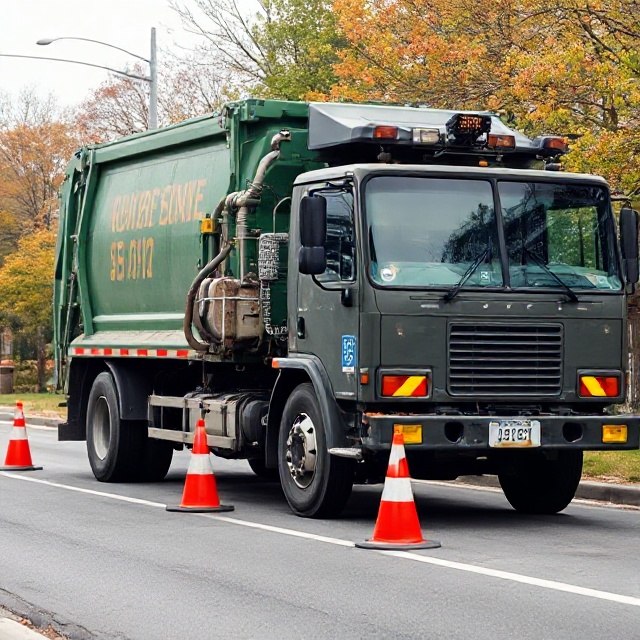
- Use high-visibility vests and reflective PPE at all times.
- Deploy traffic cones, hazard lights, and signage around collection zones.
- Schedule routes during off-peak hours when possible.
- Partner with local authorities on community awareness campaigns.
Safe Riding and Positioning Practices
Workers often ride on truck steps or walk alongside moving vehicles. This creates hazards from sudden starts, stops, or turns.
Safety tips:
- Never ride on truck steps when the vehicle is moving faster than 10 km/h.
- Always keep three points of contact (hands and feet) when riding steps.
- Stay clear of the rear compactor area unless the truck is fully stopped.
- Maintain a safe walking distance from moving trucks.
Communication Between Crew and Drivers
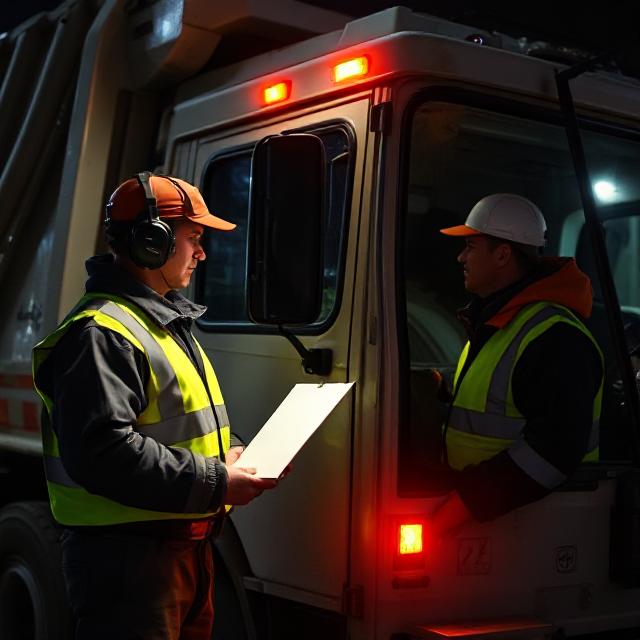
Many accidents occur due to miscommunication. A driver may assume a worker is clear of the truck when they’re not.
Preventive measures:
- Use two-way radios or headsets for constant communication.
- Develop hand signals for clear, quick instructions.
- Require drivers to perform a 360-degree check before moving.
PPE and Visibility in Traffic Zones
Personal protective equipment (PPE) is critical for visibility and protection.
Recommended PPE includes:
- High-visibility reflective vests or jackets (ANSI/ISEA 107-compliant).
- Steel-toed boots with slip-resistant soles.
- Gloves for grip and hand protection.
- Hard hats for urban collection areas with overhead risks.
Case Study: A Preventable Tragedy
In 2022, a waste collector in the U.S. was fatally struck when stepping off the rear truck platform into traffic. Investigators found inadequate crew-driver communication and no reflective PPE in use.
This highlights the need for systemic traffic safety training and consistent PPE compliance.
Employer Responsibilities
Employers have a duty to minimize traffic hazards for waste collection workers by:
- Conducting hazard assessments for each route.
- Providing ongoing driver and crew training.
- Equipping trucks with rear-view cameras, reflective markings, and audible alarms.
- Establishing clear SOPs for roadside collection tasks.
Building a Safety Culture
Safety culture is as important as equipment. Crews should:
- Hold daily toolbox talks on route hazards.
- Share near-miss reports without fear of blame.
- Rotate tasks to avoid fatigue.
- Support each other by watching for unsafe road situations.
Traffic Hazard Safety Measures Table
| Hazard | Risk to Workers | Best Practices / Controls |
|---|---|---|
| Truck Blind Spots | Workers struck when driver can’t see them | Train crews on blind spot zones, install mirrors/cameras, confirm eye contact before approach |
| Passing Road Traffic | Hit by oncoming or overtaking vehicles | High-vis PPE, cones/signage, hazard lights, off-peak route scheduling |
| Riding on Truck Steps | Falls, run-overs, crushing injuries | Only ride at slow speeds (<10 km/h), maintain 3 points of contact, never jump off moving truck |
| Walking Near Moving Truck | Struck or pinned between truck and obstacles | Stay clear of moving trucks, walk on driver-visible side, keep safe distance |
| Rear Compactor Area | Crushing or entanglement | Only approach when truck is fully stopped, never enter compactor zone |
| Poor Communication | Driver moves while worker is in danger | Use radios or hand signals, enforce 360° walk-around checks, driver-crew coordination |
| Low Visibility (Night/Weather) | Increased risk of traffic collisions | Reflective vests/jackets, truck lighting, flashing beacons, weather-specific adjustments |
Conclusion
Traffic hazards are the most significant risk facing garbage collection crews. By addressing truck blind spots, roadside traffic, riding practices, and communication, employers can reduce injuries and fatalities.

The key to survival on the streets is visibility, vigilance, and teamwork. Waste collection workers deserve protection as much as they provide it to the community by keeping environments clean.
For more workplace safety resources, visit OHSE.ca.