


Cement Dust Exposure Prevention: Practical OHSE Measures for Safer Worksites
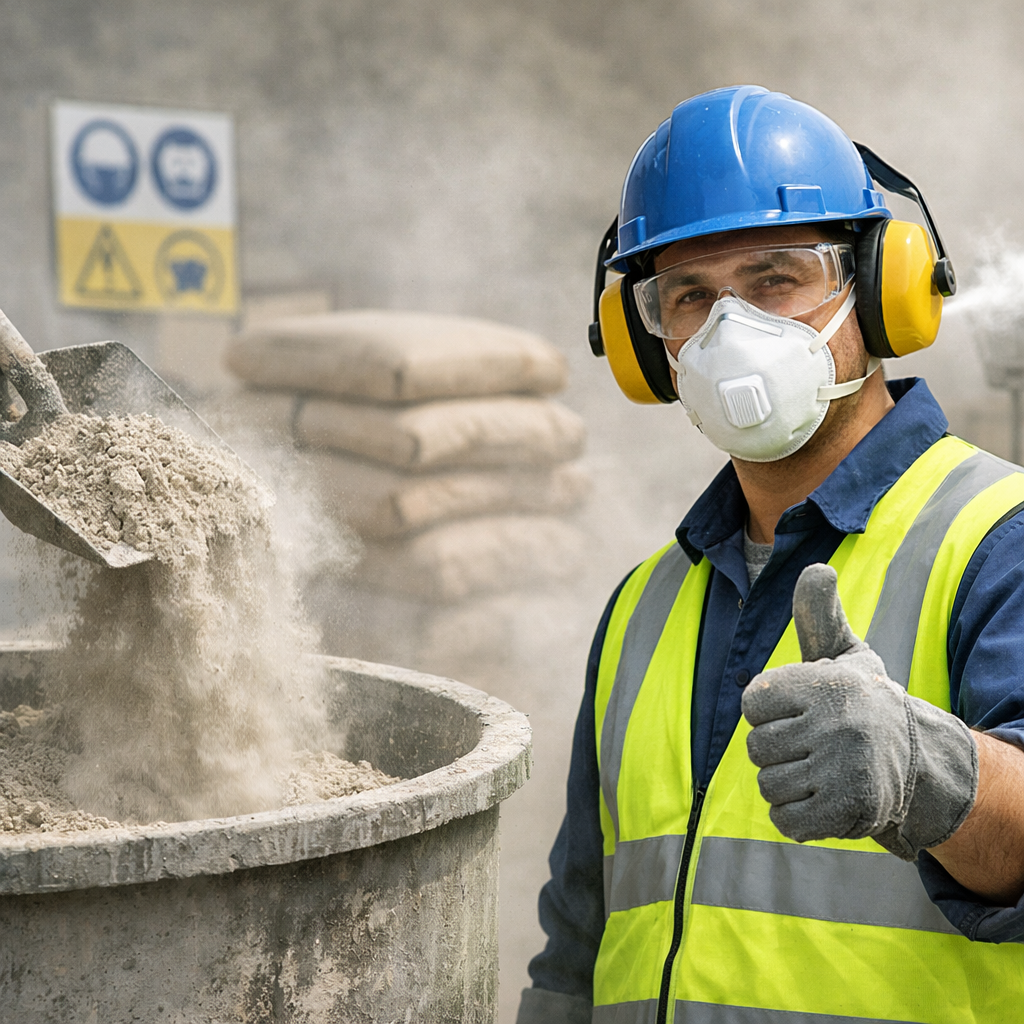


cement dust exposure prevention is a critical part of occupational health, safety, and environmental management in construction, manufacturing, and materials handling.
Where cement is cut, mixed, poured, swept, or demolished, fine dust can become airborne and create serious short-term and long-term health risks for workers nearby.
Because cement dust often seems like a routine byproduct of daily work, it may be underestimated.
In reality, repeated exposure can affect the lungs, skin, and eyes, while uncontrolled dust can also reduce visibility, contaminate work areas, and contribute to broader site safety failures.
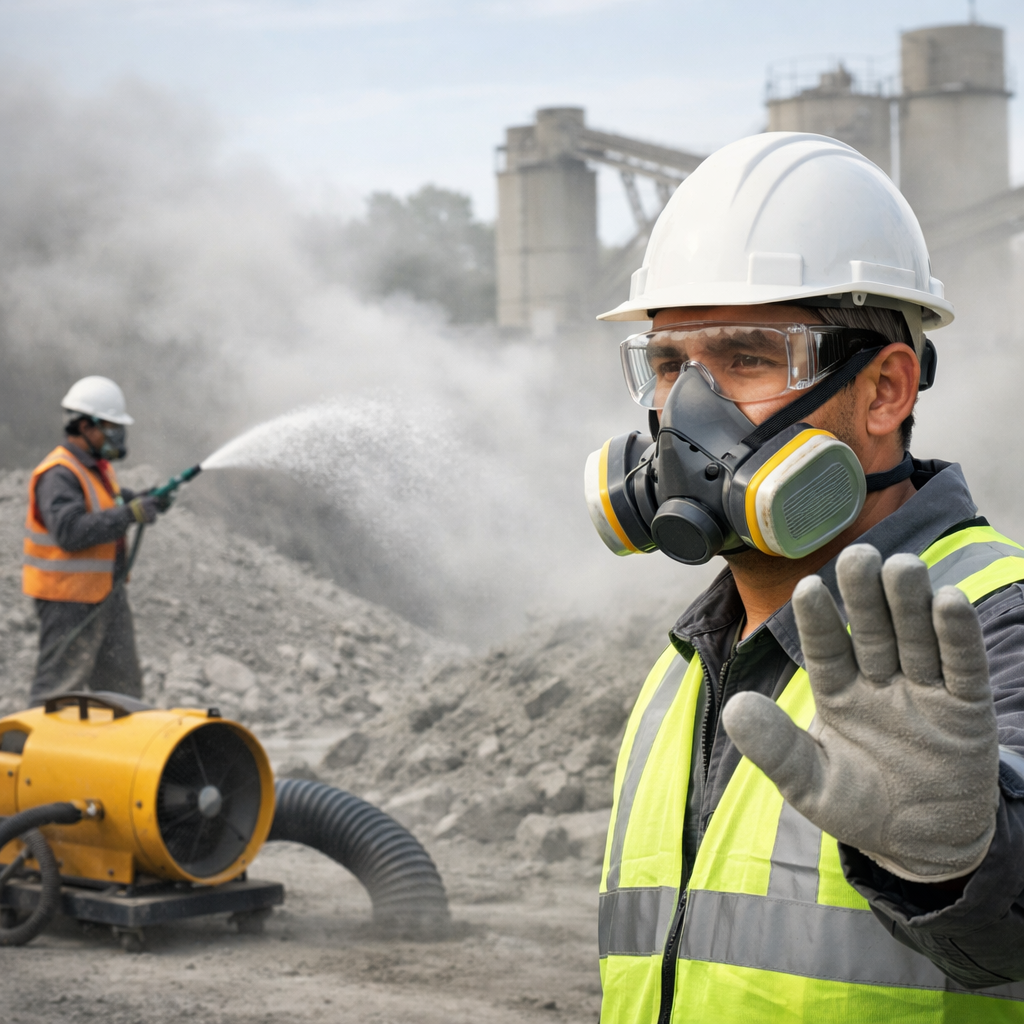
Effective cement dust exposure prevention depends on identifying dust-generating tasks, assessing risk levels, applying the Hierarchy of Controls, and making sure workers use the right procedures and personal protective equipment every time.
This article explains the main risks, prevention methods, PPE requirements, compliance expectations, and practical examples that help employers and workers reduce exposure in real workplaces.
Understanding Cement Dust Exposure Prevention and Why It Matters
Cement dust is made up of fine particles released during handling and processing of cement-based materials.
These particles may contain substances that irritate or damage the respiratory system, especially when exposure is frequent or prolonged.
Depending on the material and task, workers may also be exposed to respirable crystalline silica, a known occupational hazard associated with serious lung disease.
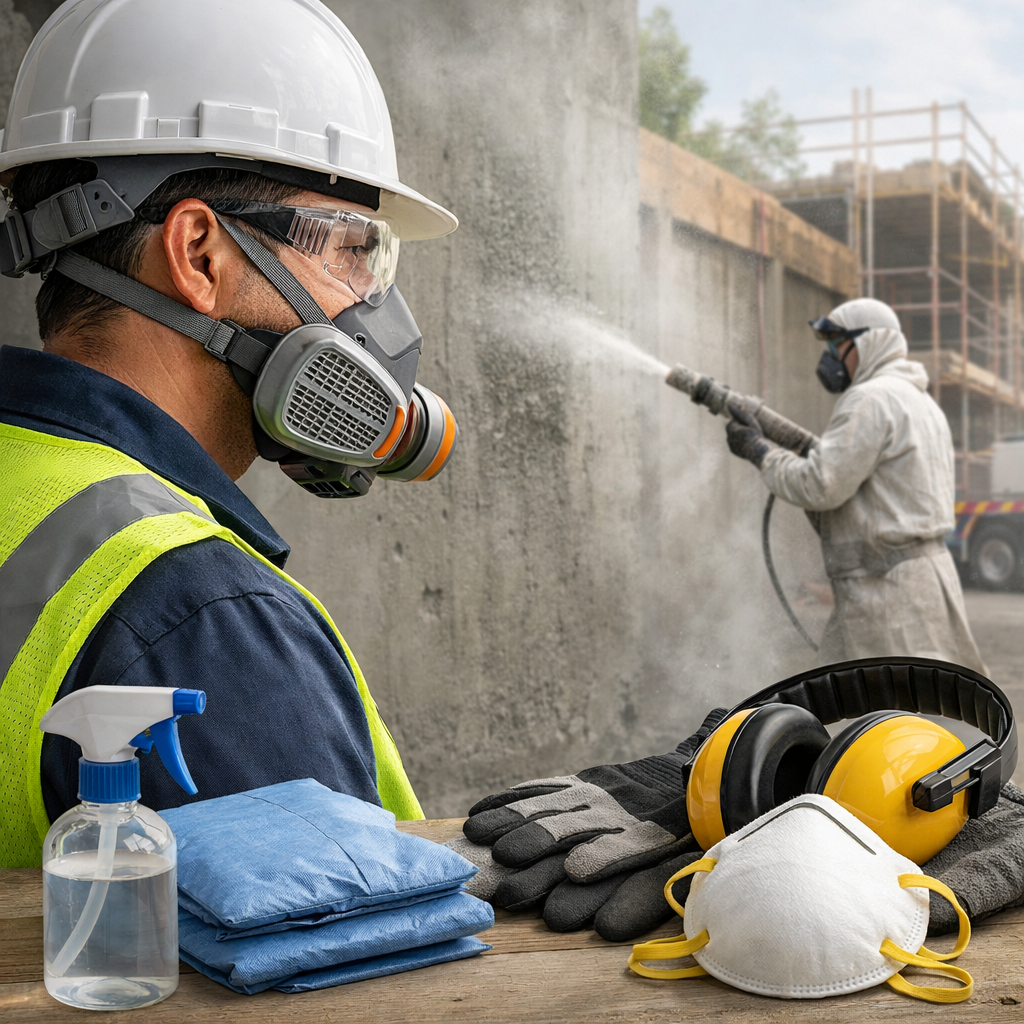
According to OSHA guidance on crystalline silica, inhaling respirable dust can lead to silicosis, chronic obstructive pulmonary disease, and other lasting health effects.
Wet cement and settled dust also create skin hazards.
Contact with cement can cause irritation, dryness, chemical burns, or allergic dermatitis, especially when dust gets trapped inside gloves, boots, sleeves, or clothing.
Eye contact may result in redness, pain, and abrasion, while airborne dust can make routine activities unsafe by limiting visibility and increasing slip hazards when it settles on floors and equipment.
Common high-exposure tasks
Some tasks produce more airborne dust than others, and these should be prioritized in any cement dust exposure prevention plan.
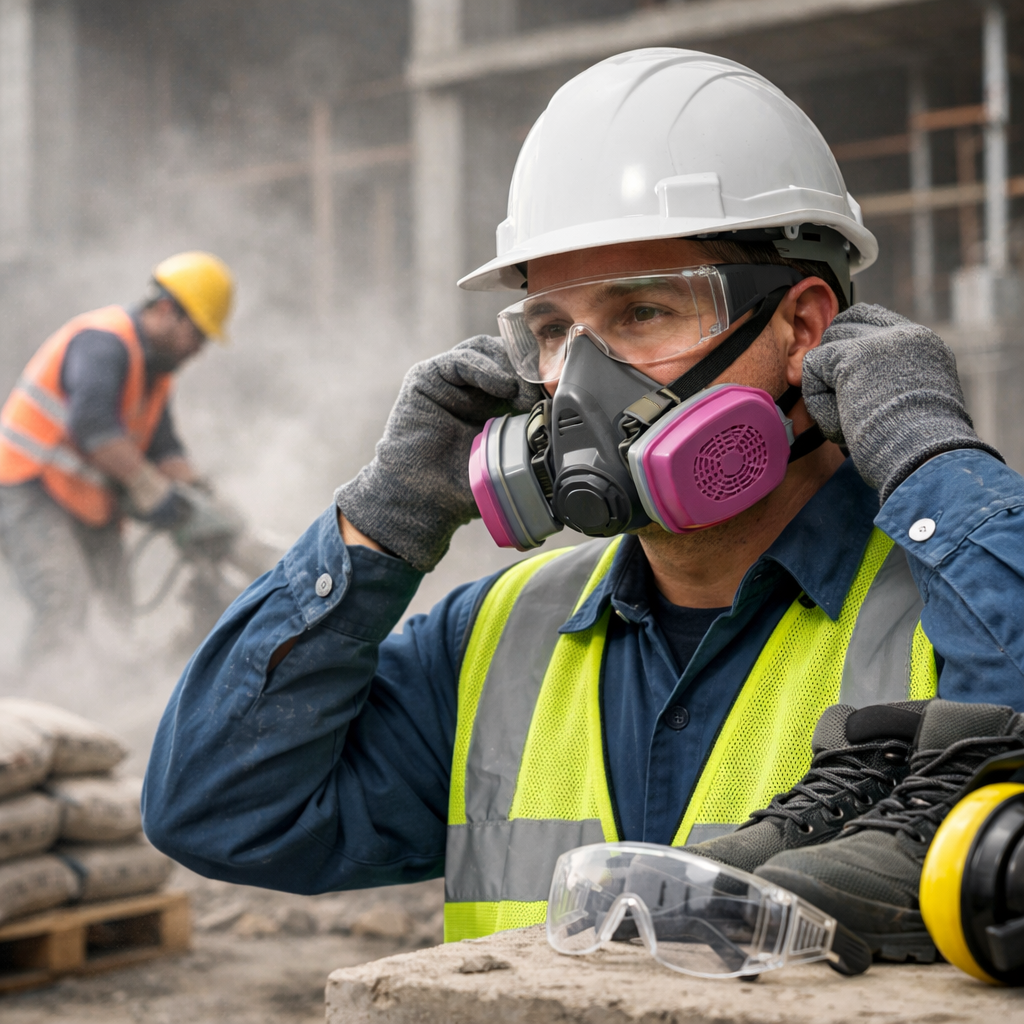
- Bagging, emptying, or transferring dry cement
- Mixing cement, mortar, or grout
- Cutting, drilling, or grinding concrete and masonry
- Sweeping dry residue from floors or platforms
- Demolition and cleanup of cement-based materials
- Loading trucks, hoppers, or silos
Supervisors should review these tasks during job hazard analysis and update controls whenever work methods change.
For broader site planning, many employers also align dust control efforts with their internal workplace risk assessment and PPE program checklist.
Health Risks Linked to Cement Dust Exposure
Good cement dust exposure prevention starts with understanding the consequences of poor control.
Workers exposed to airborne dust may first notice coughing, throat irritation, shortness of breath, or a burning sensation in the nose and eyes.
These early symptoms are often dismissed, but they may indicate that existing controls are weak or not being followed.
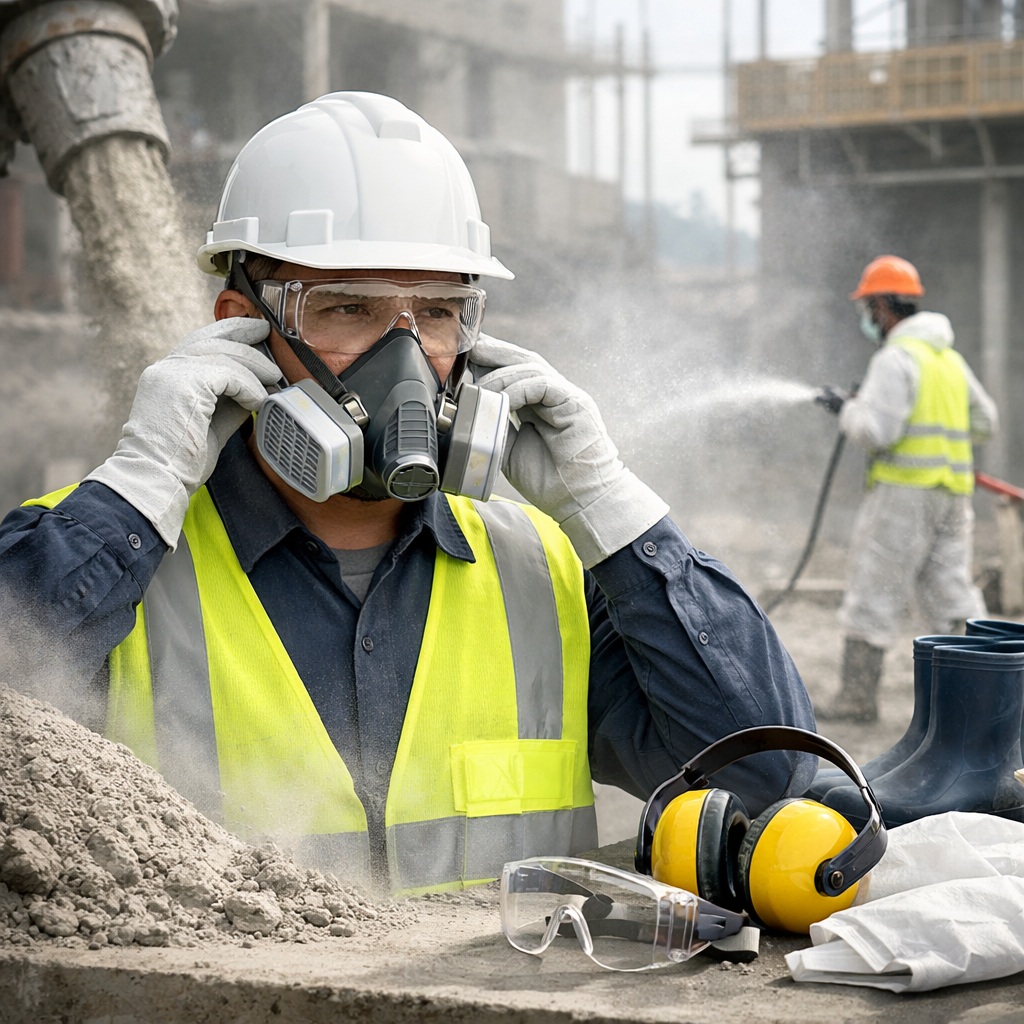
Repeated inhalation of fine particles can contribute to chronic respiratory conditions over time.
If silica-containing dust is present, the risk becomes more serious, particularly in enclosed or poorly ventilated spaces.
Guidance from the CCOHS cement health and safety resource highlights the need to control both inhalation and skin contact due to the material’s irritating and corrosive properties.
Typical health effects by exposure route
| Exposure route | Possible effects | Typical high-risk situations |
|---|---|---|
| Inhalation | Coughing, breathing difficulty, lung irritation, chronic respiratory disease | Mixing, cutting, grinding, sweeping dry dust |
| Skin contact | Dryness, irritation, dermatitis, chemical burns | Handling wet cement, dust inside gloves or boots |
| Eye contact | Redness, pain, watering, abrasion | Overhead work, windy outdoor handling, poor face protection |
| Ingestion | Mouth and digestive tract irritation | Contaminated hands, eating or drinking in dusty areas |
These risks show why cement dust exposure prevention should never be treated as a minor housekeeping issue.
It is a direct worker health concern and a core OHSE responsibility.
Cement Dust Exposure Prevention Using the Hierarchy of Controls
The most effective cement dust exposure prevention strategies focus on controlling the hazard at its source before relying on PPE.
This is where the Hierarchy of Controls becomes essential.
Elimination and substitution
Elimination is not always possible in cement-related work, but some tasks can be redesigned to reduce the need for dry handling.
For example, ordering pre-mixed materials instead of mixing from dry bags on site can lower dust generation significantly.
Using less dusty products, enclosed transfer systems, or alternative application methods may also reduce exposure.
Engineering controls
Engineering controls are often the backbone of cement dust exposure prevention.
These methods reduce airborne dust before it reaches the worker.
- Use local exhaust ventilation at mixing, cutting, and transfer points
- Apply wet methods to suppress dust during cutting or cleanup
- Use on-tool extraction systems with HEPA filtration where appropriate
- Install enclosed conveyors, chutes, or sealed delivery systems
- Maintain negative pressure or dedicated ventilation in enclosed dusty areas
A practical example is a masonry crew using water-fed saws instead of dry cutting concrete blocks.
This simple engineering change can sharply reduce visible dust and improve compliance with respirable dust exposure limits.
Administrative controls
Administrative controls support engineering measures by changing how work is organized.
Employers should schedule high-dust tasks when fewer workers are present, restrict access to dusty areas, and provide clear work instructions for handling and cleanup.
Dry sweeping should be avoided where possible.
Instead, use HEPA-filtered vacuums or wet cleanup methods.
Training is also central to cement dust exposure prevention.
Workers need to understand exposure risks, early symptoms, correct PPE use, emergency washing procedures, and safe storage and disposal practices.
Routine inspections and exposure monitoring help verify whether controls are working as intended.
PPE, Compliance, and Practical Examples for Cement Dust Exposure Prevention
Even with strong engineering and administrative controls, PPE remains an important layer in cement dust exposure prevention.
However, PPE should be selected based on the task, exposure level, and site conditions rather than used as the only control.
Recommended PPE for cement dust work
- Respiratory protection suitable for the dust level and task
- Safety goggles or sealed eye protection where dust is airborne
- Gloves resistant to cement contact
- Long sleeves, full-length trousers, and protective footwear
- Wash stations or emergency eyewash facilities near mixing or handling areas
Respirators should be part of a formal respiratory protection program that includes fit testing, maintenance, training, and medical considerations where required by law.
Workers handling wet cement should also change contaminated clothing promptly and wash exposed skin thoroughly.
Allowing cement dust to remain inside PPE or on the skin can turn a basic irritation into a more serious injury.
Compliance and OHSE responsibilities
Employers are generally required to assess hazards, implement feasible controls, train workers, provide suitable PPE, and maintain safe work systems.
Standards and guidance from OSHA, CCOHS, and local regulators should be used to shape workplace procedures, especially where silica exposure is possible.
Compliance is not just about paperwork.
It means making sure dust controls are available, used consistently, inspected regularly, and improved when field conditions change.
Supervisors should document toolbox talks, air monitoring results, maintenance of dust control equipment, and corrective actions after inspections or incidents.
Practical workplace examples
On a small renovation site, a crew removing old mortar may generate heavy dust in a confined space.
A better approach is to isolate the work area, use shrouded tools with vacuum extraction, require fitted respiratory protection, and clean debris with a HEPA vacuum instead of dry sweeping.
On a ready-mix plant, workers emptying returned dry cement residue into open bins may face repeated inhalation risks.
Installing enclosed disposal points, improving ventilation, and revising handling procedures can reduce daily exposure.
On a civil project, laborers mixing bagged cement outdoors may assume open air is enough protection.
But if the task is frequent and workers stand directly in the dust plume, they still need controls such as controlled pouring, upwind positioning, eye protection, and suitable respirators.
These examples show that cement dust exposure prevention works best when controls are matched to the actual task rather than applied as a generic rule.
In conclusion, cement dust exposure prevention is an essential OHSE priority for any workplace that handles cement or cement-based materials.
By recognizing the health risks, applying the Hierarchy of Controls, selecting the right PPE, and following recognized compliance standards, employers can greatly reduce injuries and occupational illness.
Practical steps such as wet methods, local exhaust ventilation, restricted access, proper housekeeping, and worker training make a measurable difference on real jobsites.
When cement dust exposure prevention is built into planning, supervision, and daily work habits, safer and healthier outcomes become far more achievable.