


exposure to hazardous drugs safety: Essential OHSE Practices for Safer Healthcare Workplaces
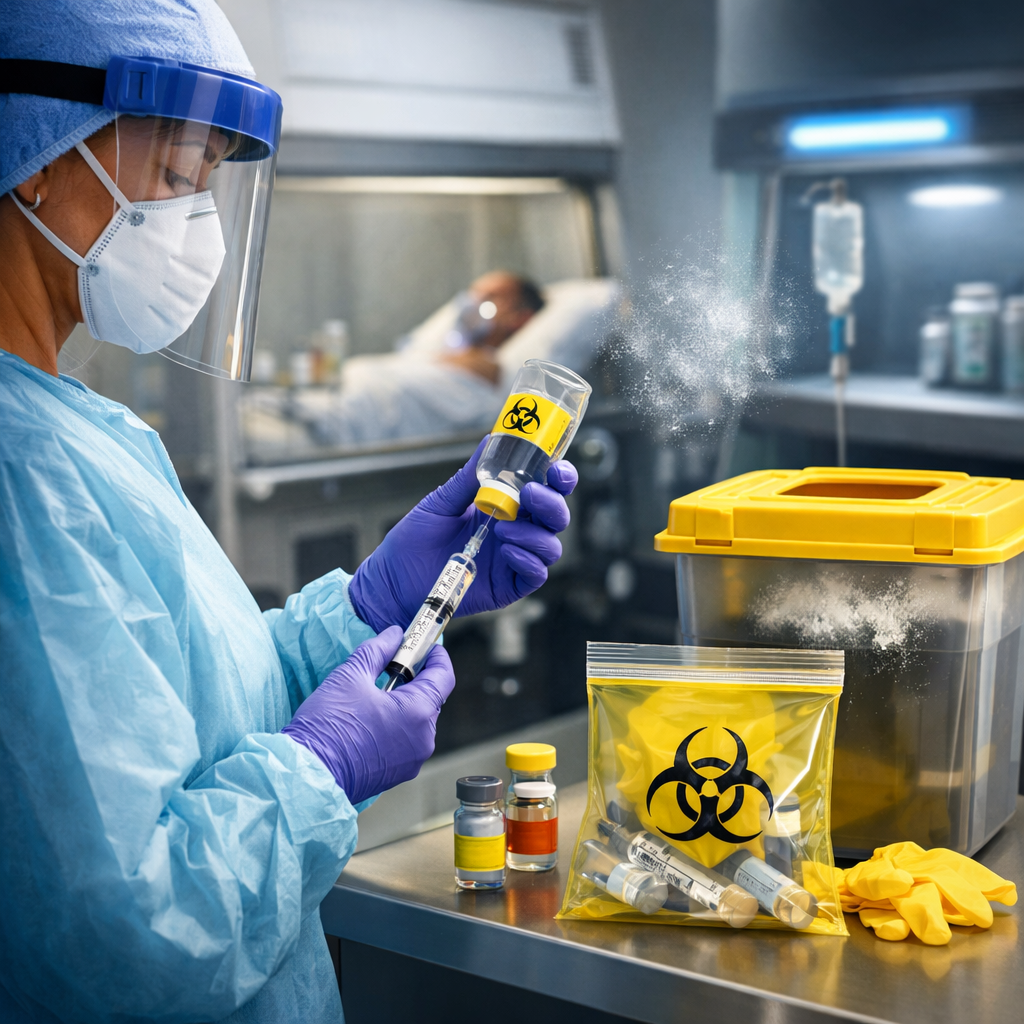


exposure to hazardous drugs safety is a critical occupational health, safety, and environment issue in hospitals, clinics, pharmacies, veterinary settings, and home care services.
Workers who prepare, transport, administer, or dispose of hazardous drugs can face serious health risks if controls are weak or inconsistently applied.
These risks do not affect pharmacists and nurses alone. Cleaning staff, waste handlers, receiving personnel, laboratory teams, and even maintenance workers may be exposed through contaminated surfaces, aerosols, spills, or improperly managed waste.
Because hazardous drugs can cause cancer, reproductive harm, organ toxicity, skin damage, and other adverse effects, employers need structured prevention systems that go beyond basic handling instructions.
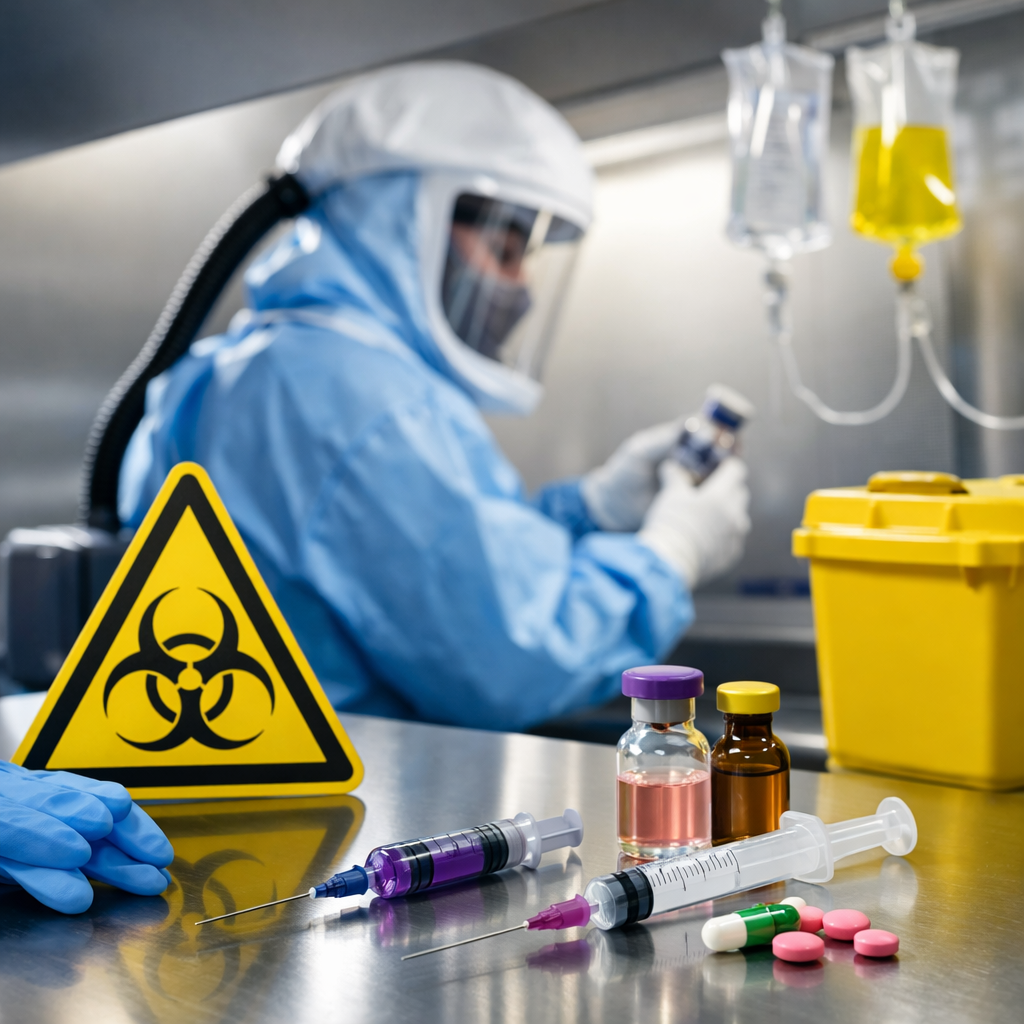
A strong exposure to hazardous drugs safety program combines risk assessment, engineering controls, safe work procedures, personal protective equipment, training, and ongoing compliance monitoring.
Organizations such as OSHA and the CCOHS both support a preventive approach that treats these substances as a significant workplace hazard requiring layered controls.
Understanding exposure to hazardous drugs safety in real workplaces
Hazardous drugs include medications known to have carcinogenicity, teratogenicity, reproductive toxicity, genotoxicity, organ toxicity at low doses, or a structure and toxicity profile similar to dangerous agents.
Examples often include chemotherapy drugs, antiviral medications, some hormones, immunosuppressants, and certain investigational drugs.
In practice, exposure to hazardous drugs safety becomes relevant across the full medication lifecycle.
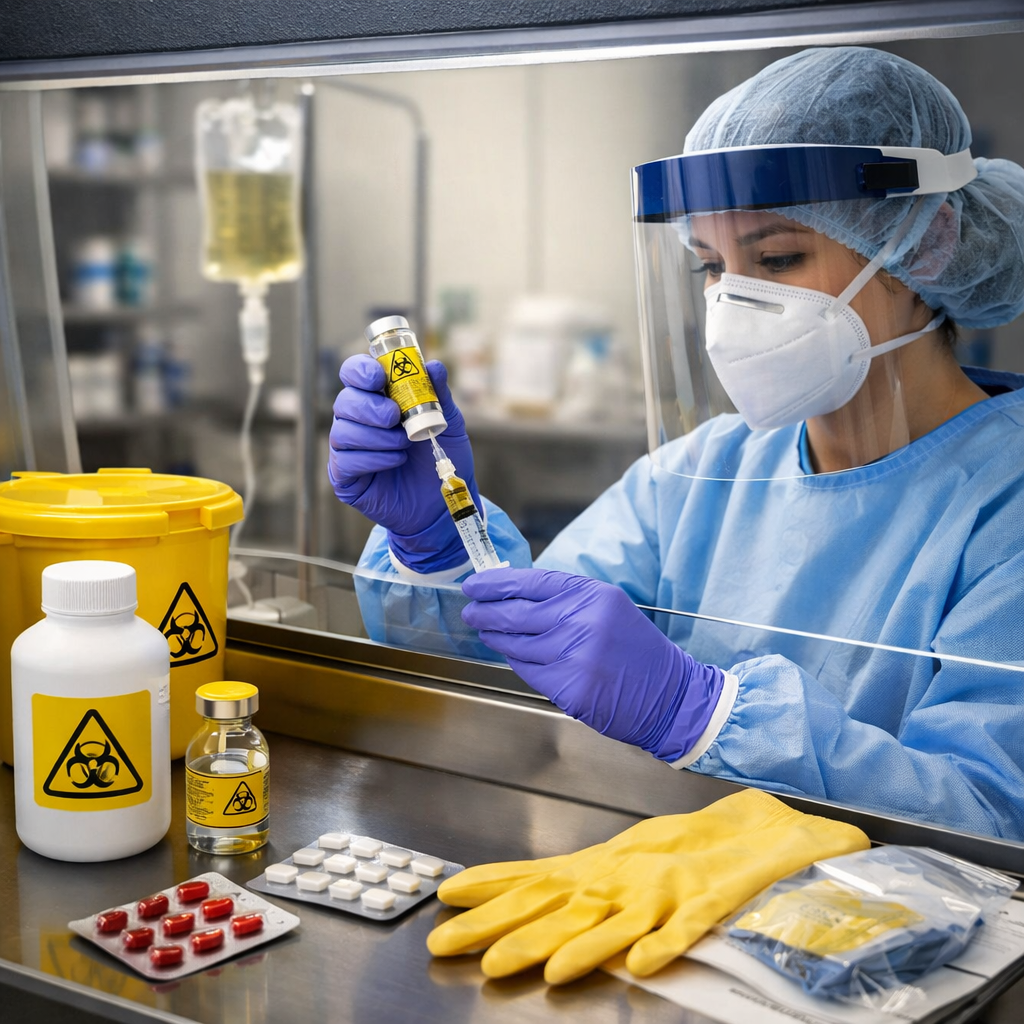
Risk can begin when shipments are received and outer packaging is contaminated.
It continues during compounding, dispensing, administration, patient care, linen handling, spill response, and waste disposal.
A nurse connecting an IV line, a pharmacy technician crushing tablets, or a cleaner wiping a treatment chair after patient use may all encounter hazardous residues without realizing it.
One practical example is an oncology unit where drug vials are unpacked at a general nursing station instead of a controlled pharmacy area.
If packaging is contaminated, the work surface, gloves, pens, phones, and nearby equipment can become secondary exposure sources.
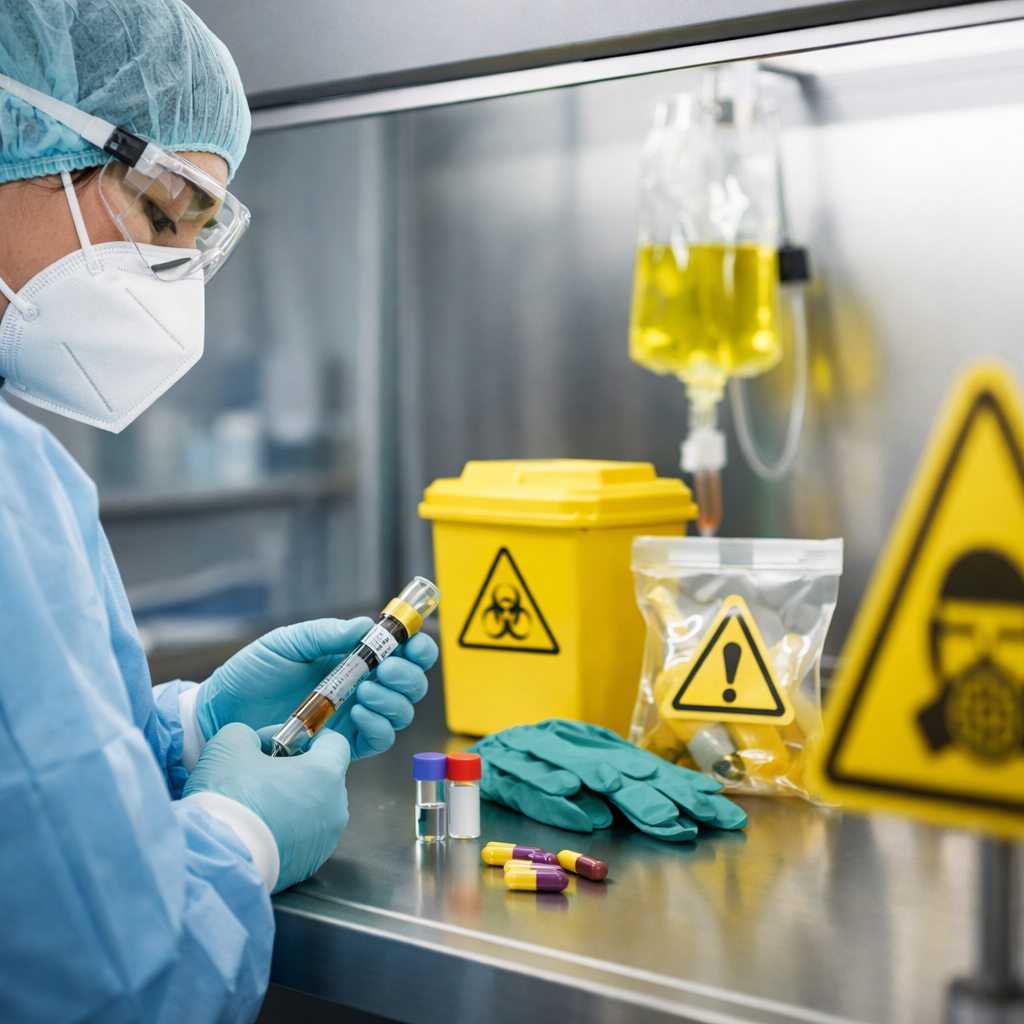
Another example is home care, where a worker may administer medication in a room with poor ventilation and no designated spill kit nearby.
These common scenarios show why exposure to hazardous drugs safety must be addressed as a system issue, not just an individual behavior issue.
Key risks and routes of exposure
To improve exposure to hazardous drugs safety, employers first need to understand how workers are exposed.
Contact can happen through inhalation, skin absorption, accidental ingestion, or injection from sharps injuries.
Surface contamination is one of the most underestimated risks because workers may not notice residue on counters, infusion pumps, floors, gowns, or waste bins.
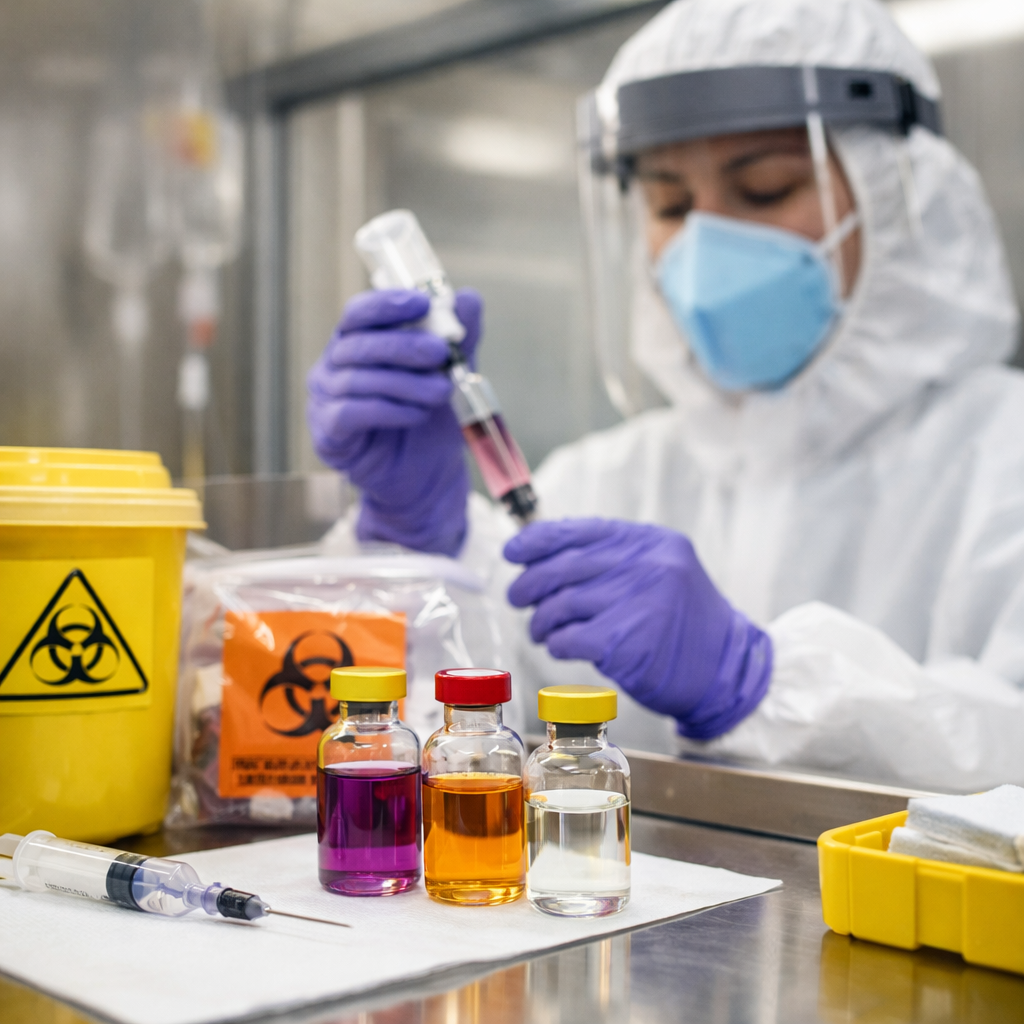
Short-term health effects may include headaches, skin rashes, eye irritation, dizziness, or allergic reactions.
Long-term effects can be far more serious, including fertility problems, miscarriage, birth defects, asthma-like symptoms, liver or kidney damage, and elevated cancer risk depending on the drug and level of exposure.
Workers who are pregnant, trying to conceive, or breastfeeding may face additional concerns and should be protected through confidential hazard communication and accommodation processes.
Common workplace exposure points
- Receiving and unpacking drug shipments
- Compounding and reconstituting medications
- Administering IV, oral, topical, or aerosolized drugs
- Handling patient excreta, linen, and contaminated laundry
- Cleaning drug preparation and treatment areas
- Managing spills and broken containers
- Transporting and disposing of hazardous drug waste
Facilities can strengthen controls by reviewing incident reports, contamination testing data, and tasks that fall outside standard workflows.
For example, after-hours medication handling often carries greater risk because fewer trained staff may be available.
Teams can also review related guidance in their own workplace risk assessment process and update procedures when workflows change.
Prevention strategies and the Hierarchy of Controls
The most effective exposure to hazardous drugs safety programs apply the Hierarchy of Controls rather than relying only on gloves and gowns.
Because hazardous drugs cannot usually be eliminated from healthcare operations, employers should focus on substitution where possible, then prioritize engineering controls, administrative controls, and PPE.
Applying the Hierarchy of Controls
Elimination and substitution: In many cases, complete elimination is not realistic, but safer formulations or ready-to-administer products may reduce handling steps.
For example, using pre-mixed doses from a qualified compounding service can lower the need for on-site preparation.
Engineering controls: These are central to exposure to hazardous drugs safety.
Examples include biological safety cabinets, compounding aseptic containment isolators, closed-system drug-transfer devices, local exhaust ventilation, and clearly segregated preparation areas.
Negative pressure rooms may also be required depending on the task and applicable standards.
Administrative controls: Policies, competency-based training, restricted access, standard operating procedures, labeling, medical surveillance, housekeeping protocols, and spill response planning all fall into this category.
Scheduling can also help by limiting unnecessary traffic in preparation areas and ensuring experienced staff perform higher-risk tasks.
Personal protective equipment: PPE is the last line of defense, but it remains essential when used correctly and consistently.
A practical prevention plan should also include routine decontamination, not just end-of-day cleaning.
Drug residues can persist on touchpoints, so cleaning methods must match the chemical hazard and manufacturer instructions.
Detailed handling procedures should also be accessible through internal resources such as your OHSE procedures library.
PPE, training, and practical safe handling examples
PPE for exposure to hazardous drugs safety should be task-specific and supported by training.
Typical PPE may include chemotherapy-tested gloves, impermeable gowns, eye and face protection, and respiratory protection where aerosol or powder exposure is possible.
Double gloving may be required for compounding and administration tasks.
However, PPE only works when staff know how to inspect it, put it on, remove it safely, and dispose of it without contaminating themselves or nearby surfaces.
Basic PPE and control summary
| Task | Main Risk | Recommended Controls |
|---|---|---|
| Unpacking shipments | Contaminated outer packaging | Designated area, gloves, surface cleaning, staff training |
| Drug compounding | Aerosols, spills, direct contact | Containment cabinet, closed-system transfer device, double gloves, gown |
| Administration to patients | Leaks, line disconnection, splash | PPE, primed tubing controls, spill kit access, safe disposal |
| Cleaning contaminated areas | Surface residue exposure | Approved cleaning method, gloves, gown, waste segregation |
| Waste handling | Residual drug contact | Labeled containers, sealed bags, PPE, disposal procedure |
Consider a practical example from a cancer treatment center.
A small drip is discovered beneath an infusion pole after a patient transfer.
If the worker has immediate access to a spill kit, knows the reporting procedure, isolates the area, wears the correct PPE, and follows decontamination steps, the event remains controlled.
If the spill is wiped with a standard paper towel by an untrained worker, contamination can spread to shoes, nearby chairs, waste bins, and hands.
That difference is the real-world value of exposure to hazardous drugs safety training.
Training should cover hazard recognition, labeling, routes of exposure, PPE limits, emergency procedures, waste management, and incident reporting.
Refresher training is especially important when new drugs, devices, or compounding processes are introduced.
For technical guidance, many employers also consult NIOSH recommendations on hazardous drug handling.
Compliance, monitoring, and continuous improvement
Compliance is a major part of exposure to hazardous drugs safety because written procedures alone do not guarantee protection.
Supervisors and safety leaders should verify that controls are being used as designed and that gaps are corrected quickly.
This may include audits, competency checks, environmental wipe sampling, exposure incident reviews, preventive maintenance of engineering controls, and health surveillance where appropriate.
Documentation matters as well.
Organizations should maintain hazardous drug inventories, safety data access, training records, cleaning logs, spill reports, and maintenance records for cabinets and ventilation systems.
Contractors and temporary workers should not be overlooked, especially in facilities where waste removal or equipment servicing may involve contaminated areas.
Effective compliance also means clear alignment with national regulations, accreditation requirements, and recognized best practice guidance.
Employers should review whether their program reflects current expectations from OSHA, CCOHS, NIOSH, and applicable pharmacy or healthcare standards in their jurisdiction.
Most importantly, workers need to feel confident reporting near misses such as a torn glove, a leaking IV connection, or repeated contamination in one room.
Those reports often reveal system weaknesses before serious harm occurs.
In the end, exposure to hazardous drugs safety depends on a workplace culture that treats every stage of drug handling as a potential source of harm and controls it accordingly.
With strong risk assessment, practical prevention measures, correct PPE, and consistent compliance oversight, employers can greatly reduce exposure and protect the health of everyone involved in patient care and support services.
That is why exposure to hazardous drugs safety should remain a visible, regularly reviewed priority in every healthcare OHSE program.