
Hazard Communication Program Tips for Compliance and Safer Workplaces

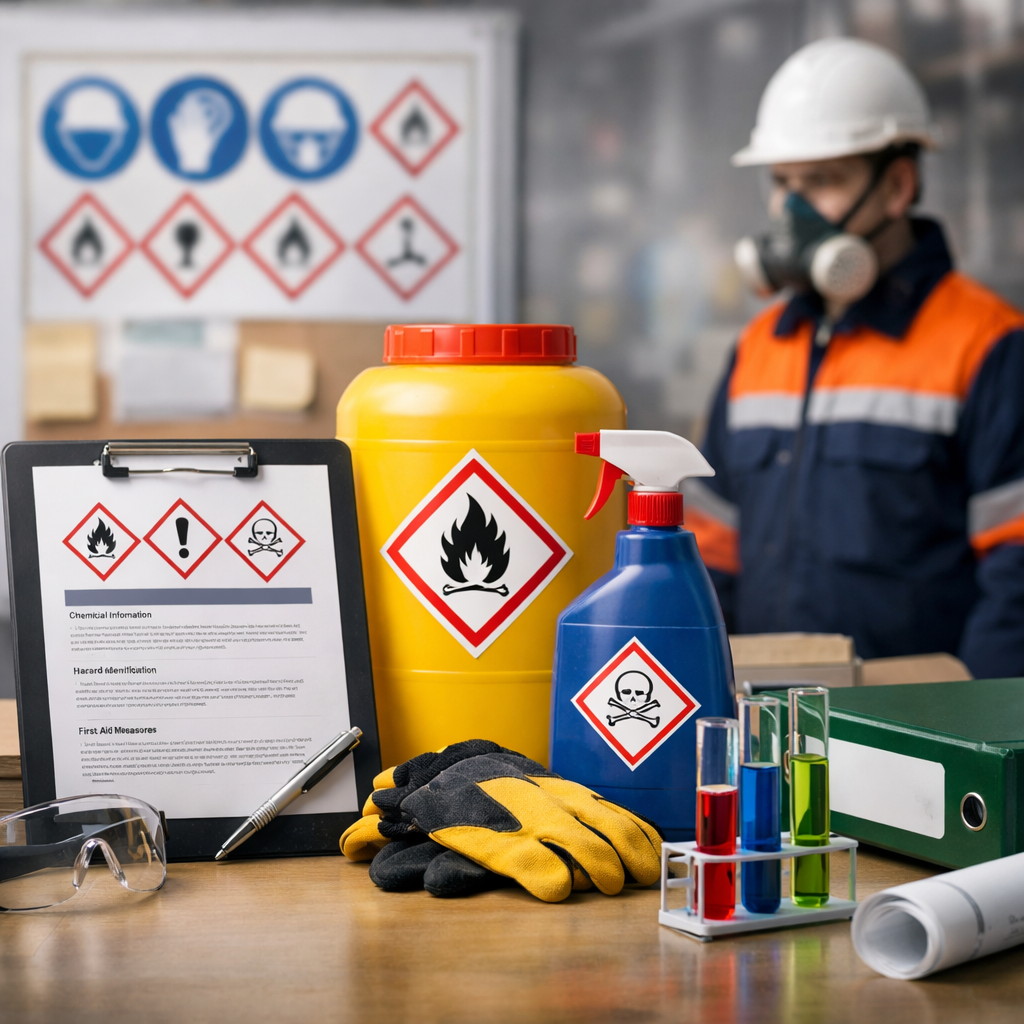
Hazard communication program compliance is one of the most important parts of protecting employees who work with or around hazardous chemicals.
A well-built program helps workers understand chemical risks, use the right precautions, and respond correctly if something goes wrong. It also helps employers meet regulatory expectations under standards such as OSHA’s Hazard Communication Standard and guidance from OSHA and CCOHS.
Whether your workplace is a warehouse, manufacturing facility, laboratory, healthcare setting, or maintenance shop, a strong hazard communication program should be practical, easy to follow, and regularly updated. The goal is not just to keep binders on shelves. The goal is to make sure every worker knows what chemicals are present, what hazards they create, and how to work safely every day.
What a Hazard Communication Program Should Include
A complete hazard communication program should clearly explain how chemical hazards are identified, communicated, and controlled in the workplace.
At a minimum, the program should document responsibilities, chemical inventories, labeling systems, safety data sheet access, employee training, and review procedures.
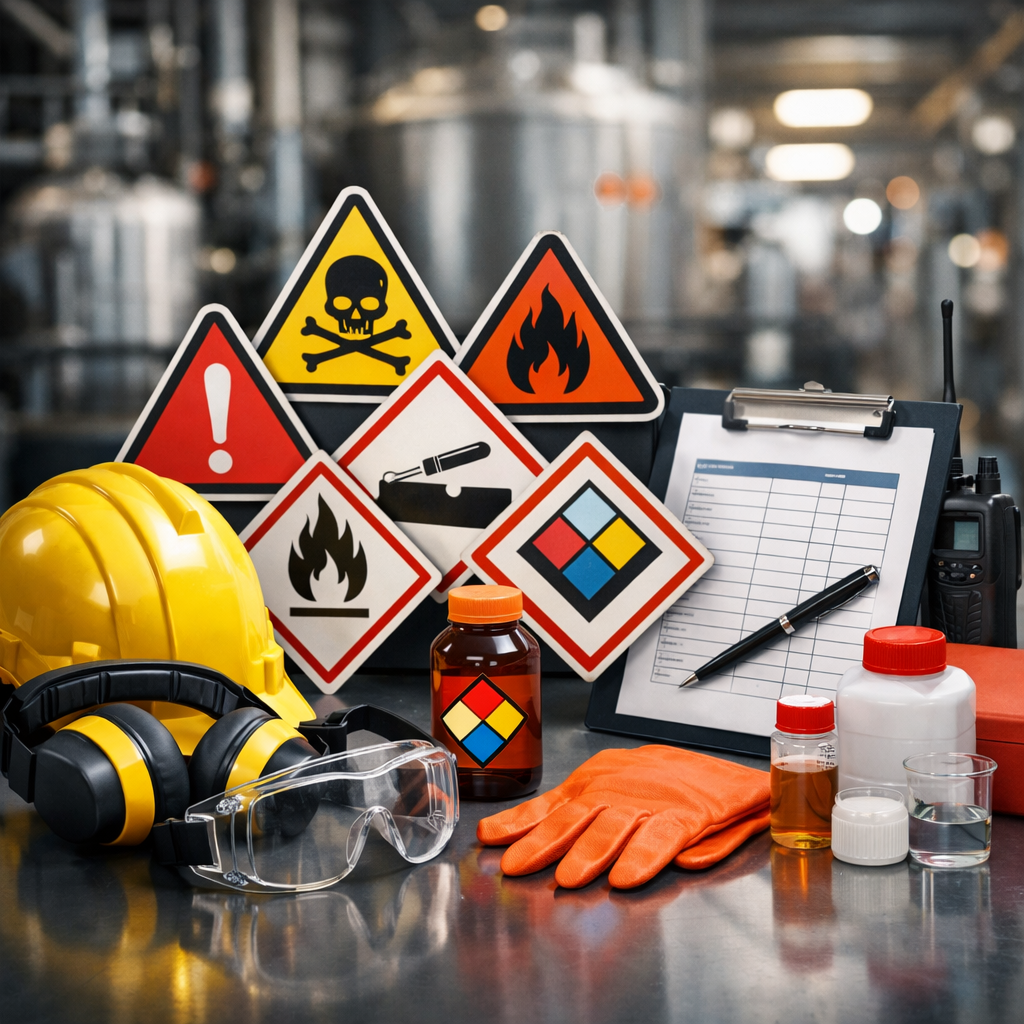
Core elements of a written program
- Chemical inventory: A current list of all hazardous products used, stored, or handled on site.
- Labeling procedures: Instructions for ensuring all primary and secondary containers are properly labeled.
- Safety Data Sheets: A system for collecting, organizing, and making SDSs available to workers during every shift.
- Training requirements: Initial and refresher training for employees exposed to hazardous chemicals.
- Roles and responsibilities: Clear accountability for supervisors, managers, purchasing staff, and workers.
- Non-routine task procedures: Extra steps for unusual work such as tank cleaning, spill response, or confined space entry.
- Contractor communication: A process for sharing hazard information with outside workers and receiving their hazard details in return.
The written program should match actual site conditions. If your document says employees can access SDSs electronically, that access must work on the shop floor, not just in the main office.
It is also good practice to connect your chemical hazard processes with related programs such as PPE, spill response, emergency planning, and safety training procedures.
How to Build a Hazard Communication Program That Works in Practice
A compliant hazard communication program should be more than paperwork. It should support day-to-day work decisions and reduce exposure risks before incidents happen.
One of the best ways to do that is to apply the Hierarchy of Controls when reviewing chemical use in the workplace.
Use the Hierarchy of Controls for chemical risks
If a cleaning solvent causes strong vapors, the best response may not be to issue better gloves alone. First, ask whether the chemical can be eliminated or replaced with a safer product.
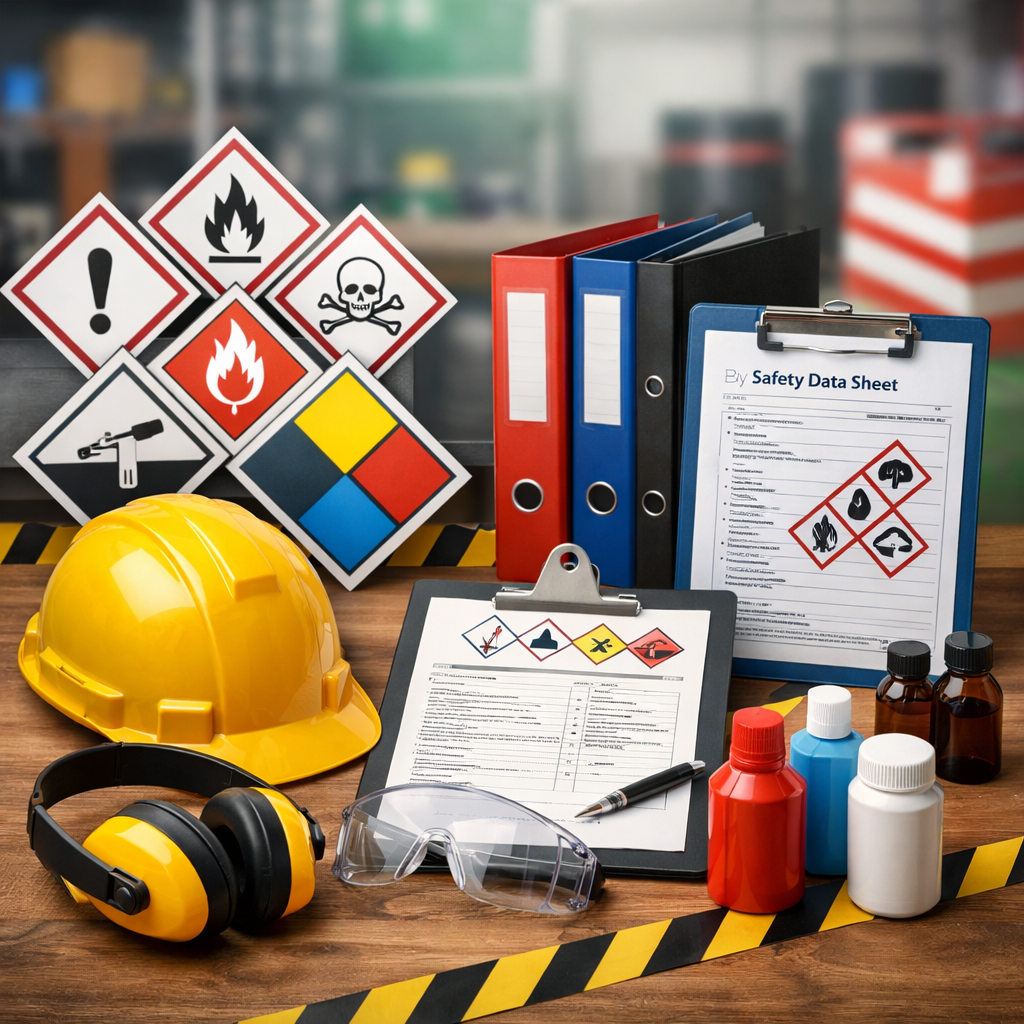
If substitution is not possible, engineering controls such as local exhaust ventilation, enclosed dispensing systems, or splash guards may reduce exposure more effectively than relying only on PPE.
Administrative controls also matter. These may include limiting access, rotating tasks, setting safer handling procedures, and improving housekeeping. PPE remains important, but it should be the final layer, not the only one.
Practical workplace examples
In a manufacturing plant, welders may use solvents to clean metal parts before production. The hazard communication program should identify flammability and inhalation risks, ensure containers are labeled, confirm SDS access, and train workers on ventilation and glove selection.
In a healthcare setting, environmental services staff may use disinfectants that can irritate the skin, eyes, or lungs. The program should explain dilution procedures, incompatible chemical mixtures, required PPE, and what to do if exposure occurs.
In a warehouse, battery charging areas may involve sulfuric acid and hydrogen gas. A good program would cover labeling, eyewash availability, emergency response, and training for spill neutralization procedures.

Labels, Safety Data Sheets, and Training: The Compliance Essentials
For many employers, the most visible parts of a hazard communication program are labels, SDSs, and worker training. These three elements form the foundation of chemical hazard awareness.
Keep labels clear and consistent
Every hazardous chemical container should be labeled correctly. That includes shipped containers and workplace containers used for transfer, mixing, or temporary storage.
Labels should identify the product and communicate its hazards clearly. Workers should be trained to recognize signal words, pictograms, hazard statements, and precautionary statements. If secondary containers are common in your workplace, spell out exactly when and how they must be labeled.
Make SDS access immediate
Safety Data Sheets must be readily accessible to workers during their shift. If your site uses digital SDS access, ensure employees know how to retrieve them quickly and that backups are available during network outages.
Supervisors should also know how to use SDS information during incident response, first aid, and spill management. For detailed guidance on SDS and WHMIS-aligned communication, many employers refer to CCOHS SDS resources.
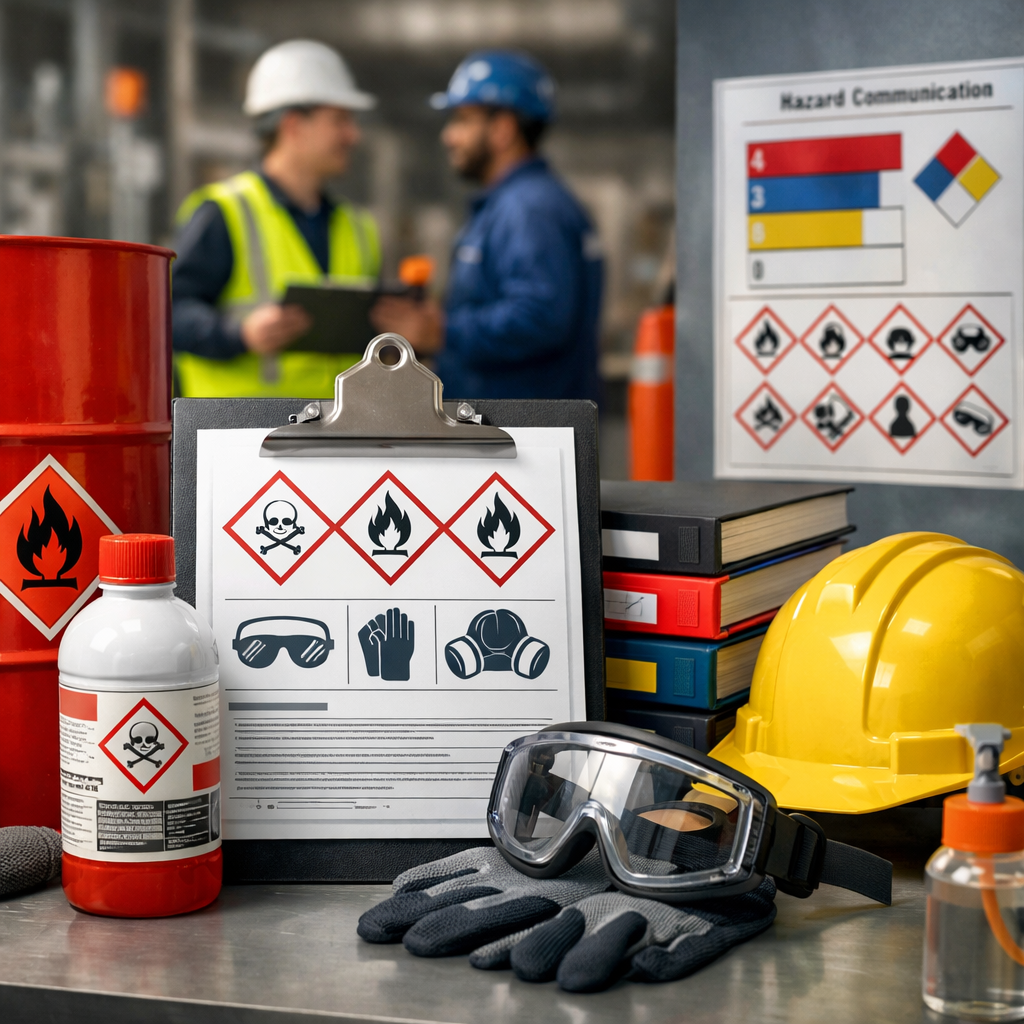
Train for understanding, not just attendance
Training should happen when employees are first assigned work with hazardous chemicals and whenever new hazards are introduced.
Effective training should cover:
- How to read labels and SDSs
- Physical and health hazards of chemicals used on site
- Safe handling, storage, and disposal procedures
- Required PPE and its limitations
- Emergency actions for spills, fires, or exposure incidents
- How employees can detect the presence or release of hazardous chemicals
Short quizzes, demonstrations, and supervisor observations can help confirm that workers truly understand the material. Training records should be kept current and easy to retrieve during audits or inspections.
How to Keep Your Hazard Communication Program Current
Even a strong hazard communication program can fall out of date quickly if the workplace changes and the documentation does not. New chemicals, revised SDSs, process changes, contractor activities, and staff turnover can all create compliance gaps.
The best approach is to treat the program as a living system that is reviewed regularly and updated whenever conditions change.
When to review and update the program
You should review your written program at least annually, but more frequent checks are often better for busy workplaces.
Updates are especially important when:
- A new chemical product is introduced
- An SDS is revised by the supplier
- A process or task changes exposure potential
- New equipment affects ventilation or chemical handling
- An incident, near miss, or inspection identifies a weakness
- Contractors begin work involving hazardous substances
Simple compliance review table
| Program Element | What to Check | Recommended Review Frequency |
|---|---|---|
| Chemical inventory | All hazardous products listed and matched to current use areas | Monthly or when products change |
| Labels | Primary and secondary containers properly labeled | Weekly supervisor checks |
| Safety Data Sheets | Latest SDS versions available and accessible | Quarterly |
| Training records | New hires trained and refresher training completed | Quarterly |
| Written program | Responsibilities, procedures, and emergency steps still accurate | Annually or after major changes |
It also helps to involve workers in reviews. Employees often notice missing labels, hard-to-find SDSs, or unclear instructions before managers do. A quick floor-level audit can reveal whether the written hazard communication program reflects reality.
Purchasing controls are another effective tool. Requiring EHS or safety review before a chemical is ordered can prevent unapproved products from entering the site without an SDS, training plan, or proper storage arrangement. This approach works well alongside broader workplace risk assessment processes.
Finally, document your changes. If an inspector asks how your hazard communication program is maintained, you should be able to show revision dates, updated inventories, training logs, and corrective actions. Good records support both compliance and continuous improvement.
In the end, a reliable hazard communication program protects people by turning chemical hazard information into clear action. When your program includes a complete inventory, accurate labels, accessible SDSs, effective training, and regular reviews, compliance becomes much easier to manage. More importantly, workers gain the knowledge they need to recognize risks, use controls properly, and respond safely in real workplace conditions. A current hazard communication program is not just a regulatory requirement. It is a practical foundation for a safer and more confident workplace.
No comments yet