


Permit to Work System Basics for Hazardous Tasks: Critical Controls for Safer Work


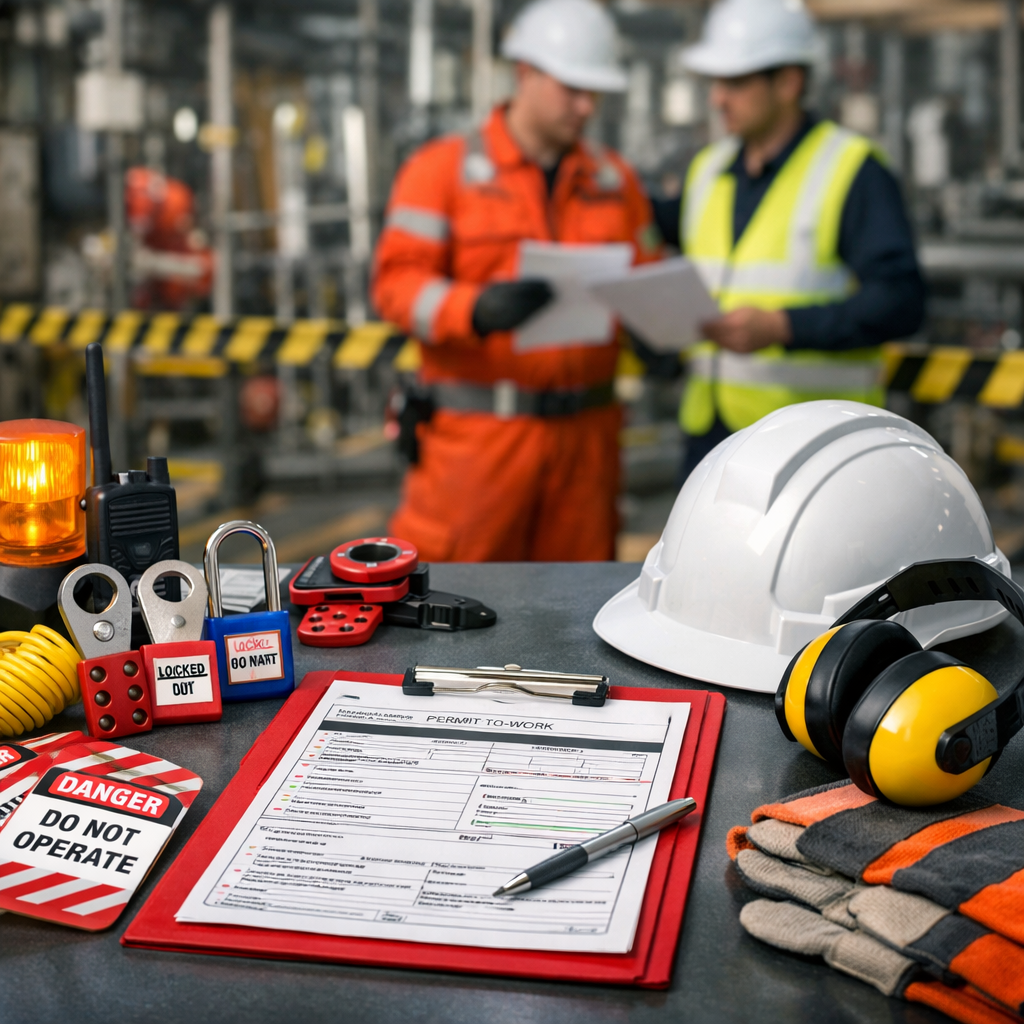
Permit to work system processes are one of the most important foundations of safe work when jobs involve high-risk activities, non-routine tasks, or hazardous energy. In workplaces such as factories, warehouses, construction sites, laboratories, and process plants, a structured permit process helps make sure dangerous work is planned, reviewed, authorized, and completed under controlled conditions.
A strong permit to work system does much more than create paperwork. It improves coordination between departments, confirms that hazards have been identified, and ensures the right precautions are in place before work begins. It also provides a clear record of who approved the work, what controls were required, and when the task can start and stop.
For employers and supervisors, this system supports legal compliance and safer decision-making. For workers and contractors, it creates clarity. When everyone understands the hazards, isolations, and restrictions tied to a task, the chance of injury, fire, explosion, chemical exposure, or equipment damage is greatly reduced.
What a Permit to Work System Is and Why It Matters
A permit to work system is a formal authorization process used to control hazardous work. It sets out the exact job to be done, the location, the people involved, the hazards present, and the precautions required. The permit is normally issued by a competent person and accepted by the person performing or supervising the work.
The purpose is simple: hazardous tasks should not begin until key risks are reviewed and essential controls are verified. This is especially important where routine safety rules alone are not enough. A permit acts as a communication tool between operations, maintenance, contractors, and safety personnel.
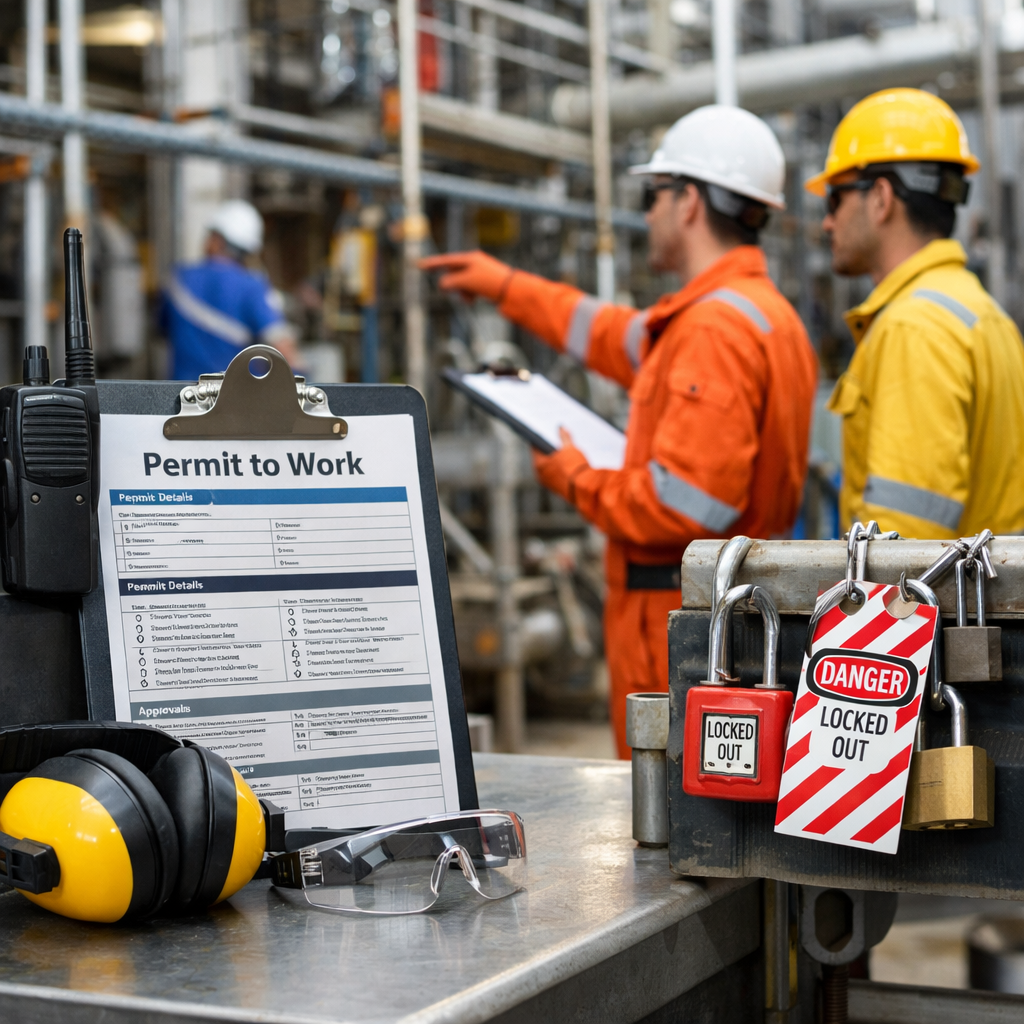
Organizations such as OSHA and CCOHS emphasize the need for hazard assessment, control measures, and clear responsibilities for dangerous work. A permit process supports these principles by documenting safe conditions before the task starts.
How the permit improves coordination
Hazardous jobs often affect more than one team. A maintenance crew may need equipment shut down. Operations may need to isolate lines. Electrical personnel may need to lock out power. Fire protection systems may need temporary review if hot work is involved.
Without coordination, one group may assume a machine is safe while another restarts it, opens a valve, or energizes a circuit. A permit to work system helps prevent these dangerous gaps by making approvals, isolations, and work boundaries visible to everyone involved.
When a Permit to Work System Is Needed
Not every task needs a formal permit, but high-risk and non-routine work often does. Employers should define permit-required activities based on their hazards, legal duties, and site conditions. The exact list varies by industry, but some tasks consistently require tighter control.
Typical permit-required work includes:
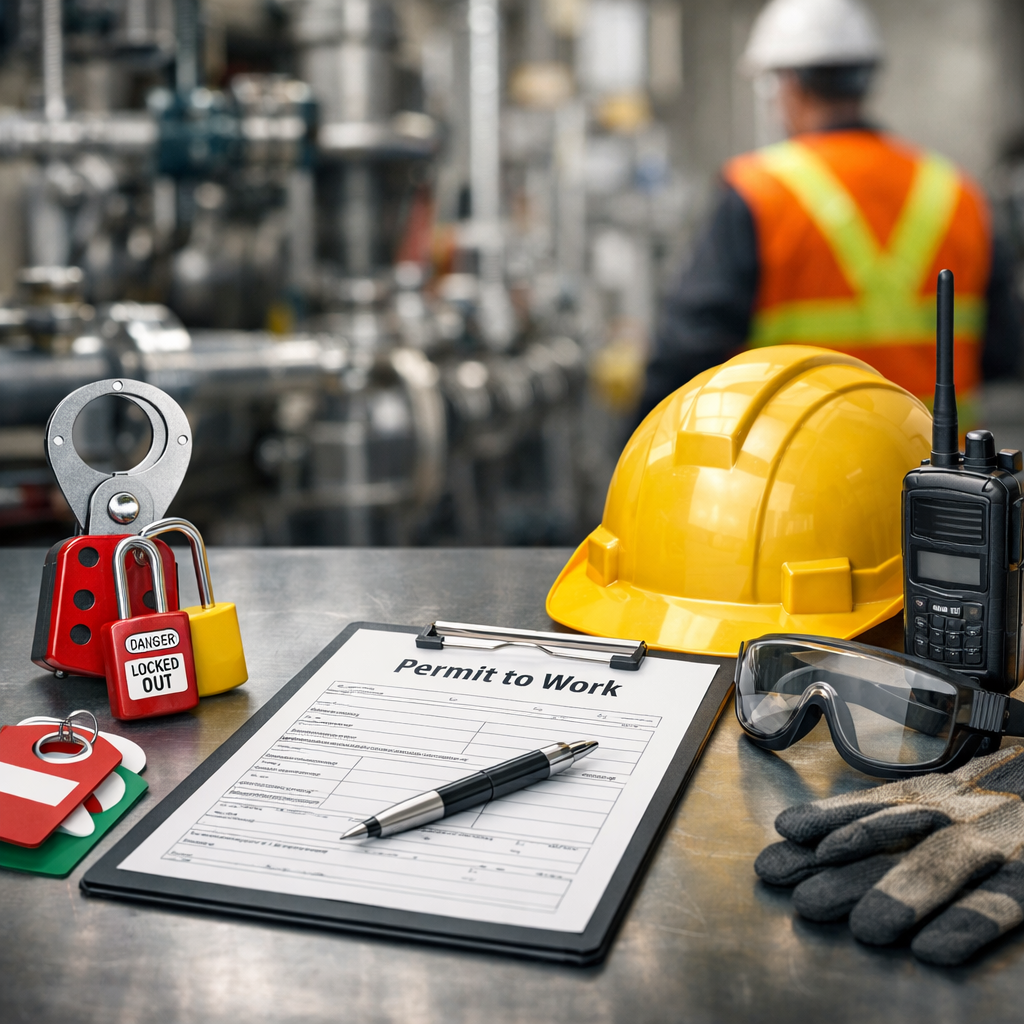
- Hot work, such as welding, grinding, cutting, brazing, or any work that creates heat, sparks, or flame
- Confined space entry into tanks, pits, vessels, silos, ducts, or sewers
- Electrical work on live systems or work involving high-voltage exposure
- Line breaking or opening pipelines that may contain hazardous substances, pressure, or energy
- Work at height where fall hazards need special controls beyond routine measures
- Excavation where underground services, collapse, or ground instability may be present
- Isolation of hazardous energy during maintenance, repair, or cleaning
- Chemical cleaning or process work that introduces toxic, flammable, or reactive materials
For example, welding inside a production area may seem like a short task, but it can expose workers to fire, fumes, nearby combustible materials, and energized equipment. A permit ensures fire watch arrangements, gas testing, isolation checks, and housekeeping standards are confirmed first.
Similarly, vessel entry without a formal permit can lead to severe outcomes if oxygen levels are low or hazardous gases are present. In these cases, the permit is a control document that connects atmospheric testing, rescue planning, communication, and supervision.
If your workplace is reviewing permit requirements, a site-specific procedure can be linked with broader safety processes such as hazard identification and risk assessment and lockout tagout best practices.
Core Elements of an Effective Permit to Work System
A permit to work system is only effective if it is clear, practical, and consistently applied. Overly complex forms can lead to shortcuts, while vague permits fail to control real risk. The best systems are simple enough to use in the field but detailed enough to address critical hazards.
Key information every permit should include
| Permit Element | Why It Matters |
|---|---|
| Job description and location | Confirms exactly what work is being done and where |
| Hazard identification | Highlights risks such as fire, toxic exposure, pressure, energy, or falls |
| Required controls | Lists precautions like isolation, ventilation, gas testing, PPE, and barricades |
| Authorization and acceptance | Shows who approved the work and who is responsible for carrying it out safely |
| Validity period | Prevents work from continuing beyond the approved time or changing conditions |
| Closure and handback | Ensures the area is left safe and systems are returned to normal in a controlled way |
A good permit should also reflect the Hierarchy of Controls. That means the first question should not be which gloves or respirator are needed. It should be whether the hazard can be eliminated, substituted, isolated, engineered out, controlled administratively, or only then managed with personal protective equipment.
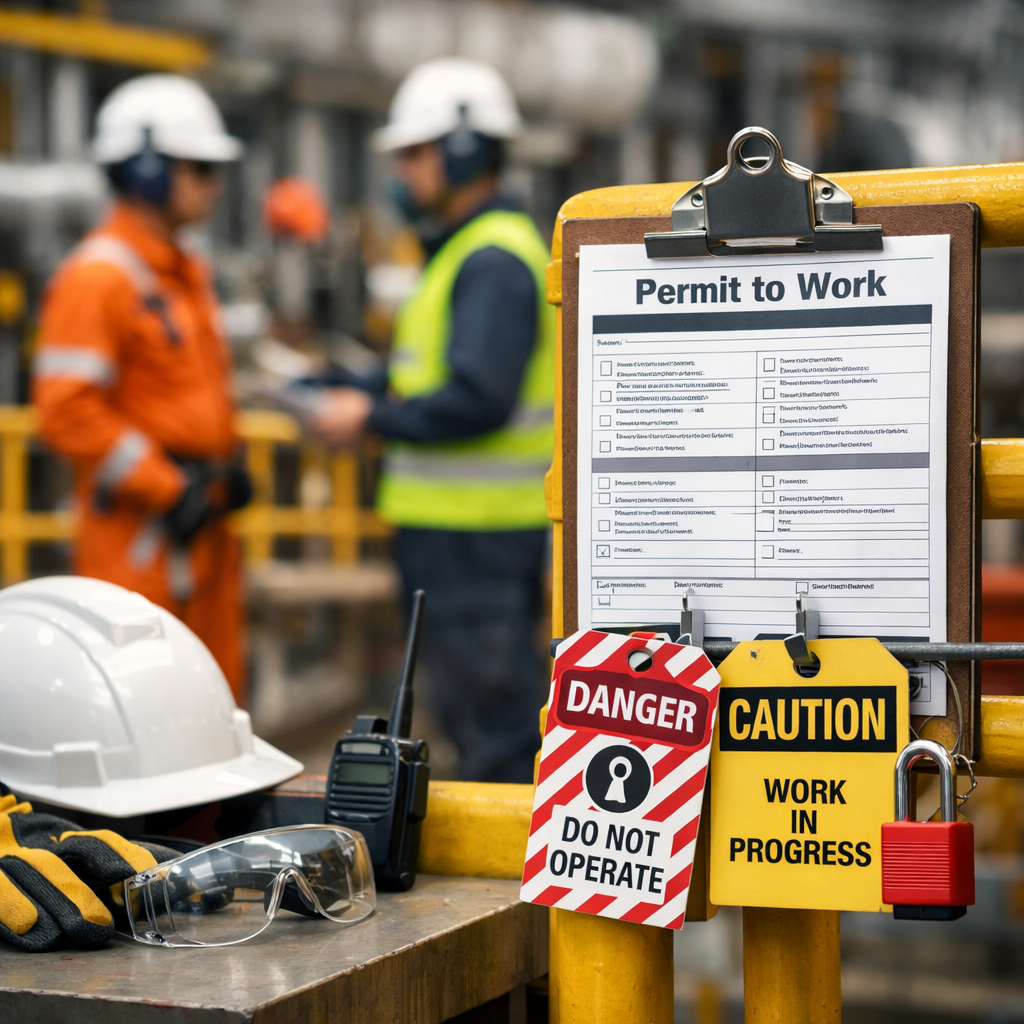
For example, if a repair can be completed after draining and isolating a line rather than opening it under residual pressure, that is a stronger control. If hot work can be moved to a designated workshop instead of being done near flammable materials, that is another better option. PPE is still important, but it should not be the only line of defense.
Competence and communication
The people issuing, receiving, and monitoring permits must understand the job and the hazards. Training should cover site rules, permit categories, emergency procedures, and when to stop work. Contractors should be included, not treated as separate from the main process.
Communication is equally critical. Toolbox talks, pre-job briefings, shift handovers, and visible permit boards all help reinforce the controls listed on the permit. If conditions change, such as weather, plant status, or nearby work activities, the permit should be reviewed and revalidated before work continues.
Using the Permit to Work System to Strengthen Control in the Field
The real value of a permit to work system appears in the field, where multiple hazards can interact. Consider a contractor cutting into a pipe rack while another team is performing solvent transfer nearby. On paper, each task may seem manageable. Together, they create a far more serious risk. The permit process helps identify these conflicts before they lead to an incident.
This is why permits improve coordination and control. They force a pause before hazardous work begins. They prompt questions such as: Is the area gas-free? Has all hazardous energy been isolated? Are other teams working overhead or nearby? Is emergency access clear? Have alarms, detectors, and fire systems been considered? Are workers fit, trained, and properly supervised?
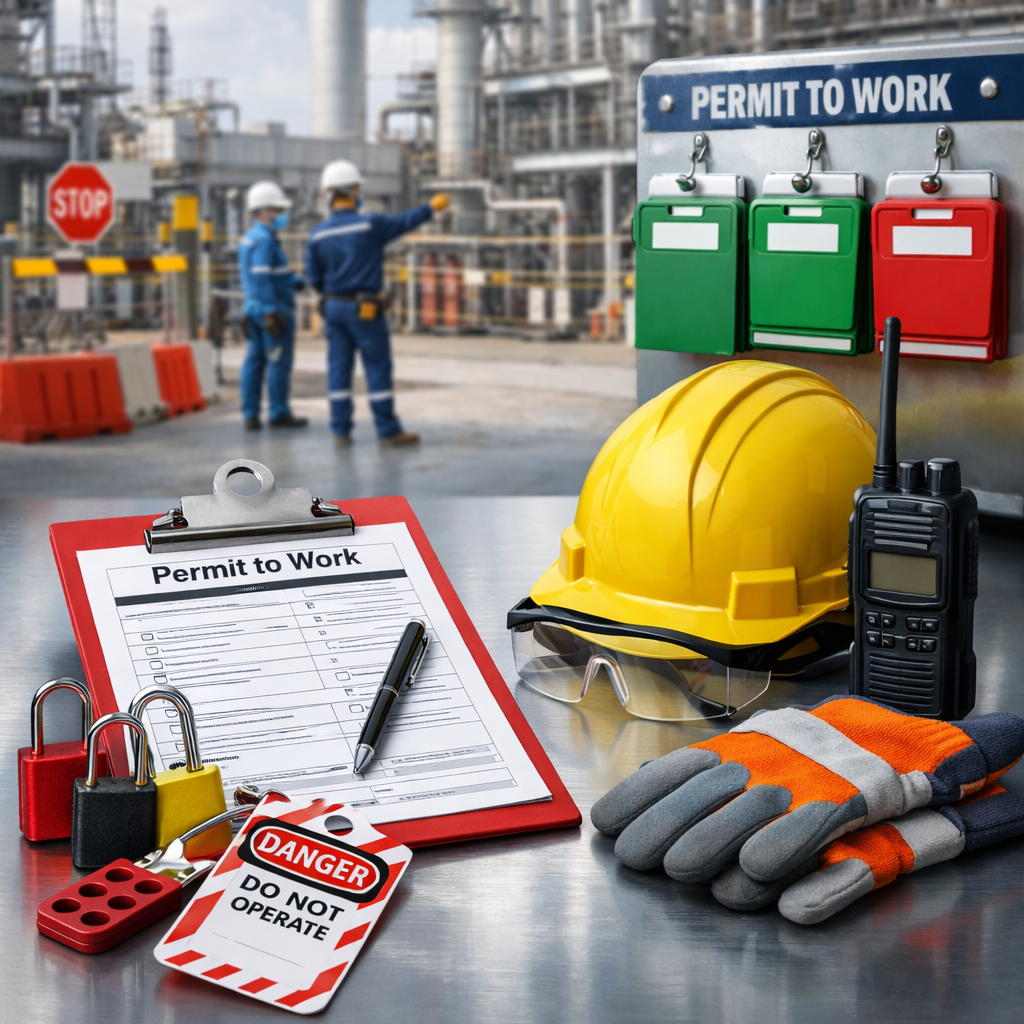
Practical field controls tied to permits often include lockout and tagout, atmospheric testing, barriers, signage, fire extinguishers, rescue equipment, standby attendants, spill control materials, and temporary ventilation. These are not generic precautions. They are selected because they match the task and the site conditions.
Regular auditing also matters. Supervisors should verify that permits are being used properly, not signed automatically. Expired permits, incomplete hazard descriptions, and poor closure practices are warning signs that the system has become administrative instead of protective. Guidance from sources such as the UK HSE can help organizations benchmark their approach.
In the end, a permit to work system is a practical safety tool for controlling hazardous tasks, not just a compliance document. It defines when permits are needed, strengthens coordination between teams, and ensures hazards are managed before work begins. When supported by competent supervision, strong isolations, clear communication, and the Hierarchy of Controls, a permit to work system helps workplaces complete dangerous jobs with far better control, consistency, and confidence.