
Hearing Conservation Program Tips for Noisy Workplaces That Actually Work

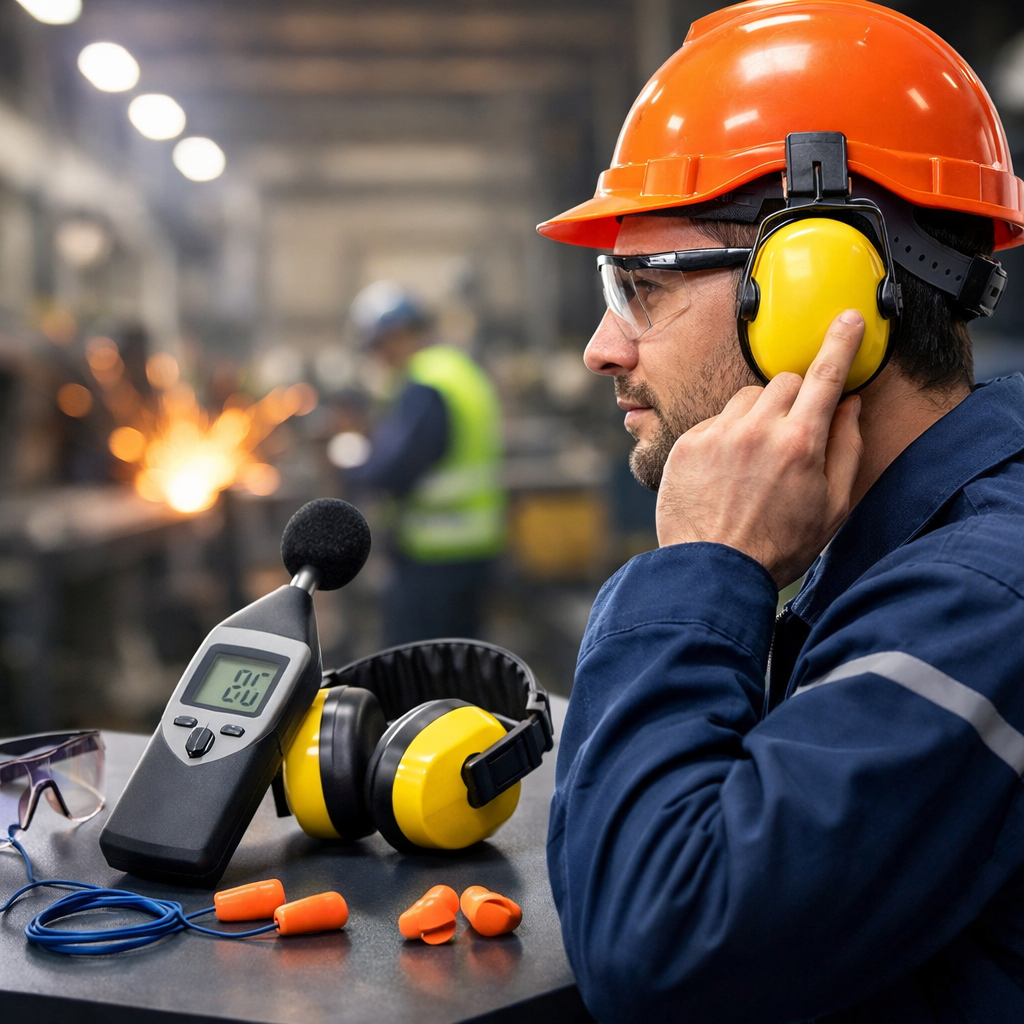
Hearing conservation program planning is one of the most practical ways to protect workers in loud environments and reduce long-term hearing damage.
In manufacturing plants, construction sites, warehouses, airports, and processing facilities, noise exposure can become a daily hazard that is easy to overlook until the effects are permanent.
A strong program does more than hand out earplugs. It helps employers identify where noise is coming from, control it at the source, check workers’ hearing over time, and train people to protect themselves properly.
When built into daily operations, a hearing conservation program supports safety, productivity, and regulatory compliance. Guidance from organizations such as OSHA and CCOHS can help employers set a practical foundation.
Why a hearing conservation program matters in noisy workplaces
Noise-induced hearing loss usually develops slowly. That is one reason it is so dangerous. Workers may not notice the damage until conversations become harder to follow, warning signals are missed, or ringing in the ears becomes constant.
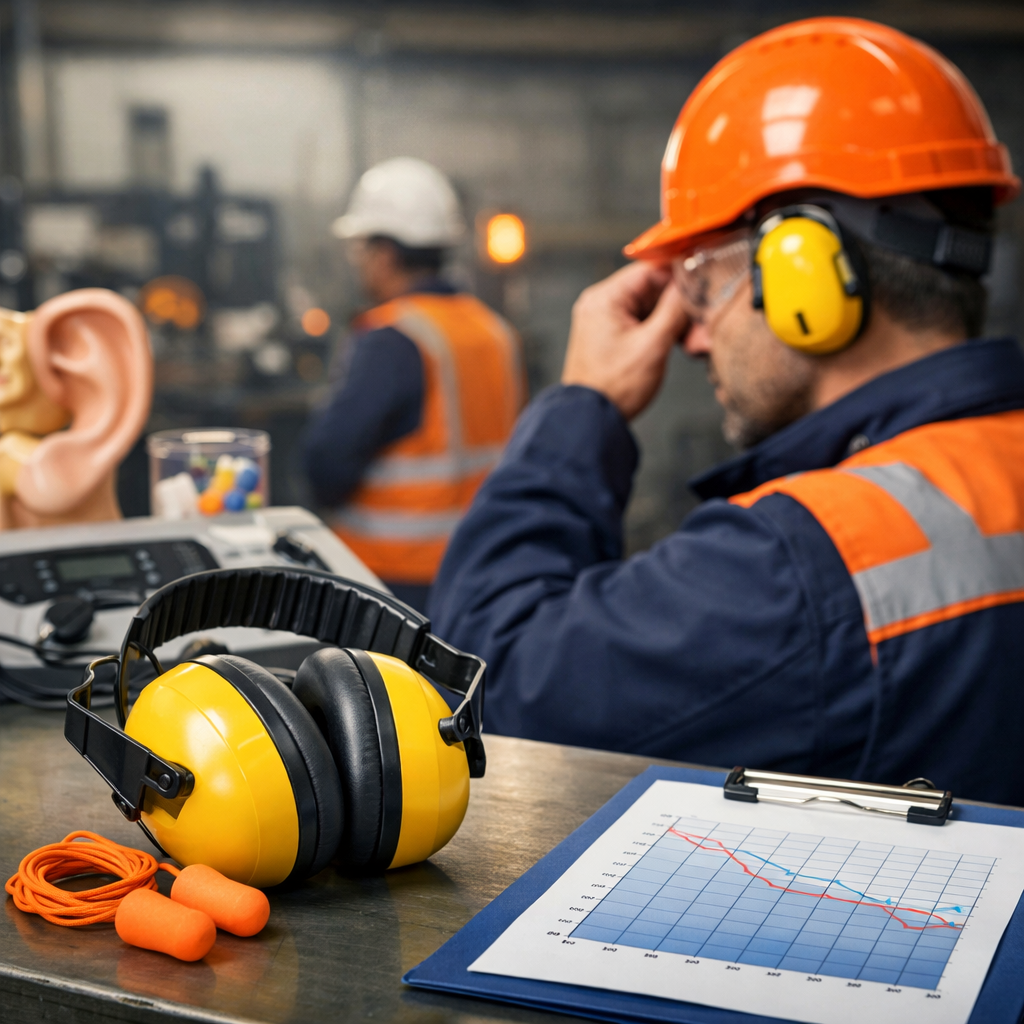
A hearing conservation program is especially important where workers use grinders, compressors, jackhammers, saws, stamping machines, conveyors, or other equipment that creates repeated high sound levels.
Beyond hearing loss, too much noise can increase fatigue, reduce concentration, and make communication more difficult. In busy workplaces, that can raise the risk of incidents involving vehicles, moving equipment, or emergency alarms.
As a starting point, employers should identify jobs and areas where noise exposure may meet or exceed regulatory action levels. This can be supported by routine inspections, incident reviews, and worker feedback. If you already manage hazards through a broader safety system, a hearing conservation program should connect with your workplace risk assessment and PPE policy.
Monitoring noise exposure in a hearing conservation program
Measure what workers actually experience
Monitoring is the backbone of a hearing conservation program. If you do not know who is exposed, when, and to how much noise, it is difficult to apply the right controls.
Employers often begin with noise surveys using sound level meters to check specific areas and tasks. Personal noise dosimeters can then be used to measure a worker’s exposure across a shift, especially when duties vary from one location to another.
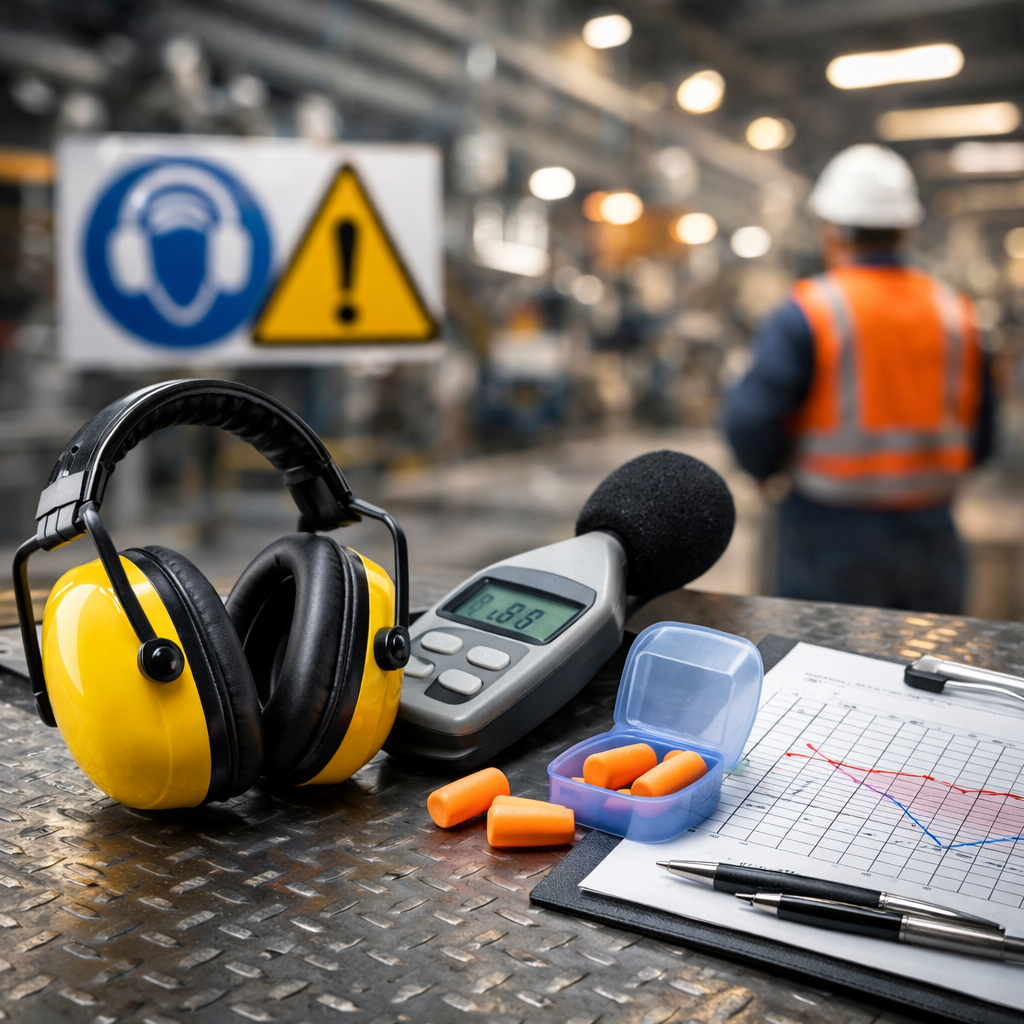
For example, a maintenance technician may spend only part of the day near loud motors, while a machine operator may remain beside a press for an entire shift. Measuring both jobs separately gives a more accurate picture than relying on one general reading for the whole department.
Keep records and update them
A good hearing conservation program includes current records of monitoring results, affected job roles, and any changes in equipment or workflow. Noise conditions can change quickly after layout modifications, production increases, or maintenance issues.
Simple monitoring practices include:
- mapping high-noise areas and posting signs where hearing protection is required
- retesting after new machinery is installed or production speeds increase
- reviewing worker reports about loud tasks, unusual sounds, or communication difficulties
- tracking which roles need enrollment in hearing testing and training
If a forklift route is moved closer to a packing station, or if a worn bearing makes a machine louder than normal, exposure may rise without anyone formally noticing. Regular monitoring helps catch those changes early.
Use the hierarchy of controls to reduce noise
Start with engineering and administrative controls
A hearing conservation program should follow the hierarchy of controls, not rely only on hearing protection. PPE is important, but reducing noise at the source is usually more effective and dependable.
Engineering controls may include installing sound barriers, enclosing noisy equipment, adding vibration dampening, replacing metal parts with quieter materials, or maintaining machinery so it runs smoothly. A loose guard or worn component can create unnecessary noise that is easy to fix.
Administrative controls can also help. These may include limiting time spent in high-noise areas, rotating workers between tasks, scheduling loud work when fewer people are present, or creating quiet break areas for recovery.
For example, if a fabrication shop has one especially loud cutting station, the employer might add an acoustic enclosure, adjust preventive maintenance intervals, and shorten the amount of time one worker spends at that station in a single shift.
Choose hearing protection that workers will actually use
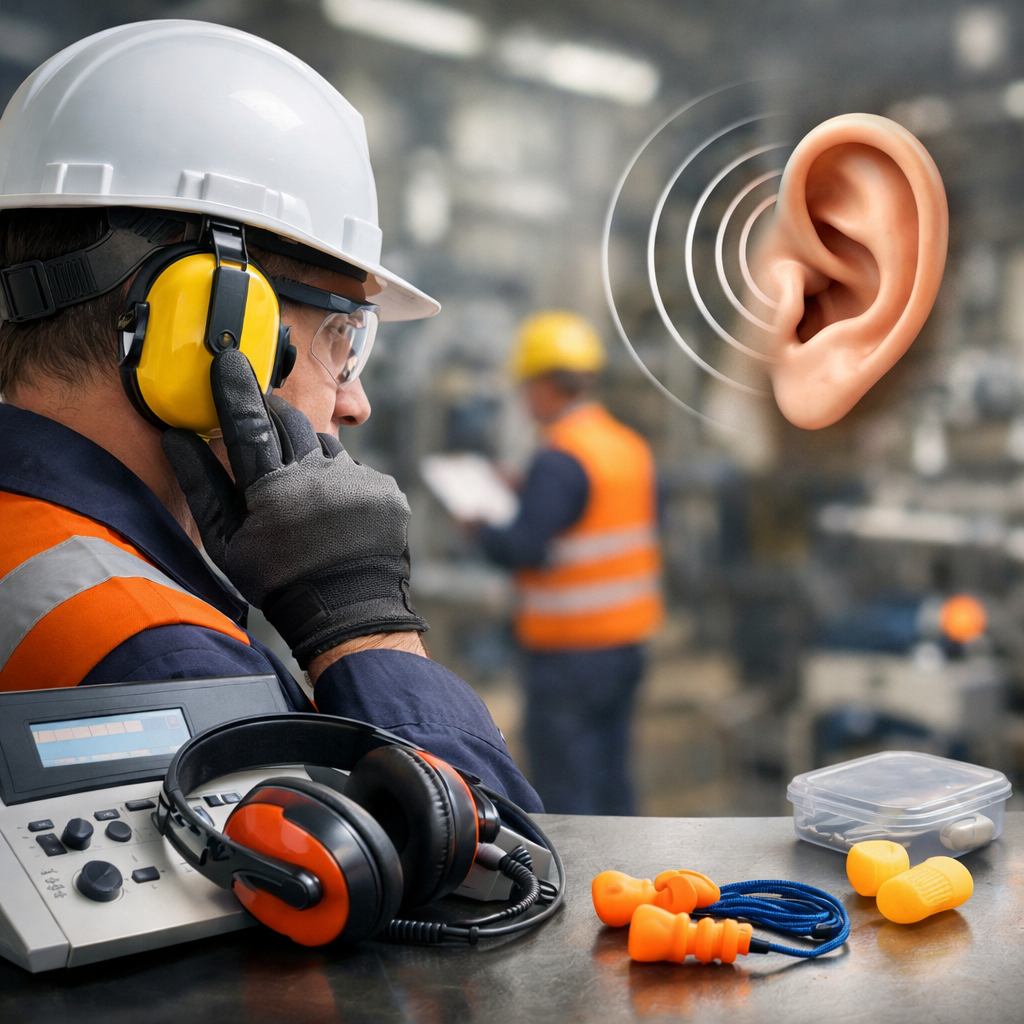
When noise cannot be reduced enough by other means, hearing protection becomes a key part of the hearing conservation program. Earplugs and earmuffs should match the actual exposure level and the work being performed.
Fit and comfort matter. Workers are less likely to wear protection consistently if it is uncomfortable, interferes with communication, or does not fit properly. Supervisors should check that earplugs are inserted correctly and that earmuff seals are not broken by hard hat straps, safety glasses, or facial coverings.
| Control type | Simple workplace example | Benefit |
|---|---|---|
| Engineering control | Install an enclosure around a compressor | Reduces noise at the source |
| Administrative control | Rotate workers out of a loud area every 2 hours | Lowers individual exposure time |
| Hearing protection | Provide fit-tested earplugs for grinder operators | Adds personal protection when noise remains |
More detailed guidance on controlling occupational noise is also available from the NIOSH noise and hearing loss prevention resources.
Hearing tests are essential in a hearing conservation program
Use baseline and periodic audiometric testing
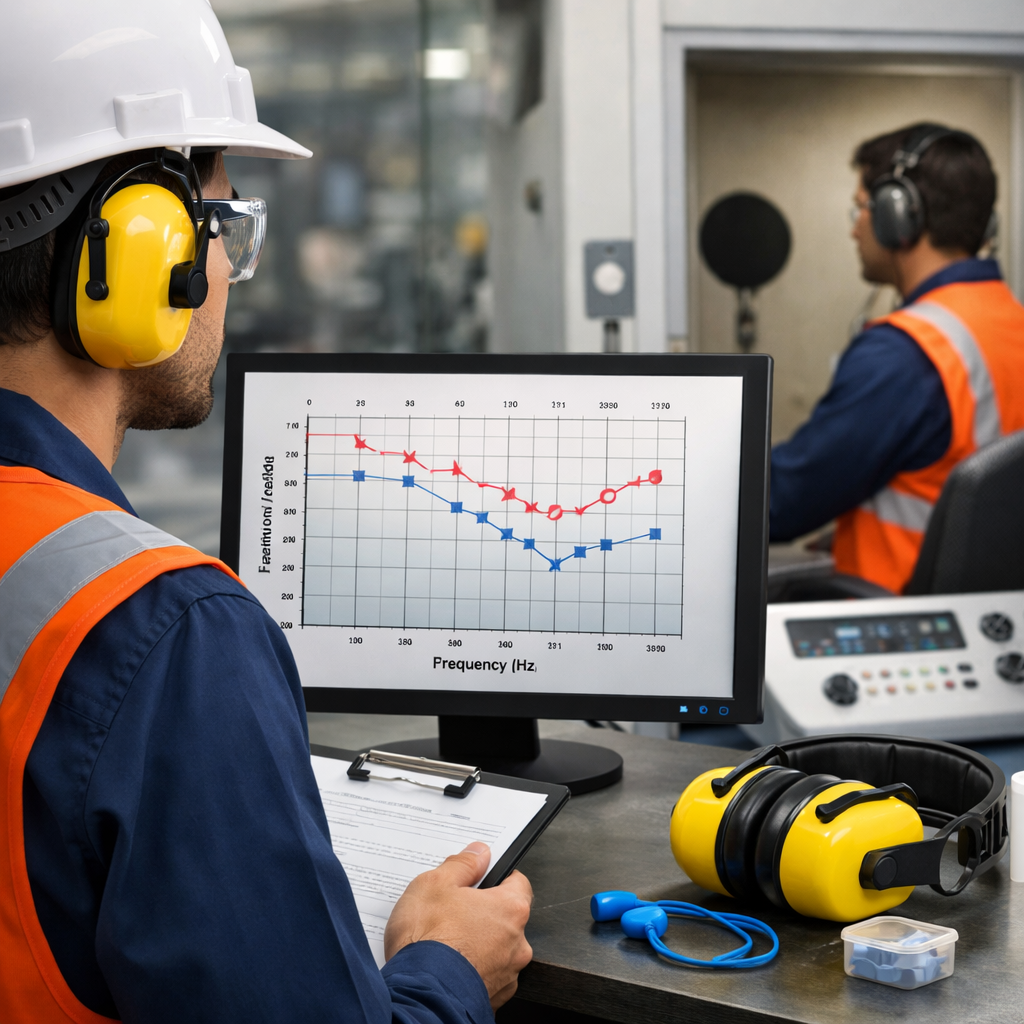
Hearing tests, often called audiometric testing, help determine whether workers’ hearing is changing over time. In a hearing conservation program, this is one of the best ways to confirm whether current controls are working.
A baseline test should be completed for exposed workers before or soon after they begin work in noisy conditions, depending on the applicable rules in your jurisdiction. Later tests can then be compared to that baseline to identify shifts in hearing.
Annual or periodic testing is commonly used in higher-noise workplaces. If results show a standard threshold shift or other concerning change, the employer should investigate the cause rather than treating the test as paperwork only.
That may mean reviewing exposure records, checking whether PPE is adequate, repeating training, or inspecting equipment that has become louder over time.
Respond quickly when results show a problem
If a worker’s hearing test suggests deterioration, the hearing conservation program should trigger action. This can include re-fitting hearing protection, reviewing task assignments, repeating noise measurements, and ensuring the worker understands how and when to wear protection.
A simple example is a worker in a bottling plant whose annual test shows a noticeable change. The follow-up review finds that the worker removes earplugs often to speak with co-workers near the line. In that case, the solution may include communication headsets, retraining, and stronger supervision in that area.
Hearing tests are not only a compliance measure. They are an early warning system that can prevent further harm.
Worker education keeps a hearing conservation program effective
Training should be practical, not generic
Worker education is often the difference between a hearing conservation program that exists on paper and one that actually works on the floor. Training should explain the risks of noise exposure in plain language and relate directly to the tasks workers perform each day.
Instead of only saying that noise is hazardous, show workers what that means in their setting. Explain which machines are loud, where hearing protection is required, how to insert earplugs properly, and why short periods without protection can still cause damage.
Hands-on demonstrations are especially useful. Supervisors can ask workers to practice fitting earplugs, inspect earmuffs for wear, and identify posted high-noise zones during orientation or toolbox talks.
Build awareness into daily supervision
Refresher training should be part of regular safety communication, especially after process changes, incidents, or hearing test results. Supervisors play an important role by noticing non-compliance, damaged PPE, or tasks that create more noise than expected.
A practical hearing conservation program should also encourage workers to report issues such as:
- ringing in the ears after a shift
- difficulty hearing speech or alarms
- broken or uncomfortable hearing protectors
- machines that seem louder than usual
When workers understand the reason behind the rules, they are more likely to follow them consistently. That creates a stronger safety culture and helps prevent the kind of gradual hearing damage that often goes unreported until it is too late.
In the end, a successful hearing conservation program combines monitoring, effective controls, hearing tests, and worker education into one practical system. Employers that measure noise, reduce it using the hierarchy of controls, follow up on audiometric results, and train workers with real examples are far more likely to prevent avoidable hearing loss. In any loud workplace, a well-managed hearing conservation program is not just a compliance task. It is a long-term investment in worker health, communication, and safer daily operations.
No comments yet