


Loading Bay Safety Checklist: Practical Steps to Reduce Risk and Improve Compliance


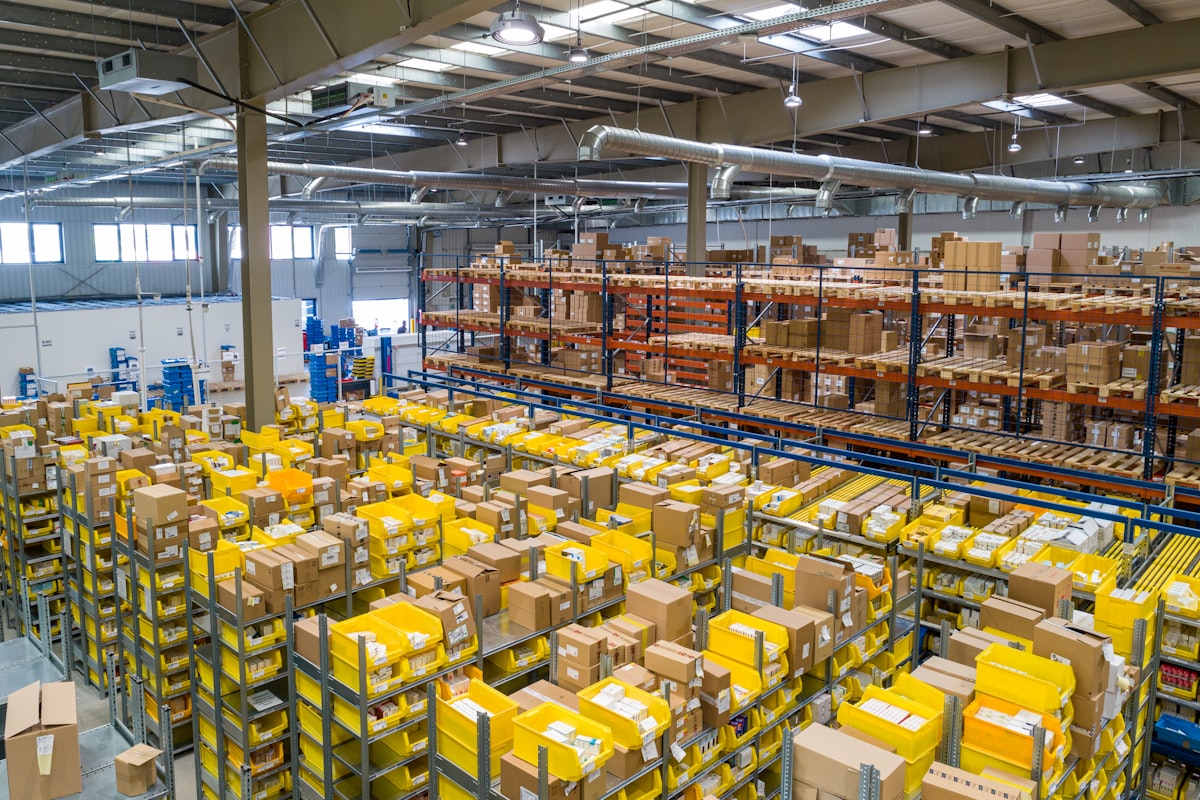
loading bay safety checklist procedures are essential for any workplace where trucks, forklifts, pallets, and pedestrians share the same space.
A busy loading bay can become one of the highest-risk areas in a warehouse, factory, retail distribution center, or logistics yard if hazards are not identified and controlled every day.
From reversing vehicles and unstable loads to slips, trips, falls, and poor communication, the risks are varied and often severe. A structured loading bay safety checklist helps supervisors, operators, drivers, and health and safety teams check critical conditions before incidents occur.
This article explains the key risks, prevention measures, personal protective equipment, compliance expectations, and practical examples that support a safer loading bay. It also reflects OHSE principles and aligns with guidance commonly promoted by organizations such as OSHA and CCOHS.

Why a Loading Bay Safety Checklist Matters
A loading bay is a transition zone where goods, people, and mobile equipment move quickly under time pressure.
That combination creates a high likelihood of serious injury unless tasks are planned, traffic is controlled, and equipment is maintained. A loading bay safety checklist turns safety from a reactive task into a routine control measure.
Common incidents in loading bays include workers being struck by reversing trucks, forklift collisions, falls from dock edges, crush injuries during trailer movement, and musculoskeletal strains from manual handling.
There is also the risk of product damage, vehicle damage, operational delays, and legal action after a preventable event.
A good checklist supports consistency across shifts. It also provides documented evidence that inspections were completed, hazards were addressed, and reasonable precautions were taken.
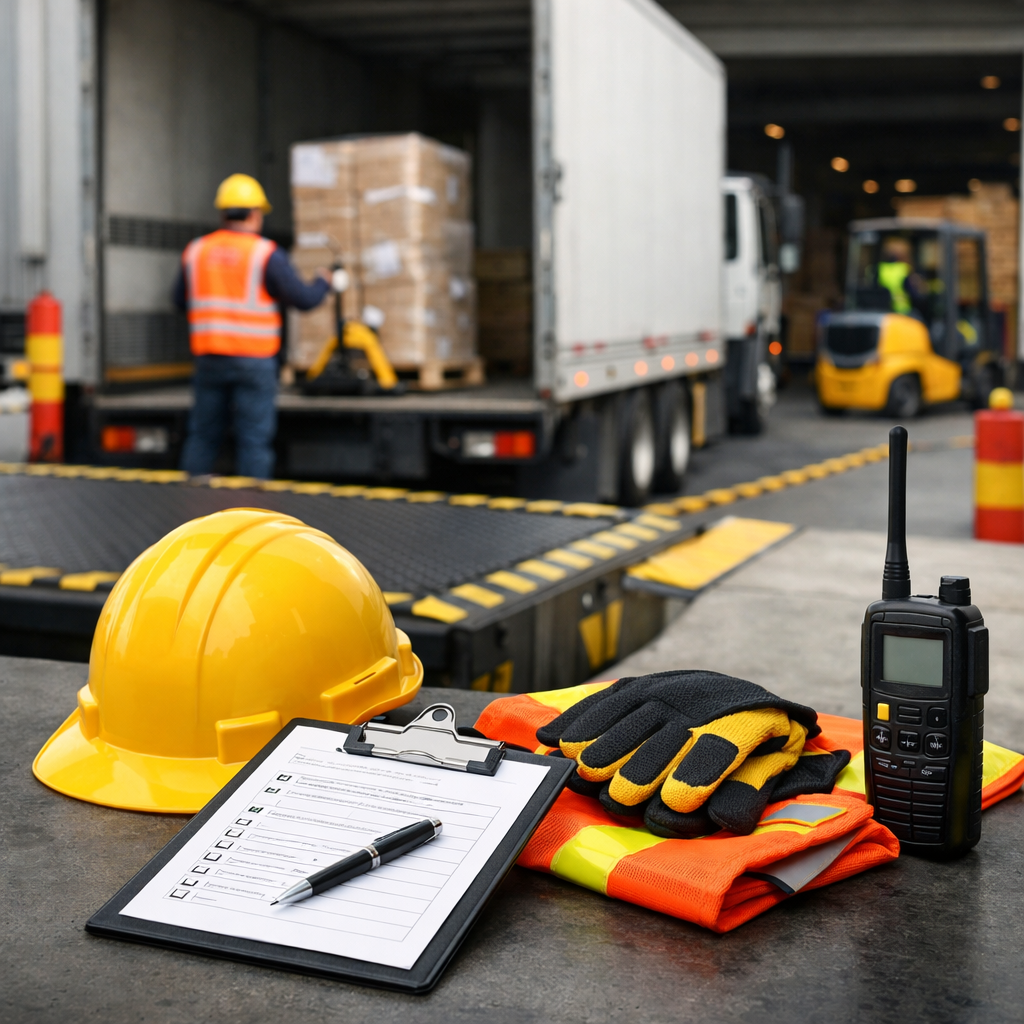
For businesses building broader systems, a checklist should fit within existing procedures such as workplace risk assessments and warehouse safety procedures.
Typical loading bay hazards
- Reversing trucks and blind spots
- Forklift and pedestrian interaction
- Unsecured trailers moving away from docks
- Damaged dock plates, edges, or levelers
- Slippery floors from spills, rain, or ice
- Falling objects from poorly stacked loads
- Insufficient lighting and unclear signage
- Poor communication between drivers and bay staff
- Manual handling injuries during loading and unloading
- Inadequate PPE or failure to use it correctly
What to Include in a Loading Bay Safety Checklist
An effective loading bay safety checklist should cover the physical condition of the bay, vehicle control, worker behavior, emergency preparedness, and supervision.
It should be simple enough to use daily but detailed enough to catch significant hazards before work begins.
Pre-start inspection points
Before loading or unloading starts, check that the bay area is clean, well lit, and free from obstructions. Inspect dock edges, doors, restraints, levelers, bumpers, and wheel chocks for visible damage.
Confirm that traffic routes are marked and pedestrian walkways are clear. Make sure signage is visible and speed limits or exclusion zones are understood.
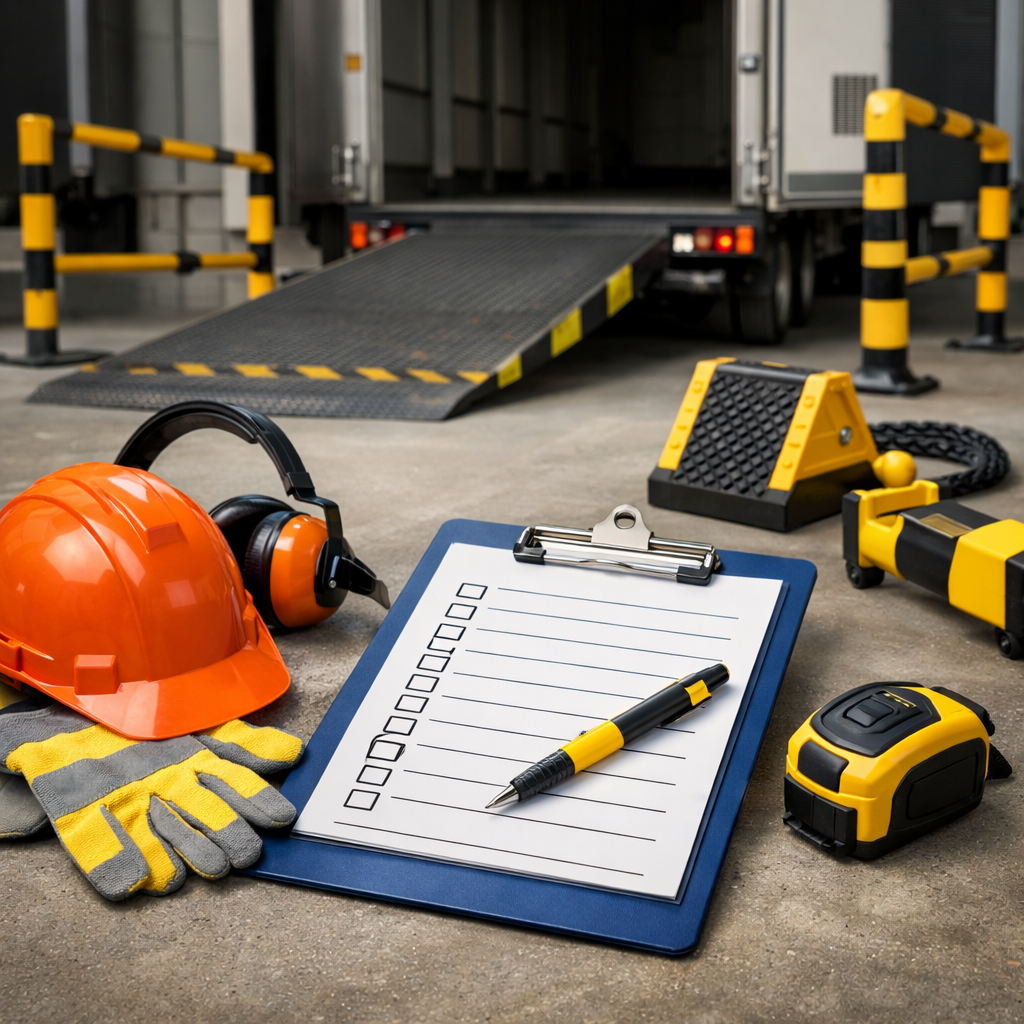
If the task involves powered mobile plant, inspect forklifts and pallet jacks in line with site rules. Report any faults immediately and remove unsafe equipment from service.
Vehicle and load controls
One of the most important parts of any loading bay safety checklist is verifying that vehicles are secured before anyone enters a trailer or starts moving freight.
This may include wheel chocks, vehicle restraint systems, parking brakes, engine isolation, trailer stand supports, and designated driver waiting areas.
Loads should be checked for stability before movement. Leaning pallets, broken shrink wrap, overloaded pallets, and damaged racking increase the chance of collapse or dropped goods.
| Checklist Area | What to Check | Why It Matters |
|---|---|---|
| Dock condition | Levelers, edges, doors, lighting, housekeeping | Prevents falls, slips, and equipment damage |
| Vehicle restraint | Chocks, brakes, restraints, trailer stability | Reduces trailer movement and crush risk |
| Traffic management | Marked routes, barriers, signs, spotters | Limits collisions with pedestrians and forklifts |
| Load security | Stacking, wrapping, weight distribution | Prevents falling objects and instability |
| PPE and training | Hi-vis, boots, gloves, inductions, competence | Improves worker protection and compliance |
Risks, Prevention, and the Hierarchy of Controls
A loading bay safety checklist is most effective when it supports the Hierarchy of Controls rather than relying only on worker caution.

In OHSE practice, the goal is to remove hazards where possible, then reduce exposure through engineering, administration, and PPE.
Applying the Hierarchy of Controls
Elimination: Remove unnecessary pedestrian access to loading bays during active vehicle movement. If visitors do not need to be there, keep them out.
Substitution: Use safer handling methods or equipment that reduce manual lifting and awkward movements.
Engineering controls: Install vehicle restraint systems, dock gates, barriers, anti-slip surfaces, mirrors, warning lights, and clearly separated pedestrian walkways.
Administrative controls: Introduce site traffic plans, driver induction rules, reversing protocols, communication procedures, permit systems for non-routine tasks, and scheduled inspections.
PPE: Require suitable protective gear, but remember that PPE is the last line of defense and should not replace stronger controls.
Practical prevention measures
- Use a one-way traffic flow where space allows
- Separate people and vehicles with physical barriers
- Assign trained spotters for high-risk reversing tasks
- Prohibit workers from standing between a vehicle and the dock
- Check dock boards and levelers before each shift
- Stop operations during severe weather if conditions become unsafe
- Clean spills immediately and treat wet or icy surfaces
- Secure loads before transport within the warehouse
- Investigate near misses to improve future controls
For example, if a site experiences repeated near misses involving forklifts crossing pedestrian paths, the solution should not stop at reminding workers to be careful.
A stronger approach would be to redesign the route, install barriers, add flashing warning systems, and update the loading bay safety checklist to confirm route segregation every shift.
PPE, Training, and Compliance in Loading Bay Operations
Personal protective equipment is a key part of loading bay safety, especially where impact, crush, slip, and visibility risks are present.
However, PPE only works when it matches the hazard, fits properly, and is supported by training and supervision.
Essential PPE for loading bay work
- High-visibility clothing for all bay personnel
- Safety footwear with slip-resistant soles and toe protection
- Gloves suitable for handling pallets, straps, or rough materials
- Hard hats where there is overhead loading or falling object risk
- Hearing protection if noise levels exceed safe limits
- Weather-appropriate gear for outdoor loading areas
Training is equally important. Workers should know how to inspect equipment, secure trailers, handle loads safely, report defects, and respond to emergencies.
Drivers visiting the site should receive clear instructions on speed limits, parking, keys, waiting areas, and when it is safe to approach the bay.
Compliance should be based on local legal duties and recognized guidance. In many workplaces, this includes maintaining safe access and egress, controlling traffic, inspecting plant, providing PPE, and ensuring workers are competent for the tasks assigned.
Useful references include OSHA dock and material handling guidance and resources from CCOHS on transport and warehouse safety. Some businesses also align procedures with broader management standards such as ISO-based safety systems.
Practical example from the workplace
Consider a distribution center where a trailer rolled forward during unloading because the brakes were not confirmed and wheel chocks were not in place.
No one was seriously injured, but a forklift operator suffered minor strain while stopping abruptly, and the dock plate was damaged.
After the incident, the site updated its loading bay safety checklist to require visual brake confirmation, mandatory wheel chocking, supervisor sign-off for trailer readiness, and a red-green light communication system between the driver and dock team.
This is a practical example of how a checklist can move from paperwork to a real control tool that prevents recurrence.
How to Use a Loading Bay Safety Checklist Every Day
To be effective, a loading bay safety checklist should be completed at the right time, by the right people, and followed by action when issues are found.
If hazards are recorded but not corrected, the checklist becomes an empty exercise.
Assign responsibility for daily checks, pre-shift inspections, and periodic audits. Supervisors should review findings, confirm corrective actions, and escalate urgent defects immediately.
It also helps to use the checklist during toolbox talks so workers understand why each item matters. This improves engagement and encourages reporting of unsafe conditions before they lead to harm.
Review the checklist after incidents, layout changes, new equipment, or seasonal weather changes. Loading bays are dynamic environments, so controls must evolve with actual work conditions.
In conclusion, a loading bay safety checklist is a practical OHSE tool that helps identify hazards, strengthen controls, improve PPE use, and support legal compliance in one of the most dangerous areas of many workplaces.
When used consistently and backed by training, supervision, and the Hierarchy of Controls, a loading bay safety checklist can reduce injuries, protect property, and make loading operations safer for everyone on site.