
Respiratory Protection Program Steps for Reliable Hazard Control

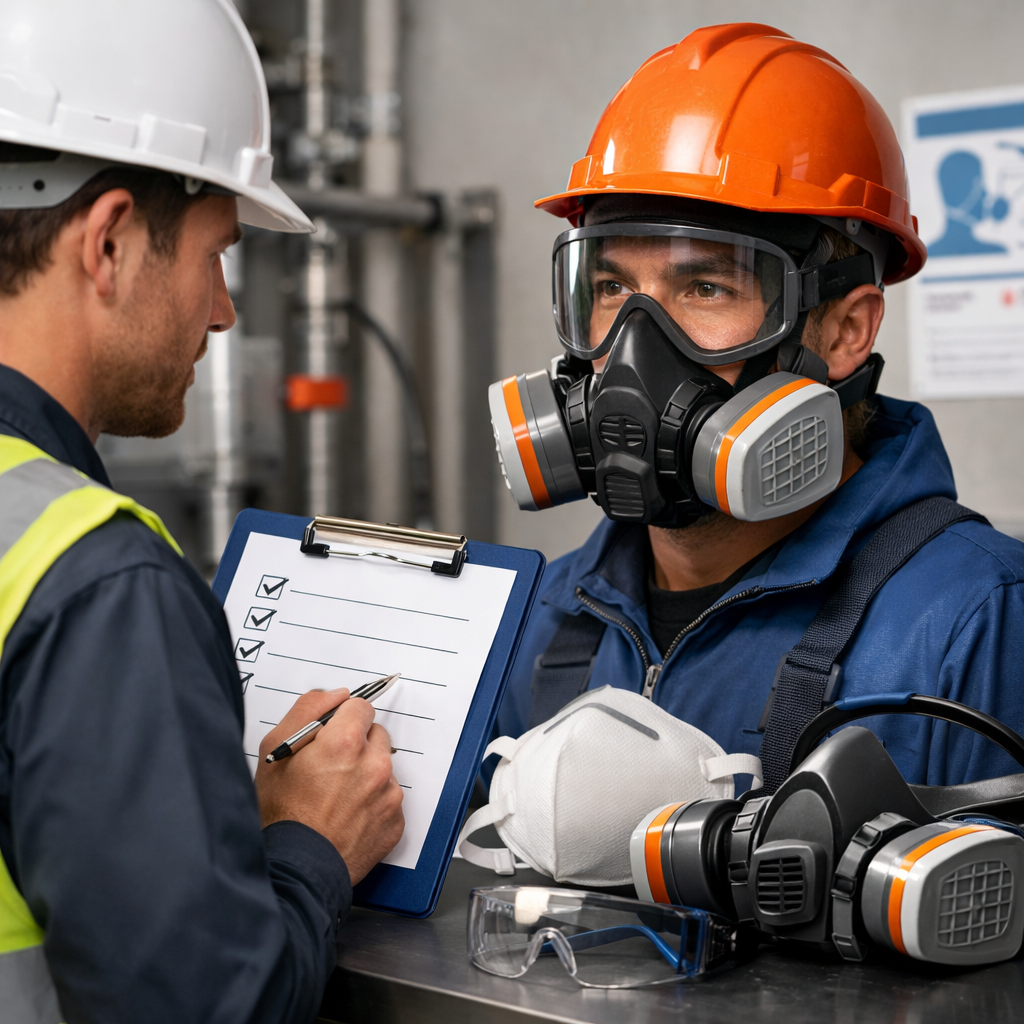
Respiratory protection program planning is a critical part of hazard control when workers may breathe in dust, fumes, mists, gases, vapors, or oxygen-deficient air.
A well-managed program helps employers choose the right respirators, confirm workers can safely use them, and make sure protection is reliable in real job conditions.
In manufacturing, construction, healthcare, mining, utilities, and emergency response, airborne hazards can cause immediate injury or long-term illness.
That is why organizations such as OSHA and CCOHS emphasize that respirators are only one part of a broader safety system.
Before relying on personal protective equipment, employers should apply the Hierarchy of Controls by eliminating hazards where possible, substituting safer materials, installing engineering controls, and improving work practices.
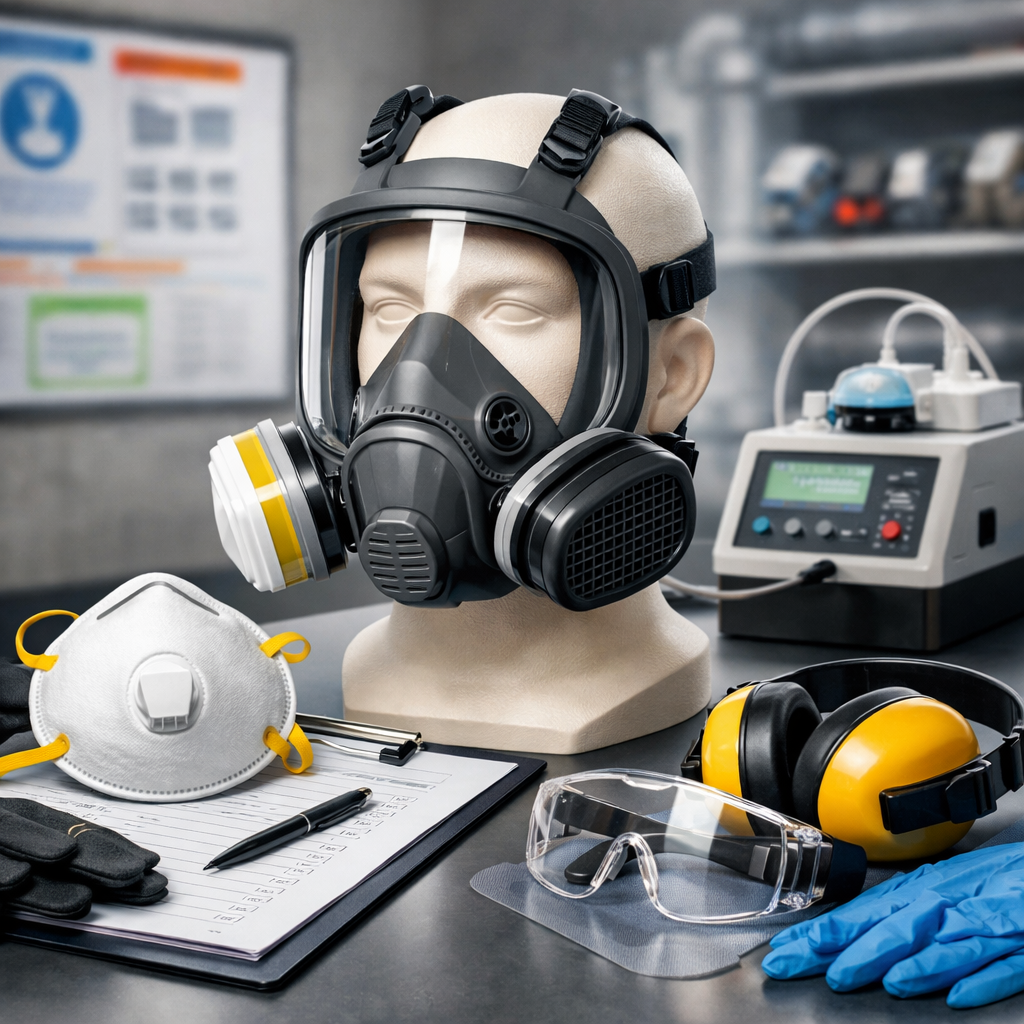
When those steps cannot fully reduce exposure, a respiratory protection program becomes essential.
Why a Respiratory Protection Program Matters for Hazard Control
A respiratory protection program is more than handing out masks at the start of a shift.
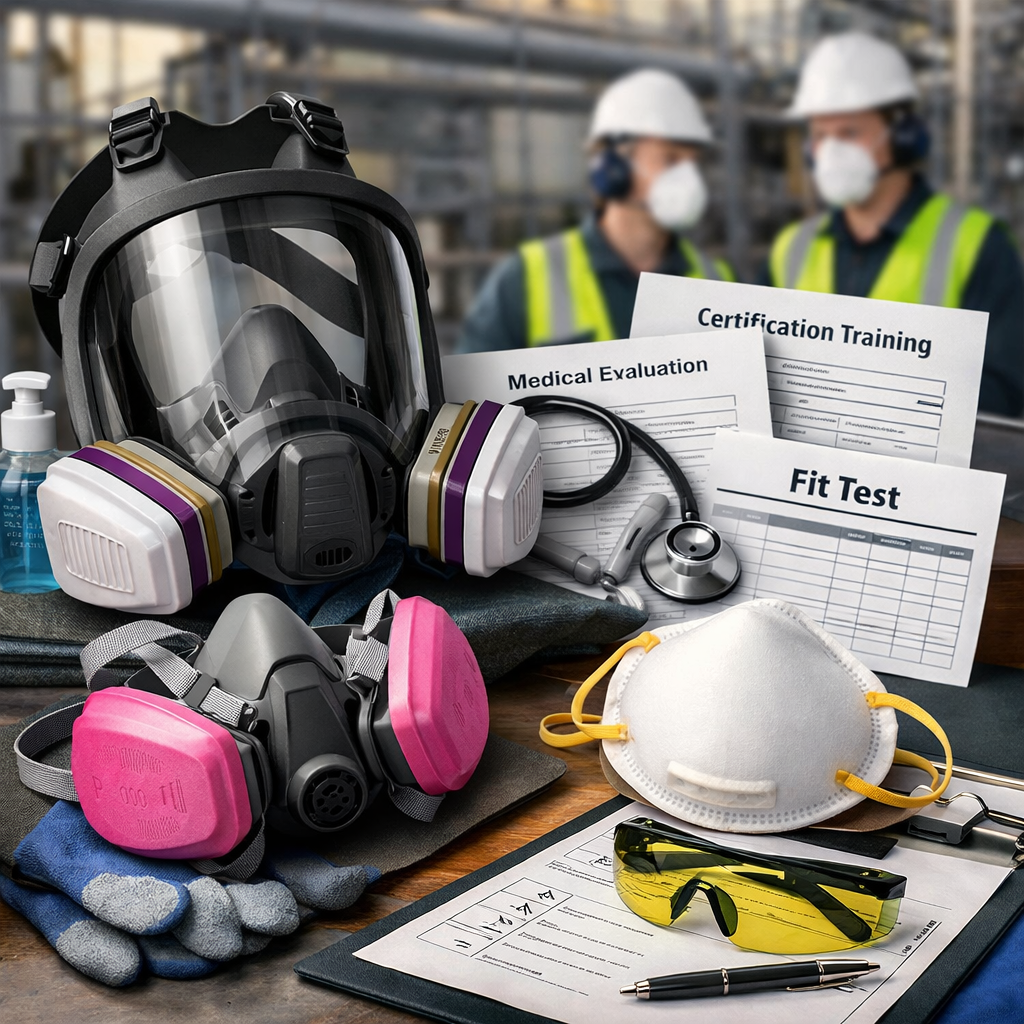
It is a structured process that covers hazard assessment, respirator selection, medical evaluation, fit testing, training, maintenance, inspection, and ongoing review.
Without these steps, even a high-quality respirator may fail to protect the worker.
For example, a worker grinding concrete may face silica dust exposure, while a spray painter may be exposed to solvent vapors.
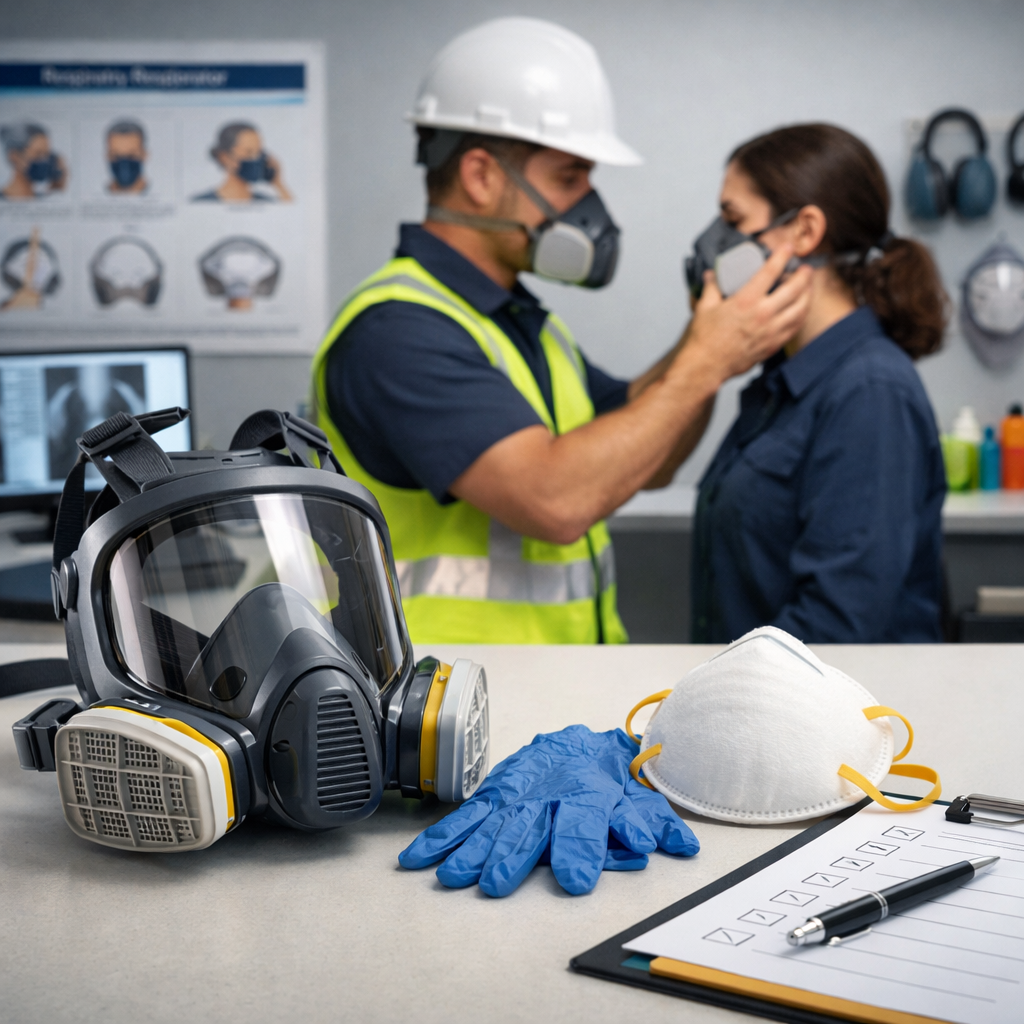
Both jobs involve inhalation hazards, but they require different assessments and may need very different types of respiratory protection.
Employers should begin by identifying the contaminant, exposure level, task duration, and environmental conditions.
They should also consider whether workers have facial hair, wear other personal protective equipment, or perform physically demanding tasks that affect breathing.
Helpful workplace planning often includes exposure monitoring, safety data sheet review, and task observation.
Many employers also document these findings in their hazard assessment and connect them with related procedures such as hazard assessment process and PPE selection guide.
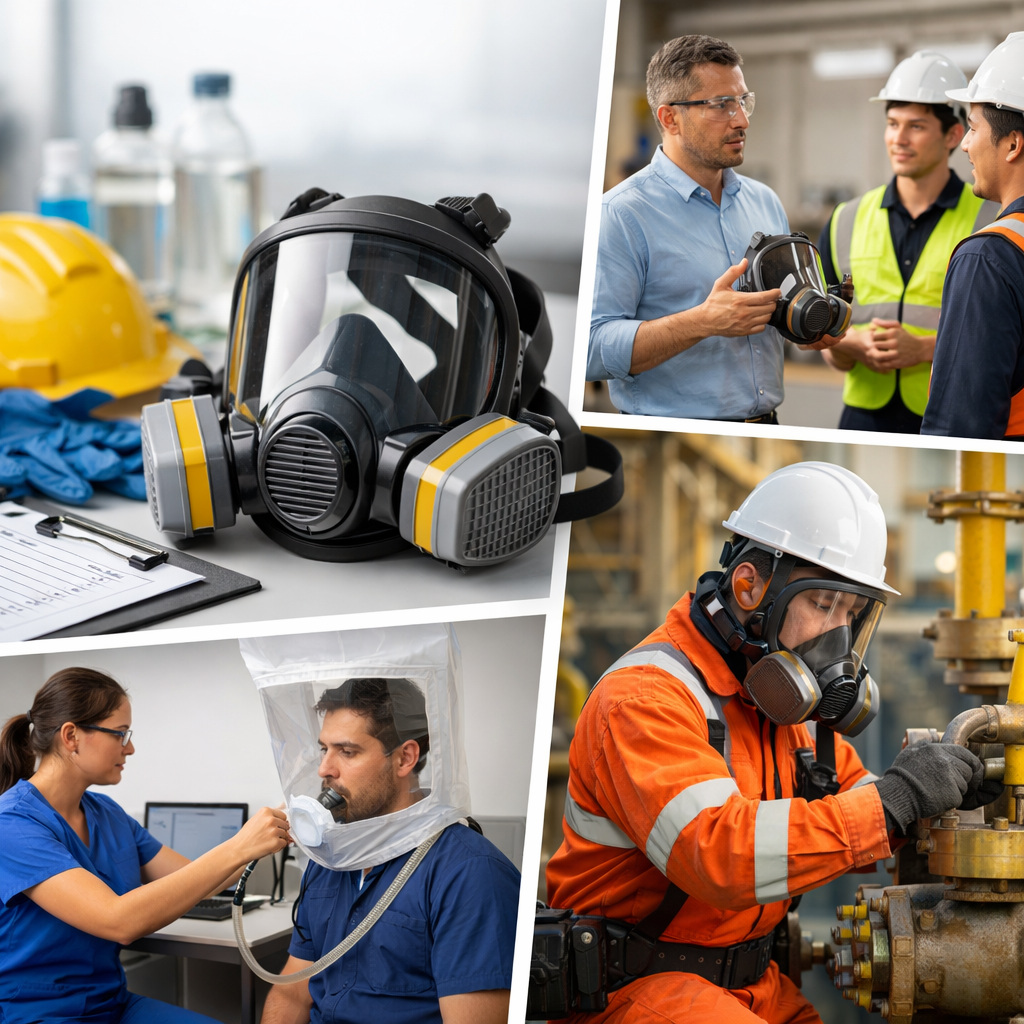
Start with the Hierarchy of Controls
Respirators should not be the first or only control measure.
A reliable respiratory protection program works best when it supports other hazard controls already in place.
- Elimination: Remove the hazardous process or material entirely.
- Substitution: Replace a hazardous substance with a less harmful one.
- Engineering controls: Use local exhaust ventilation, enclosed systems, or wet methods to reduce airborne contaminants.
- Administrative controls: Limit exposure time, restrict access, or adjust work procedures.
- Personal protective equipment: Use respirators when residual risk remains.
This approach improves protection and reduces dependence on equipment that can be worn incorrectly, damaged, or poorly maintained.
Core Steps in a Respiratory Protection Program
To be effective, a respiratory protection program should follow a clear set of practical steps.
Each step supports the next, and gaps in any one area can weaken the whole system.
1. Assess airborne hazards and job tasks
Identify what workers may inhale, where exposure occurs, and how severe the risk is.
This may involve air monitoring, process review, and consultation with supervisors and workers.
Common hazards include welding fumes, asbestos fibers, silica dust, isocyanates, biological aerosols, and chemical vapors.
2. Select the right respirator
Respirator selection should match the specific hazard and exposure level.
Filtering facepiece respirators may be suitable for some particulate hazards, while elastomeric half-mask respirators, full-face respirators, powered air-purifying respirators, or supplied-air systems may be needed for more serious exposures.
Selection should account for assigned protection factors, cartridge limitations, oxygen levels, and emergency conditions.
For technical guidance, employers often consult NIOSH respirator resources.
3. Assign program oversight
A designated program administrator should manage the respiratory protection program.
This person coordinates evaluations, records, training, equipment selection, and periodic review.
Clear responsibility helps prevent missed fit tests, expired cartridges, or inconsistent use across departments.
4. Document procedures and expectations
Written procedures should explain when respirators are required, how they are selected, how users are medically cleared, and how equipment is cleaned, stored, and replaced.
Workers and supervisors should be able to access these instructions easily.
| Program Step | Purpose | Example |
|---|---|---|
| Hazard assessment | Identify respiratory risks | Measure silica dust during cutting |
| Respirator selection | Match protection to exposure | Choose a full-face respirator for chemical splash and vapor risk |
| Medical evaluation | Confirm worker can safely wear respirator | Review breathing and heart health before use |
| Fit testing | Verify tight seal for the user | Test a half-mask respirator on each employee |
| Training | Teach correct use and limitations | Show how to inspect, don, and store equipment |
Medical Evaluation in a Respiratory Protection Program
Medical evaluation is one of the most important steps in a respiratory protection program because wearing a respirator can place stress on the body.
Breathing resistance, heat, physical exertion, and tight face seals can affect workers differently depending on their health status.
A medical evaluation helps determine whether a worker can safely wear the assigned respirator before fit testing and routine use begin.
What medical evaluation covers
The evaluation is typically completed through a confidential medical questionnaire, medical exam, or both, depending on job demands and regulatory requirements.
It may consider issues such as asthma, chronic lung disease, heart conditions, claustrophobia, or past trouble using respirators.
A licensed healthcare professional reviews the information and decides whether the worker is medically able to use the respirator under expected work conditions.
When reevaluation may be needed
Medical evaluation is not always a one-time event.
Workers may need follow-up review if they report symptoms, if workplace conditions change, if a different respirator type is introduced, or if a supervisor observes signs of physical difficulty during use.
For example, a worker moved from light warehouse duties to heavy confined-space cleaning may need reevaluation because the task is more physically demanding.
Accessible communication matters here.
Workers should understand that medical evaluation is about safety, not judgment, and that it helps ensure their respirator does not create additional risk.
Fit Testing and Training Requirements for Reliable Protection
Even the best respirator cannot protect someone if it does not seal properly or if the user does not know how to wear it correctly.
That is why fit testing and training are central parts of a respiratory protection program.
Fit testing: making sure the respirator actually fits
Fit testing confirms that a tight-fitting respirator forms an effective seal on the worker’s face.
This step is required before initial use and should be repeated at least annually, or sooner if facial features change due to weight change, dental work, surgery, or scarring.
There are two common approaches: qualitative fit testing and quantitative fit testing.
Qualitative methods rely on the wearer detecting a test agent, while quantitative methods use an instrument to measure leakage.
Both methods must follow accepted procedures and be appropriate for the respirator type.
Fit testing should never be confused with a user seal check.
A seal check is done by the worker each time the respirator is put on, while fit testing is a formal procedure that validates overall fit.
Facial hair in the sealing area can interfere with protection, which is why workers using tight-fitting respirators usually need to be clean-shaven where the seal contacts the face.
Training: helping workers use respirators correctly
Training should be practical, clear, and specific to the actual tasks workers perform.
Employees need to know why the respirator is necessary, what hazards it protects against, and what its limitations are.
They should also be shown how to inspect the respirator, put it on, remove it, check the seal, replace filters or cartridges, recognize damage, and store equipment properly.
Good training also explains when workers must leave the area, such as when they smell contaminants inside the mask, have trouble breathing, or notice damaged parts.
Refresher training is important when procedures change, new hazards are introduced, or workers show gaps in understanding.
Short demonstrations, hands-on practice, and supervisor follow-up are often more effective than a one-time slideshow.
Maintenance, storage, and program review
A respiratory protection program should also cover cleaning, disinfecting, inspection, and storage.
Reusable respirators need regular maintenance so valves, straps, facepieces, and cartridges remain in good condition.
Equipment should be stored in a clean, dry location away from sunlight, chemicals, dust, and physical damage.
Program review is the final step that keeps the system reliable over time.
Employers should look at incident reports, worker feedback, exposure data, and compliance records to see whether the program is working as intended.
If workers are bypassing respirators, failing fit tests, or using the wrong cartridges, the respiratory protection program should be corrected quickly.
In the end, a strong respiratory protection program protects more than compliance status.
It supports worker health, reduces exposure risk, and strengthens day-to-day hazard control when elimination and engineering measures cannot fully remove airborne dangers.
By building in proper hazard assessment, medical evaluation, fit testing, training, and regular review, employers can create a respiratory protection program that workers trust and that performs when it matters most.
No comments yet