commercial kitchen burn prevention: Practical OHSE Steps to Reduce Injuries and Improve Safety


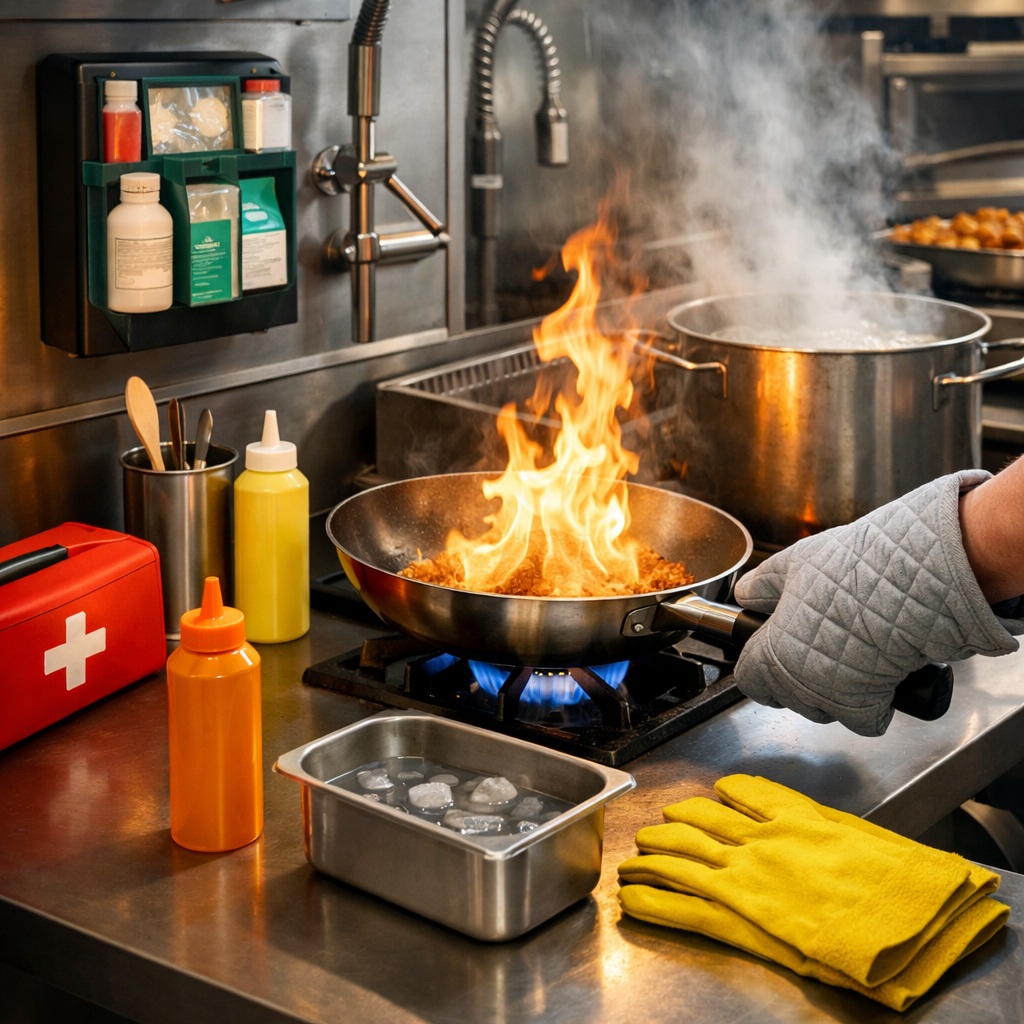
commercial kitchen burn prevention is one of the most important safety priorities in any food service workplace. From cafés and pubs to hospitals, hotels, and large production kitchens, burns can happen in seconds and lead to serious pain, lost time, workers’ compensation claims, and disrupted operations.
Commercial kitchens combine heat, pressure, steam, open flames, hot oil, boiling liquids, and fast-paced work. That makes the environment highly efficient for food production, but also full of hazards if risks are not identified and controlled. A strong OHSE approach helps employers protect staff, meet legal duties, and build safer work habits that last.
This article explains the main burn risks in kitchens, practical control measures, the role of PPE, and how compliance with standards from organizations such as OSHA and CCOHS supports safer workplaces. It also includes practical examples that kitchen managers and supervisors can apply immediately.
Why commercial kitchen burn prevention matters in OHSE
Burns are among the most common injuries in food service. They often occur during routine tasks such as lifting pans from ovens, draining pasta, filtering fryer oil, carrying hot plates, or opening steam equipment too quickly. Because kitchens move fast, even experienced staff can become injured when workload, fatigue, poor layout, or rushed communication affect safe behavior.
In OHSE terms, burns are not random events. They are foreseeable hazards linked to work design, equipment, training, supervision, and housekeeping. That means employers should treat burn prevention as a formal safety issue, not just a matter of “being careful.” A structured risk assessment can identify where workers contact hot surfaces, splash hot liquids, or become exposed to steam, flames, or chemical burns from cleaning products.
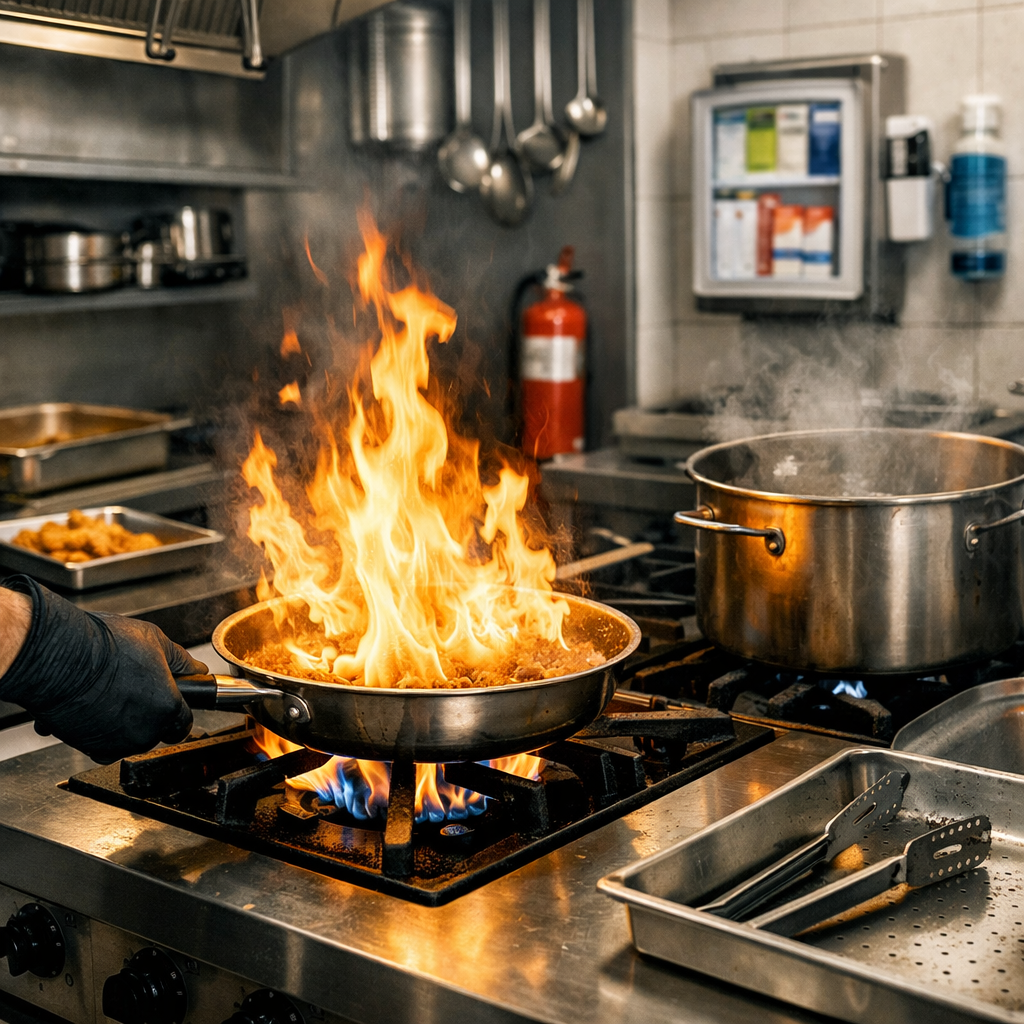
Common types of kitchen burns include thermal burns from grills and ovens, scalds from boiling water and steam, grease burns from fryers, and contact burns from metal trays, handles, and heat lamps. There is also a secondary risk of slips, trips, and collisions causing a worker to spill hot contents onto themselves or others. In many incidents, multiple hazards are involved at once.
Typical burn hazards in a commercial kitchen
- Deep fryers with hot oil splashes or boil-overs
- Steam from combi ovens, dishwashers, and stock pots
- Hot surfaces such as grill plates, oven doors, and sheet pans
- Microwaved foods or sealed containers releasing sudden heat
- Carrying soups, sauces, or hot beverages through crowded walkways
- Poorly maintained equipment with damaged insulation or loose handles
- Cleaning chemicals that can cause chemical burns when misused
Commercial kitchen burn prevention through risk controls
The best commercial kitchen burn prevention programs follow the Hierarchy of Controls. This means reducing hazards at the source before relying only on personal protective equipment. In practice, kitchens often need a combination of engineering controls, administrative controls, and PPE to reduce burn risk effectively.
Start with equipment and layout. Fryers should be positioned away from busy throughways, and pot handles should not extend into walking paths. Oven doors, racks, and hot holding units should allow clear access without forcing awkward reaches. Splash guards, insulated handles, automatic shut-off features, and well-maintained thermostats can significantly reduce exposure to heat and hot liquids.
Administrative controls are equally important. Safe work procedures should cover fryer operation, draining and filtering oil, opening steam ovens, carrying hot items, and cleaning hot equipment. Supervisors should reinforce practices such as announcing “hot behind,” using designated routes, and never overfilling containers with boiling liquids. Good staffing levels also matter, because fatigue and rushing increase mistakes.
Housekeeping is another critical control. Wet floors, grease buildup, cluttered benches, and blocked walkways can turn a manageable heat hazard into a serious burn incident. Clear cleaning schedules, prompt spill response, and accessible storage reduce the chance of collisions and spills. For more workplace safety guidance, many organizations also maintain internal resources such as a workplace safety checklist or a hazard reporting process.
Applying the Hierarchy of Controls
| Control level | Commercial kitchen example | Burn prevention benefit |
|---|---|---|
| Elimination | Remove unnecessary open-flame cooking from a task | Eliminates direct flame exposure |
| Substitution | Use equipment with lower splash risk or safer oil filtration systems | Reduces contact with hot oil |
| Engineering controls | Install splash guards, cool-touch handles, and clear ventilation | Separates worker from heat source |
| Administrative controls | Training, signage, traffic rules, safe work procedures | Improves consistent safe behavior |
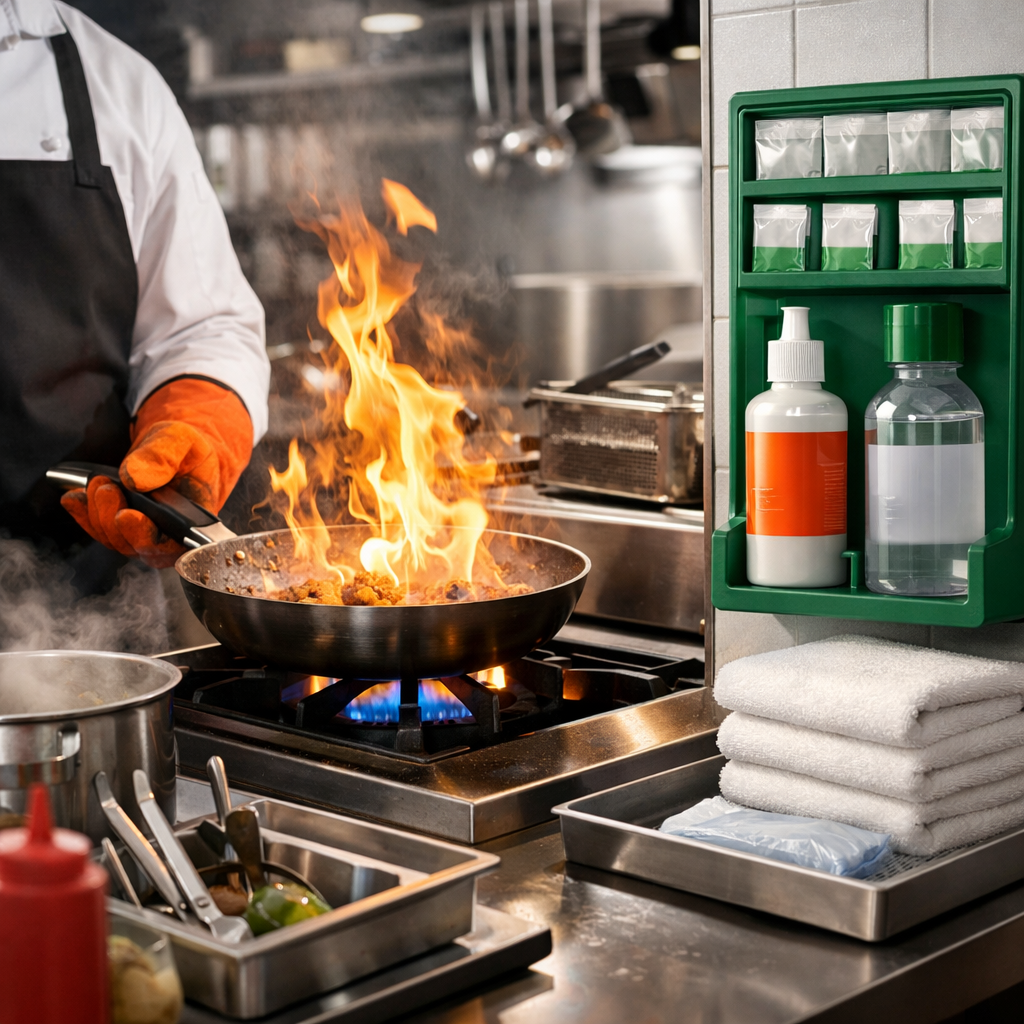
| PPE | Heat-resistant gloves, aprons, sleeves, non-slip footwear | Provides last-line protection |
PPE and safe work practices for commercial kitchen burn prevention
PPE should support, not replace, other safety controls. In commercial kitchens, appropriate PPE may include heat-resistant gloves, long cuff oven mitts, aprons that protect against splashes, arm guards for high-heat tasks, and enclosed non-slip footwear. The right PPE depends on the task. For example, thin disposable gloves are not suitable for handling hot trays, and cloth oven mitts may be unsafe if wet around steam or boiling liquids.
Staff need training on how and when to use PPE correctly. Heat-resistant gloves should be inspected for wear, contamination, or moisture before use. Damaged mitts, cracked pan grips, or aprons saturated with grease should be replaced. Workers should also understand the limits of PPE, especially around deep fryers, steamers, and chemical cleaners.
Safe work practices are what turn policy into real protection. Workers should open lids away from the face, vent oven doors in stages, and allow pressure or steam to release before reaching inside. Hot pans should be placed only on stable surfaces, and handles should be turned inward without extending over burners. When moving hot items, staff should communicate clearly and avoid crowded shortcuts.
Practical examples show how small changes reduce injuries. A line cook filtering fryer oil at the end of a long shift is at high risk if the oil is too hot, the floor is greasy, and there is no clear procedure. A safer method would involve allowing the oil to cool to the manufacturer’s recommended level, using the proper filtration tool, wearing splash-resistant PPE, blocking off the area, and having a second trained worker nearby. Another example is a dishwasher opening a commercial machine too quickly and taking a steam blast to the arms and face. A simple pause-and-open technique, combined with gloves and training, can prevent that incident.
Training, compliance, and emergency response
commercial kitchen burn prevention depends on training that is practical, repeated, and task-specific. New starters, young workers, temporary staff, and agency workers often face increased risk because they may not know the workflow, hazards, or emergency procedures. Induction should include hot surface awareness, fryer safety, steam hazards, manual handling of hot containers, and first aid reporting requirements.
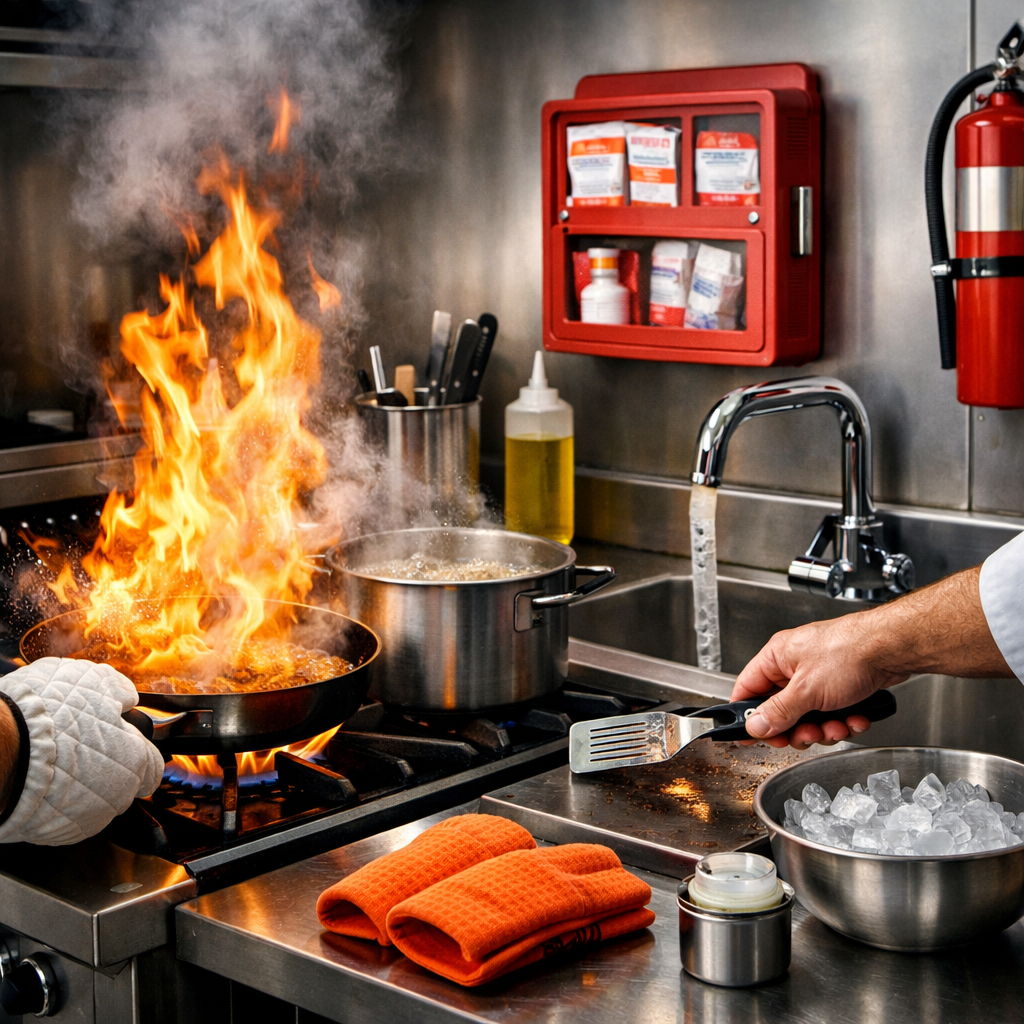
Compliance also matters. Employers generally have duties under occupational health and safety laws to provide safe systems of work, training, supervision, maintenance, and suitable PPE. Guidance from OSHA’s restaurant safety resources and CCOHS materials can help businesses strengthen their programs. Regular inspections, incident reviews, and documented corrective actions show that burn prevention is being actively managed rather than assumed.
Managers should encourage near-miss reporting. If a worker almost spills a stock pot, receives a minor steam exposure, or notices a loose fryer basket handle, that information is valuable. It gives the business a chance to correct hazards before a more serious injury occurs. Toolbox talks and pre-shift briefings are useful for reinforcing controls during busy periods, menu changes, or onboarding.
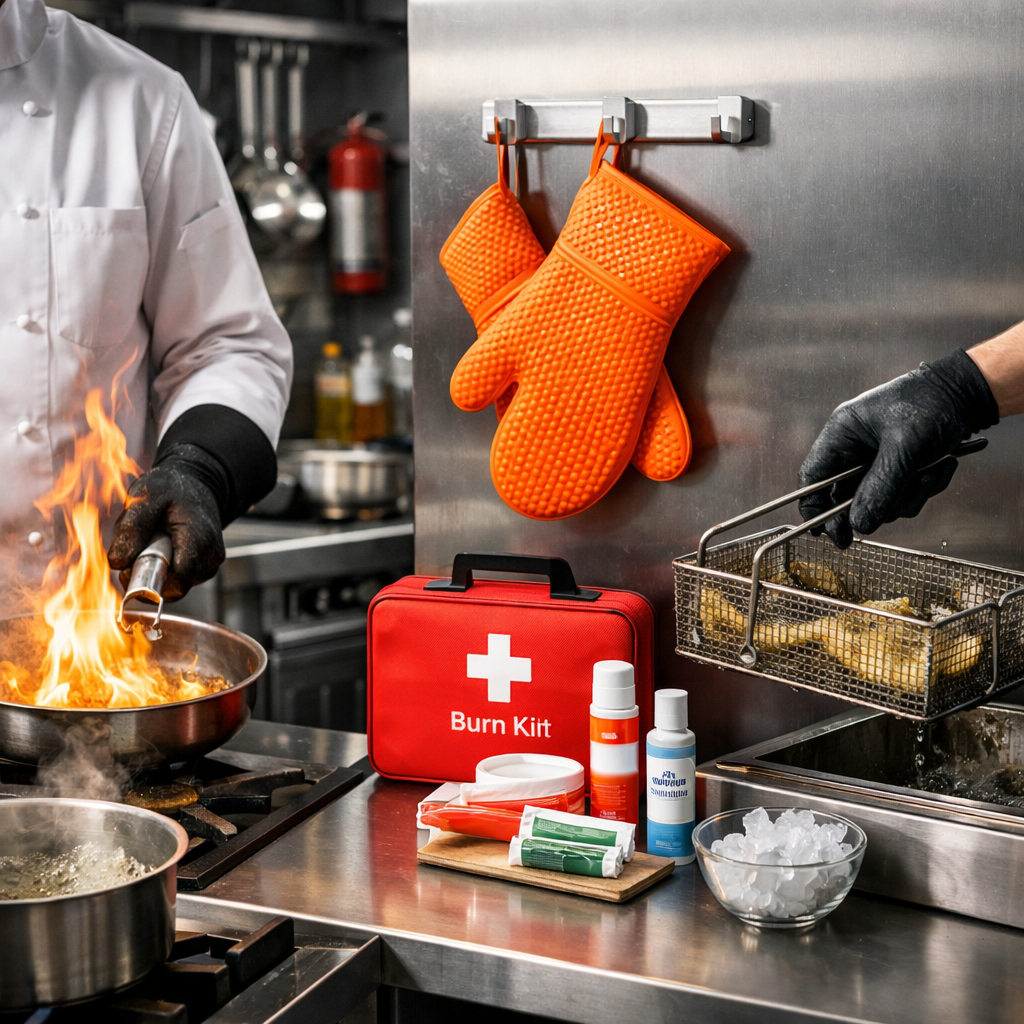
Emergency response is the final layer of protection. Staff should know basic first aid for burns, including cooling the burn with cool running water as appropriate, removing contaminated clothing carefully unless stuck to the skin, and seeking medical attention for serious injuries. Burn kits, first aid supplies, and emergency contacts should be easy to access. Supervisors should also investigate incidents promptly to identify root causes such as poor maintenance, rushed procedures, or insufficient training.
In conclusion, commercial kitchen burn prevention is not just about reminding workers to be cautious. It requires a full OHSE approach that identifies risks, applies the Hierarchy of Controls, provides suitable PPE, supports compliance, and reinforces safe habits through training and supervision. When kitchens combine practical controls with a strong safety culture, they reduce injuries, protect staff wellbeing, and maintain smoother operations. For any food service business, investing in commercial kitchen burn prevention is a direct investment in people, productivity, and legal compliance.