
Eye Protection Rules for High-Risk Job Sites: What Workers Need to Know

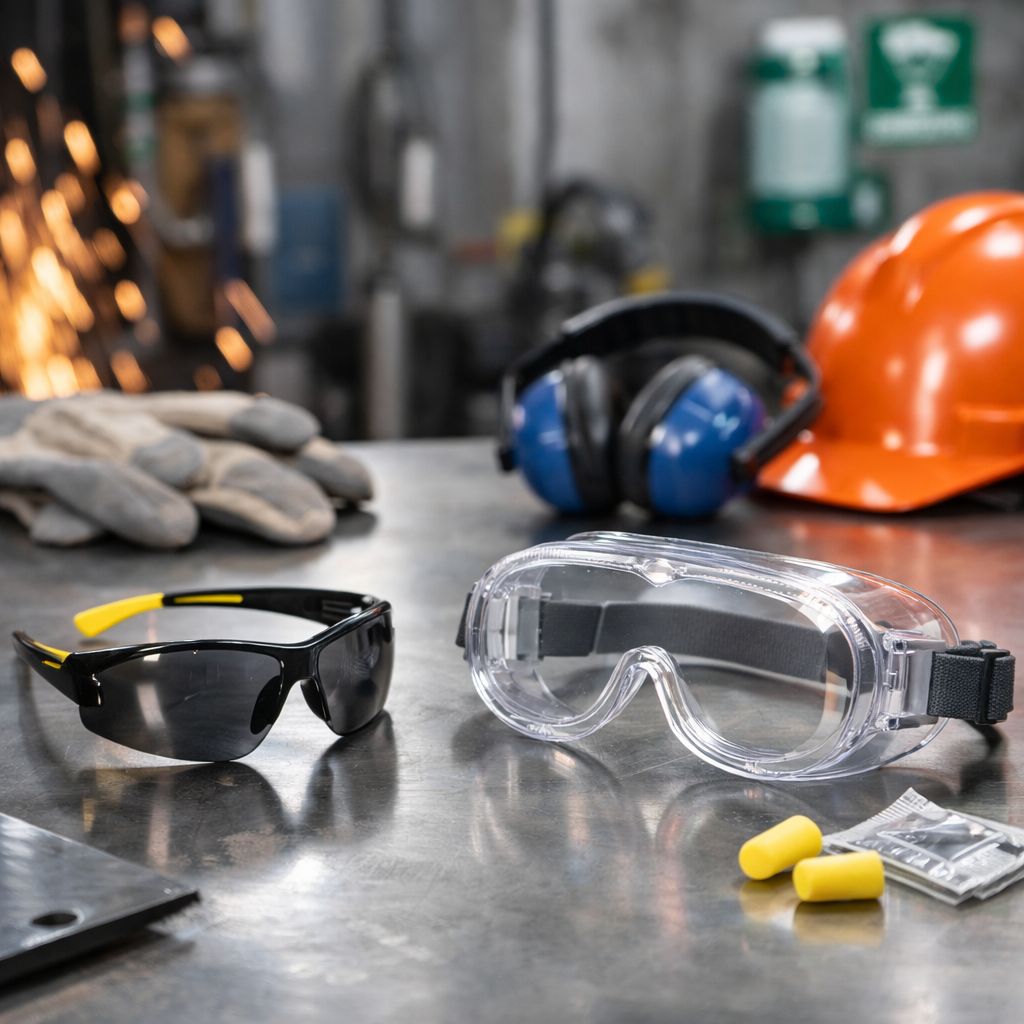
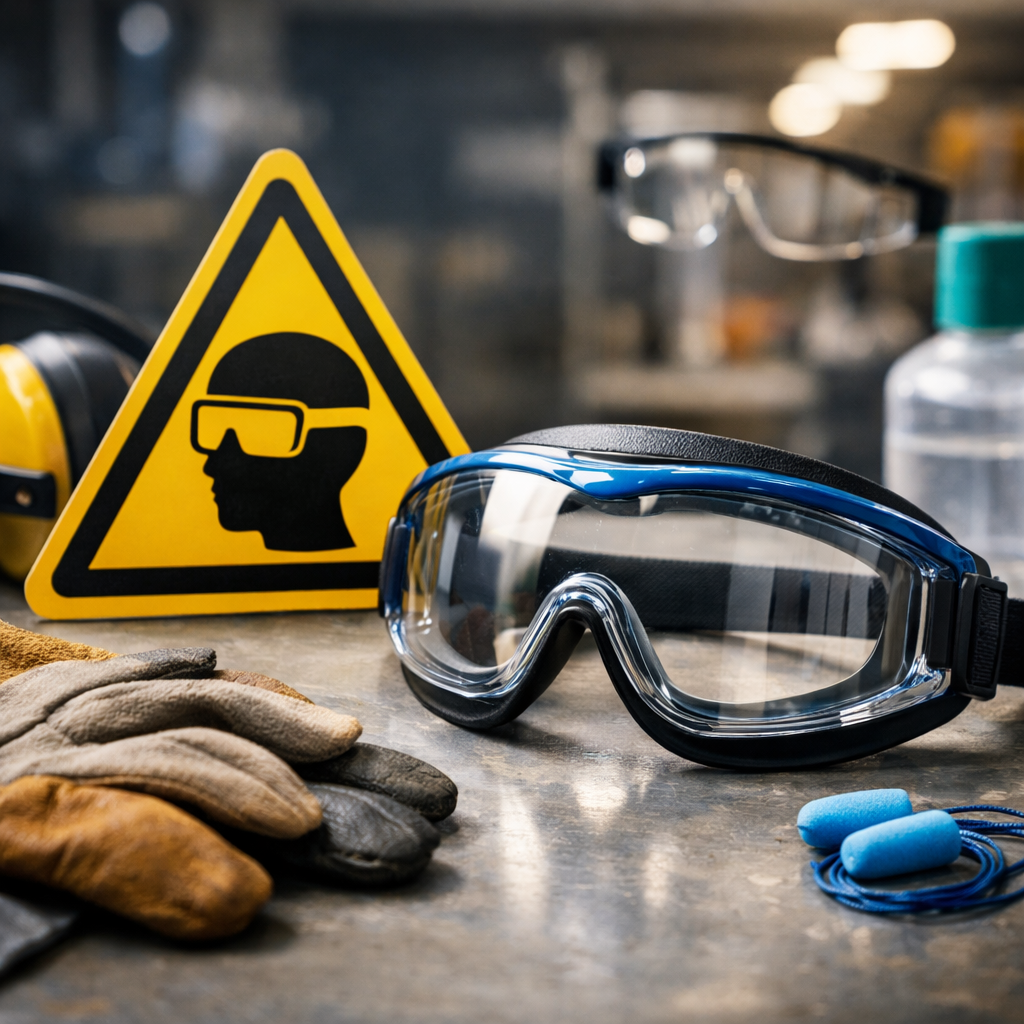
Eye protection rules are one of the most important safety requirements on high-risk job sites because even a small mistake can lead to permanent vision damage.
In construction, manufacturing, welding, mining, road work, and chemical handling environments, workers face daily exposure to flying particles, liquid splashes, dust, radiation, and impact hazards. A strong eye safety program does more than hand out safety glasses. It matches the right protection to the actual hazard, trains workers to use it correctly, and reinforces safe habits every day.
Many eye injuries happen not because protection was unavailable, but because it was the wrong type, poorly fitted, damaged, or removed at the wrong time. That is why understanding practical eye protection rules matters so much for supervisors, safety managers, and frontline crews alike.
Why Eye Protection Rules Matter on High-Risk Job Sites
High-risk job sites create conditions where the eyes can be injured in seconds. Grinding metal can send fragments into the air at high speed. Chemical transfer tasks can cause splashes. Cutting masonry releases fine dust. Welding creates intense optical radiation that can burn the eyes even without direct contact.
According to workplace safety guidance from OSHA, employers must assess hazards and provide suitable personal protective equipment. The CCOHS also emphasizes hazard assessment, worker training, and proper selection of eye and face protection. These are not just compliance points. They are practical steps that reduce preventable injuries.
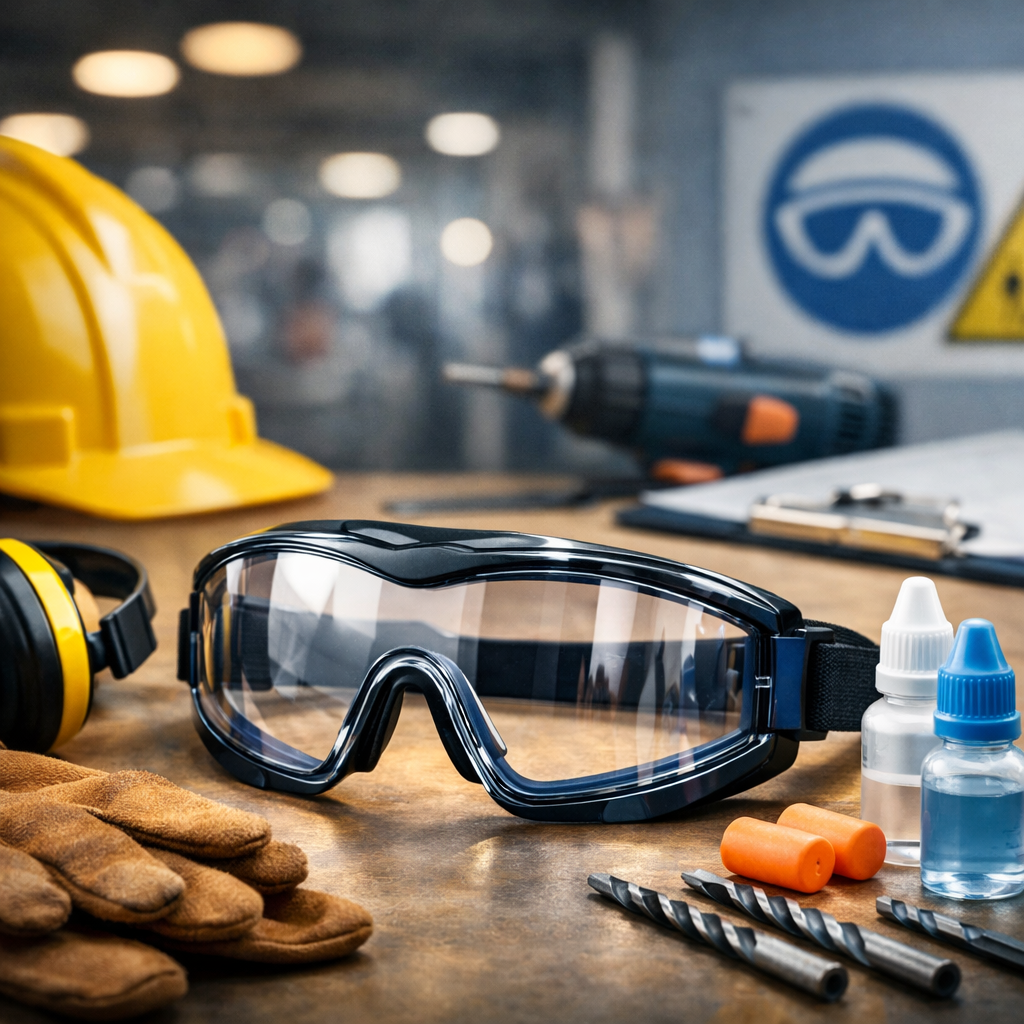
The best eye protection rules also follow the Hierarchy of Controls. PPE is critical, but it should not be the first or only line of defense. If a process can be changed to reduce flying debris, if machine guards can be added, or if splash shields can be installed, risk drops before eyewear is even needed. Eye protection works best when it supports other controls rather than replacing them.
Common eye hazards by task
- Grinding and cutting: flying metal, sparks, dust, and fragments
- Chemical handling: splashes, vapors, and corrosive liquids
- Welding: ultraviolet and infrared radiation, sparks, hot slag
- Woodworking: chips, sawdust, and projectiles
- Demolition: mixed debris, dust clouds, and impact hazards
- Laboratory or industrial mixing: splash exposure and airborne irritants
Matching Eye Protection Rules to the Hazard
One of the biggest errors on job sites is treating all eye protection as if it offers the same level of safety. Standard safety glasses may be enough for low-impact tasks, but they are not enough for chemical splash work or heavy grinding. Good eye protection rules require matching the hazard, the environment, and the task duration to the correct equipment.
Choose protection based on the specific exposure
| Hazard | Recommended Protection | Why It Matters |
|---|---|---|
| Flying particles and light impact | Safety glasses with side shields | Protects from front and side entry of debris |
| Dust and fine particles | Sealed or close-fitting goggles | Reduces gaps where dust can enter |
| Chemical splash | Chemical splash goggles and face shield | Goggles protect the eyes; face shield adds face coverage |
| Grinding and high-speed debris | Impact-rated goggles or safety glasses plus face shield | Provides stronger protection against projectiles |
| Welding and cutting | Welding helmet with correct filter shade | Protects against radiation, sparks, and heat |
For example, a worker using a handheld grinder may think basic tinted glasses are enough. They are not. The task may require impact-rated eyewear plus a face shield because debris can bounce upward or around the sides. In chemical work, a face shield alone is also not enough. Without sealed goggles underneath, liquid can still reach the eyes from below or the sides.
Fit also matters. If eyewear slips down the nose, leaves large side gaps, or fogs constantly, workers are more likely to remove it. Adjustable straps, anti-fog coatings, and compatibility with hard hats or respirators can make a major difference in whether protection stays on through the full task. You can also support compliance by reviewing your broader workplace PPE policy and updating task-specific rules.
Common Mistakes Workers Make with Eye Protection Rules
Even clear policies fail when day-to-day habits are weak. On many sites, workers know they need eye protection but underestimate short tasks, routine jobs, or low-visibility hazards. That is when injuries often happen.
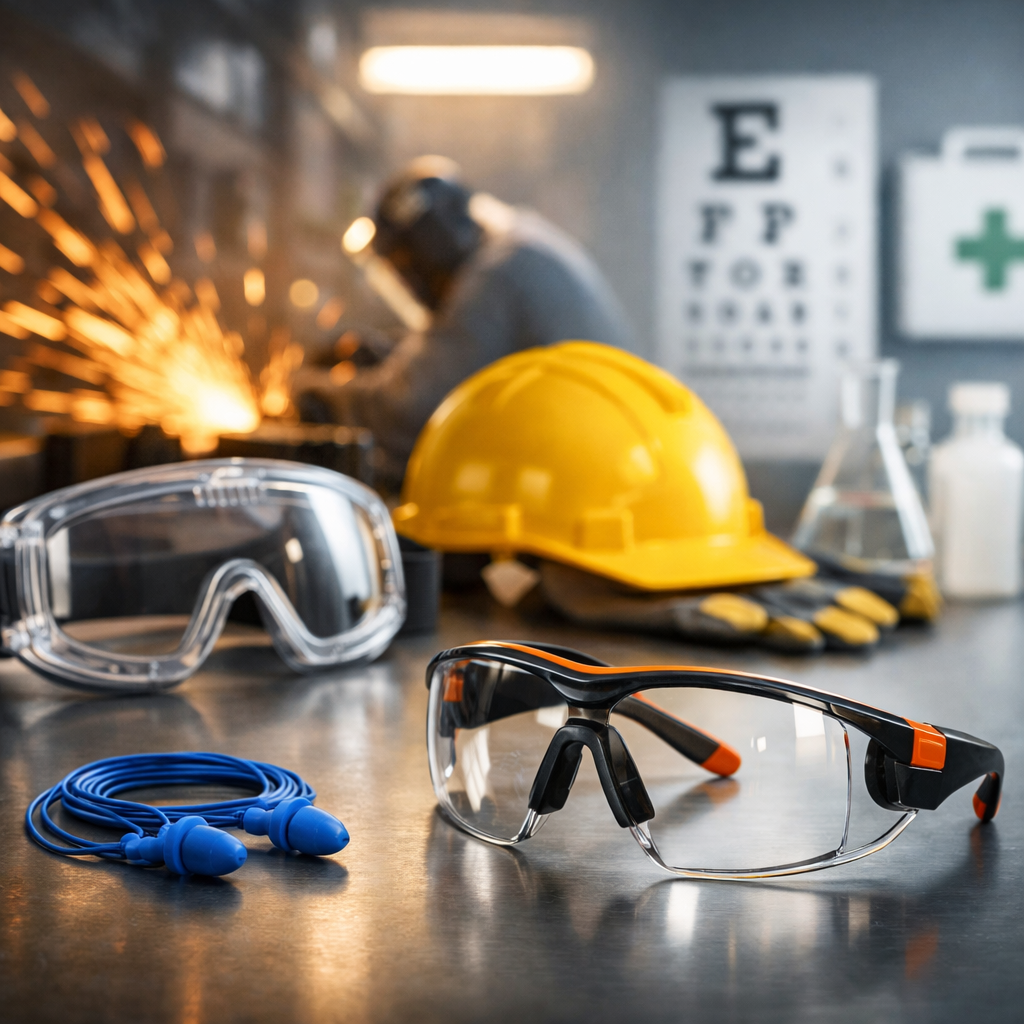
Mistakes that increase injury risk
- Using the wrong type of protection: wearing basic safety glasses for splash or dust hazards
- Removing eyewear too early: taking it off during cleanup when debris is still airborne
- Wearing damaged lenses: cracked, deeply scratched, or loose eyewear reduces visibility and protection
- Poor fit: loose glasses and unsealed goggles allow entry points for hazards
- Relying on a face shield alone: face shields are often secondary protection, not a replacement for safety glasses or goggles
- Ignoring compatibility issues: eyewear that conflicts with hearing protection, respirators, or helmets often gets adjusted or removed
- Not cleaning lenses properly: dirty lenses cause poor vision and encourage non-compliance
A common example is cleanup after cutting or drilling. The noisy part of the task is over, so a worker removes eye protection while sweeping dust or clearing material off a bench. But this is still an exposure period. Fine particles can become airborne again, and the risk remains.
Another frequent mistake is using personal sunglasses or non-rated glasses on the job. They may look protective, but if they are not designed and rated for workplace hazards, they may shatter or fail under impact. For crews working outdoors, site managers should make sure the selected eyewear handles both sun glare and the actual mechanical hazard. Regular reviews like a job hazard analysis help catch these mismatches before injuries occur.
Building Better Eye Protection Rules Through Training and Supervision
Strong eye protection rules do not depend on signage alone. Workers need practical training that connects the task to the hazard and the hazard to the correct protection. Training should show what to wear, when to upgrade from glasses to goggles or a face shield, how to inspect equipment, and when to replace it.
Supervisors play a key role here. If a foreperson stops unsafe work when eyewear is missing, damaged, or mismatched, the crew quickly understands the standard. If supervisors ignore shortcuts, workers will assume eye safety is optional during fast jobs or production pressure.
What an effective eye safety program should include
- Task-based hazard assessments before work begins
- Clear selection rules for glasses, goggles, and face shields
- Fit testing or practical checks for comfort and seal
- Cleaning stations and proper storage to prevent lens damage
- Replacement procedures for scratched or worn-out PPE
- Emergency eyewash access where chemicals or irritants are present
- Regular refresher training and spot checks on site
It also helps to use manufacturer guidance and recognized standards when selecting equipment. For welding operations, workers should use helmets and filter shades suited to the process and amperage. For chemical processes, safety data sheets can help identify splash and irritation risks, while guidance from NIOSH and industry standards can support safer decisions.
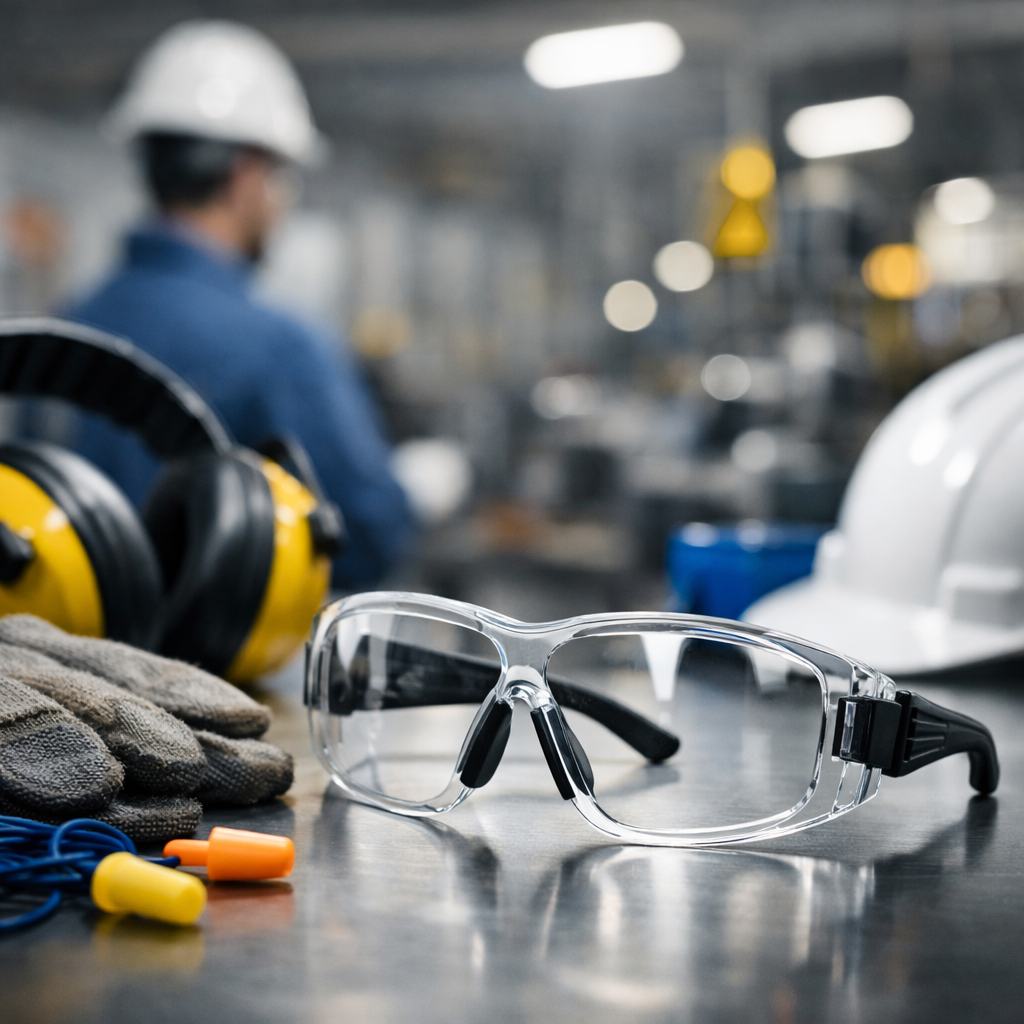
Most importantly, eye safety should be treated as part of work planning, not as an afterthought at the tool crib. When eyewear is selected before the task starts, workers are less likely to improvise with whatever is available nearby.
Practical Eye Protection Rules for Safer Daily Work
The most effective eye protection rules are simple, specific, and easy to follow in real conditions. Workers should know exactly what is expected for each task, and supervisors should verify that site conditions have not changed. Dust levels, chemical use, weather, lighting, and nearby activities can all affect what protection is appropriate.
As a daily rule, workers should inspect eye protection before each shift, clean it with approved materials, and report damage immediately. Employers should keep enough replacement stock on hand so workers never feel pressure to continue with scratched or broken eyewear. Shared equipment should be sanitized and checked for wear between users.
Eye injuries are often fast, painful, and life-changing, but many are preventable with better hazard matching and fewer shortcuts. The best eye protection rules combine hazard assessment, the right equipment, worker training, and active supervision. When job sites match eye protection to the real risk and address common mistakes early, they protect more than compliance. They protect long-term vision, confidence, and the ability of every worker to go home safe at the end of the day.
No comments yet