


factory fire prevention systems: OHSE Strategies That Protect People, Property, and Production


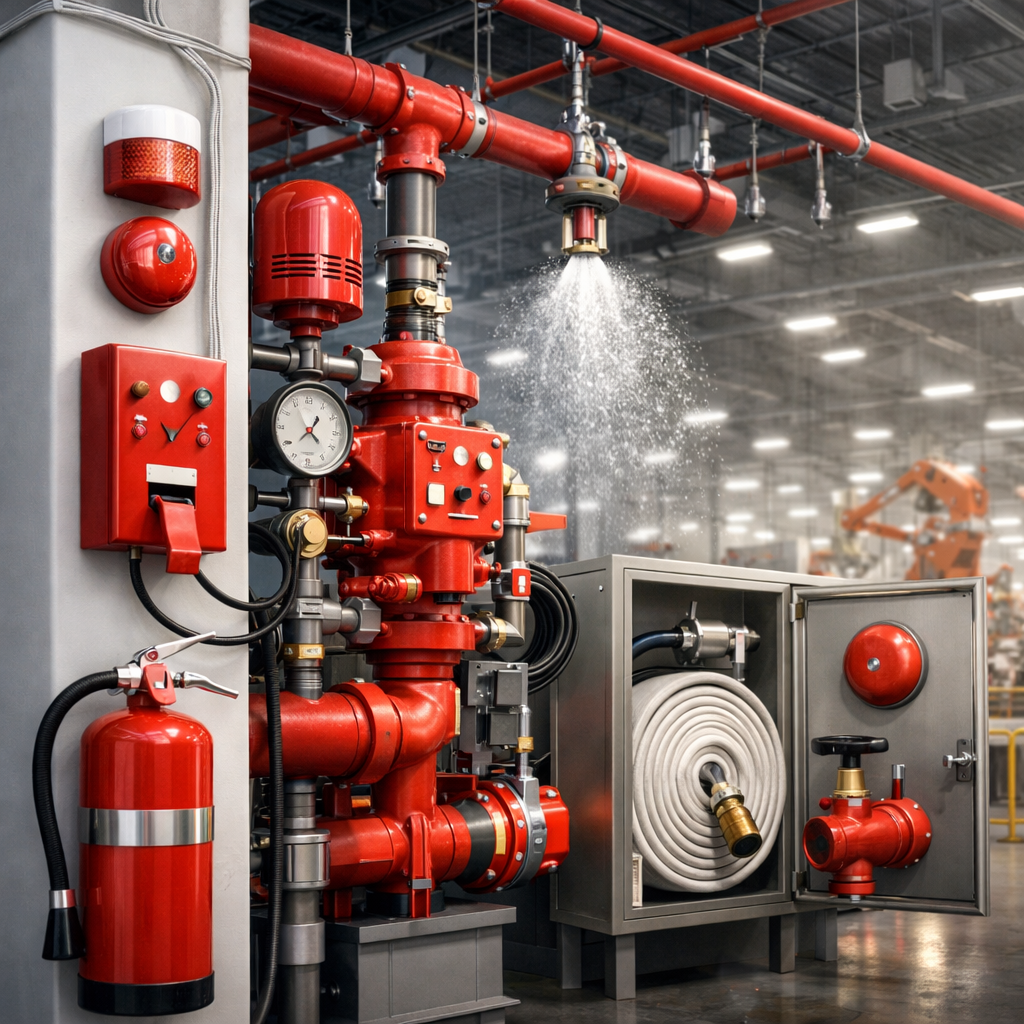
Factory fire prevention systems are a critical part of occupational health, safety, and environmental management in industrial workplaces.
They help reduce the chance of ignition, limit fire spread, protect workers, and support business continuity when hazards cannot be eliminated completely.
In factories, fire risks often build quietly through everyday activities such as welding, electrical work, chemical handling, dust-generating processes, and equipment overheating.
Without a structured fire prevention program, a small ignition source can quickly escalate into a major incident involving injuries, toxic smoke, shutdowns, and costly property damage.
An effective approach combines engineering controls, safe work procedures, inspection routines, emergency planning, and worker training.
It also aligns with OHSE expectations, insurance requirements, and legal duties under workplace safety legislation, including guidance from OSHA and CCOHS.
For factories that want to strengthen safety performance, workplace risk assessments and emergency response planning should work hand in hand with fire prevention controls.
This article explains the main risks, prevention methods, PPE needs, compliance expectations, and practical examples that make factory fire prevention systems effective in real workplaces.
Why factory fire prevention systems matter in industrial workplaces
Factories contain many of the conditions needed for fire: fuel, oxygen, and ignition.
Combustible packaging, flammable liquids, gas cylinders, wood pallets, textiles, oils, and fine dust can all act as fuel sources.
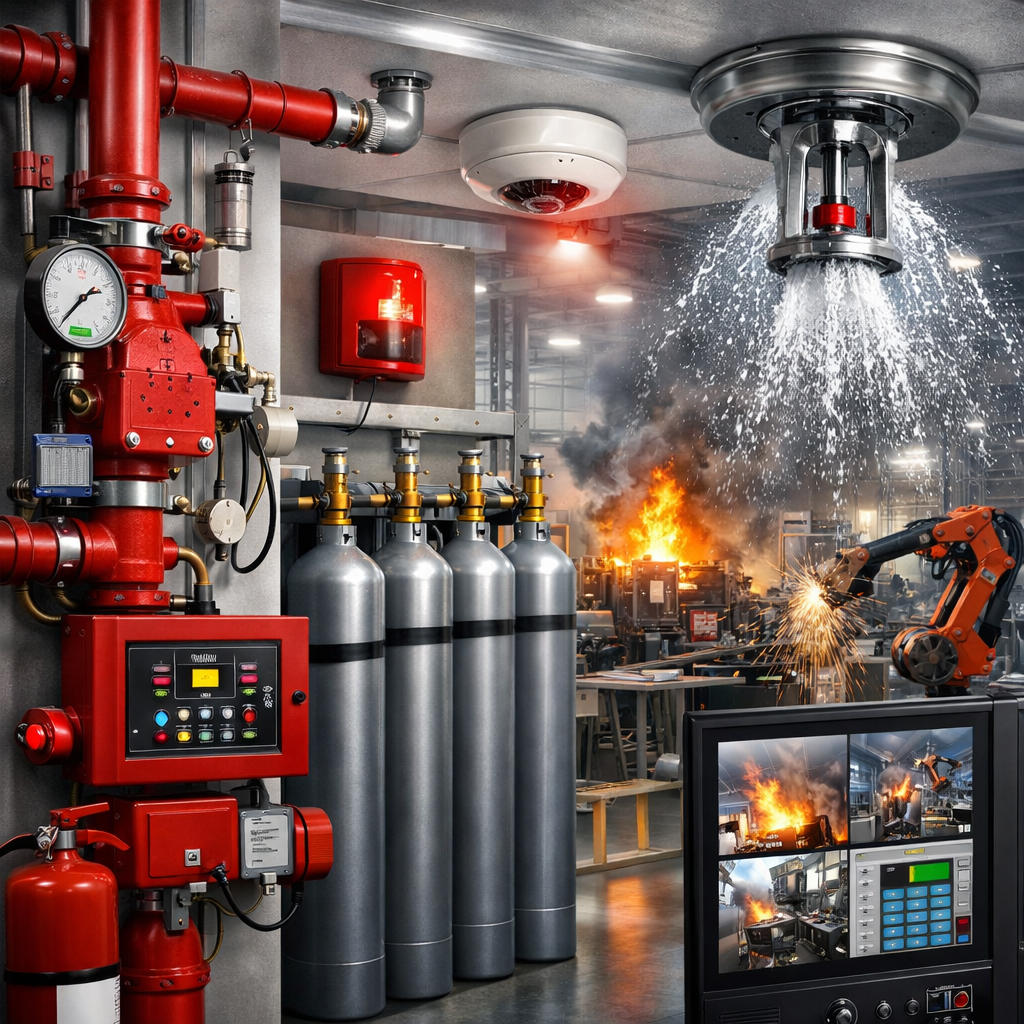
Ignition sources are just as common.
Faulty wiring, overloaded circuits, friction from moving parts, static discharge, hot surfaces, furnaces, cutting operations, and smoking in restricted areas can all start a fire if controls are weak.
The consequences go far beyond damaged equipment.
A fire can lead to burns, smoke inhalation, entrapment, structural collapse, environmental contamination, and long-term production losses.
Even a minor event can trigger investigations, downtime, and reputational damage.
This is why factory fire prevention systems must be treated as a core risk control, not just a maintenance issue.
Strong systems improve life safety, help meet OHSE obligations, and make emergency response faster and more effective when an incident occurs.
Common fire risks found in factories
- Electrical hazards: damaged cords, poor panel maintenance, overloaded circuits, and unauthorized temporary wiring
- Hot work: welding, cutting, brazing, and grinding that generate sparks or heat
- Flammable substances: solvents, fuels, paints, resins, adhesives, and aerosols
- Combustible dust: wood dust, metal dust, grain dust, sugar dust, and plastic powder
- Poor housekeeping: waste buildup, oily rags, blocked exits, and improper storage
- Mechanical overheating: bearings, motors, conveyors, and compressors running above safe temperature limits
- Human factors: inadequate training, unsafe shortcuts, weak supervision, and poor permit-to-work control
Key components of factory fire prevention systems
The most reliable factory fire prevention systems combine prevention, detection, suppression, and response.
No single control is enough on its own, especially in high-risk manufacturing environments.
Risk assessment and hazard identification
A thorough fire risk assessment should identify fuels, ignition sources, oxygen enrichment risks, vulnerable processes, and people who may need assistance during evacuation.
Assessments should be updated when equipment, layout, materials, or production methods change.
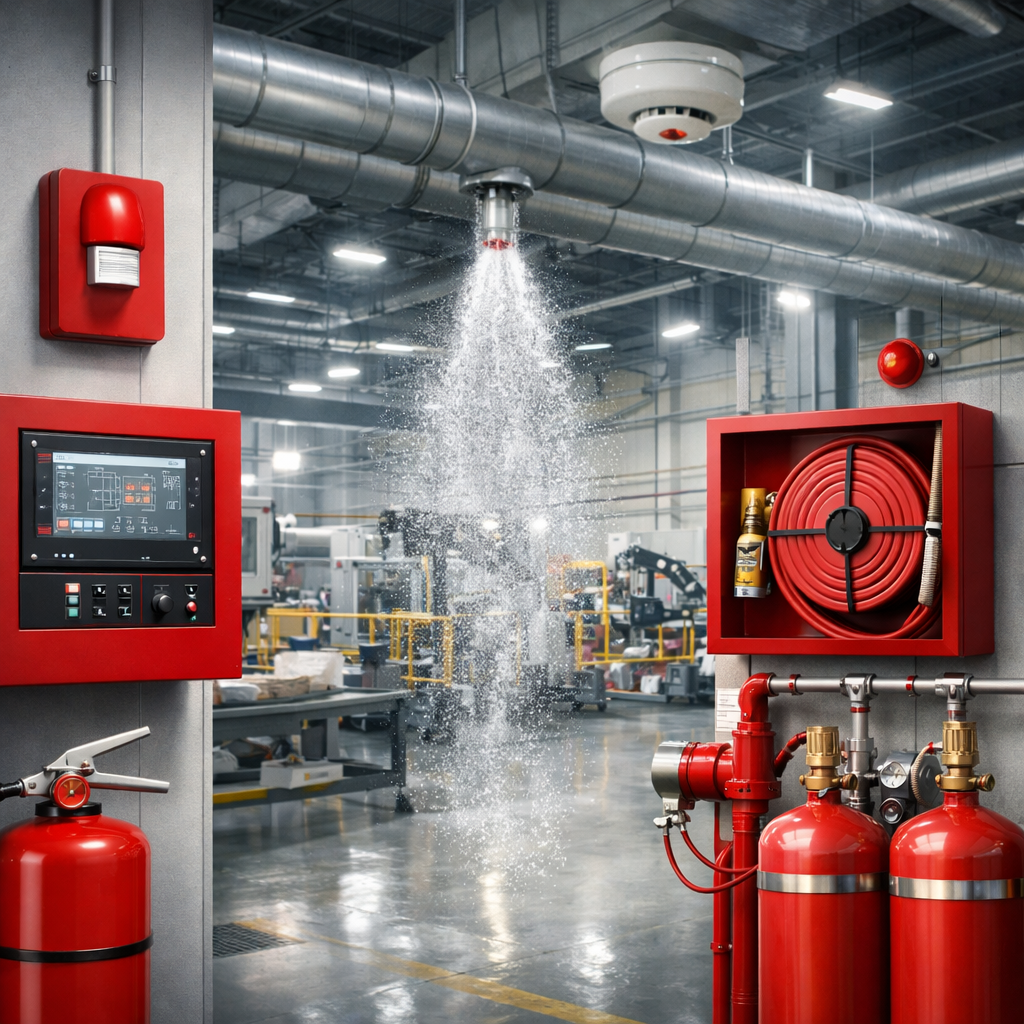
Practical examples include reviewing where flammable liquids are transferred, checking whether dust accumulates above ceiling beams, and identifying battery charging stations that need ventilation and separation.
These findings help determine which controls are required and where protection systems should be installed.
Engineering controls and fire protection equipment
Engineering controls are usually the most dependable measures because they do not rely entirely on worker behavior.
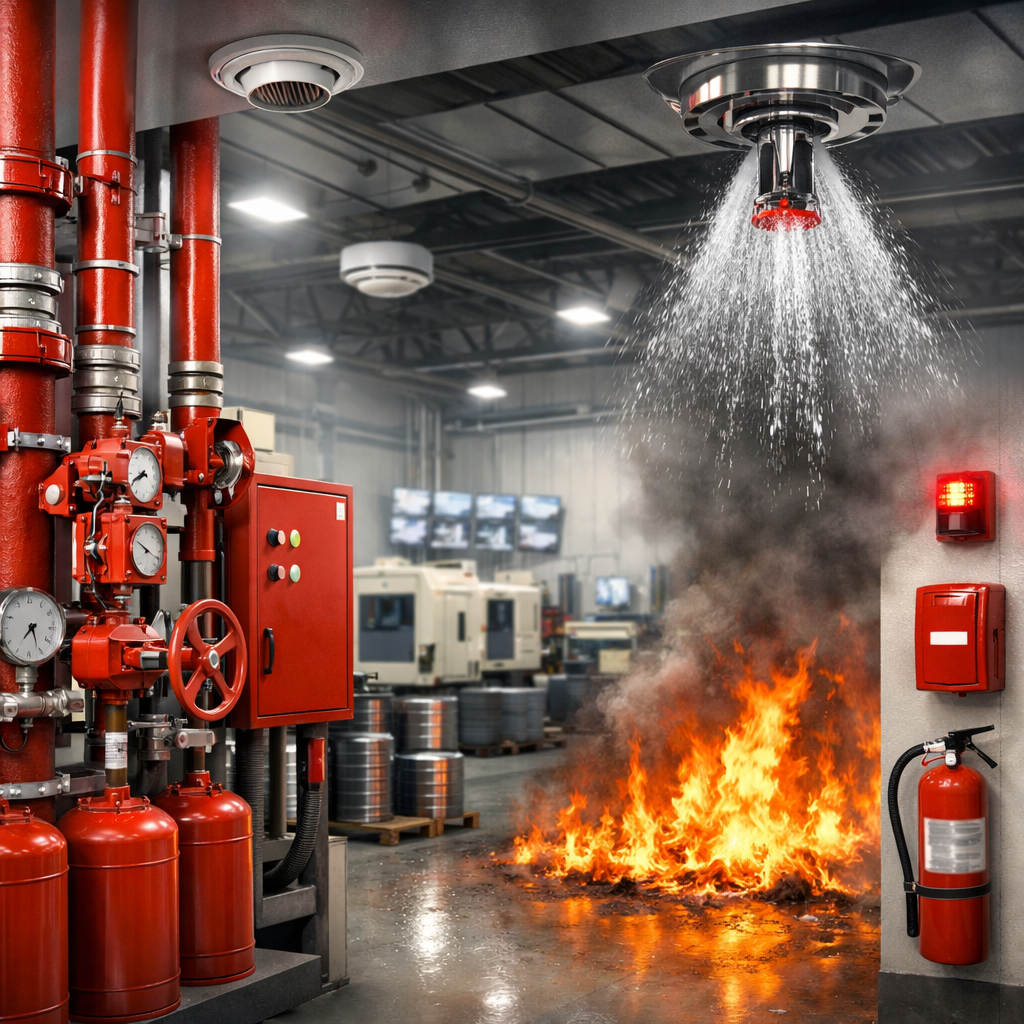
Examples include automatic sprinklers, fire alarms, heat and smoke detection, explosion venting, fire-rated walls, spark detection in ducts, local exhaust ventilation, and intrinsically safe electrical equipment in hazardous areas.
Factories handling flammable liquids may need bonded and grounded transfer systems to prevent static discharge.
Sites with combustible dust may need dust collection systems, enclosed conveyors, and regular duct cleaning to reduce explosion risk.
Maintenance is just as important as installation.
A sprinkler system with closed valves, a detector covered in dust, or a fire door wedged open can undermine the entire protection strategy.
Administrative controls and safe work practices
Administrative controls support engineering measures through clear procedures, supervision, and training.
These often include hot work permits, lockout procedures, preventive maintenance schedules, smoking restrictions, waste disposal routines, contractor controls, and emergency drills.
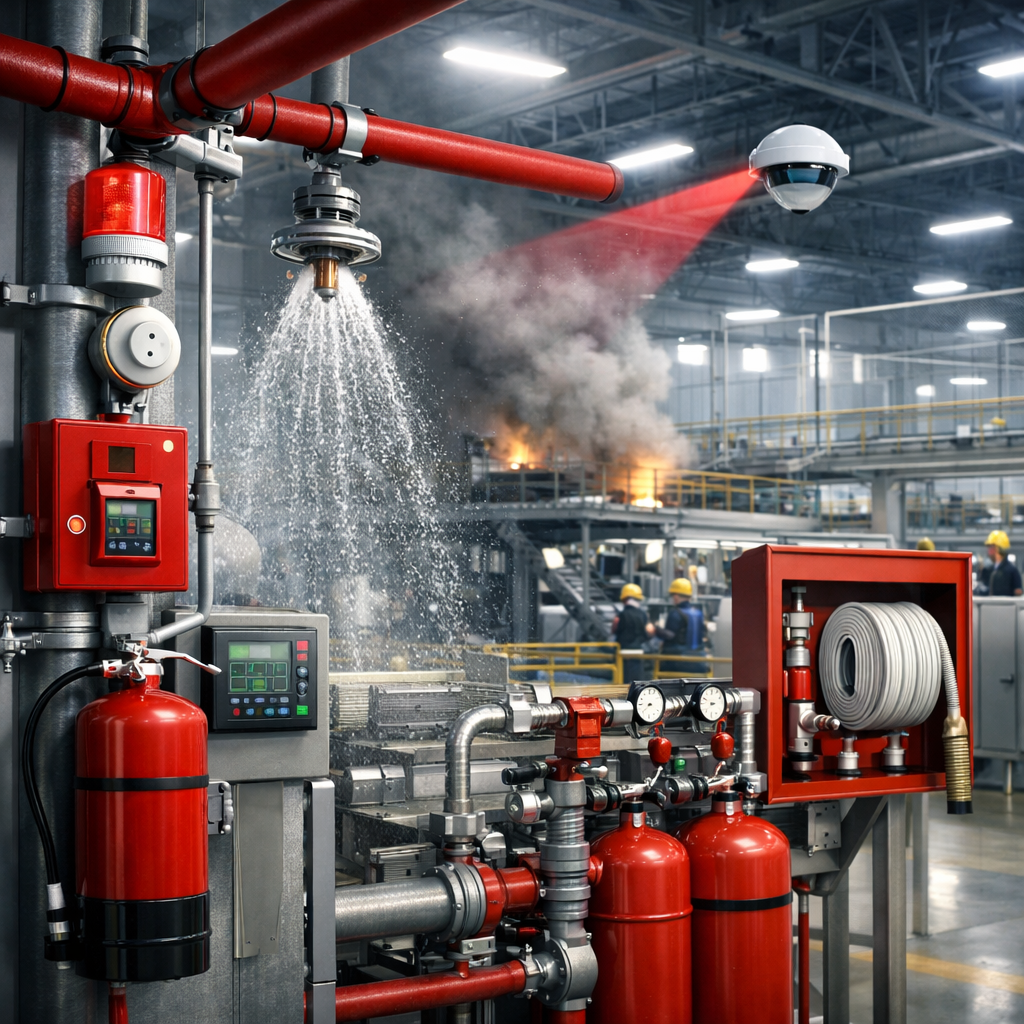
Housekeeping deserves special attention.
When combustible waste, dust, and oily materials are allowed to accumulate, the fire load increases and evacuation routes may become less accessible.
| Risk Area | Typical Hazard | Practical Control |
|---|---|---|
| Electrical rooms | Overheating and arc faults | Inspection, thermal scanning, panel clearance, qualified repairs |
| Hot work zones | Sparks igniting nearby combustibles | Permit system, fire watch, spark containment, area isolation |
| Chemical storage | Flammable vapor ignition | Approved cabinets, ventilation, segregation, spill control |
| Dust-producing lines | Flash fire or dust explosion | Dust extraction, cleaning schedule, ignition control, equipment bonding |
Applying the Hierarchy of Controls to factory fire prevention systems
The Hierarchy of Controls is a practical OHSE method for reducing workplace risk.
When applied to factory fire prevention systems, it helps organizations choose stronger controls before relying on warning signs or PPE alone.
Elimination and substitution
The best solution is to remove the hazard where possible.
For example, a factory may eliminate open-flame heating in one process or substitute a less flammable cleaning solvent for a highly volatile one.
Substitution can also involve changing packaging materials, using pre-fabricated parts to reduce hot work, or replacing solvent-based coatings with water-based alternatives where technically suitable.
These changes lower fire risk at the source.
Engineering and administrative controls
Where elimination is not possible, engineering controls should be prioritized.
Installing fire-resistant separation between production areas, adding automatic shutoffs to overheated equipment, or improving ventilation around flammable vapor sources are strong examples.
Administrative controls then reinforce safe operation.
Examples include scheduled inspections, contractor orientation, combustible dust cleaning plans, and incident reporting systems that track near misses such as sparks, overheating, or minor smoke events.
PPE as the last line of defense
Personal protective equipment does not prevent a fire from starting, but it can reduce injury during exposure.
In many factories, PPE requirements may include flame-resistant clothing, heat-resistant gloves, safety boots, eye protection, hard hats, and respiratory protection where smoke, fumes, or particulates may be present.
PPE must be task-specific, properly fitted, and supported by training.
Workers performing hot work, chemical transfer, or emergency shutdown tasks should understand both the protection and the limitations of their equipment.
Emergency responders within the site, such as trained fire wardens or response teams, may require higher levels of PPE depending on the hazards present.
Selection should follow a documented hazard assessment and recognized standards.
Compliance, training, and practical examples from the factory floor
Compliance is a major driver of strong factory fire prevention systems.
Regulators and insurers typically expect employers to identify fire hazards, maintain suppression and alarm systems, provide clear egress, control ignition sources, and train workers in emergency procedures.
Standards and guidance from OSHA, CCOHS, and the NFPA are often used to shape factory fire programs.
Depending on the jurisdiction and industry, employers may also need documented inspections, testing records, permit systems, and evacuation drill results.
Training that improves real-world performance
Training should be practical, not just a box-ticking exercise.
Workers need to know how fires start in their specific area, how to report hazards, what to do if alarms activate, and when to evacuate instead of attempting first response.
Supervisors and maintenance teams should receive added instruction on ignition source control, shutdown procedures, fire door integrity, and permit-to-work systems.
Contractors should also be included, especially if they perform welding, electrical work, or modifications to process equipment.
Practical examples of effective controls
In a food processing plant, a recurring issue with flour dust on overhead surfaces created a flash fire risk.
The site improved its fire prevention program by installing better extraction, changing cleaning methods to avoid dust dispersal, and increasing inspection frequency in hidden areas.
In a metal fabrication shop, repeated hot work near stored cardboard and solvents raised concern.
Management introduced a stricter hot work permit, moved combustibles away from production cells, assigned a fire watch, and verified extinguisher access before each task.
These simple steps significantly reduced the chance of ignition.
In an electronics assembly facility, thermal imaging during preventive maintenance found overheating electrical connections before failure occurred.
The company repaired the panels, updated loading calculations, and reviewed housekeeping around electrical rooms.
This is a good example of prevention delivering measurable OHSE value before an emergency begins.
Factory fire prevention systems are most effective when they are visible in daily operations, supported by leadership, and reviewed continuously as risks change.
By combining hazard assessment, engineering controls, housekeeping, PPE, training, and regulatory compliance, factories can reduce fire risk in a practical and sustainable way.
For any employer committed to safer production, stronger resilience, and legal due diligence, investing in factory fire prevention systems is an essential part of modern OHSE management.