


industrial equipment inspection routines: Building Safer, Compliant, and More Reliable Workplaces


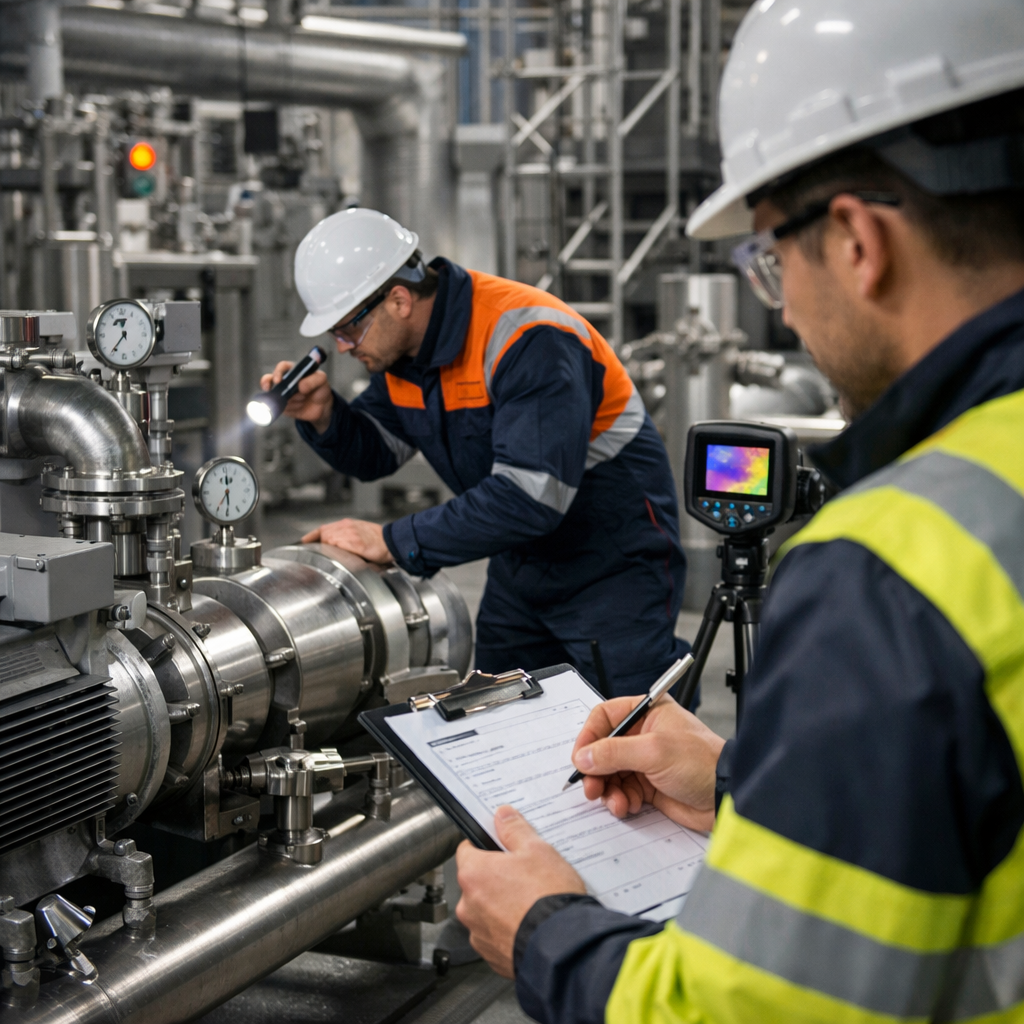
industrial equipment inspection routines are one of the most practical ways to reduce workplace injuries, prevent equipment failure, and support OHSE compliance in industrial settings.
Whether a site operates forklifts, conveyors, pressure systems, pumps, cranes, or machine tools, a structured inspection process helps identify hazards before they turn into incidents, shutdowns, or costly repairs.
In OHSE programs, inspection routines do more than confirm that equipment still runs. They help employers verify guarding, warning systems, emergency stops, electrical integrity, fluid containment, and safe operating conditions.
They also create a record of due diligence, which matters when meeting regulatory expectations and demonstrating that hazards are being managed systematically.
When inspection routines are missing or inconsistent, problems often go unnoticed. A loose guard may expose moving parts, a worn hydraulic hose may burst under pressure, or a damaged ladder on mobile plant may increase fall risk.
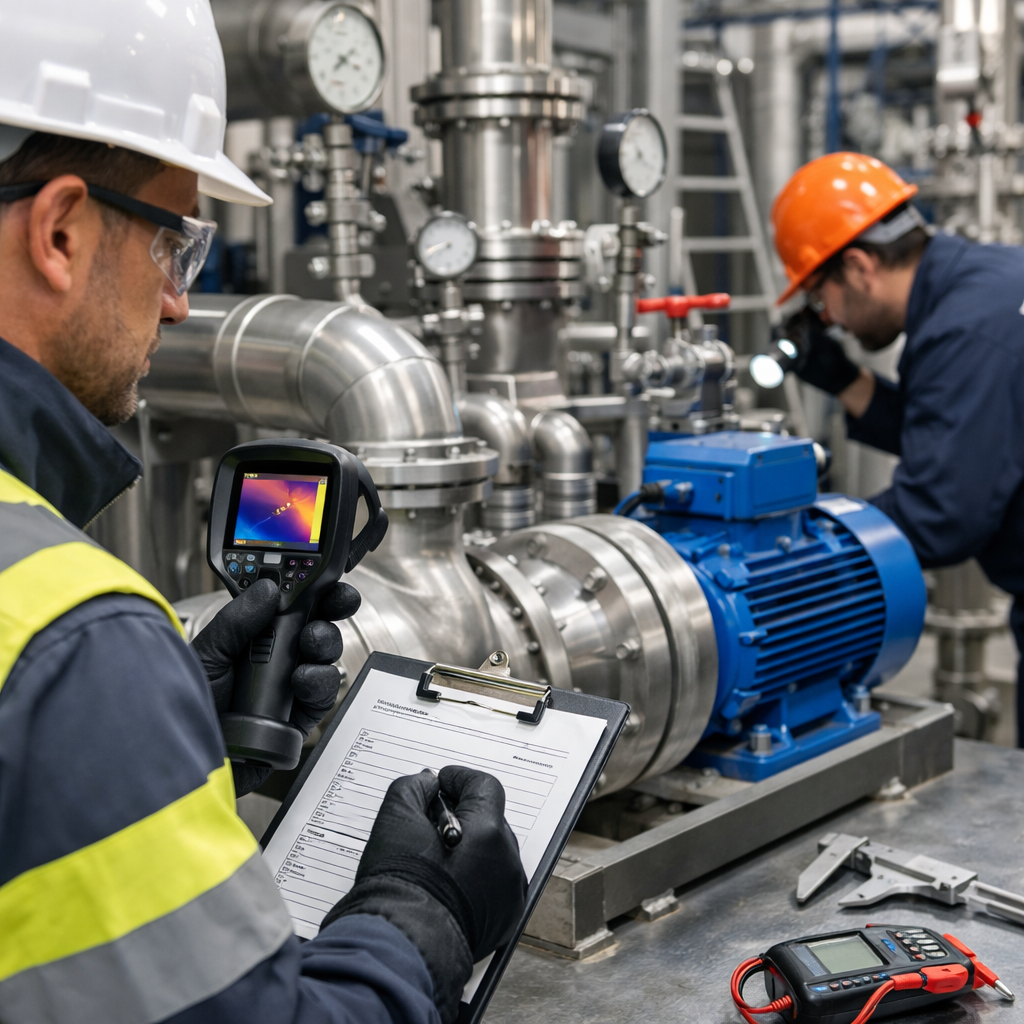
These are everyday issues in industry, but they can have serious consequences if workers are exposed without proper controls, training, and follow-up.
Why industrial equipment inspection routines matter in OHSE
Strong industrial equipment inspection routines support both safety and operational reliability. From an OHSE perspective, inspections help detect hazards early, before a near miss becomes a recordable injury or a fatal event.
From a business perspective, they reduce unplanned downtime, protect assets, and improve maintenance planning.
Common workplace risks linked to poorly inspected equipment include entanglement, crushing, electrocution, fire, exposure to hazardous substances, noise-related harm, and struck-by incidents.
For example, a conveyor with a missing nip-point guard can pull in clothing or hands in seconds. A forklift with faulty brakes can strike pedestrians or racking. A compressor with a failed relief valve can create an overpressure event with severe consequences.

Inspection routines are especially important in high-risk environments such as manufacturing, warehousing, construction support facilities, food processing plants, mining workshops, and utilities operations.
These workplaces rely on equipment that operates under load, pressure, heat, or motion, which means small defects can escalate quickly.
Typical risks found during inspections
- Damaged or missing machine guards
- Fluid leaks from hydraulic, pneumatic, or lubrication systems
- Worn cables, chains, belts, or slings
- Faulty emergency stop devices or interlocks
- Electrical damage, exposed conductors, or overheating
- Excessive vibration, unusual noise, or poor alignment
- Blocked access to isolation points or fire equipment
- Missing warning labels, inspection tags, or operating instructions
These findings may appear minor at first, but they often indicate wider failures in maintenance, supervision, or safe system design.
Core elements of effective industrial equipment inspection routines
Effective industrial equipment inspection routines are planned, documented, and matched to the type of equipment in use. A good routine usually combines pre-start checks by operators, scheduled inspections by supervisors or maintenance personnel, and formal periodic examinations by competent specialists.
Each level serves a different purpose and should not replace the others.
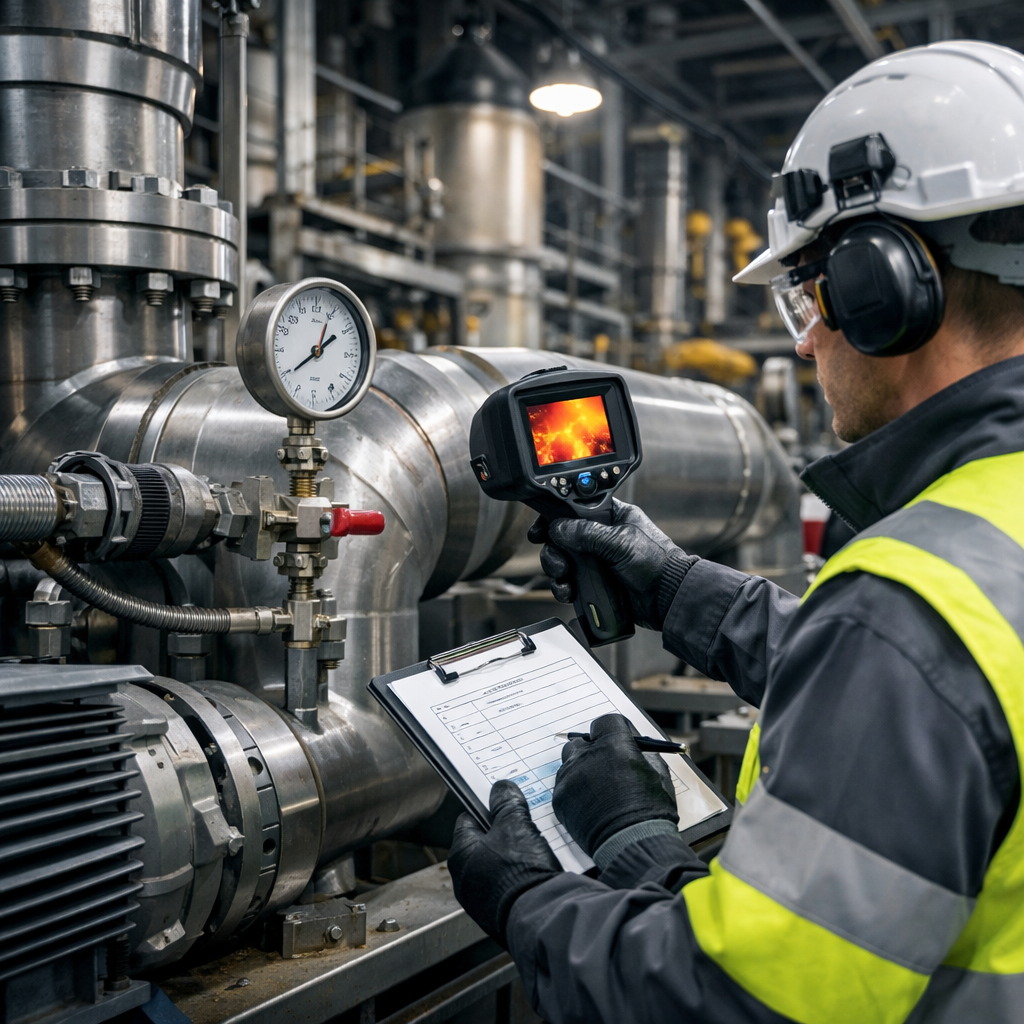
Pre-start and operator checks
Pre-start inspections are usually the first line of defense. Operators are in the best position to notice leaks, abnormal sounds, cracked components, poor visibility, or control faults before a machine is used.
These checks should be simple, consistent, and completed at the start of each shift or before use.
Scheduled maintenance inspections
Maintenance inspections go further and look at wear, calibration, lubrication, safety systems, and internal components. These are typically performed weekly, monthly, quarterly, or at manufacturer-defined intervals.
They should follow maintenance manuals and site risk assessments, not just habit or convenience.
Formal inspections and documentation
Some equipment, such as cranes, pressure vessels, lifting devices, and certain electrical systems, may require formal inspections by qualified or licensed personnel.
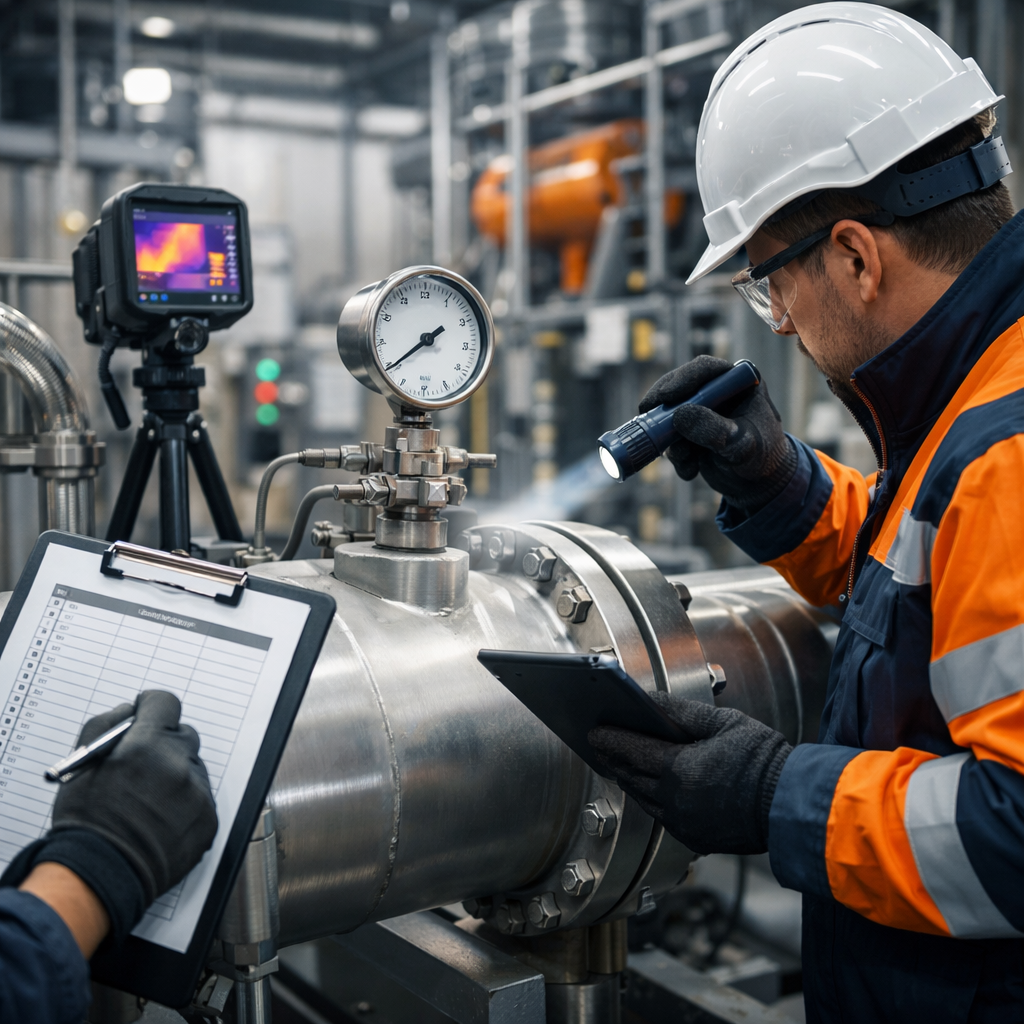
Requirements vary by jurisdiction, but guidance from OSHA and CCOHS highlights the importance of competent inspection, hazard control, and recordkeeping.
Sites should also align routines with manufacturer guidance and relevant standards, such as those referenced through ISO frameworks where applicable.
| Inspection Type | Typical Frequency | Main Purpose |
|---|---|---|
| Pre-start check | Before each shift or use | Identify obvious hazards and defects |
| Routine supervisor inspection | Weekly or monthly | Verify safe condition, housekeeping, and compliance |
| Maintenance inspection | Planned interval | Assess wear, service needs, and safety components |
| Formal statutory inspection | As legally required | Meet regulatory and engineering requirements |
Risks, prevention, and the Hierarchy of Controls in industrial equipment inspection routines
OHSE inspection programs are most effective when they do not stop at finding defects. They should lead directly to control measures based on the Hierarchy of Controls.
This means the goal is not simply to remind workers to be careful, but to eliminate or reduce hazards in stronger, more reliable ways.
Applying the Hierarchy of Controls
- Elimination: Remove obsolete or unsafe equipment from service entirely.
- Substitution: Replace older machinery with safer models that include improved guarding, automation, or lower-noise operation.
- Engineering controls: Install guards, interlocks, barriers, ventilation, pressure relief devices, or automatic shutdown systems.
- Administrative controls: Use inspection schedules, permits, training, lockout procedures, signage, and supervision.
- PPE: Provide gloves, eye protection, hearing protection, hard hats, safety footwear, face shields, or arc-rated clothing where hazards remain.
PPE is important, but it should not be the first or only control. For example, if an inspection identifies repeated exposure to rotating parts, the best response is proper guarding and isolation, not just gloves and warnings.
Likewise, if a pump area has frequent oil leaks, the site should repair seals, improve containment, and address slip hazards at the source rather than relying only on caution signs.
PPE and safe inspection practices
Workers performing inspections may face hazards from stored energy, hot surfaces, sharp edges, chemicals, noise, or mobile equipment.
That is why industrial equipment inspection routines must include task-specific PPE requirements and safe work procedures.
Typical PPE for inspection tasks may include safety glasses, cut-resistant gloves, steel-toe boots, hearing protection, high-visibility clothing, and respiratory protection where airborne contaminants are present.
In higher-risk tasks, lockout/tagout, confined space controls, fall protection, and gas testing may also be required before inspection can begin.
Compliance, documentation, and practical workplace examples
Compliance is a major reason organizations formalize industrial equipment inspection routines. Regulators and auditors often expect clear evidence that equipment hazards are identified, assessed, corrected, and tracked over time.
Without documentation, even a well-run inspection process can be difficult to prove.
Inspection records should include the equipment ID, date, inspector name, checklist items, defects found, risk level, corrective actions, responsible person, and close-out date.
Digital systems can help, but paper-based checklists can still work if they are controlled, legible, and reviewed regularly.
Many organizations strengthen performance by linking inspections to safety audit checklists and preventive maintenance planning. This creates a more complete picture of plant risk and helps recurring failures stand out.
Practical example: forklift inspection
A warehouse operator completes a pre-start check on a forklift and notices uneven tire wear, a damaged seatbelt, and a horn that does not sound properly.
Under a good OHSE system, the forklift is removed from service, tagged, and referred for repair. This prevents a possible collision, poor vehicle stability, and increased injury severity in the event of a tip-over.
Practical example: conveyor inspection
During a weekly inspection, a supervisor finds that a conveyor guard has been removed to clear jams more quickly. Dust buildup is also present around the motor housing.
The immediate controls include stopping the conveyor, reinstalling guarding, reviewing lockout and jam-clearing procedures, and cleaning the area. Longer term, the employer may redesign access points or add engineering controls to reduce the need for unsafe intervention.
Practical example: air receiver and pressure system
A maintenance technician identifies corrosion and a faulty gauge on an air receiver during routine checks. Because pressure systems can fail violently, the vessel is isolated and assessed by a competent person.
This is a strong example of how inspection, competence, and compliance work together to prevent catastrophic incidents.
In the end, industrial equipment inspection routines are not just administrative tasks. They are a frontline OHSE control that protects workers, supports legal compliance, and improves operational resilience. When inspections are risk-based, documented, and backed by prompt corrective action, they help organizations prevent injuries, strengthen maintenance outcomes, and create a safer workplace where equipment can be used with confidence every day.