


Infection Control Practices for Safer Healthcare Workplaces


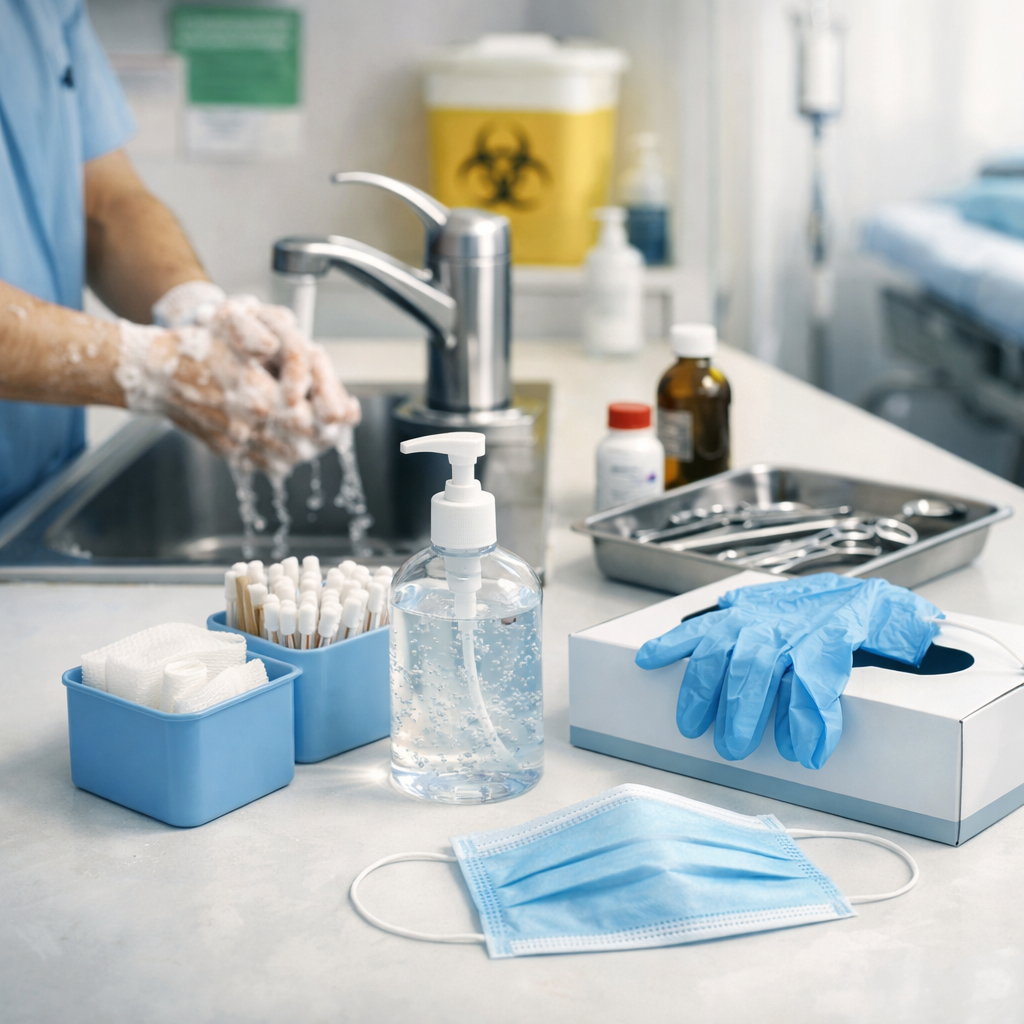
Infection control practices are the foundation of a safer healthcare workplace, protecting patients, staff, visitors, and the wider community from preventable illness.
In hospitals, clinics, aged care settings, dental offices, and community care environments, exposure to infectious agents can happen quickly if basic controls are missed. A missed handwash, poorly cleaned surface, or incorrect use of gloves can create a chain of transmission that affects multiple people.
Strong workplace systems help reduce those risks. Effective infection prevention is not just a clinical issue. It is also a core occupational health and safety responsibility, supported by guidance from organizations such as OSHA and CCOHS.
When employers build clear procedures, provide the right equipment, and train staff consistently, healthcare teams are better prepared to work safely every day. The most effective approach combines hand hygiene, cleaning and disinfection, personal protective equipment, isolation measures, and ongoing training into one practical system.
Why infection control practices matter in healthcare workplaces
Healthcare settings bring people, equipment, waste, bodily fluids, and shared surfaces into close contact. That makes infection hazards an everyday concern rather than an occasional one.
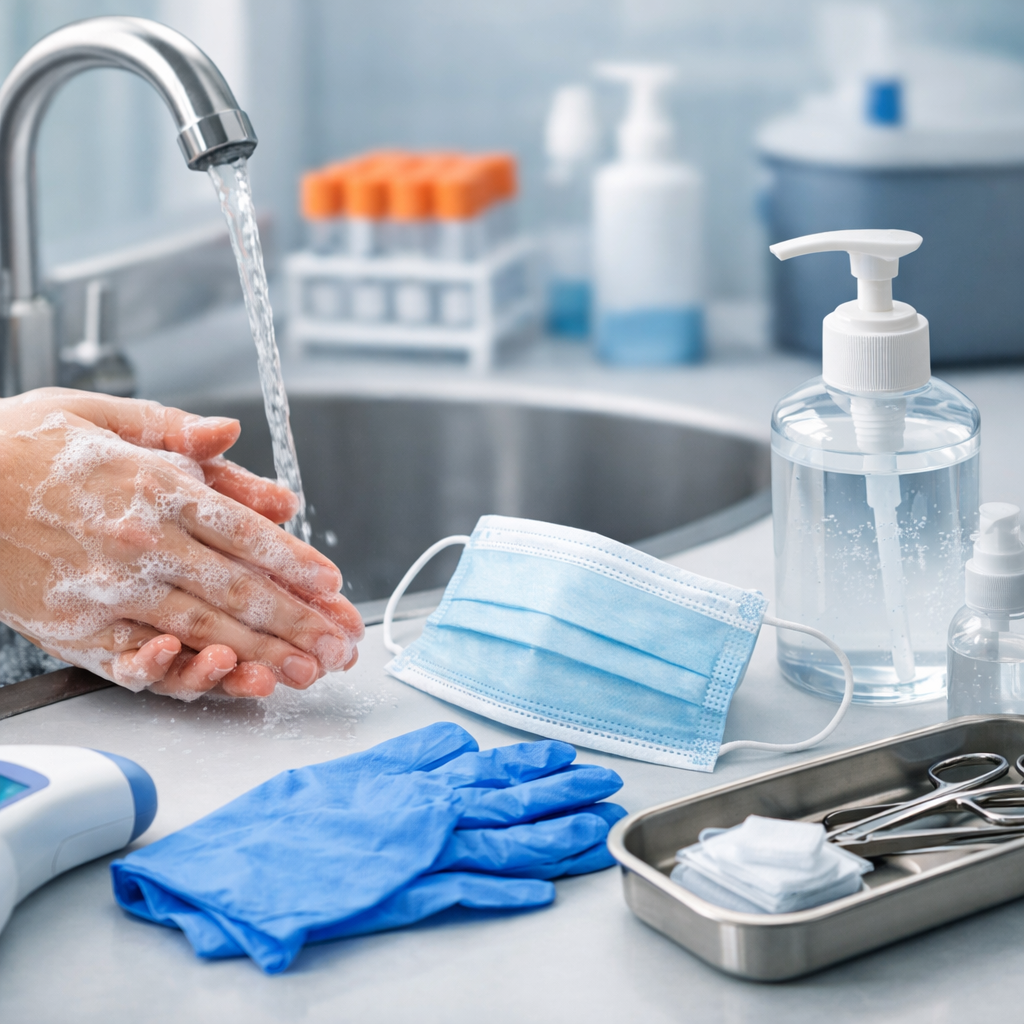
Common workplace risks include respiratory droplets, contaminated hands, needle-stick injuries, airborne particles, and contact with blood or other body substances. If controls are weak, infections can spread between workers and patients, between patients, and even from the workplace into homes and the community.
Good infection control practices support both patient care and worker protection. They also reduce absenteeism, outbreaks, treatment delays, reputational damage, and regulatory issues.
The Hierarchy of Controls is useful here. While infection risks cannot always be eliminated in healthcare, employers can still reduce exposure through stronger systems. For example, screening, ventilation, physical separation, cleaning procedures, administrative rules, and PPE all work together to lower risk.
Examples of workplace infection risks and controls
| Risk | Example in healthcare | Control measure |
|---|---|---|
| Hand transmission | Touching a patient, bedrail, and medication trolley without cleaning hands | Strict hand hygiene before and after patient contact |
| Surface contamination | Unclean treatment rooms or shared devices | Routine cleaning and disinfection schedules |
| Respiratory spread | Coughing patient in a waiting area | Masking, triage, ventilation, and isolation |
| Body fluid exposure | Blood splash during a procedure | Face protection, gloves, gowns, and safe work methods |
| Knowledge gaps | Worker unsure how to remove PPE safely | Training, drills, supervision, and refresher education |
Hand hygiene and cleaning: core infection control practices
Among all infection control practices, hand hygiene remains one of the simplest and most effective. Hands are a major pathway for transferring microorganisms between people, surfaces, and equipment.
Healthcare workers should clean their hands before touching a patient, before clean or aseptic tasks, after exposure to body fluids, after touching a patient, and after touching patient surroundings. Alcohol-based hand rub is often suitable when hands are not visibly soiled, while soap and water are essential when hands are visibly dirty or after certain exposures.

Hand hygiene only works when supplies are easy to access. Employers should place hand rub dispensers at points of care, maintain stocked sinks, and monitor product availability. Dry skin and irritation can reduce compliance, so skin-friendly products and hand care support matter as well.
Cleaning and disinfection in daily operations
Environmental cleaning is another essential part of infection control practices. Pathogens can survive on high-touch surfaces such as bed rails, door handles, keyboards, IV poles, and exam tables.
Cleaning removes dirt and organic material, while disinfection reduces harmful microorganisms using approved products and correct contact times. Staff should know which surfaces require routine cleaning, which require terminal cleaning, and how often high-touch points must be disinfected.
Practical cleaning controls include:
- Written cleaning schedules for patient rooms, waiting areas, bathrooms, and staff spaces
- Clear product instructions for dilution, application, and contact time
- Color-coded cloths or tools to prevent cross-contamination
- Documented cleaning of shared devices such as blood pressure cuffs and thermometers
- Safe waste handling and linen management procedures
Many facilities also strengthen results by auditing hand hygiene and environmental cleaning. A simple checklist or spot inspection can reveal missed steps before they lead to bigger problems. For more practical workplace guidance, some organizations publish infection prevention resources in their health and safety sections, such as workplace safety checklists and healthcare risk management.

PPE and isolation as infection control practices that reduce exposure
Personal protective equipment plays a vital role when exposure cannot be prevented by other measures alone. In healthcare, PPE may include gloves, gowns, masks, respirators, face shields, and eye protection.
However, PPE is only effective when it matches the task and is used correctly. Gloves do not replace hand hygiene. Masks must fit properly. Eye and face protection should be selected based on splash or spray risk. Respirators may be needed for airborne hazards, depending on the setting and procedure.
Common PPE mistakes to avoid
- Wearing the same gloves between tasks or patients
- Touching the face or phone with contaminated gloves
- Removing gowns or masks in the wrong order
- Using PPE without training or fit testing where required
- Failing to dispose of single-use items safely
Isolation precautions are equally important. Standard precautions should apply to all patients, while transmission-based precautions are used when specific risks are known or suspected. These may include contact, droplet, or airborne precautions.
In practical terms, isolation may involve placing a patient in a single room, using dedicated equipment, limiting movement, posting clear signage, and ensuring staff wear the right PPE before entry. Early identification is critical. Triage systems should flag symptoms such as fever, cough, rash, vomiting, or diarrhea so controls can begin quickly.
The CDC infection control guidance provides useful reference material on standard and transmission-based precautions. Even so, each workplace should adapt procedures to its own risks, layout, patient population, and services.

Training, supervision, and workplace culture that sustain infection control practices
Policies alone do not keep people safe. Sustainable infection control practices depend on regular training, active supervision, and a workplace culture that takes infection risks seriously.
Every worker should understand the hazards relevant to their role, from clinical staff and cleaners to reception teams, contractors, and students. Induction training should cover hand hygiene, cleaning expectations, PPE selection and removal, waste handling, sharps safety, reporting processes, and outbreak procedures.
What effective infection control training should include
Training works best when it is practical rather than purely theoretical. Staff need to see, practice, and repeat the right methods.
- Role-specific instruction based on actual tasks and exposure risks
- Demonstrations for donning and doffing PPE correctly
- Scenario-based drills for spills, exposures, and isolation response
- Refresher sessions when procedures change or incidents occur
- Clear reporting pathways for hazards, near misses, and exposures
Supervisors should reinforce standards on the floor, not just during formal training. That includes correcting unsafe shortcuts, checking supply levels, reviewing cleaning records, and following up after incidents. Workers are more likely to comply when leaders model the same behaviors themselves.
Healthcare employers should also review incidents and trends. If staff are repeatedly exposed during a certain procedure, the solution may involve more than reminding them to wear PPE. It may require changing workflow, improving room layout, adding barriers, upgrading ventilation, or revising staffing arrangements. This is where the Hierarchy of Controls becomes especially useful, because stronger system-level changes often offer better protection than relying on individual behavior alone.
In the end, safer care depends on consistent action. Infection control practices are most effective when hand hygiene, cleaning, PPE, isolation, and training are treated as connected parts of everyday work rather than separate tasks. By building clear systems, supporting staff, and continuously improving controls, healthcare workplaces can reduce transmission risks and create safer environments for everyone.