
Manual Handling Techniques That Lower Injury Rates in Real Workplaces
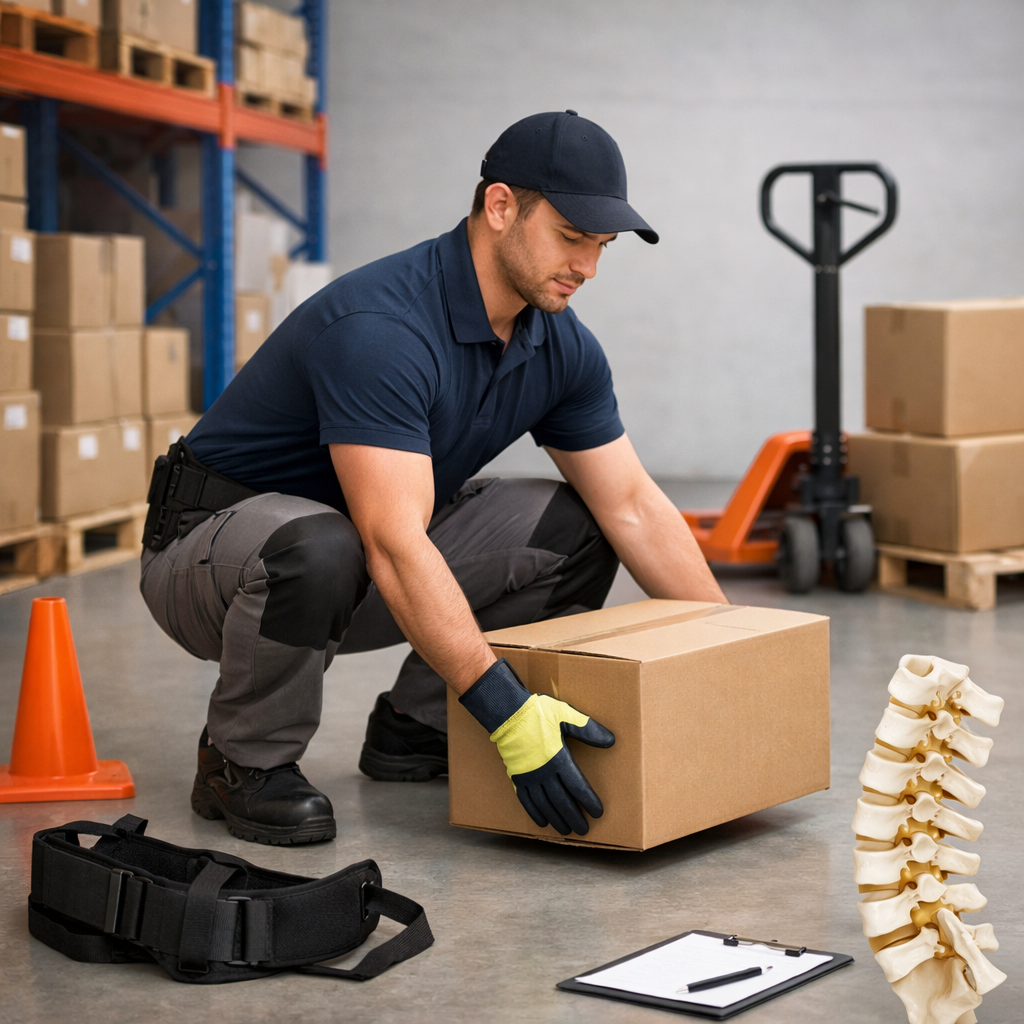
manual handling techniques play a critical role in preventing strains, sprains, back injuries, and long-term musculoskeletal disorders at work.
Whether employees lift stock in a warehouse, move supplies in healthcare, or transport tools on a construction site, poor handling habits can quickly lead to lost time, pain, and higher compensation costs.
Safe handling is not just about lifting with the legs. It also includes planning the task, reducing awkward movement, choosing the right equipment, and knowing when a load should not be handled manually at all.
When businesses apply practical controls and train workers consistently, injury rates often fall because people are no longer relying on strength alone.
Why manual handling techniques matter for injury prevention
Manual handling covers lifting, lowering, carrying, pushing, pulling, holding, and moving objects by hand or bodily force.
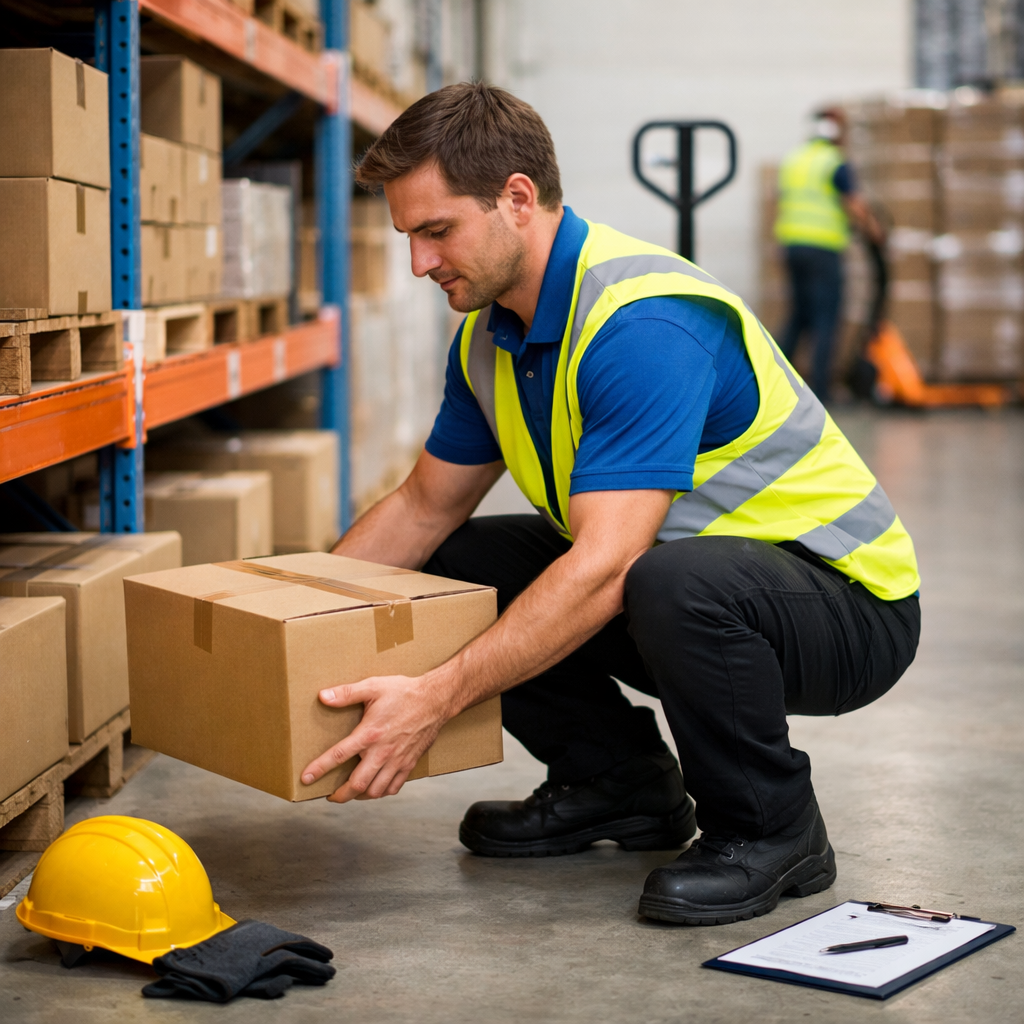
These tasks are common across nearly every industry, but they become hazardous when loads are heavy, unstable, bulky, repetitive, or handled in awkward postures.
According to guidance from OSHA ergonomics resources and the CCOHS manual materials handling guidance, many injuries come from a combination of risk factors rather than one obvious mistake.
For example, a worker may be lifting a moderate load, but twisting while reaching, rushing due to time pressure, and repeating the task all shift the risk much higher.
Effective manual handling techniques should therefore focus on both worker behavior and workplace design. That means improving the task itself, not simply telling people to “be careful.”
Common risk factors to watch for
- Loads that are too heavy, large, or difficult to grip
- Twisting the trunk while lifting or lowering
- Reaching above shoulder height or below knee level
- Carrying loads over long distances
- Pushing or pulling damaged carts or equipment
- Slippery floors, uneven surfaces, and poor lighting
- Repetitive handling with too few recovery breaks
- Insufficient staffing for team lifts
One practical way to manage these risks is to apply the Hierarchy of Controls.
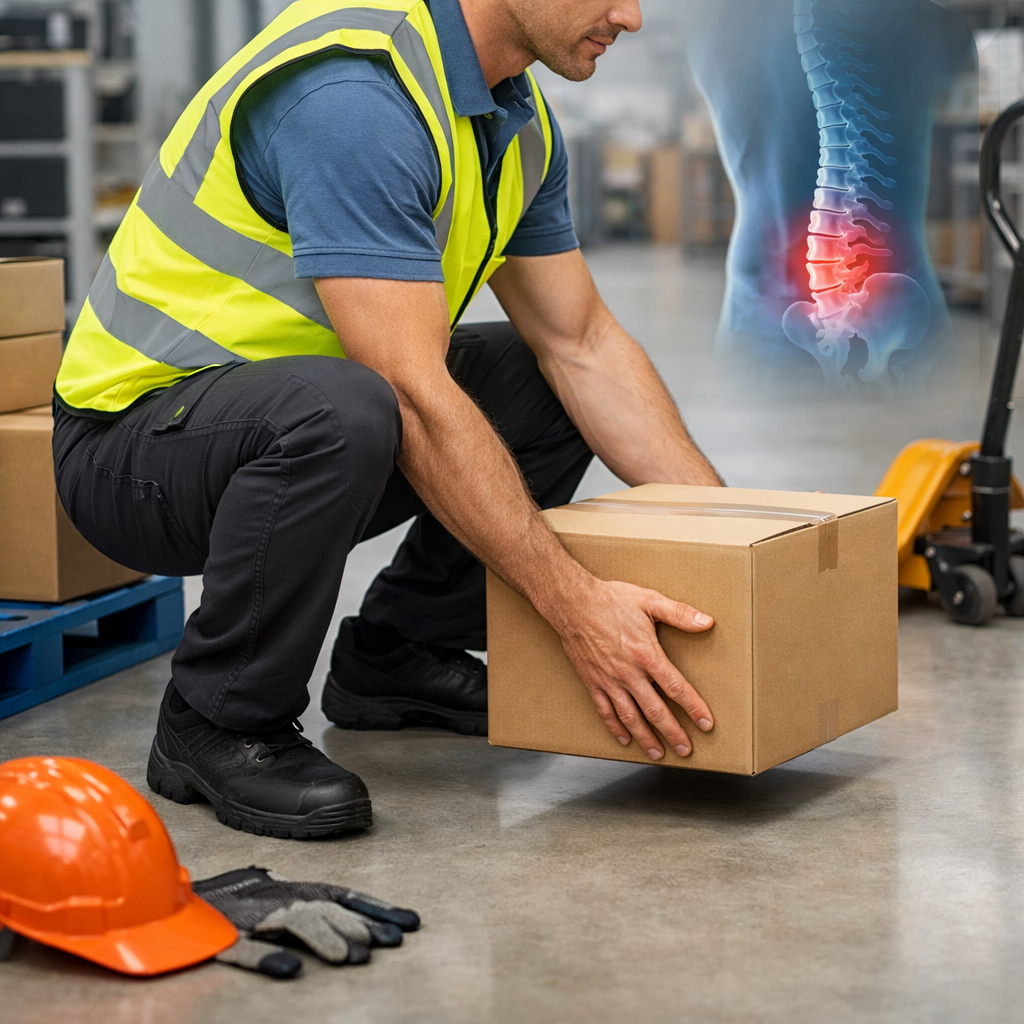
If a load can be eliminated, redesigned, or moved with mechanical assistance, that is usually safer than relying only on training and personal effort. You can see this approach in many workplace safety programs, including our guides on workplace risk assessment and warehouse safety checklist.
Manual handling techniques for safer lifting and lowering
Lifting is often the first thing people think about, but safe lifting starts before the hands even touch the object.
Workers should assess the load, the route, and the landing area first. If the item is too heavy, unstable, or awkward, the safest option may be to use a trolley, pallet jack, hoist, or team lift.
Before you lift
Check the weight if it is known, and test the load gently to judge how easy it is to move.
Look for sharp edges, shifting contents, poor handles, or packaging that could tear. Make sure the destination is clear so the item does not have to be held longer than necessary.
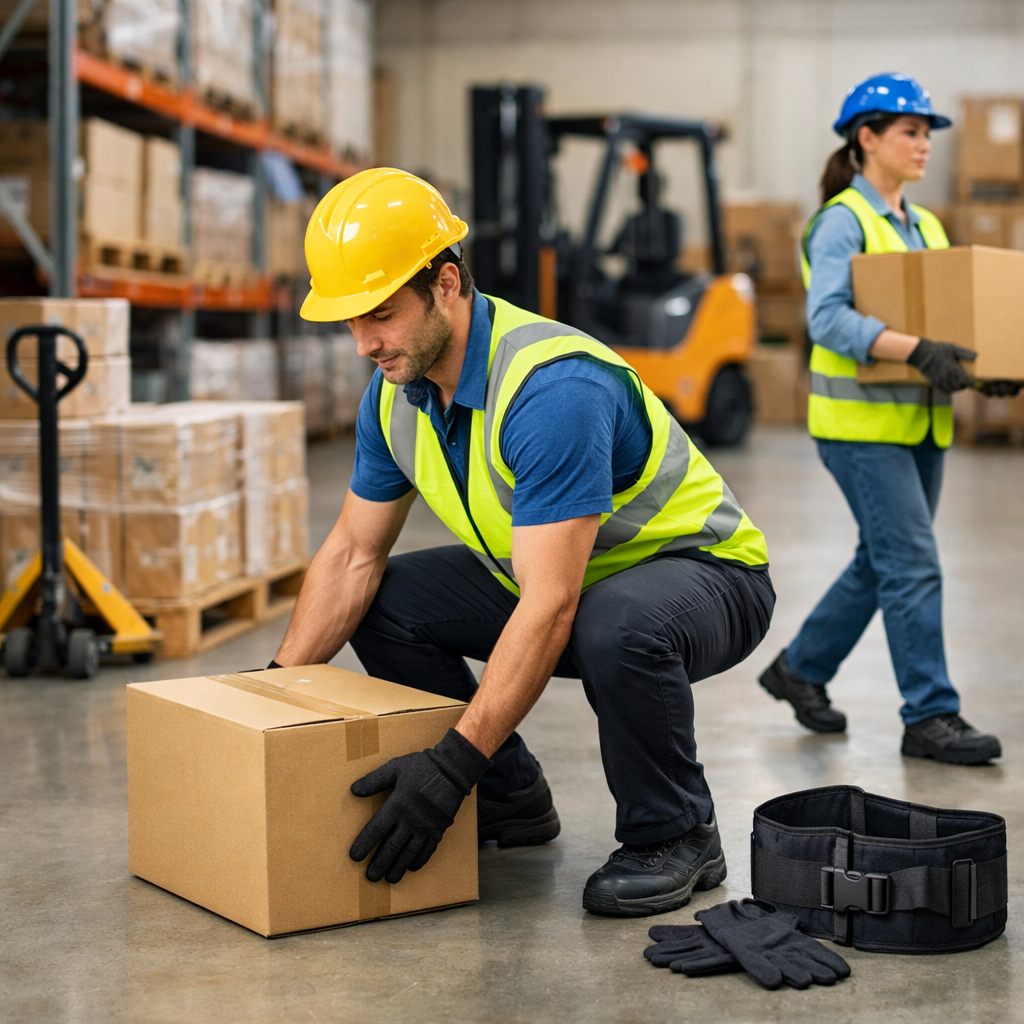
Safe lifting steps
- Stand close to the load to reduce strain on the lower back
- Place the feet apart for a stable base, with one foot slightly forward if helpful
- Bend at the hips and knees rather than rounding the back
- Keep the natural curve of the spine and tighten the core gently
- Get a secure grip before starting the lift
- Lift smoothly without jerking
- Keep the load close to the body around waist height where possible
- Avoid twisting; move the feet to turn instead
- Lower the load in a controlled way using the legs
These manual handling techniques are most effective when the load is kept between mid-thigh and chest height.
Frequent lifting from the floor or from overhead storage should trigger a review of shelving layout, task design, and available mechanical aids.
When team lifting is appropriate
Team lifting can help with long, bulky, or awkward objects, but only if it is planned properly.
Workers need to agree on the route, the commands, and who will lead the movement. If one person loses grip or changes pace unexpectedly, the risk can increase rather than decrease.
Manual handling techniques for carrying loads safely
Carrying can expose workers to prolonged muscle fatigue because the body holds the load for longer and often while moving across changing surfaces.
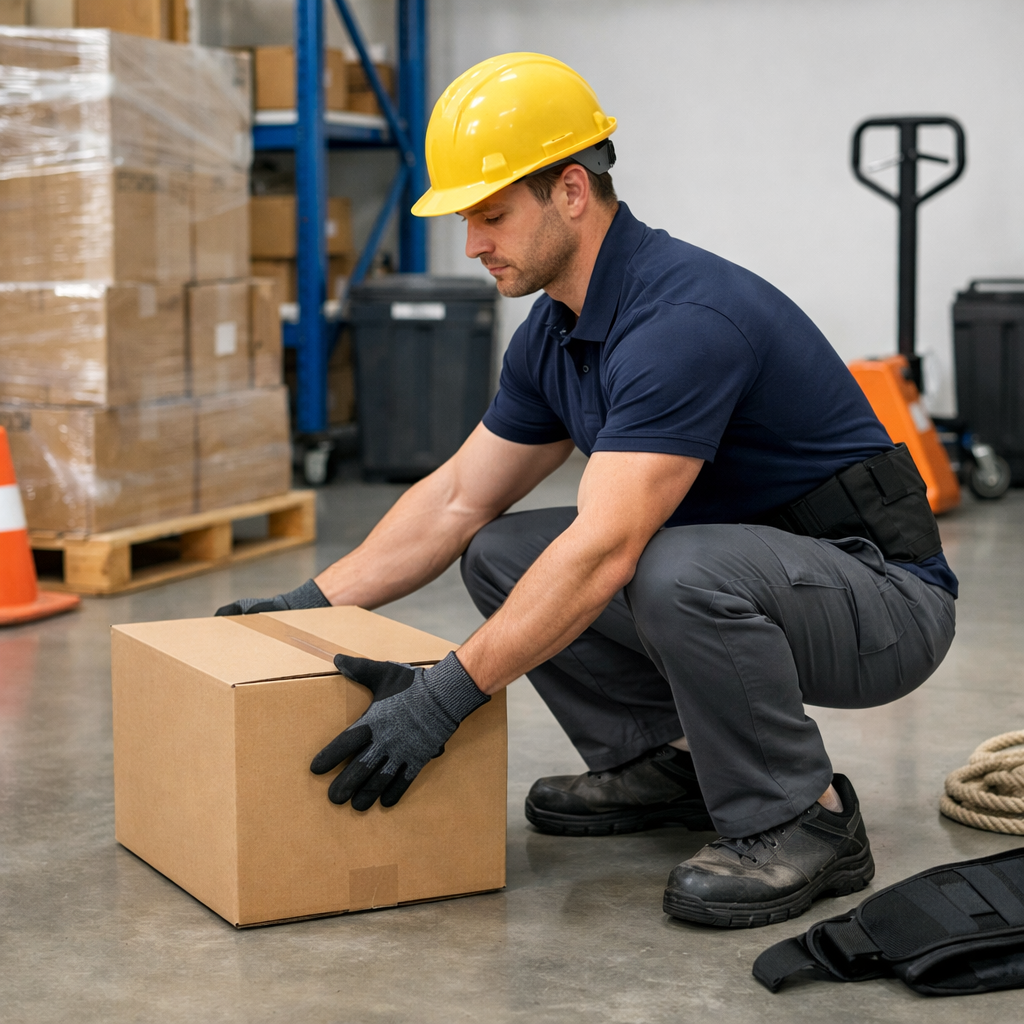
Good manual handling techniques for carrying focus on reducing distance, improving balance, and preventing blocked vision.
Where possible, break heavy loads into smaller units.
If the item must be carried by hand, keep it close to the body and make sure you can still see where you are going. Carrying a large box that blocks the path ahead creates a slip, trip, and collision risk even if the weight is manageable.
Practical carrying advice
- Plan the shortest safe route before moving
- Remove tripping hazards and open doors in advance
- Keep shoulders level and avoid leaning to one side
- Use handles or grip points where available
- Alternate sides if carrying smaller repeated loads by one hand
- Take rest breaks during repetitive transport tasks
- Use gloves only when they improve grip and do not reduce control
In many workplaces, carrying should be minimized rather than perfected.
If materials are frequently moved over distance, the better control measure may be a cart, conveyor, or layout change that keeps materials closer to the point of use.
| Task | Main Risk | Better Control |
|---|---|---|
| Lifting boxes from floor level | Back strain from deep bending | Raise stock on pallets or adjustable benches |
| Carrying items across a warehouse | Fatigue and trip hazards | Use carts and shorten travel distance |
| Pushing overloaded trolleys | Shoulder and back strain | Reduce load weight and maintain wheels |
| Pulling equipment in tight spaces | Twisting and sudden force | Reposition path and push where possible |
Manual handling techniques for pushing and pulling tasks
Pushing and pulling are often underestimated, yet they can place high force on the shoulders, arms, and lower back.
As a rule, pushing is generally safer than pulling because it allows better use of body weight, more neutral posture, and improved visibility.
Safer pushing techniques
Stand behind the load with both hands at about waist to chest height if the equipment design allows.
Keep the elbows slightly bent, the spine neutral, and step forward smoothly rather than shoving with sudden force. Start the movement gently, since the initial force is usually the highest.
When pulling cannot be avoided
If pulling is necessary, avoid twisting the torso while moving.
Face the direction of travel as much as possible, keep the path clear, and use slow controlled force. Pulling while walking backward should be avoided unless there is no safer option and the path is fully managed.
Reduce force before the task starts
The safest manual handling techniques for pushing and pulling often involve equipment maintenance and housekeeping.
- Keep wheels, castors, and bearings in good condition
- Choose the right wheel type for the floor surface
- Do not overload carts or bins
- Repair damaged handles and frames promptly
- Keep travel paths dry, even, and free from debris
Guidance from the UK HSE on manual handling also supports assessing task demands, environment, and individual capability together rather than treating technique as the only solution.
Building a workplace system that supports manual handling techniques
Training matters, but lower injury rates usually come from a full system of controls.
That includes suitable equipment, realistic staffing, safe storage design, task rotation where appropriate, and supervisors who correct unsafe habits early.
Use the Hierarchy of Controls in real tasks
Start by asking whether the manual handling task can be removed altogether.
If not, reduce the risk through engineering and administrative controls before relying on personal technique alone.
- Elimination: Deliver materials directly to point of use so they are not moved twice
- Substitution: Use smaller containers instead of one oversized load
- Engineering controls: Add lift tables, hoists, conveyors, adjustable shelving, and powered tugs
- Administrative controls: Provide training, task rotation, maintenance schedules, and clear weight limits
- PPE: Use footwear and gloves that support grip and footing, while recognizing PPE is the last line of defense
Supervisors should also review incident reports and near misses for patterns.
If workers keep getting hurt while moving the same items or using the same route, the problem may be the system, not the person.
In practice, strong manual handling techniques work best when employees are encouraged to stop and reassess risky tasks without fear of blame.
That kind of reporting culture helps identify overloaded carts, poor storage heights, understaffed lifts, and production pressures that lead to shortcuts.
In conclusion, manual handling techniques that lower injury rates are practical, consistent, and supported by workplace design.
Safe lifting, carrying, pushing, and pulling all depend on planning the task, keeping loads close, avoiding twisting, reducing force, and using mechanical aids whenever possible. When employers combine these manual handling techniques with the Hierarchy of Controls, regular training, and guidance from trusted organizations such as CCOHS and OSHA, they create safer workplaces with fewer injuries and better long-term outcomes.
No comments yet