


Mining Dust Control Measures: Practical OHSE Strategies for Safer Mine Sites
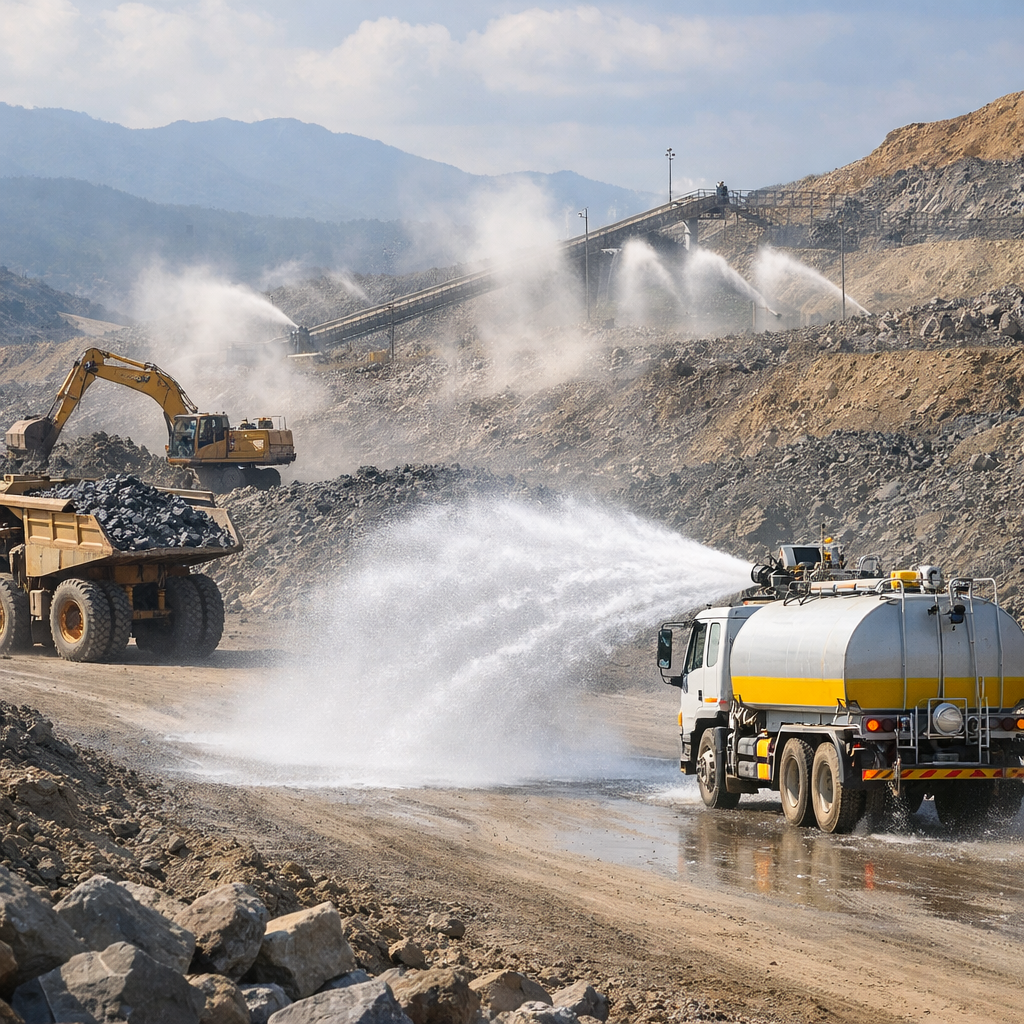


mining dust control measures are essential for protecting workers, maintaining equipment performance, and meeting occupational health, safety, and environmental obligations.
Across surface and underground operations, dust generated during drilling, blasting, crushing, screening, loading, hauling, and stockpiling can create serious short- and long-term risks if it is not properly controlled.
From an OHSE perspective, dust is not just a housekeeping issue. It can affect respiratory health, reduce visibility, increase the chance of incidents, contaminate nearby areas, and trigger regulatory action.
Effective mining dust control measures combine engineering, safe work practices, personal protective equipment, and compliance systems so that exposure is reduced at the source and managed throughout the site.
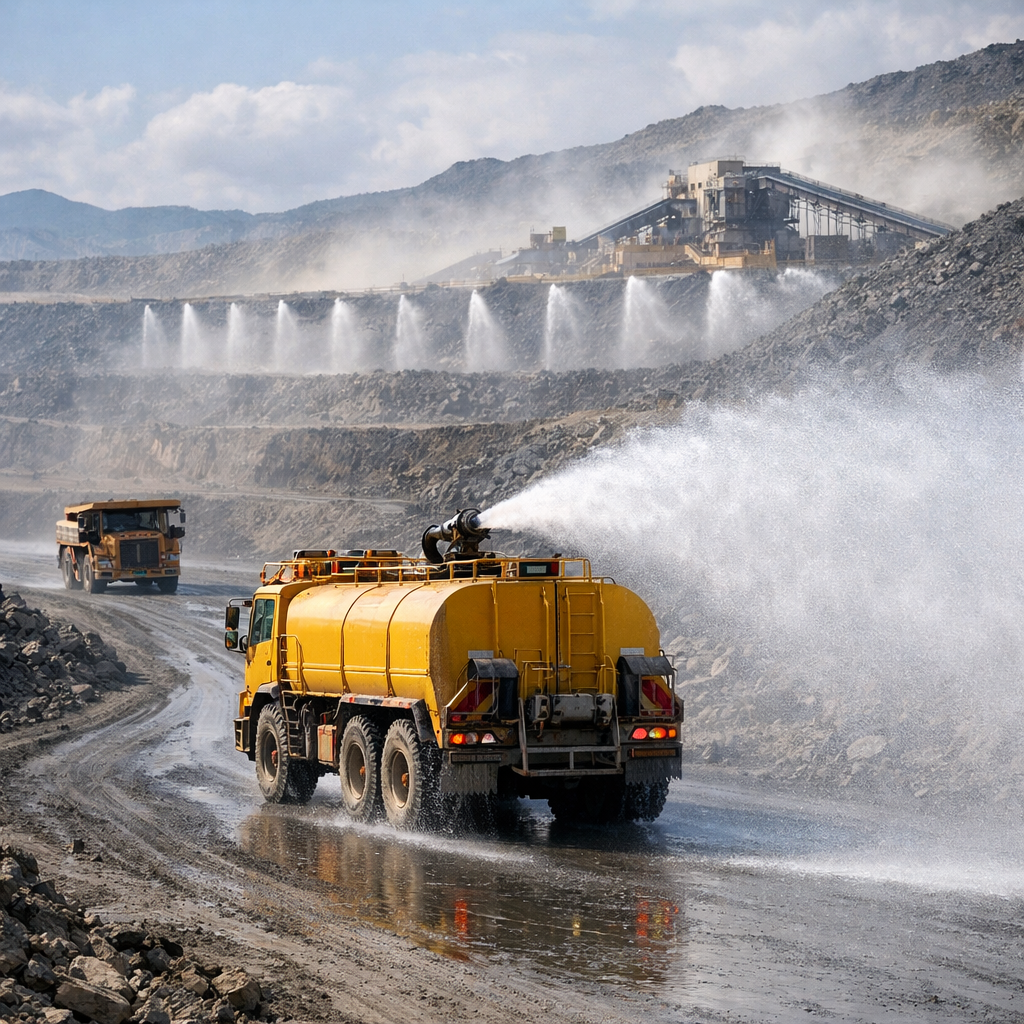
Why mining dust control measures matter in OHSE programs
Mining operations commonly generate respirable and inhalable dust, including silica, coal dust, metal-bearing particulates, and nuisance dust.
The greatest concern is often the fine fraction that can travel deep into the lungs, where it may contribute to silicosis, chronic obstructive pulmonary disease, coal workers’ pneumoconiosis, and other occupational illnesses.
Dust can also create immediate operational hazards. Poor air quality may reduce visibility on haul roads, around conveyors, and near loading points.
This raises the risk of vehicle collisions, slips, trips, falls, and communication failures in active work zones.
In some environments, dust can also present fire or explosion hazards, especially where combustible dust accumulates in enclosed or poorly ventilated areas.
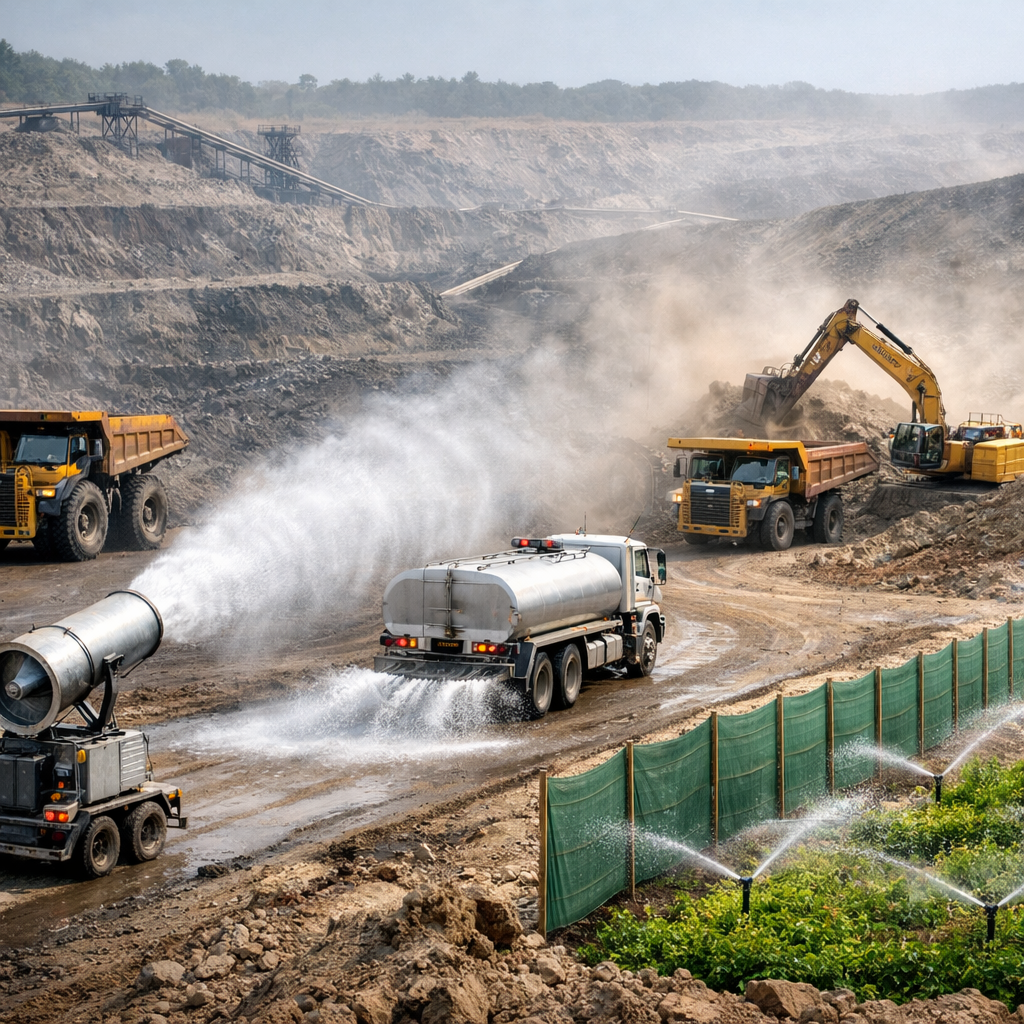
That is why strong mining dust control measures should be built into every site’s broader safety management system, alongside hazard identification processes and workplace risk assessments.
Regulators and guidance bodies such as OSHA and CCOHS emphasize exposure monitoring, control implementation, training, and ongoing review.
Common risks linked to dust exposure in mining
Dust risks vary depending on the ore body, mining method, equipment, climate, and task.
However, some exposure points are common across many sites and should be addressed in routine OHSE planning.
Health and operational risks
- Respiratory disease: Long-term exposure to respirable crystalline silica, coal dust, or metal dust can lead to irreversible occupational illness.
- Eye and skin irritation: Airborne particles may cause discomfort, reduced concentration, and decreased productivity.
- Reduced visibility: Dust clouds around mobile plant, crushers, and roads can contribute to vehicle and pedestrian incidents.
- Equipment wear: Dust ingress may shorten the life of engines, filters, bearings, and electrical systems.
- Environmental impact: Windblown dust can affect nearby communities, vegetation, and water systems.
- Compliance risk: Poor dust management may result in citations, shutdowns, compensation claims, and reputational damage.
A practical example is a haul road during dry weather. Repeated traffic from loaded trucks can create persistent dust plumes, affecting following vehicles, nearby workers, and roadside infrastructure.
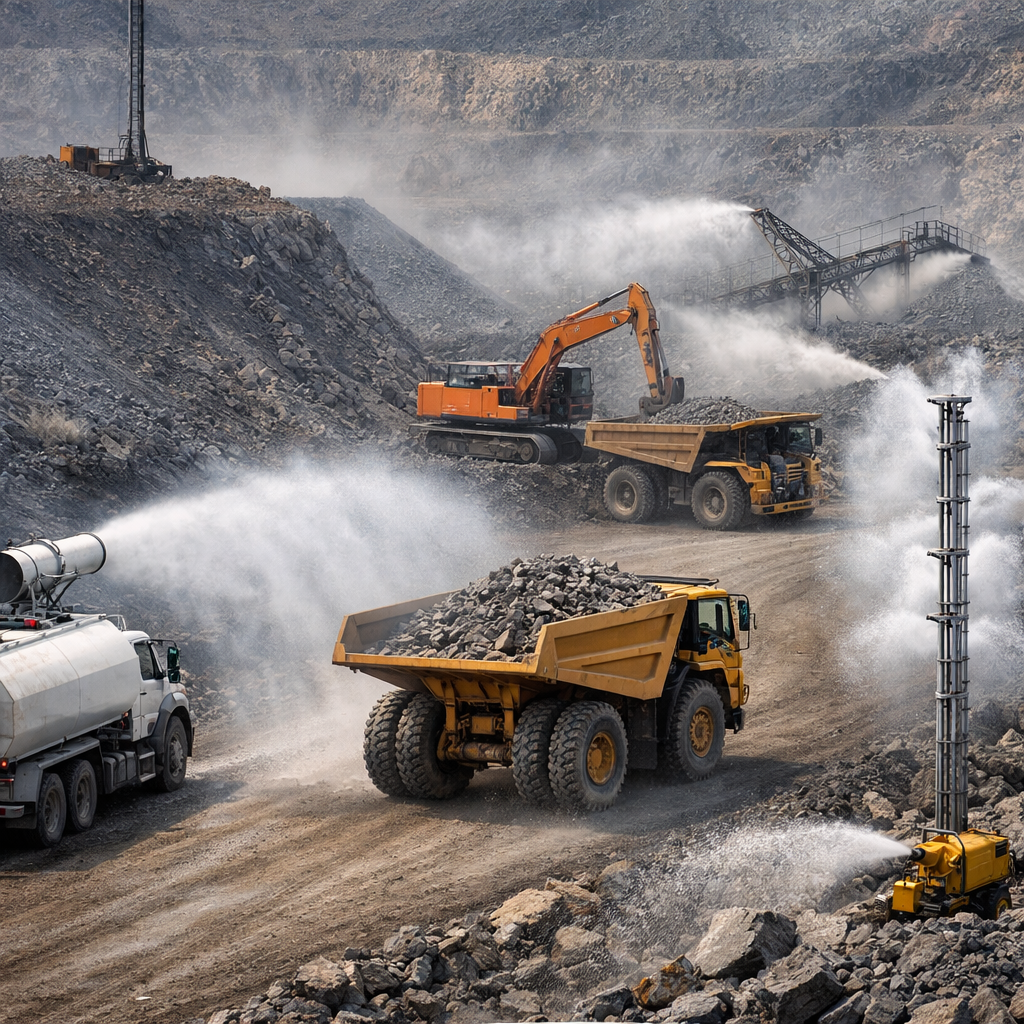
Without proper mining dust control measures such as water application, road surfacing, speed limits, and vehicle spacing, the risk profile increases quickly.
Mining dust control measures using the Hierarchy of Controls
The most effective mining dust control measures follow the Hierarchy of Controls.
This means focusing first on eliminating or reducing dust generation at the source before relying on administrative controls or PPE.
Elimination and substitution
In mining, elimination is not always possible because many activities inherently generate dust.
However, substitution may still help in some situations, such as using less dusty materials for road treatment or changing work methods to reduce dry handling.
Engineering controls
Engineering controls are usually the foundation of mining dust control measures.
These controls physically reduce airborne dust or prevent workers from inhaling it.
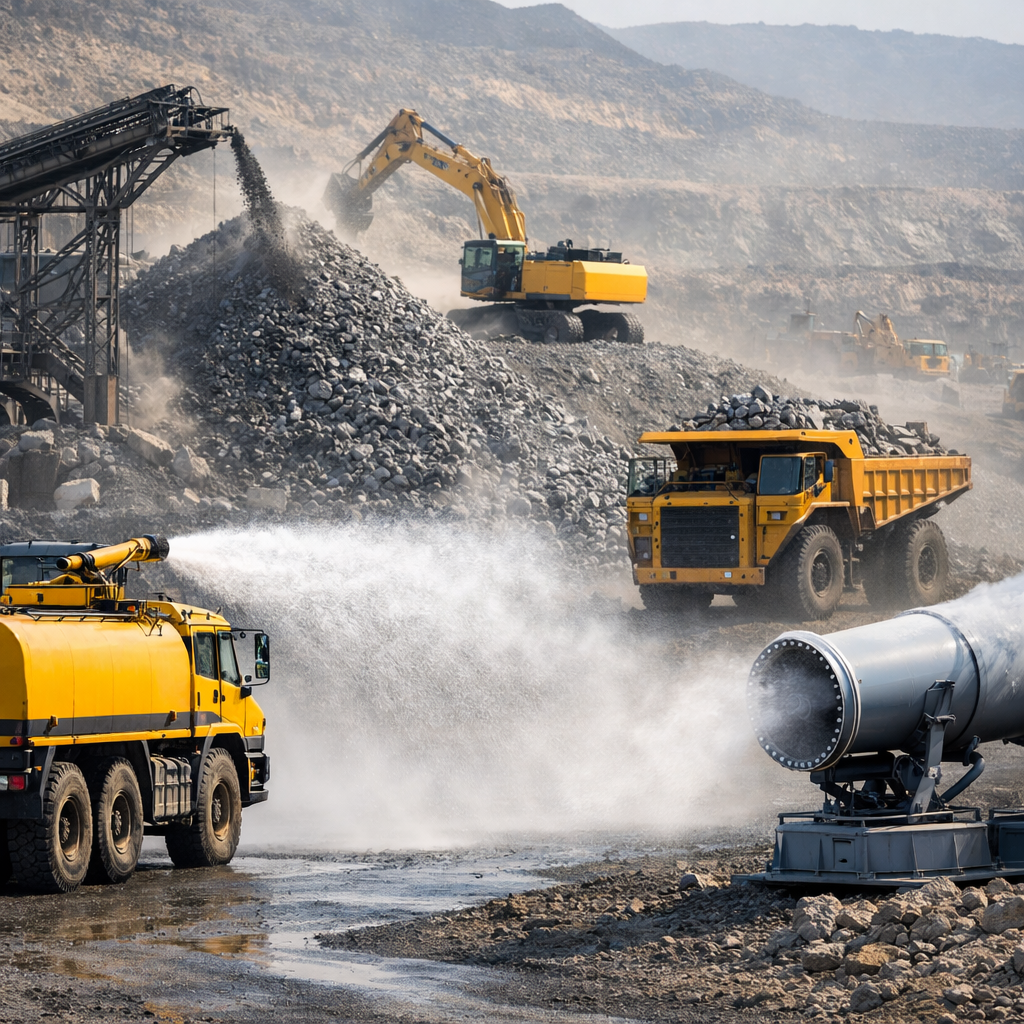
- Water suppression systems: Spray bars, misting systems, and water carts can suppress dust at crushers, transfer points, stockpiles, and haul roads.
- Local exhaust ventilation: Extraction systems at enclosed processing areas help capture dust before it disperses.
- Enclosures and guarding: Covering conveyors, isolating crushers, and enclosing cab systems reduce dust movement.
- Dust collectors and filtration: Baghouse systems and cartridge filters can be effective in fixed plant environments.
- Road design and maintenance: Grading, proper drainage, surface treatment, and traffic flow planning reduce dust generation.
- Cab filtration: Sealed, pressurized operator cabins fitted with high-efficiency filters protect drivers and plant operators.
Administrative controls
Administrative measures support engineering solutions by reducing the duration, frequency, or intensity of exposure.
- Scheduling high-dust tasks when fewer workers are present
- Restricting access to active dust zones
- Setting speed limits on haul roads
- Using standard operating procedures for drilling, blasting, and cleanup
- Conducting preventive maintenance on suppression systems and filters
- Training workers to recognize changing dust conditions and report failures promptly
For example, a site may require pre-start checks on water sprays at a crusher. If the spray system is blocked or pressure is low, the plant is not operated until the defect is corrected.
This is a simple but effective way to embed mining dust control measures into daily operations.
PPE, compliance, and practical site examples
Personal protective equipment for dust exposure
PPE should be the final layer of defense, not the first or only one.
Where exposure cannot be adequately controlled by other means, suitable respiratory protective equipment is necessary.
This may include disposable particulate respirators or reusable half-face or full-face respirators selected according to the hazard, exposure level, and fit requirements.
Workers also benefit from safety goggles, sealed eyewear, gloves, and protective clothing where dust contact is significant.
Respiratory PPE programs should include fit testing, training, cleaning, storage, maintenance, and supervision.
Using a respirator without a proper fit or changing schedule can create a false sense of security.
Monitoring and compliance requirements
Compliance is a core part of mining dust control measures.
Sites should identify applicable exposure limits, environmental obligations, and mine-specific rules, then verify that controls are working in practice.
This often includes personal sampling, area monitoring, real-time dust monitoring, health surveillance, and maintenance records.
Guidance from NIOSH Mining, OSHA, and CCOHS can support program design, but each operation must align controls with local legal requirements and actual site conditions.
| Mining Activity | Main Dust Risk | Typical Control Measure |
|---|---|---|
| Drilling | Respirable fine dust | Wet drilling, dust collectors, exclusion zones |
| Crushing and screening | High airborne dust near plant | Enclosures, water sprays, local exhaust ventilation |
| Haul roads | Vehicle-generated dust plumes | Water carts, road surfacing, speed limits |
| Conveyor transfer points | Dust release during material movement | Skirting, covers, extraction, suppression |
| Stockpiles and loading | Windblown and drop-generated dust | Misting, wind barriers, drop height reduction |
Practical examples from mine sites
On a surface quarry, one practical improvement may involve pairing water trucks with chemical suppressants on frequently used roads.
This can reduce the number of water applications needed while improving visibility and limiting dust migration beyond the site boundary.
At an underground operation, installing sealed and pressurized cabs on loaders and trucks can significantly reduce operator exposure, particularly when combined with ventilation upgrades and routine filter inspections.
In a processing plant, enclosing a conveyor transfer point and fitting a dust extraction unit may reduce housekeeping demands and lower worker exposure in adjacent walkways.
These examples show that successful mining dust control measures are often site-specific, layered, and supported by supervision and worker engagement.
When workers are encouraged to report ineffective sprays, leaking ducting, or unusual dust levels, the response can be faster and more effective.
Building a stronger dust management culture
Strong mining dust control measures depend on more than equipment alone.
They require leadership commitment, competent supervision, worker training, exposure monitoring, and regular review of controls after changes in weather, production, or plant layout.
Dust management should be discussed during toolbox talks, inspections, incident reviews, and contractor onboarding.
It should also be integrated into procurement decisions so that new plant, cabins, filters, and suppression systems meet performance expectations from the start.
In conclusion, mining dust control measures are a critical OHSE priority because they protect health, reduce incident risk, support compliance, and improve operational reliability.
The most effective programs combine the Hierarchy of Controls, practical prevention methods, suitable PPE, and consistent monitoring.
When mining dust control measures are planned well and maintained properly, mine sites can create safer, cleaner, and more compliant workplaces for everyone.