
Occupational Noise Exposure Controls: Vital Steps for Reliable Hearing Protection

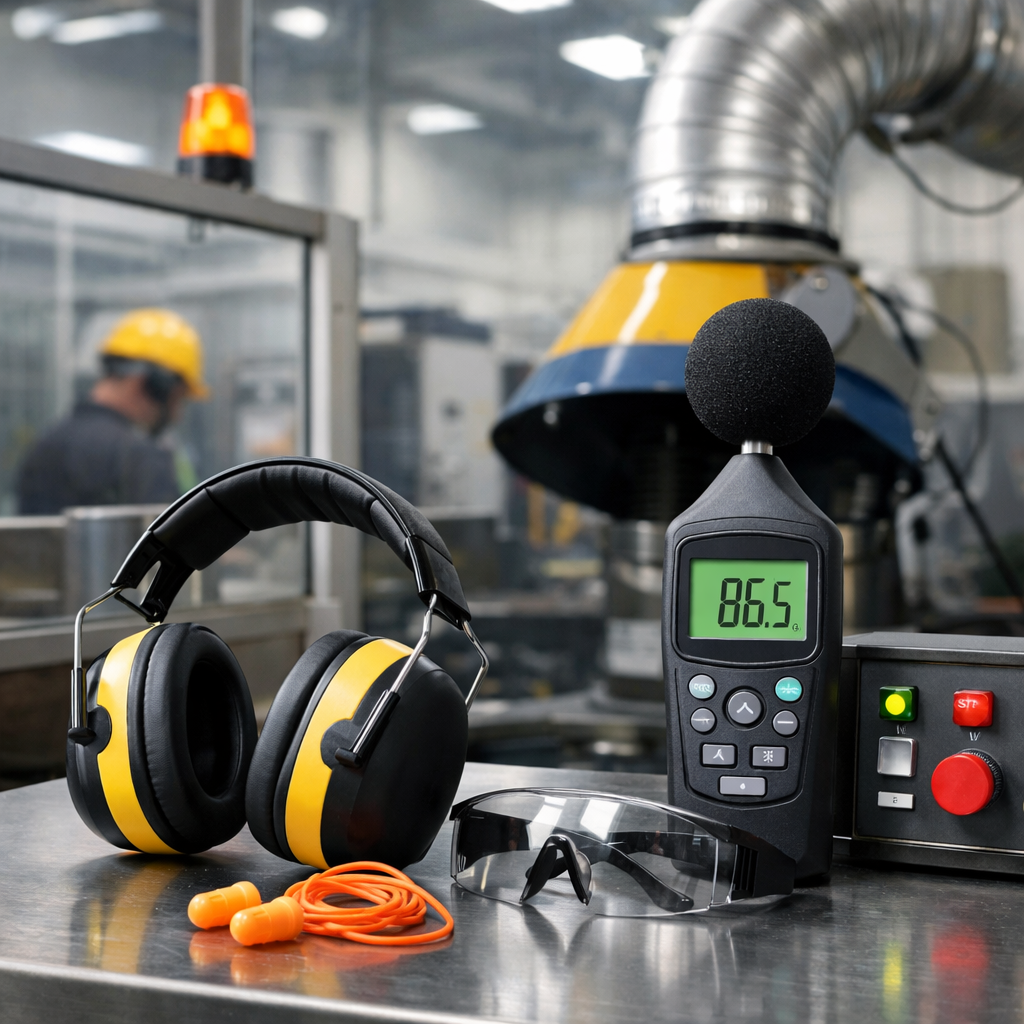
Occupational noise exposure controls are one of the most important safeguards for preventing hearing loss in noisy workplaces. From factories and workshops to construction sites and airports, excessive sound can damage hearing gradually, often before workers realize a problem exists.
Effective control measures reduce risk at the source, limit the time people spend in high-noise areas, and support the proper use of hearing protection. Employers that follow a structured approach aligned with the Hierarchy of Controls can lower injuries, improve communication, and support compliance with guidance from organizations such as OSHA and CCOHS.
- Why occupational noise exposure controls matter in the workplace
- Engineering occupational noise exposure controls: reduce noise at the source
- Administrative occupational noise exposure controls: manage exposure through work practices
- PPE within occupational noise exposure controls: choosing and using hearing protection properly
- Building a complete hearing protection strategy with occupational noise exposure controls
Why occupational noise exposure controls matter in the workplace
Noise-induced hearing loss is permanent, but it is also preventable. Loud equipment, impact tools, compressed air, generators, fans, conveyors, and vehicle traffic can all expose workers to hazardous sound levels over a full shift.
When noise is not controlled, the effects go beyond hearing damage. Workers may miss alarms, struggle to understand instructions, experience fatigue, or lose concentration. In high-risk environments, poor communication can quickly turn into a serious safety issue.
Practical occupational noise exposure controls should start with identifying where the loudest tasks occur, who is exposed, and how long exposure lasts. Noise assessments, dosimetry, area monitoring, maintenance records, and worker feedback all help create a realistic picture of risk.
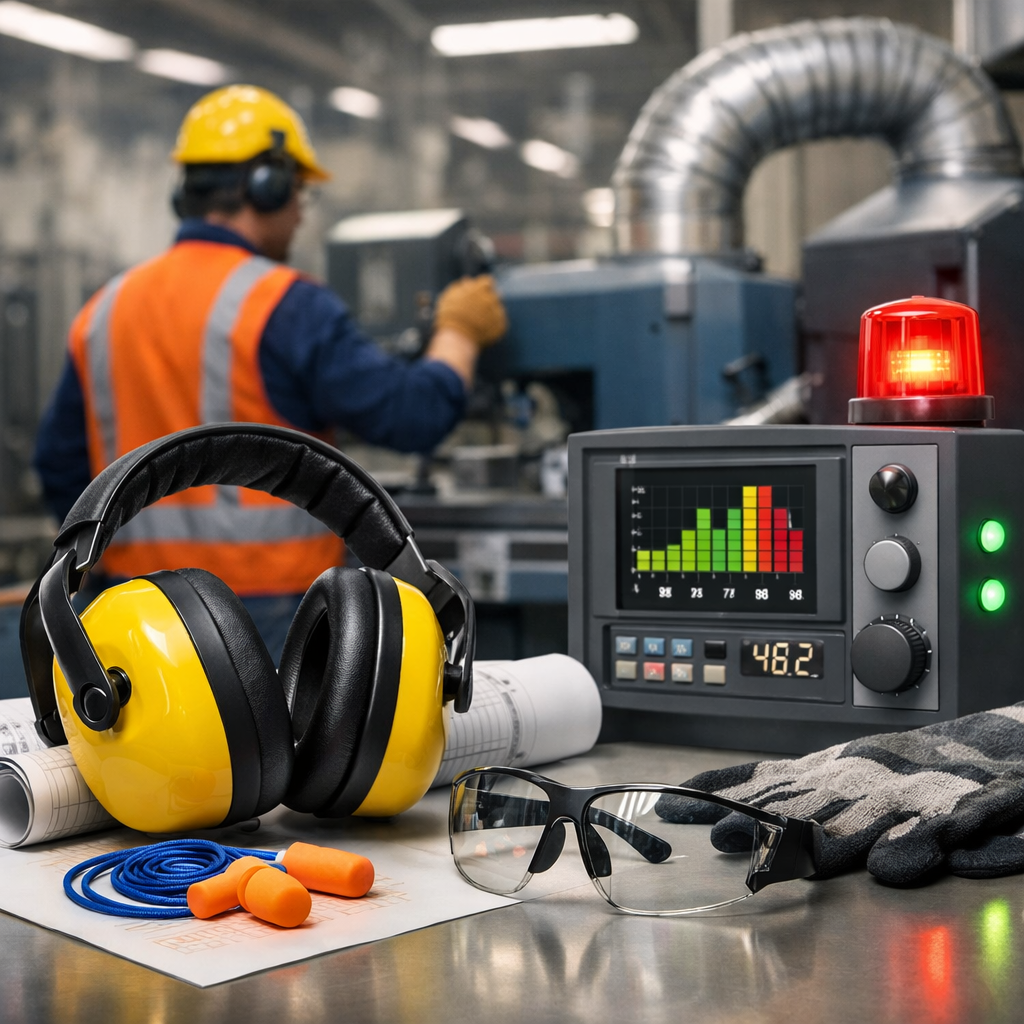
Common warning signs that stronger controls are needed include:
- Workers need to raise their voices to talk at close range.
- Hearing protection is required in multiple work areas for most of the day.
- Equipment produces impact, grinding, or high-pitched continuous noise.
- Employees report ringing in the ears or temporary muffled hearing after work.
- Noise measurements approach or exceed regulatory action levels.
For many organizations, the best results come from combining noise surveys with a formal hearing conservation process. If your site already manages physical hazards through a broader safety system, these controls should connect naturally with related programs such as hearing conservation program and workplace risk assessment.
Engineering occupational noise exposure controls: reduce noise at the source
Engineering controls are usually the most effective long-term solution because they aim to remove or reduce noise before it reaches the worker. Rather than relying only on behavior, these measures change equipment, processes, or the physical workspace.
Practical engineering control examples
One common strategy is replacing noisy equipment with quieter models. A newer compressor, low-noise vacuum system, or redesigned fan may produce significantly lower sound levels than older machinery.
Another approach is isolating the noise source. Enclosures, barriers, acoustic curtains, and sound-absorbing panels can reduce how much sound travels into surrounding areas. In manufacturing plants, enclosing a stamping machine or separating grinding operations into a dedicated room often makes a measurable difference.

Maintenance also plays a major role in occupational noise exposure controls. Worn bearings, loose guards, unbalanced rotating parts, and poor lubrication can all increase noise. A preventive maintenance program can lower sound levels while improving reliability and reducing downtime.
Additional engineering options include:
- Installing mufflers or silencers on pneumatic exhaust systems.
- Using vibration-dampening mounts under equipment.
- Adding acoustic lining inside ducts or enclosures.
- Repositioning loud machines away from occupied workstations.
- Automating certain high-noise tasks so operators can work from quieter control rooms.
For example, on a metal fabrication floor, management may replace impact tools with quieter hydraulic alternatives, install baffles between cutting stations, and mount machines on anti-vibration pads. Each measure alone may help, but together they create a stronger and more sustainable reduction.
Administrative occupational noise exposure controls: manage exposure through work practices
When engineering changes cannot eliminate noise fully, administrative controls help reduce how much sound workers receive over time. These controls focus on scheduling, procedures, supervision, and training.
How administrative controls work in real settings
Job rotation is one practical example. If one area has very high noise levels, workers can rotate between quieter and louder tasks to reduce total daily exposure. This approach must be planned carefully so it actually lowers dose rather than simply moving risk around.

Scheduling noisy work when fewer people are present is another effective measure. Maintenance shutdowns, cutting operations, and testing of loud equipment can often be completed outside normal occupancy times.
Clear signage and restricted access also support better occupational noise exposure controls. Marking hearing protection zones, limiting entry to essential personnel, and posting noise hazard warnings help workers understand where extra precautions are required.
Training is equally important. Workers should know:
- Which tasks and areas present noise hazards.
- How hearing damage occurs and why it may not be immediately noticeable.
- What controls are in place and how to use them properly.
- When to report noisy equipment, damaged barriers, or communication problems.
- How audiometric testing supports early detection of hearing changes.
Administrative controls are often strengthened by policies that require regular noise monitoring, supervisor checks, and documented corrective actions. Guidance from NIOSH also supports the value of combining monitoring, training, and hearing conservation with practical workplace controls.
PPE within occupational noise exposure controls: choosing and using hearing protection properly
Personal protective equipment is a critical part of hearing protection, but it should not be the only control. Earplugs and earmuffs protect workers when noise cannot be sufficiently reduced by engineering or administrative measures, or while permanent improvements are being installed.
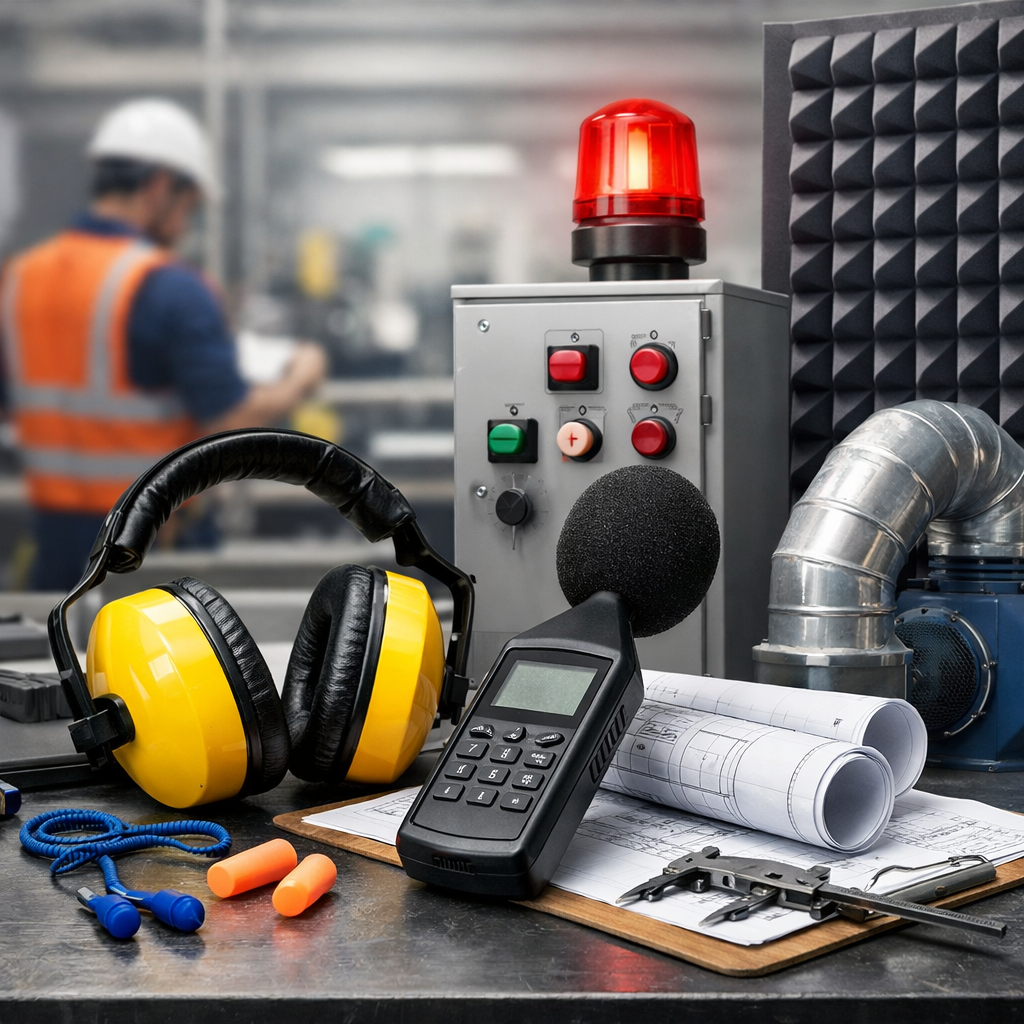
Selecting the right hearing protection
The type of PPE should match the task, noise level, and work environment. Disposable foam earplugs may work well in some settings, while reusable plugs or earmuffs may be more suitable in others. In extremely loud environments, dual protection may be needed.
However, hearing protection only works when it fits properly and is worn consistently. A poorly inserted earplug or damaged earmuff seal can greatly reduce protection. Fit testing, hands-on instruction, and worker comfort all matter.
The table below shows how the three main categories of controls compare in practice:
| Control type | Main purpose | Practical examples | Key limitation |
|---|---|---|---|
| Engineering | Reduce noise at the source or along the path | Machine enclosures, silencers, quieter equipment, acoustic barriers | May require capital cost and technical changes |
| Administrative | Reduce the duration or intensity of exposure through procedures | Job rotation, restricted access, scheduling noisy tasks off-shift, training | Depends on consistent management and worker compliance |
| PPE | Protect the individual worker at the point of exposure | Earplugs, earmuffs, dual protection | Least effective if used incorrectly or inconsistently |
Strong PPE programs include routine inspection, replacement of worn products, hygiene practices for reusable devices, and medical surveillance where required. Employers should also consider compatibility with hard hats, face shields, eyewear, and communication systems so workers remain protected without creating new hazards.
Building a complete hearing protection strategy with occupational noise exposure controls
The most successful programs do not treat noise as a simple PPE issue. They build a layered strategy using the Hierarchy of Controls, supported by measurement, maintenance, training, supervision, and review.
A practical process often begins with a site noise survey, followed by prioritizing the loudest equipment and tasks. High-impact improvements might include replacing one excessively noisy machine, enclosing a compressor room, changing work schedules, and retraining staff on proper earplug use. Over time, these actions can significantly reduce the number of workers exposed above hazardous limits.
Regular review is essential because workplace conditions change. New machinery, layout adjustments, staffing changes, or production increases can alter exposure quickly. Periodic reassessment helps confirm whether occupational noise exposure controls remain effective and whether further action is needed.
In the end, hearing protection is strongest when engineering, administrative measures, and PPE work together. By investing in practical occupational noise exposure controls, employers can protect hearing, improve day-to-day safety, and create a healthier workplace for everyone exposed to industrial noise.
No comments yet