


safe needle handling procedures: Essential OHSE Practices to Prevent Needlestick Injuries
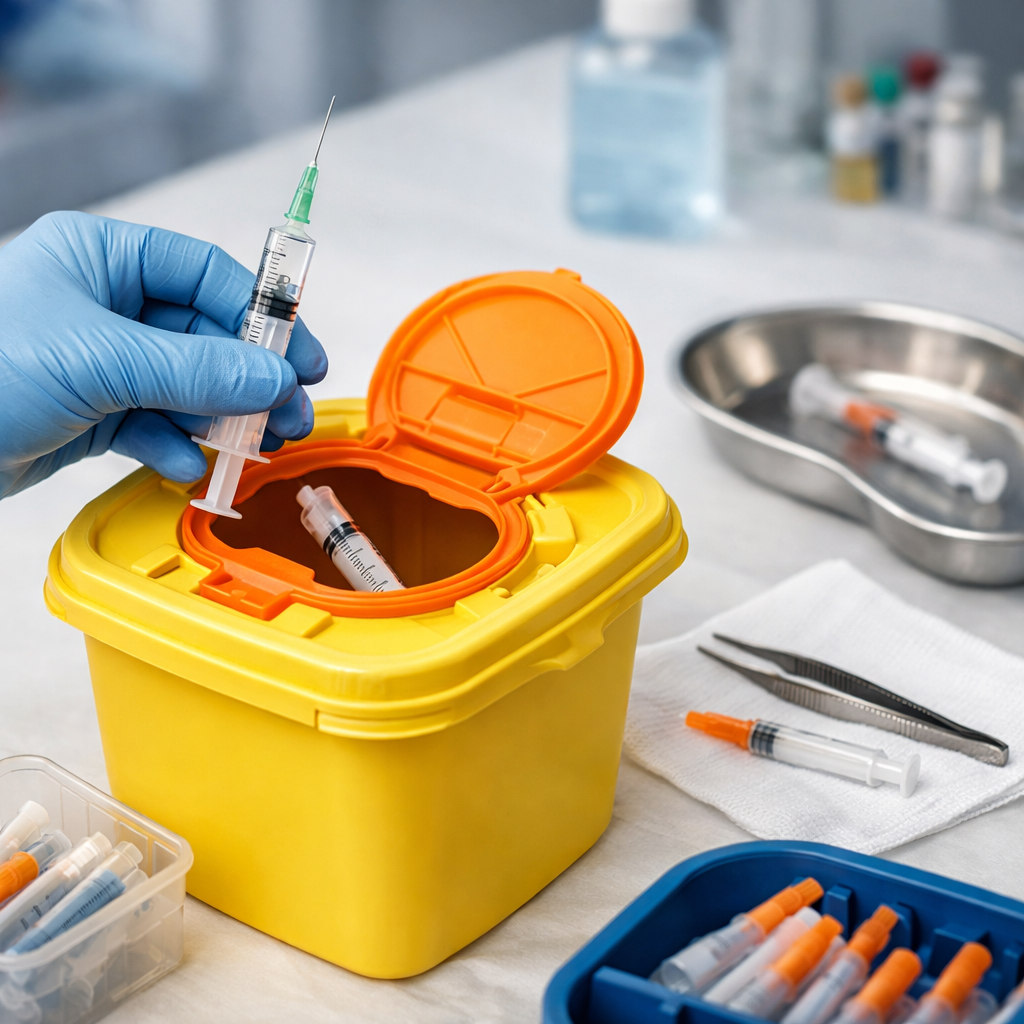


safe needle handling procedures are a critical part of occupational health, safety, and environmental practice in healthcare, laboratories, aged care, emergency response, and any workplace where sharps are used.
When needles are handled incorrectly, workers face risks such as needlestick injuries, exposure to bloodborne pathogens, contamination, lost work time, and serious psychological stress after an incident.
Strong procedures help reduce these risks by combining training, safer equipment, correct disposal methods, and compliance with workplace rules.
Whether the setting is a hospital ward, dental clinic, veterinary practice, pathology lab, or field response unit, safe needle handling procedures protect workers, patients, and the wider community.
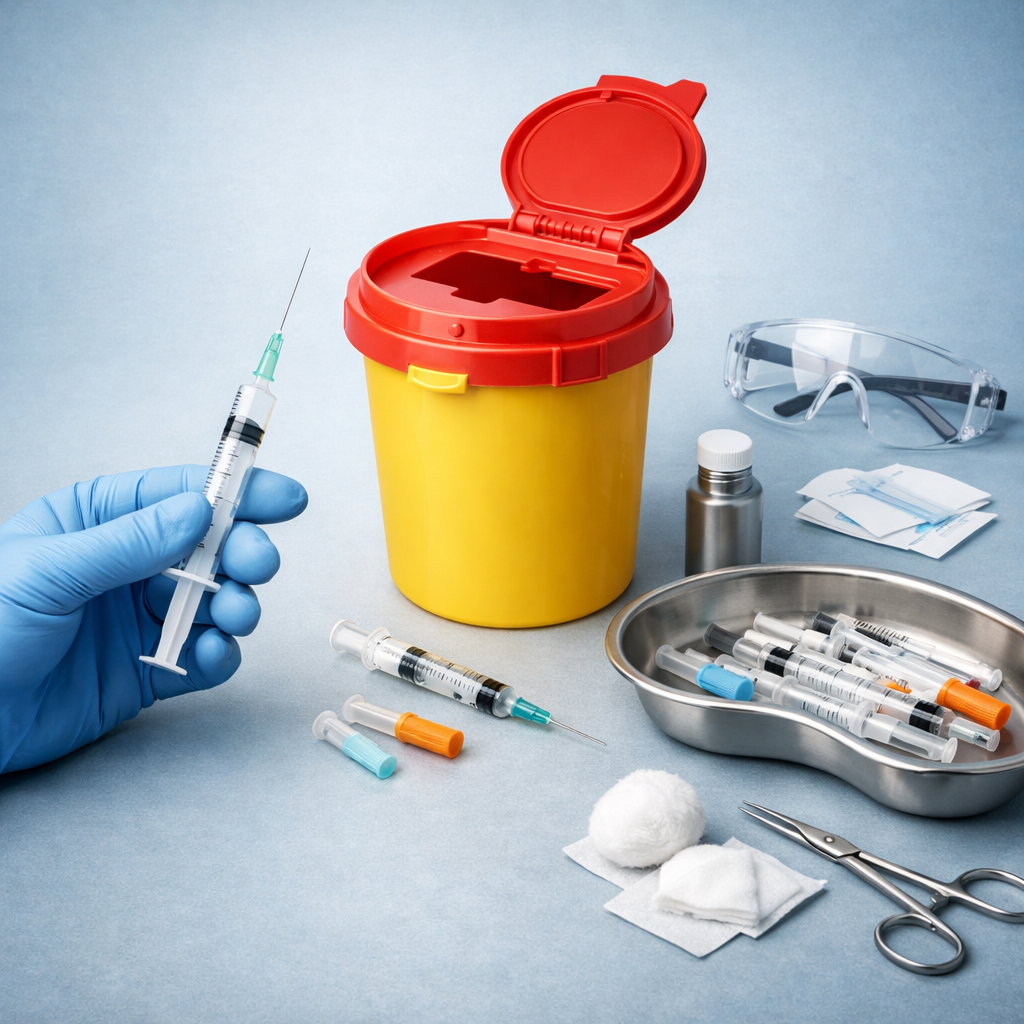
This article explains the key risks, prevention methods, personal protective equipment, legal duties, and practical examples that support safer handling of needles at work.
- Why Safe Needle Handling Procedures Matter in the Workplace
- Risk Assessment and the Hierarchy of Controls for Safe Needle Handling Procedures
- Core Safe Needle Handling Procedures for Daily Operations
- PPE, Training, and Compliance Requirements
- Building a Strong Safety Culture Around Safe Needle Handling Procedures
Why Safe Needle Handling Procedures Matter in the Workplace
Needles and other sharps are common tools, but they can quickly become high-risk hazards if controls are weak.
A single puncture wound may expose a worker to hepatitis B, hepatitis C, HIV, and other infectious materials, depending on the source and work environment.
The direct injury is only part of the problem.
There are also follow-up medical tests, incident reporting, emotional distress, treatment costs, and possible regulatory consequences for the employer.
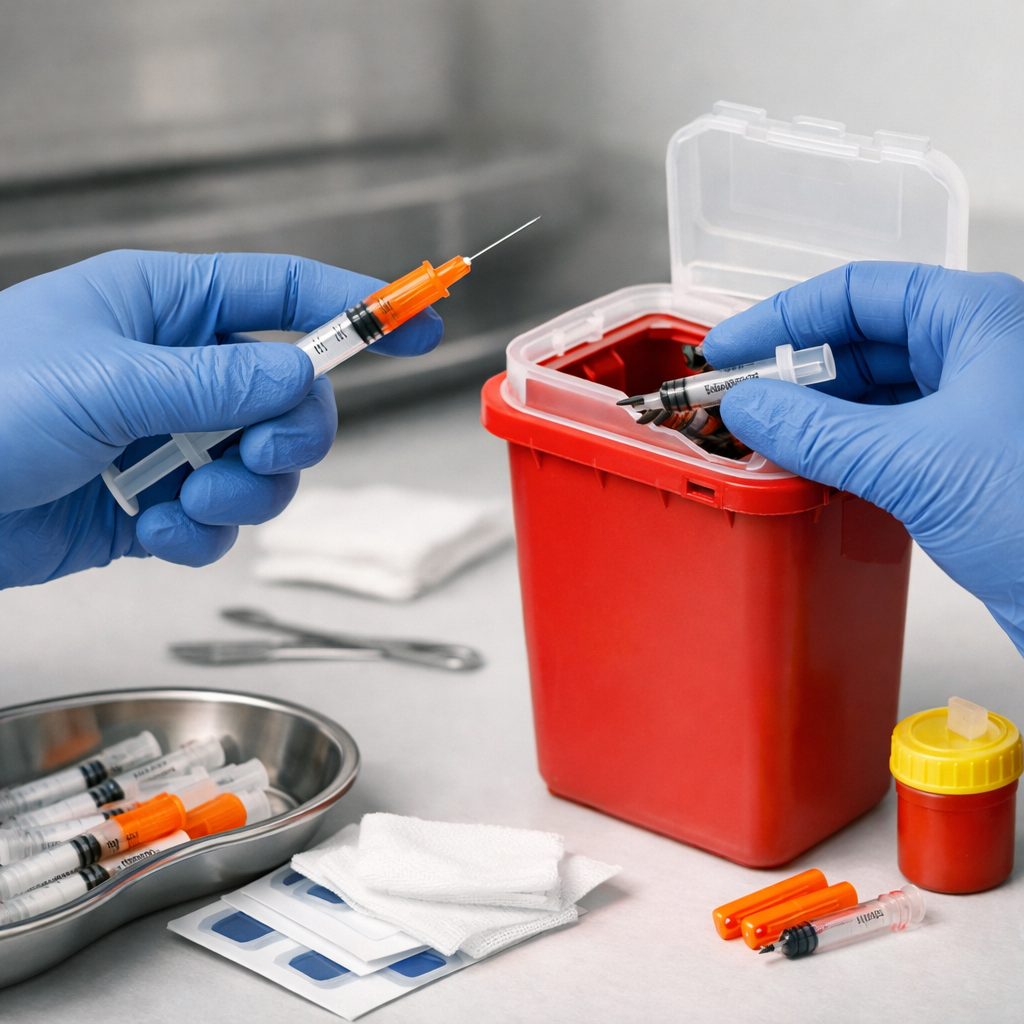
According to guidance from OSHA and the CCOHS, needlestick prevention depends on identifying hazards early and applying practical control measures consistently.
In many workplaces, incidents happen during routine tasks rather than emergencies.
Examples include recapping a needle after an injection, carrying an uncapped syringe between rooms, overfilling a sharps container, or placing used sharps on a tray instead of disposing of them immediately.
These examples show why safe needle handling procedures must be clear, simple, and built into everyday workflow.
Common Workplace Risks
- Needlestick injuries during injections, blood collection, or medication preparation
- Exposure to contaminated blood or bodily fluids
- Injuries caused by improper recapping or disassembly of devices
- Sharps container overflow or poor placement
- Inadequate worker training or supervision
- Failure to use safety-engineered devices
- Poor housekeeping in treatment and disposal areas
Risk Assessment and the Hierarchy of Controls for Safe Needle Handling Procedures
Effective safe needle handling procedures begin with risk assessment.
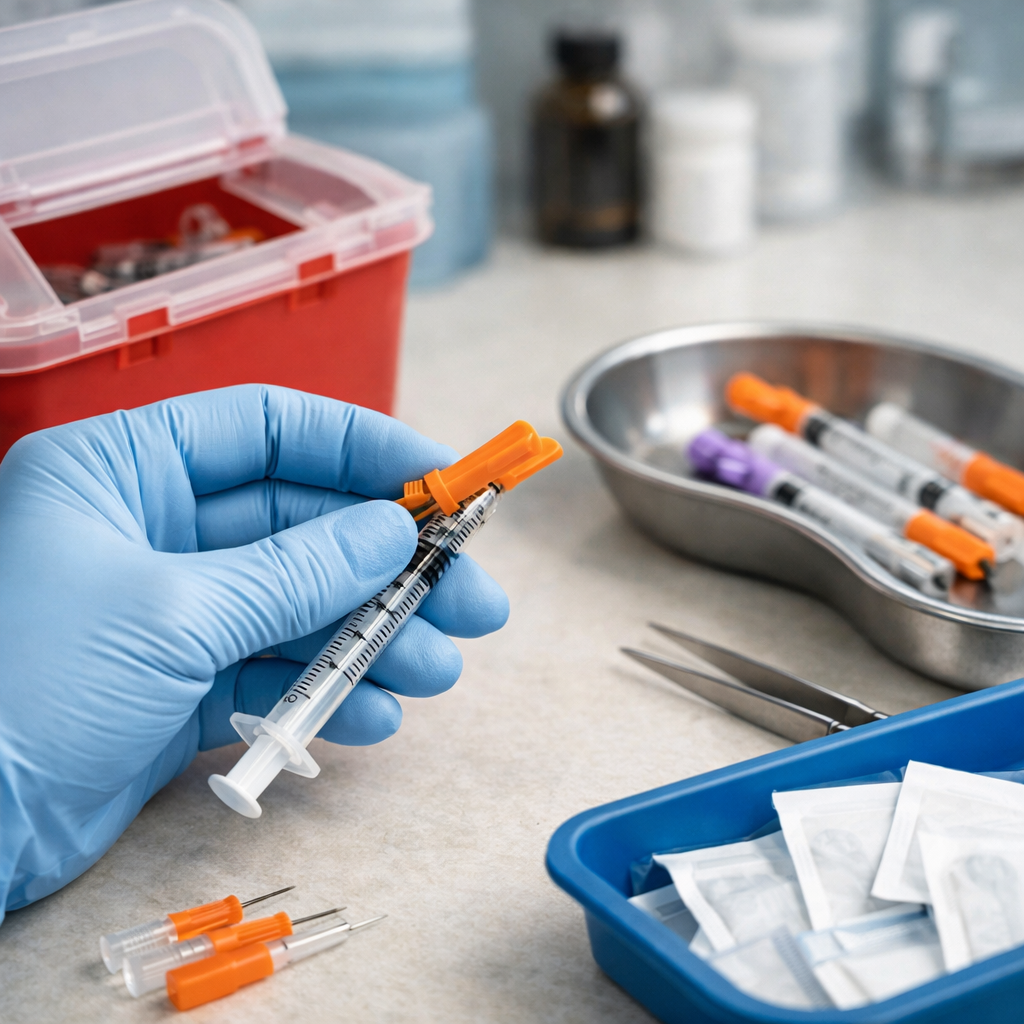
Employers should review where needles are used, who may be exposed, how often tasks occur, what incidents have happened before, and whether current controls are effective.
This process should include direct consultation with workers because frontline staff often identify practical hazards that are missed in paperwork-only assessments.
The Hierarchy of Controls is a useful framework for reducing sharps risks.
Instead of relying only on individual caution, workplaces should prioritize stronger controls wherever possible.
Applying the Hierarchy of Controls
| Control Level | Application to Needle Safety | Example |
|---|---|---|
| Elimination | Remove unnecessary needle use | Use needle-free IV systems where suitable |
| Substitution | Replace higher-risk devices with safer alternatives | Use retractable or shielded needles |
| Engineering Controls | Isolate workers from the hazard through design | Sharps containers at point of use |
| Administrative Controls | Set procedures, training, and supervision | No-recapping policy and incident reporting process |
| PPE | Reduce exposure if contact occurs | Gloves, gowns, face protection when splash risk exists |
Elimination and substitution are especially important in modern OHSE programs.
If a task can be completed without a needle, that option should be considered first.
If a needle is necessary, safety-engineered devices can significantly lower injury risk when workers are trained to use them properly.
You can also support your program through routine reviews like those discussed in our workplace risk assessment guide and incident reporting best practices.
Core Safe Needle Handling Procedures for Daily Operations
Safe needle handling procedures should cover the full life cycle of the sharp: preparation, use, transport, disposal, spill response, and incident follow-up.
Consistency is essential because even experienced workers can make errors when rushed, distracted, or fatigued.
Before Use
Inspect the work area and prepare everything needed before opening sterile equipment.
This includes medication, swabs, disposal container access, labels, and any required documentation.
Workers should avoid handling needles in cluttered or poorly lit spaces.
A sharps container should be as close as practical to the point of use so disposal happens immediately after the task.
During Use
Use only the equipment needed for the procedure and maintain focus on the task.
Do not pass exposed needles hand to hand unless a formal safe transfer method is in place.
If a procedure involves more than one worker, roles should be clarified before starting.
Needles should never be left unattended on beds, benches, trays, or trolleys.
After Use and Disposal
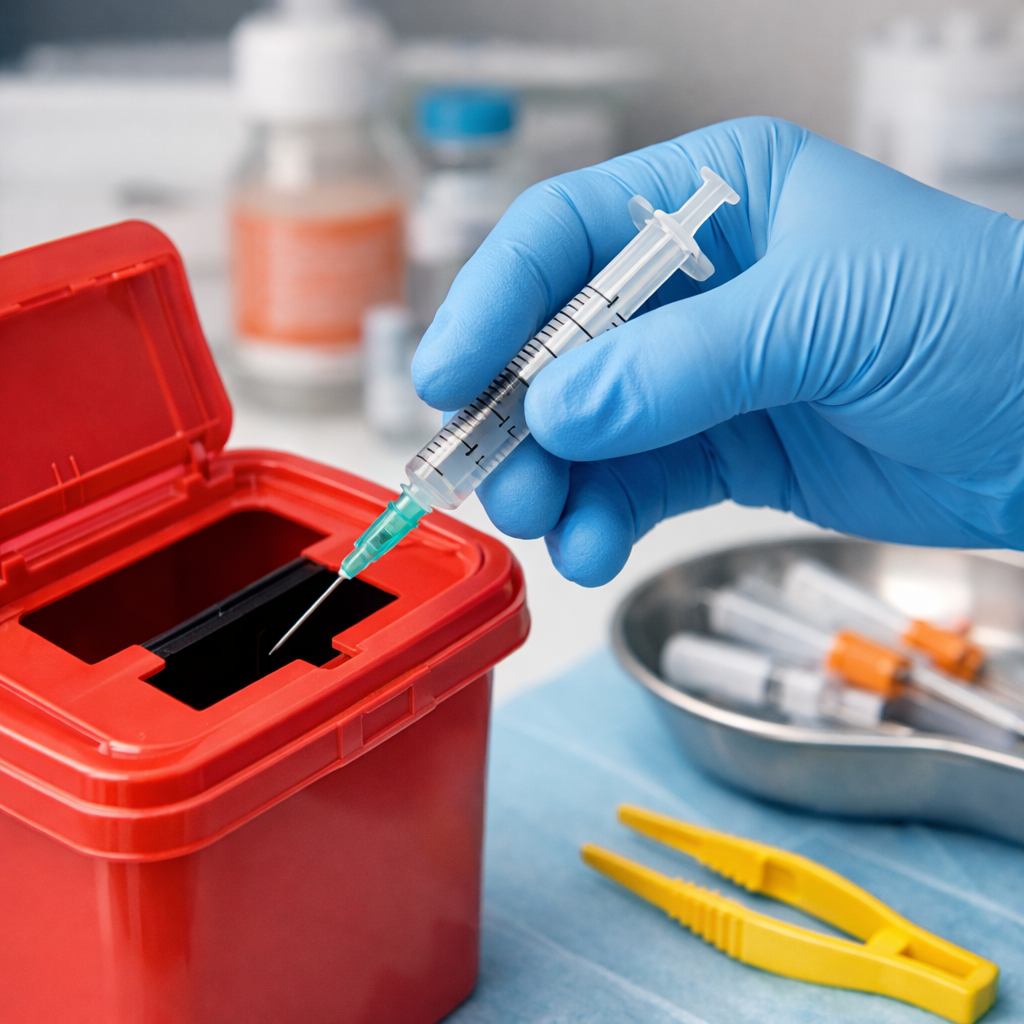
Dispose of used needles immediately into an approved sharps container.
Do not bend, break, remove, or recap needles unless there is no safer alternative and a specifically approved one-handed technique is part of the procedure.
In most settings, recapping should be avoided entirely because it remains one of the most common causes of needlestick injury.
Sharps containers must be puncture-resistant, leak-resistant, correctly labeled, securely positioned, and replaced before they become overfilled.
Practical Examples
In a vaccination clinic, a nurse prepares the station so that the sharps container is mounted beside the chair, reducing movement with exposed sharps.
After each injection, the used needle is activated using its safety feature and placed directly into the container before the next patient is called.
In a pathology lab, a phlebotomist avoids placing used collection devices on a bench during labeling.
Instead, patient identification and labeling are organized so disposal happens first, then paperwork follows.
In waste handling, an environmental services worker notices a sharps container is filled above the recommended line.
Rather than forcing in more waste, the worker seals the container, replaces it, and reports the issue to prevent future exposure.
PPE, Training, and Compliance Requirements
Personal protective equipment supports safe needle handling procedures, but PPE should never be the only control.
Gloves are commonly required when there is a reasonable chance of contact with blood or bodily fluids.
Depending on the task, workers may also need gowns, masks, or eye protection, especially when splash or spray risks are present.
PPE must fit properly, be readily available, and be supported by hand hygiene and correct removal techniques to prevent cross-contamination.
Training and Competency
Workers need more than a policy document.
They need practical training on device use, disposal steps, emergency response, exposure reporting, and the location of sharps containers and first aid supplies.
Refresher training is important when new equipment is introduced, procedures change, or incidents reveal knowledge gaps.
Supervisors should verify competency, not just attendance.
Incident Response
If a needlestick injury occurs, the worker should act immediately according to workplace procedure.
- Encourage the wound to bleed gently if advised by local protocol
- Wash the area with soap and water
- Report the incident immediately to a supervisor
- Seek urgent medical evaluation
- Document the exposure and preserve relevant details
- Review root causes and corrective actions
Prompt reporting is essential because post-exposure evaluation and treatment may be time-sensitive.
Employers should also investigate why the incident happened, not just record that it happened.
Compliance and OHSE Responsibilities
Compliance expectations vary by jurisdiction, but the general duty is consistent: employers must provide a safe workplace, suitable equipment, information, training, and supervision.
Workers must follow procedures, use equipment correctly, and report hazards and incidents.
Guidance from OSHA, CCOHS, and local health authorities helps employers align their sharps safety programs with recognized standards.
Records should include training completion, risk assessments, inspection results, vaccination programs where applicable, and incident investigations.
Regular audits can identify gaps such as poorly located sharps containers, outdated procedures, or inconsistent PPE use.
Safe needle handling procedures are most effective when they are reviewed routinely and reinforced by leadership.
Building a Strong Safety Culture Around Safe Needle Handling Procedures
Policies alone do not prevent injuries.
Workplaces reduce harm when safe behavior is supported by good design, realistic staffing, available equipment, and open reporting.
If workers feel rushed or discouraged from reporting close calls, the risk of a serious injury increases.
A strong safety culture encourages staff to speak up when a sharps bin is in the wrong place, a safety device is awkward to use, or a procedure creates unnecessary exposure.
Managers should treat these observations as valuable prevention opportunities.
Simple improvements often make a measurable difference, such as relocating containers to point-of-use areas, standardizing tray layouts, purchasing better-engineered devices, or redesigning workflow to remove recapping and manual transfers.
Safe needle handling procedures should also be included in onboarding, contractor induction, emergency planning, and routine safety talks.
When practical controls, PPE, training, and compliance systems work together, needle-related risks are significantly reduced.
In every workplace that uses sharps, safe needle handling procedures are not optional administrative rules.
They are essential OHSE protections that prevent injuries, support legal compliance, and help workers go home safe at the end of every shift.