


safe parking practices for drivers: Reducing Risks and Improving OHSE Compliance on the Road


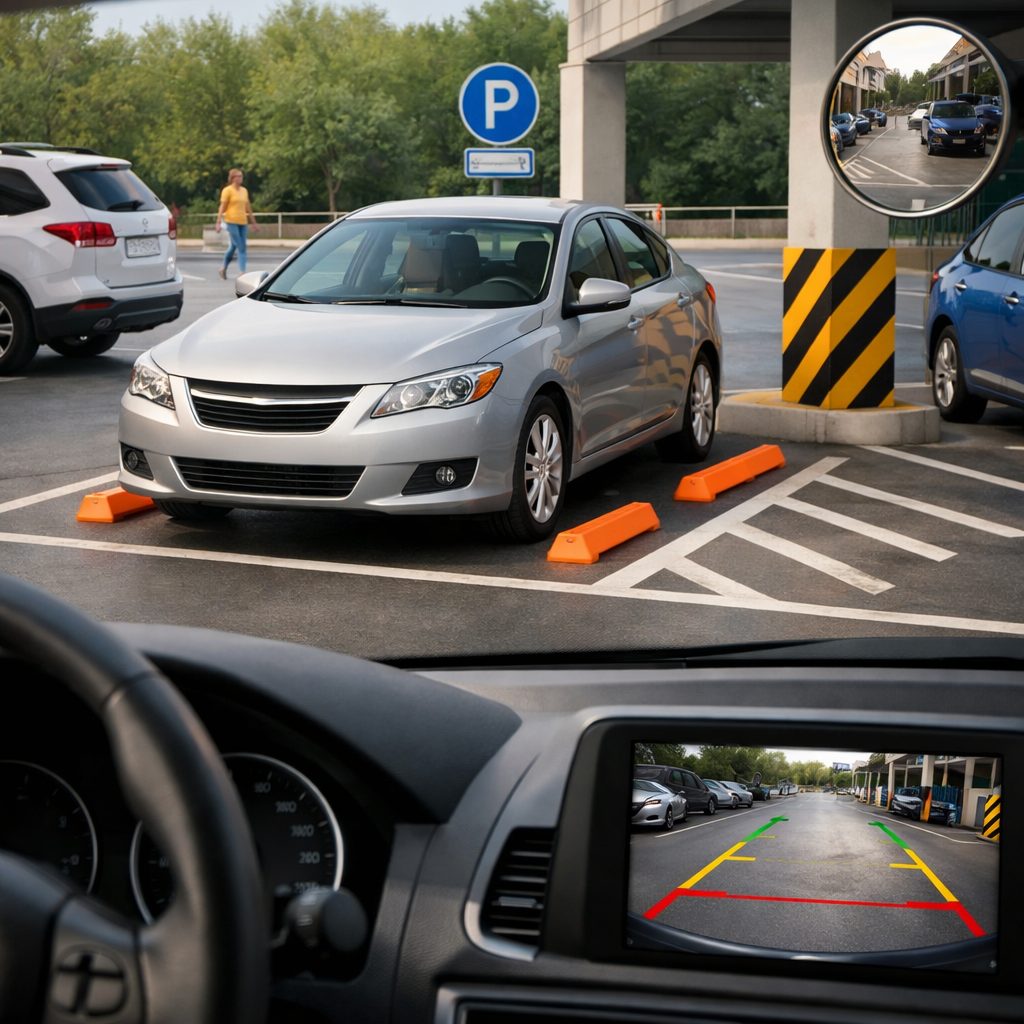
safe parking practices for drivers are a critical part of occupational health, safety, and environmental performance in transport, logistics, field service, construction, and general workplace travel.
Parking may seem routine, but many incidents occur when vehicles are stationary, reversing, entering loading areas, or parked in unsafe locations.
A poorly parked vehicle can create struck-by hazards, pedestrian risks, property damage, traffic obstruction, rollaway incidents, and exposure to theft or violence. For employers and drivers, safe parking is not only a matter of convenience. It is a practical OHSE issue tied to risk management, worker wellbeing, and legal compliance.
Whether a driver operates a company ute, delivery van, forklift support vehicle, heavy truck, or personal car for work purposes, safe parking practices for drivers help reduce injuries and costly disruptions. They also support site rules, public road regulations, and safe system of work requirements. Guidance from organizations such as OSHA and the CCOHS reinforces the need for hazard awareness, traffic management, and worker training in vehicle-related tasks.
Why safe parking practices for drivers matter in OHSE
In workplace settings, parking is rarely just about finding a space. It often involves reversing near pedestrians, unloading on uneven ground, stopping beside active traffic lanes, or parking in low-light areas during early morning or night shifts.
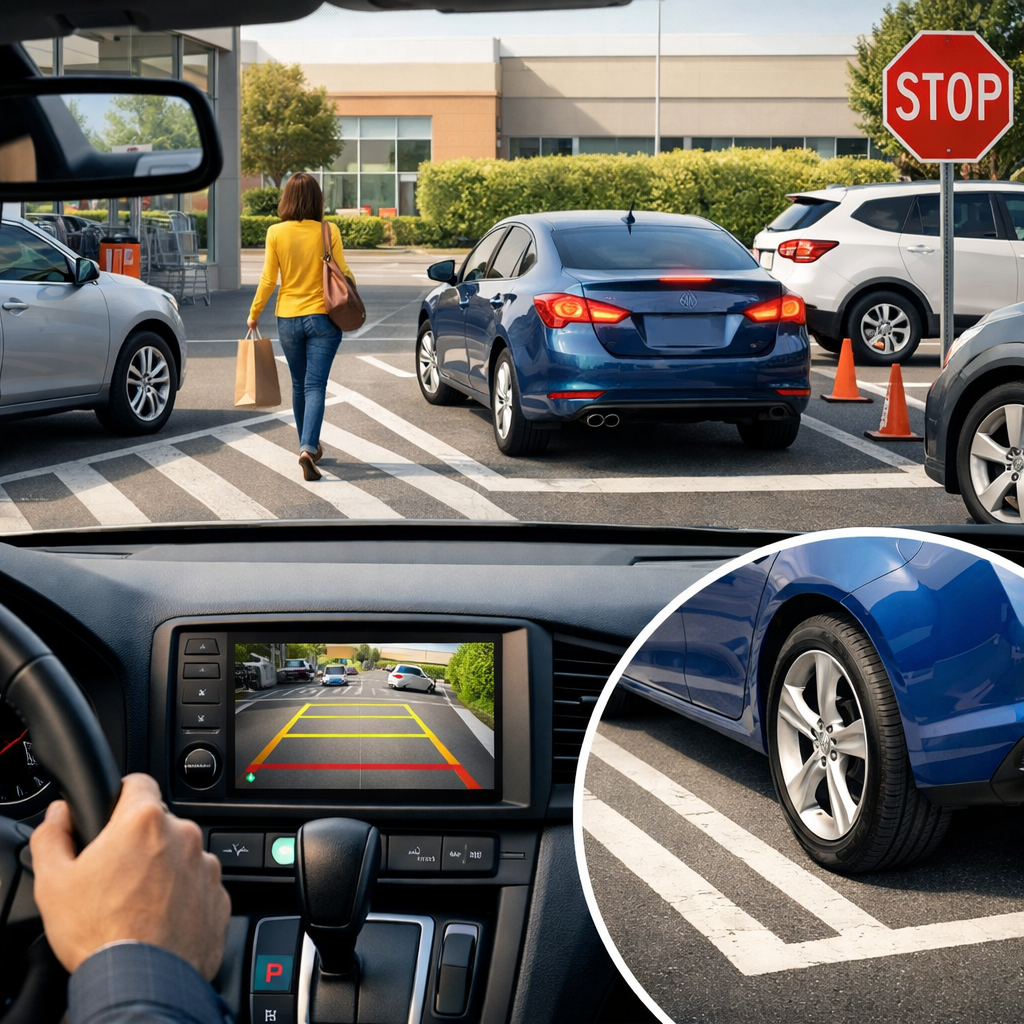
These conditions increase risk, especially when drivers are fatigued, rushed, unfamiliar with the site, or distracted by phones, paperwork, or delivery schedules.
Common parking-related hazards
- Vehicle rollaway caused by not applying the parking brake, leaving the vehicle in the wrong gear, or parking on a slope without wheel chocks where required
- Pedestrian strikes in busy depots, shopping zones, schools, hospitals, and shared workplace car parks
- Reversing collisions involving poles, barriers, loading docks, other vehicles, or blind spots
- Slips, trips, and falls when entering or exiting vehicles on wet, oily, uneven, or poorly lit surfaces
- Manual handling injuries during unloading when the vehicle is parked too far from the delivery point or on unstable ground
- Security risks such as assault, theft, and vandalism in isolated or unsecured parking areas
- Environmental incidents if a parked vehicle leaks fuel or blocks emergency access, drains, or spill response points
For businesses, these hazards can lead to injuries, workers’ compensation claims, vehicle repairs, damaged reputation, delayed deliveries, and enforcement action. A simple parking decision can quickly become a reportable incident if controls are weak.
That is why safe parking practices for drivers should be included in driver inductions, journey management plans, toolbox talks, and incident investigations. They are also relevant to broader topics such as fleet safety policy and workplace traffic management.
Risk assessment and prevention using the Hierarchy of Controls
The best way to improve safe parking practices for drivers is to treat parking as a task with identifiable hazards and controls. A basic risk assessment should consider location, lighting, ground conditions, traffic flow, weather, visibility, emergency access, pedestrian activity, and the type of vehicle involved.
Using the Hierarchy of Controls helps employers and drivers choose stronger measures instead of relying only on personal caution.
Applying the Hierarchy of Controls
| Control level | Parking example | OHSE benefit |
|---|---|---|
| Elimination | Remove the need to park in live traffic areas by redesigning delivery points | Eliminates exposure to passing vehicles |
| Substitution | Use pull-through bays instead of reverse parking in high-risk zones | Reduces reversing hazards |
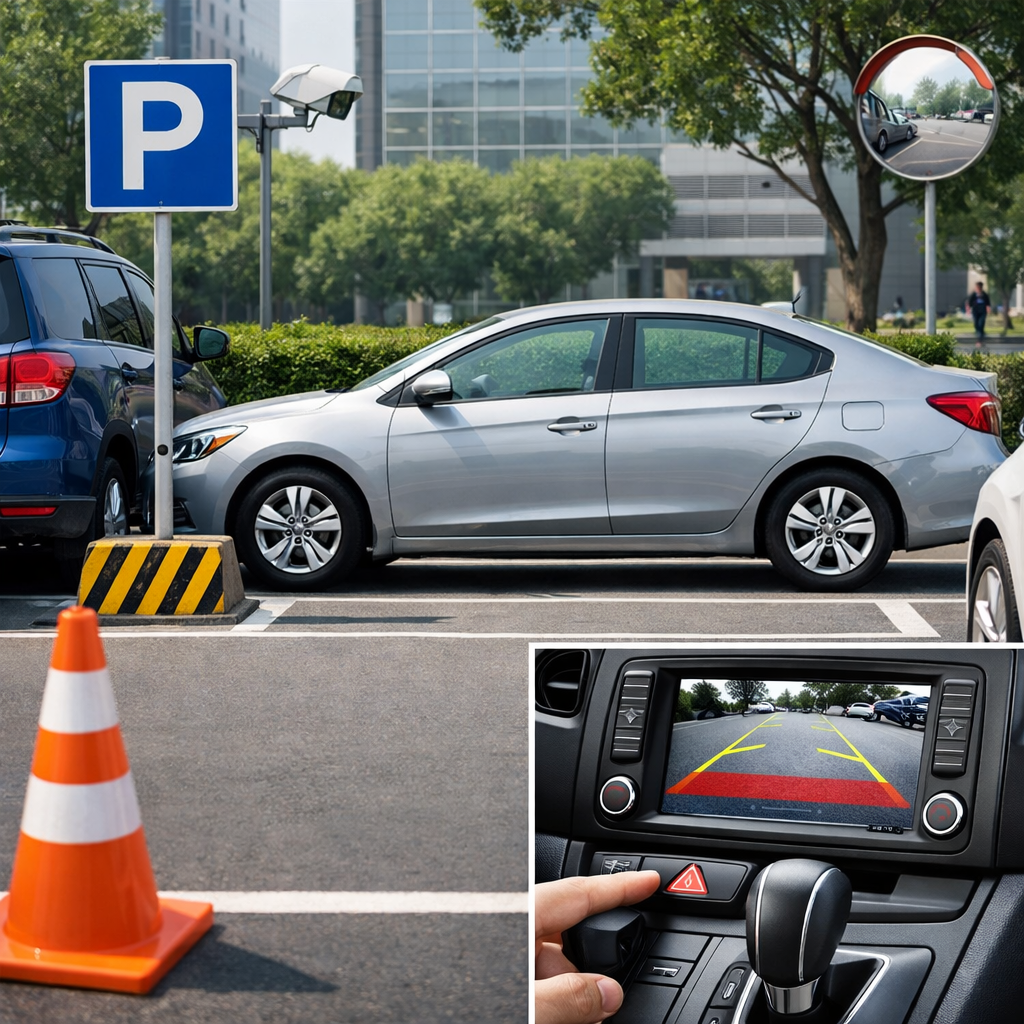
| Engineering controls | Install barriers, wheel stops, mirrors, lighting, and marked pedestrian walkways | Improves separation and visibility |
| Administrative controls | Site parking rules, spotter procedures, permits, speed limits, and training | Standardizes safer behavior |
| PPE | High-visibility clothing, safety boots, gloves, weather protection | Supports worker visibility and footing |
Practical prevention starts before the vehicle stops. Drivers should scan ahead, identify a legal and well-lit space, avoid blocking exits, and choose areas that allow safer exit and re-entry. If possible, drivers should reverse into a space only when site rules and visibility make it the safer option, or select a pull-through bay to avoid reversing entirely when leaving.
On worksites, designated parking areas should be clearly marked and separated from loading zones and mobile plant routes. Heavy vehicle operators should be given enough space for turning circles and sight lines. Where vision is restricted, a trained spotter may be necessary, but the driver must remain responsible for stopping if sight of the spotter is lost.
PPE, driver behavior, and practical examples
PPE does not replace safer parking design, but it remains important in many work environments. Drivers who park in warehouses, construction sites, roadside work zones, or industrial yards may need specific PPE before exiting the vehicle.
PPE that supports safe parking practices for drivers
- High-visibility vests or shirts to improve visibility around moving vehicles
- Slip-resistant safety boots for wet, uneven, or gravel surfaces
- Gloves when handling tailgates, restraints, equipment, or loads
- Weather protection such as wet-weather gear, sun protection, or cold-weather clothing
- Head protection where site rules require hard hats in active plant or construction areas
Good driver behavior is just as important. Drivers should stop fully, apply the parking brake, place the transmission in park or the correct gear, switch off the engine where required, remove the keys when appropriate, and check surroundings before opening the door.
If parking on an incline, additional controls may include turning the wheels appropriately and using wheel chocks for heavy vehicles under company procedure.
Practical workplace examples
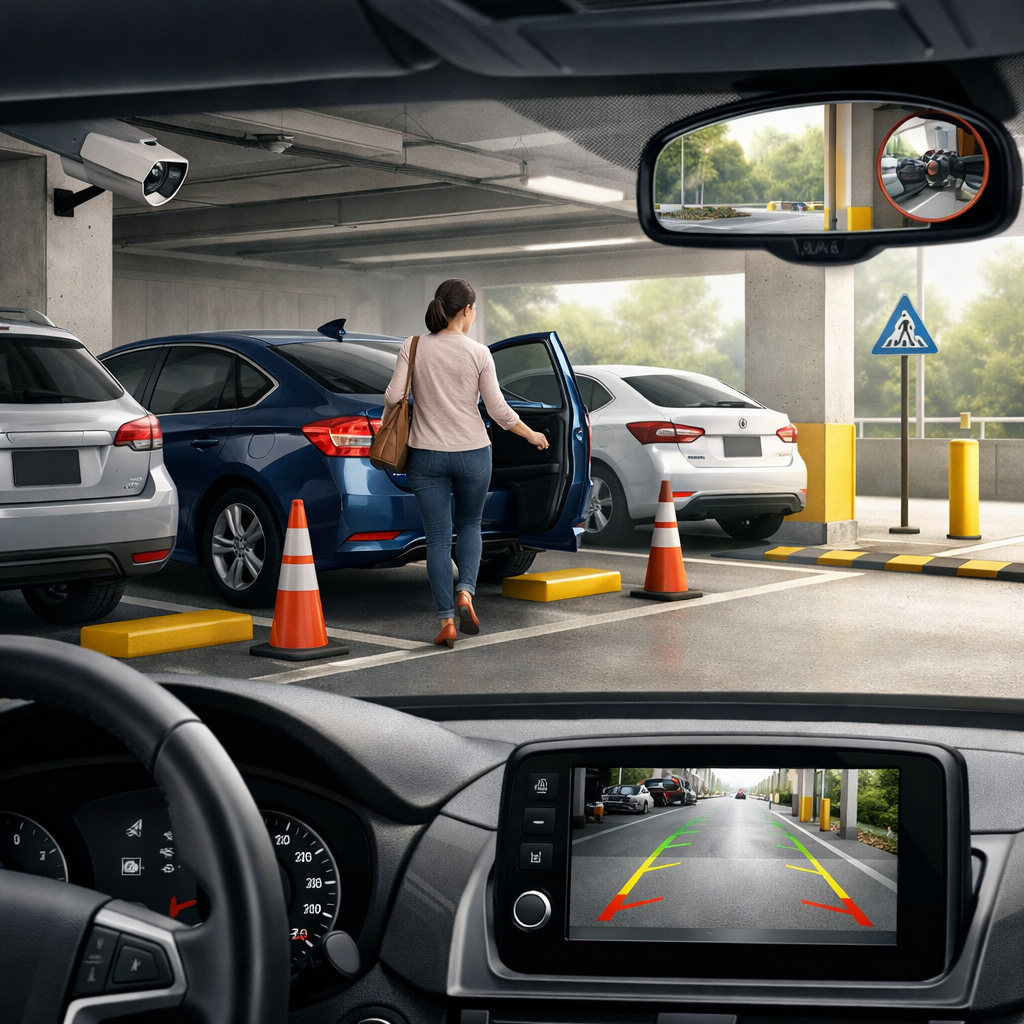
A courier arriving at a retail site during a busy lunch period may be tempted to stop in a no-standing zone near the entrance. A safer approach is to use the designated loading bay, even if it requires a longer walk with a trolley. This reduces pedestrian conflict and keeps emergency access clear.
A field technician attending a remote utility site at dawn should avoid isolated shoulders with soft ground and poor visibility. Parking inside the signed access area, wearing high-visibility PPE, and using hazard lights where permitted can reduce the chance of a roadside strike.
A truck driver at a warehouse may face pressure to reverse quickly onto a dock. Safe parking practices for drivers in this situation include checking dock alignment, confirming wheel restraints or dock locks, following site marshal instructions, and never exiting until the vehicle is secured.
Compliance, training, and building a safer parking culture
Compliance matters because parking failures can breach road rules, workplace safety duties, and company procedures. Employers generally have a duty to provide safe systems of work, safe workplaces, information, instruction, training, and supervision. Drivers also have responsibilities to follow procedures, use equipment correctly, and report hazards.
Parking safety should be covered in policies for journey planning, fatigue management, lone work, vehicle inspections, and incident response. Supervisors should review where drivers park most often, what incidents or near misses have occurred, and whether better controls are needed.
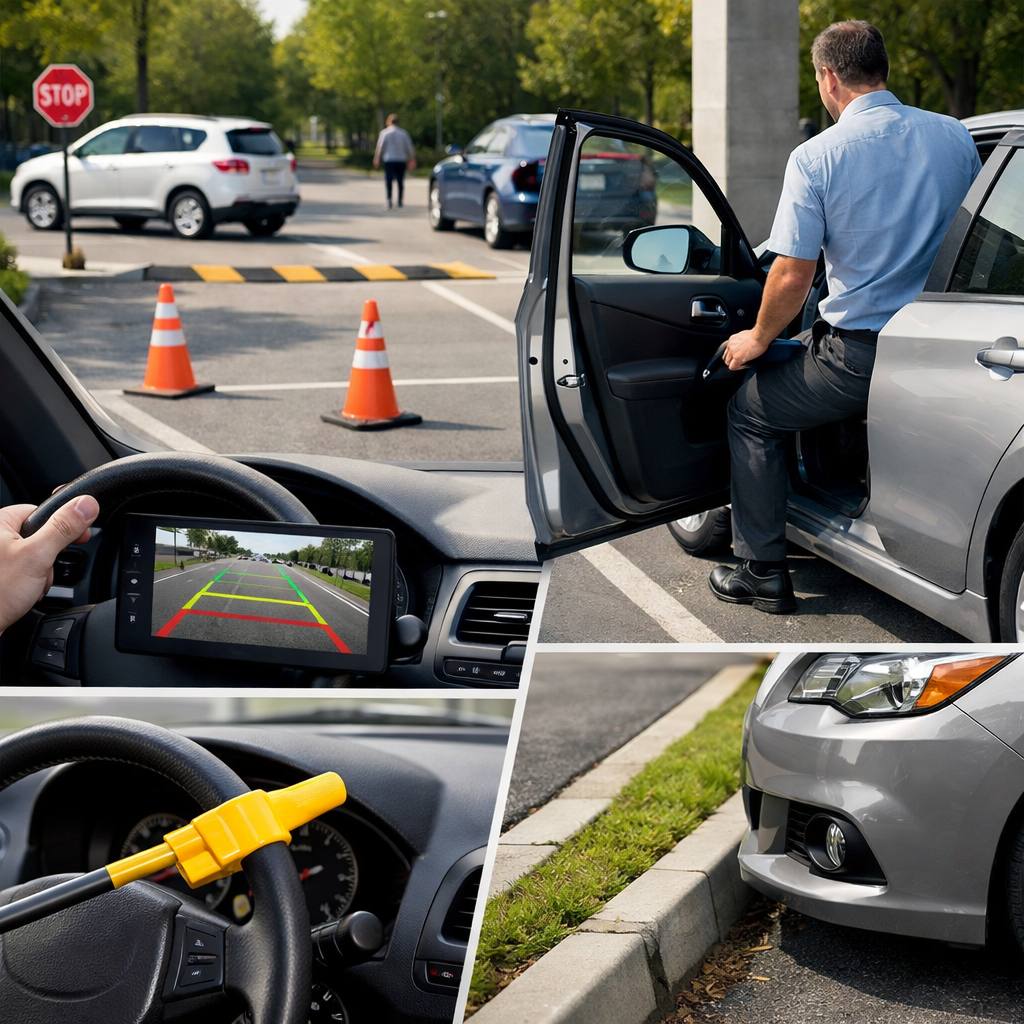
Key compliance and management actions
- Include parking hazards in pre-start checks and site risk assessments
- Train workers on reversing rules, parking brake use, blind spots, and pedestrian awareness
- Audit parking areas for lighting, signage, line marking, drainage, and surface condition
- Investigate parking-related near misses, not just injury events
- Set rules for mobile phone use, key security, and unattended vehicles
- Review contractor compliance with site parking and traffic management plans
Real improvement comes from culture, not paperwork alone. Drivers should feel empowered to reject unsafe parking locations, even if it causes minor delays. Managers should support that decision rather than reward speed over safety.
Reporting systems should make it easy to flag faded line markings, damaged bollards, poor lighting, unsafe slopes, or recurring congestion at entry points.
Useful guidance can also be found through road authorities and workplace safety regulators, including resources on vehicle safety, traffic management, and pedestrian separation from the National Safety Council.
In the end, safe parking practices for drivers are a fundamental OHSE control, not an optional extra. They reduce the risk of collisions, injuries, rollaways, manual handling strain, and security incidents while supporting compliance and operational efficiency.
By identifying hazards, applying the Hierarchy of Controls, using suitable PPE, and reinforcing clear procedures, employers and drivers can make parking far safer in everyday operations. From office car parks to construction zones and freight depots, safe parking practices for drivers protect people, vehicles, loads, and the wider workplace.