


Safety Signage Best Practices for High-Risk Areas: What Works, What Fails, and How to Improve


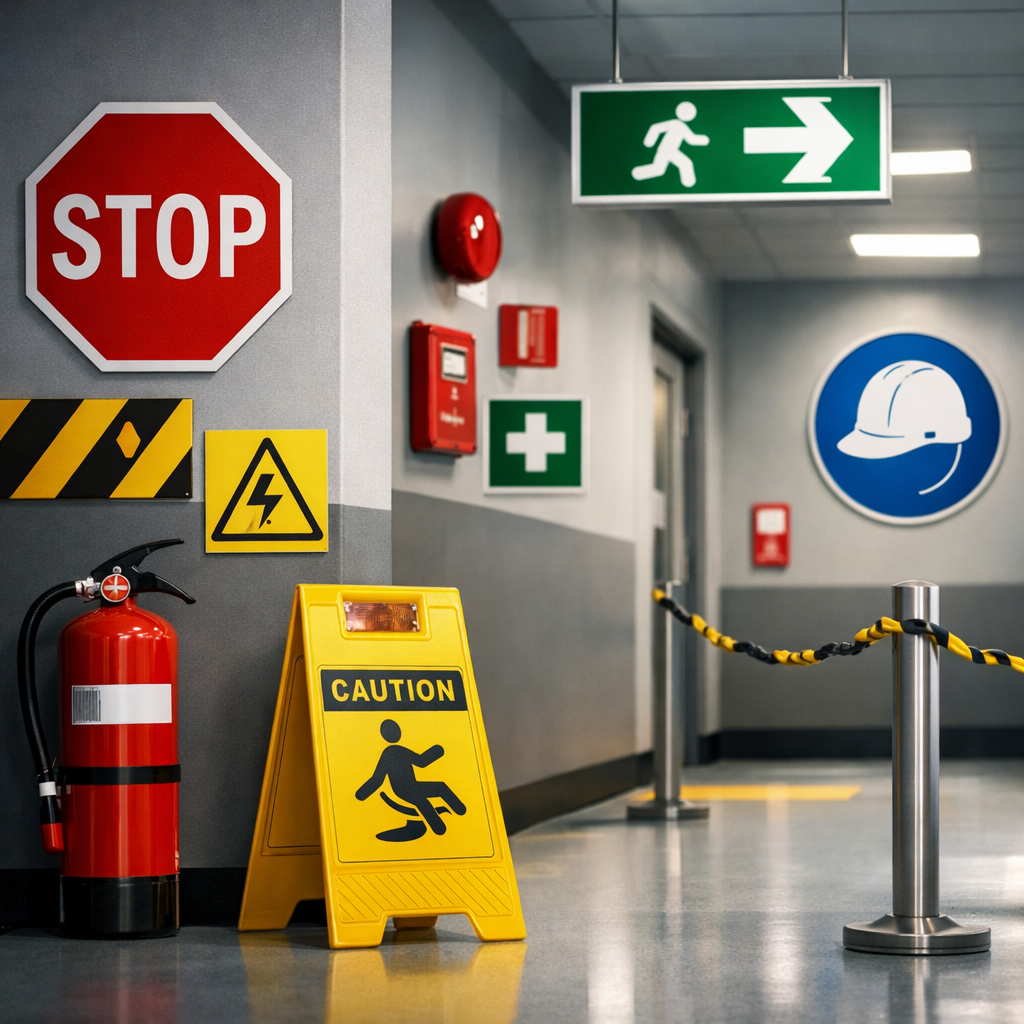
Safety signage best practices matter most in places where one mistake can lead to serious injury, equipment damage, or a life-threatening emergency.
In high-risk areas such as construction sites, warehouses, laboratories, manufacturing plants, electrical rooms, and confined spaces, signs help workers and visitors recognize hazards quickly and respond correctly.
But signage is only effective when it is part of a broader safety system. A warning sign can alert people to danger, yet it cannot remove the hazard, isolate the risk, or replace training, supervision, and proper engineering controls.
This is why the strongest approach combines clear signs with practical risk controls, strong procedures, and regular review. When used well, signage improves awareness, supports compliance, and reduces confusion in fast-moving environments.
- Why safety signage best practices matter in high-risk areas
- Core safety signage best practices for clear hazard communication
- Where safety signage helps most and where it fails without proper controls
- How to maintain safety signage best practices over time
- Practical examples of safety signage best practices in action
Why safety signage best practices matter in high-risk areas
High-risk workplaces often contain multiple hazards at once: moving vehicles, live electrical systems, hazardous chemicals, hot surfaces, stored energy, noise, fall hazards, and restricted access points.
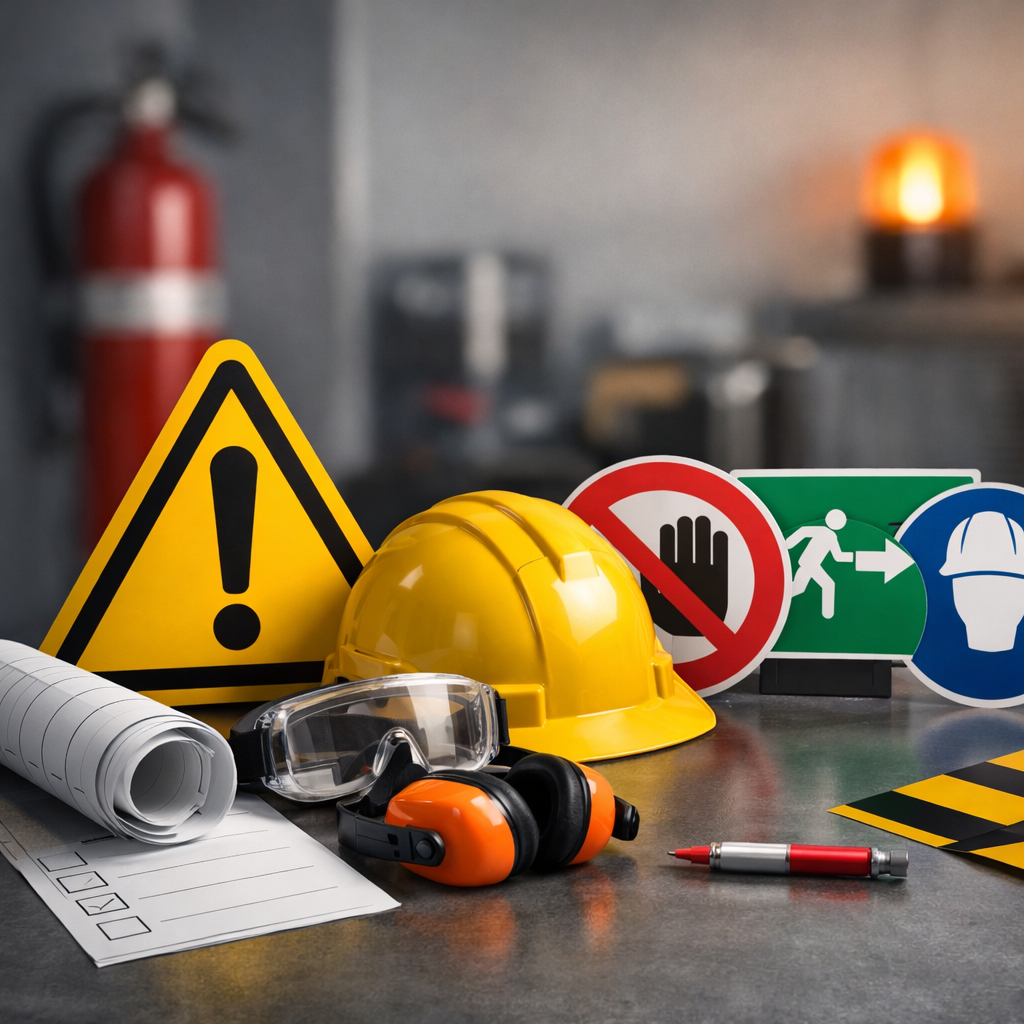
In these settings, people may need to make decisions in seconds. Effective signs provide fast visual cues that communicate what the hazard is, who is at risk, and what action must be taken.
Good signage is especially useful when it helps people:
- identify a hazard before entering an area
- follow required personal protective equipment rules
- locate emergency exits, eyewash stations, alarms, and first aid equipment
- understand restricted zones and permit-only tasks
- avoid unsafe actions around machines, forklifts, chemicals, or energized equipment
For example, a clearly marked battery charging room may warn about corrosive materials, ignition sources, and required eye protection. In a chemical storage area, signs can reinforce segregation rules, spill response locations, and emergency contact procedures.
Organizations such as OSHA and CCOHS consistently emphasize hazard communication, worker training, and clear workplace information. Signage supports those goals, but it must be accurate, visible, and tied to real controls on the ground.
Core safety signage best practices for clear hazard communication
Match the sign to the actual risk
One of the most important safety signage best practices is using signs that reflect real, current hazards. Generic messages are often ignored, especially in busy workplaces where employees see the same boards every day.
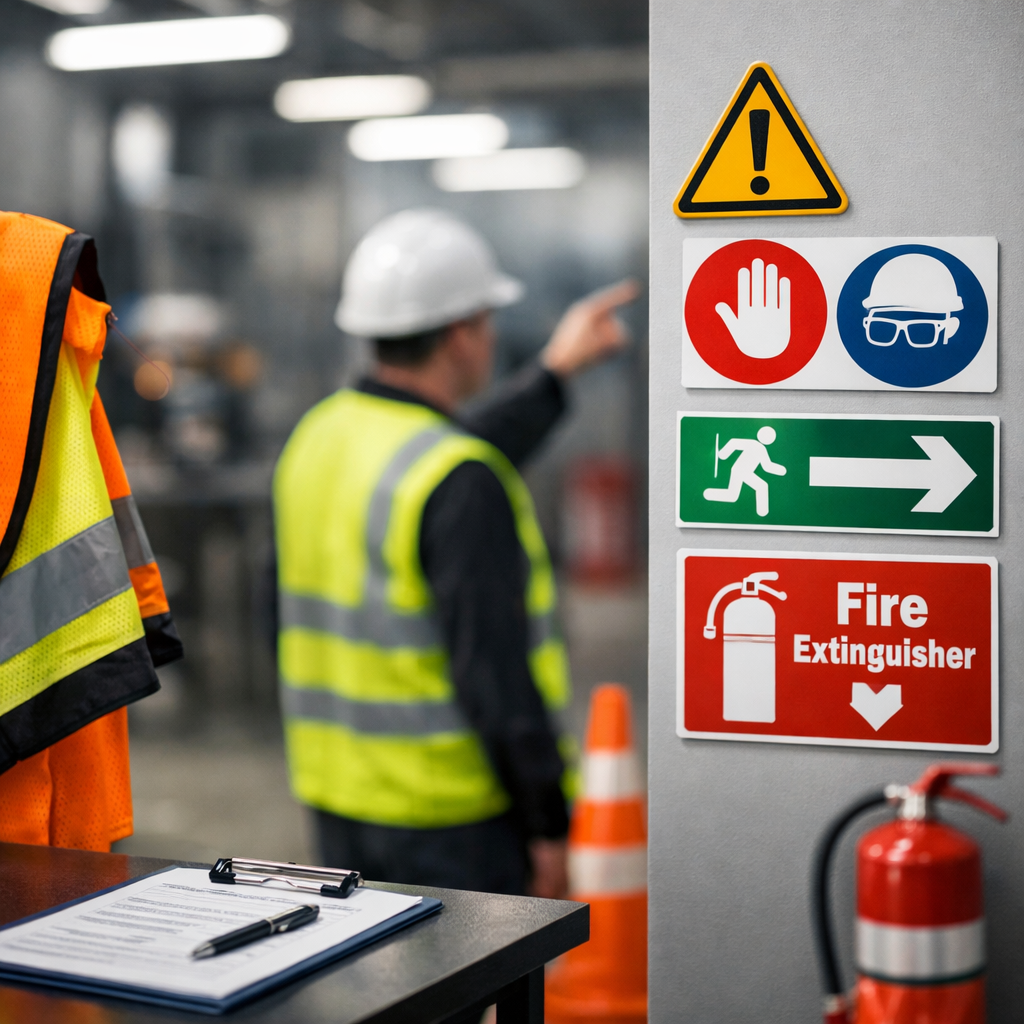
If the risk is electrical arc flash, the sign should say so. If the area requires hearing protection, respiratory protection, or a hot work permit, that requirement should be specific and visible at the point of entry.
Place signs where decisions happen
Signs should be installed where people need the information, not where there happens to be empty wall space.
That means placing warnings before a person enters the hazard zone, at eye level where possible, and at access points, machine interfaces, walkways, control panels, and emergency equipment locations. A sign hidden behind stored materials or posted too far from the hazard loses most of its value.
Use plain language, symbols, and strong contrast
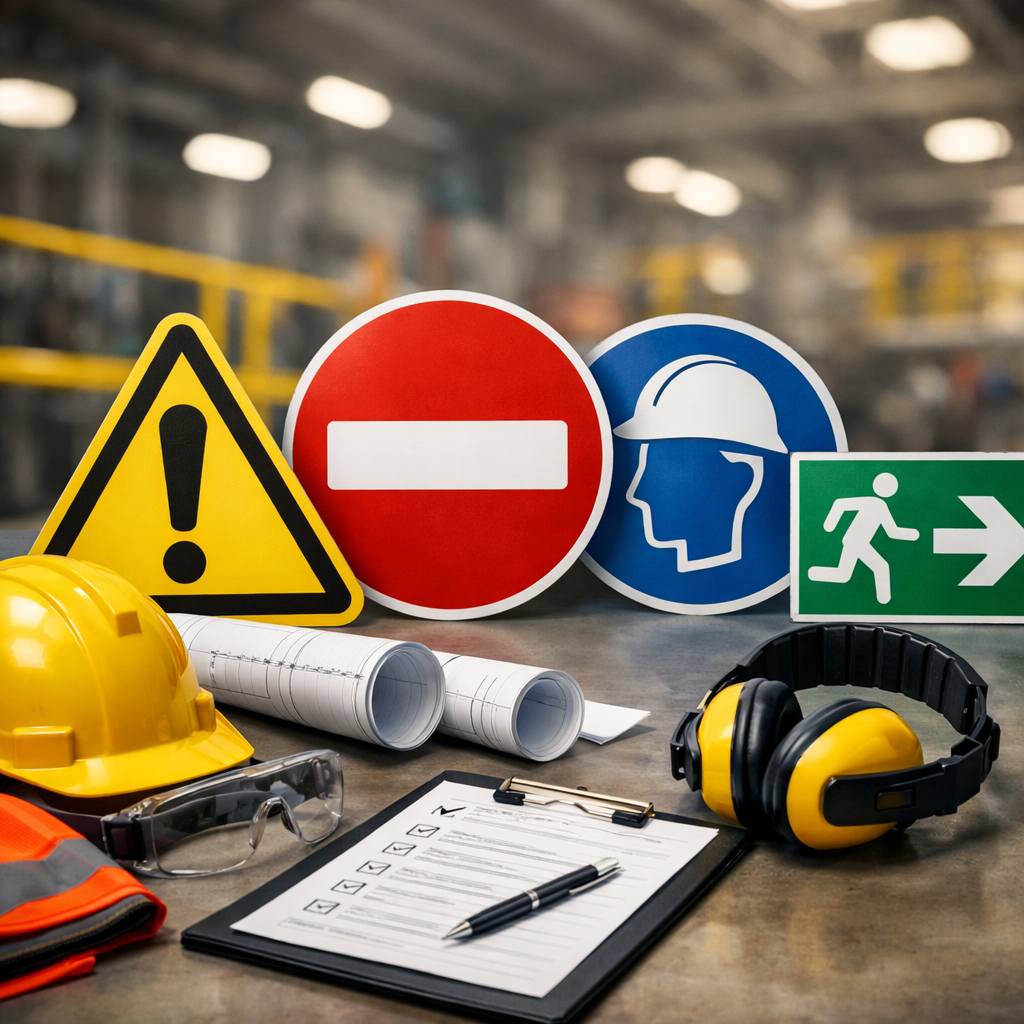
High-risk areas demand quick understanding. Simple wording, recognizable symbols, and strong color contrast make signs easier to read under pressure.
This is particularly important in workplaces with contractors, temporary staff, visitors, or multilingual teams. Standardized symbols and consistent formats improve comprehension and reduce hesitation.
Keep signage consistent across the site
Consistency is another essential part of safety signage best practices. If one building uses different colors, wording, or symbols for the same hazard, confusion can follow.
A site-wide standard helps workers know exactly what each sign means. This is also useful during onboarding and refresher training. Many employers support this with documented site rules and internal resources such as workplace risk assessment guides and PPE policy checklists.
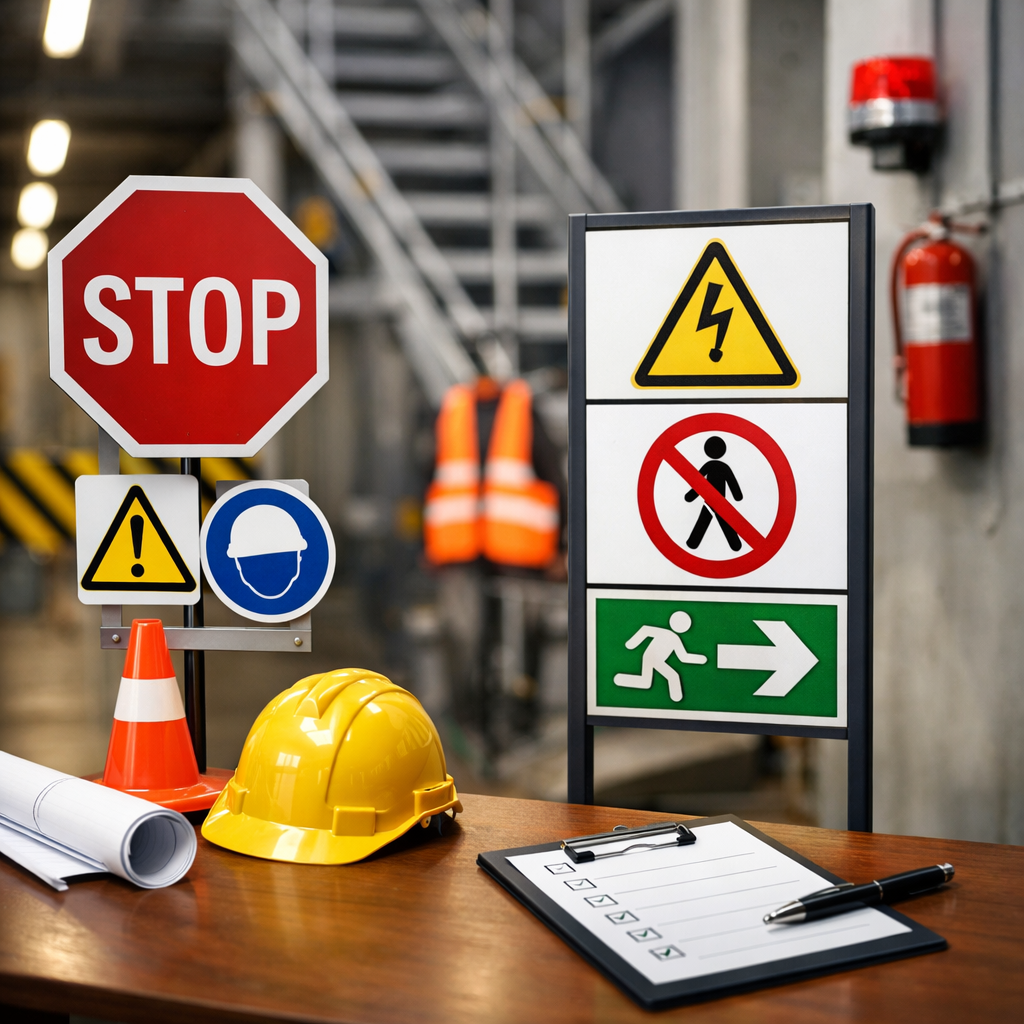
| Sign Type | Common Use in High-Risk Areas | Key Purpose |
|---|---|---|
| Warning | Forklift routes, high voltage rooms, chemical hazards | Alerts people to a serious hazard |
| Mandatory | Hard hat, respirator, gloves, eye protection zones | States an action that must be followed |
| Prohibition | No smoking, no entry, no unauthorized operation | Prevents unsafe behavior |
| Emergency | Exits, eyewash stations, emergency showers, first aid | Guides people during incidents |
Where safety signage helps most and where it fails without proper controls
Safety signs are highly effective when they reinforce a controlled environment. They are not a substitute for guarding, ventilation, lockout procedures, traffic separation, or competent supervision.
This is where many employers get signage wrong. A sign that says “Danger: Moving Machinery” does not protect anyone if machine guards are missing or bypassed. A “Respirator Required” sign is not enough if the air quality hazard has not been assessed and the correct respirator program is not in place.
In other words, signage helps by informing people, but it fails when it is expected to control the hazard on its own.
Apply the Hierarchy of Controls
The best workplaces use safety signage best practices within the broader Hierarchy of Controls. This means first considering elimination, substitution, engineering controls, and administrative controls before relying on PPE and signs alone.
For example:
- Eliminate the hazard by removing unnecessary chemical storage from a production area
- Substitute a less hazardous product where possible
- Install barriers, local exhaust ventilation, machine guarding, or interlocks
- Use procedures, permits, training, and supervision to manage work
- Then support those controls with clear signage and PPE requirements
In a warehouse, floor markings and forklift warning signs help, but they work far better when paired with segregated pedestrian walkways, traffic rules, speed controls, mirrors, lighting, and operator training.
In a laboratory, a sign marking corrosive storage is helpful, but it should be backed by chemical inventory control, spill kits, ventilation, eyewash access, and safe handling procedures aligned with standards from bodies such as ISO and national OHSE regulations where applicable.
How to maintain safety signage best practices over time
Inspect signs regularly
Even well-designed signs lose value if they fade, peel, crack, become blocked, or no longer match the hazards present. Regular inspections should be part of workplace safety checks.
Review whether signs remain readable in poor light, high dust, outdoor weather, or noisy, high-traffic conditions. In some settings, reflective materials or illuminated signs may be necessary.
Update signage after changes
Processes change, layouts change, equipment changes, and incident learnings change. Signage should change too.
If a room is repurposed, a machine is relocated, or a chemical process is updated, old signs should be removed promptly and replaced with accurate information. Outdated signage creates false confidence and undermines trust.
Train workers on what signs mean
Another overlooked part of safety signage best practices is training. Workers should not be left to guess the meaning of symbols, color codes, or area restrictions.
During induction, toolbox talks, and refresher sessions, explain site-specific signage, emergency routes, restricted areas, and task-based warnings. Contractors and visitors should also receive a clear briefing before entering high-risk zones.
Use incident data and worker feedback
If people repeatedly miss a hazard, enter the wrong area, or fail to wear required PPE, the issue may not be worker carelessness alone. The sign may be poorly placed, unclear, too small, visually crowded, or competing with too many messages.
Review near misses, audit findings, and worker feedback to improve placement and design. Often, small changes in location, wording, or size make a major difference.
Practical examples of safety signage best practices in action
In a manufacturing plant, entry signs at a press area may require eye protection, hearing protection, and authorized access only. Those signs are most effective when machine guarding is intact, lockout points are labeled, emergency stops are visible, and supervisors enforce access controls.
On a construction site, fall hazard signs around roof edges and openings are helpful, but they must support real protections such as edge protection, covers, permit systems, and rescue planning.
In a healthcare or laboratory setting, biohazard signs help identify controlled spaces, yet they depend on proper containment, hygiene protocols, waste handling, and worker competency to reduce exposure.
The common lesson is simple: signs work best when they are part of a complete safety strategy. They are communication tools, not physical barriers.
Ultimately, safety signage best practices help high-risk workplaces communicate danger clearly, guide safer behavior, and support compliance with OHSE expectations. The strongest results come from using accurate, visible, well-maintained signs alongside the Hierarchy of Controls, worker training, and regular review. When employers understand where signage helps and where it fails without proper controls, they build safer environments that protect people far more effectively.