
Toolbox Talk Ideas That Keep Safety Top of Mind


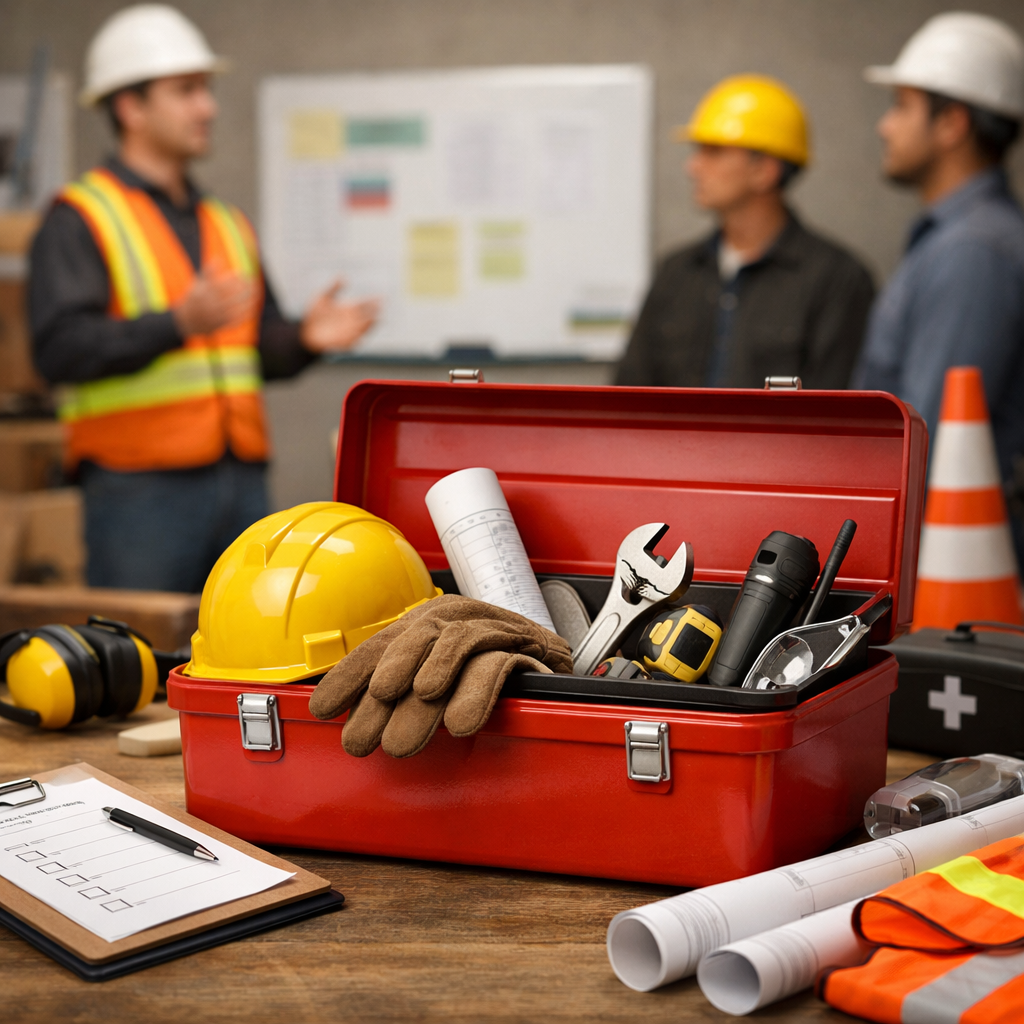
Toolbox talk ideas can make the difference between a routine safety meeting and one that truly changes behavior on the job. When short, focused talks are planned around real hazards, they help workers stay alert, understand expectations, and speak up before an incident occurs.
For supervisors, the goal is not just to “tick the box.” It is to keep safety visible every day in a way that feels practical and relevant. Good toolbox talks connect directly to the site, the task, and the people doing the work. They also reinforce legal duties and best practices recognized by organizations such as OSHA and CCOHS.
Below are simple, effective toolbox talk ideas that help keep safety top of mind, along with ways to make each talk more engaging and useful in real workplace conditions.
Why toolbox talk ideas matter on busy worksites
Workplaces move fast. Construction crews, warehouse teams, maintenance staff, landscapers, and field service workers often deal with changing conditions, tight deadlines, and multiple hazards at once. That is exactly why short safety discussions remain valuable.
Well-chosen toolbox talk ideas give teams a chance to pause, identify current risks, and confirm controls before work starts. These talks can also improve reporting, reduce complacency, and support a stronger safety culture.

What makes a toolbox talk effective
The best talks are brief, specific, and tied to the day’s work. Instead of covering broad policy language, focus on one issue workers may actually face that shift.
- Choose one topic only
- Use a real example from the site
- Explain the hazard, risk, and control measures
- Ask workers for input
- Confirm who is responsible for each control
- End with one clear takeaway
Supervisors can strengthen talks even further by applying the Hierarchy of Controls: eliminate the hazard where possible, substitute safer methods or materials, use engineering controls, add administrative controls, and rely on personal protective equipment as the last layer rather than the first.
Practical toolbox talk ideas for everyday hazards
Many of the best toolbox talk ideas come from common incidents and near misses. If a topic is relevant to what workers see every day, they are more likely to pay attention and remember it.
Slips, trips, and falls
This is one of the easiest and most important topics to cover. A quick talk can focus on wet surfaces, uneven ground, poor housekeeping, loose cords, icy walkways, or incorrect ladder setup.
Control measures may include better cleanup routines, improved lighting, anti-slip footwear, designated access routes, or replacing damaged walking surfaces. On elevated work, discuss guardrails, fall restraint, and inspection of fall protection gear.
Manual handling and strains
Manual handling injuries are common across many industries, not just construction. A toolbox talk can cover awkward lifts, pushing and pulling, repetitive tasks, or poor posture when handling tools and materials.
Make the discussion practical by asking workers what loads are hardest to move. Then review controls such as mechanical aids, team lifting, reducing load size, redesigning storage height, and planning the route before moving material.
Hand and power tool safety
Simple reminders about inspection, guarding, safe use, and storage can prevent serious injuries. Discuss damaged cords, missing guards, the wrong tool for the job, battery charging risks, and the importance of taking defective tools out of service.
For extra value, bring an actual tool to the meeting and ask the crew to identify what to check before use.
Vehicle and equipment awareness
Forklifts, loaders, delivery vehicles, and mobile plant create struck-by and caught-between risks. A strong toolbox talk can focus on blind spots, spotter communication, pedestrian separation, reversing procedures, and seat belt use.

Where possible, link the topic to your site traffic plan or internal resources such as workplace safety checklists and incident reporting best practices.
Toolbox talk ideas for higher-risk work and seasonal changes
Some toolbox talk ideas should be scheduled around specific seasons, weather conditions, or high-risk tasks. This keeps talks timely and helps teams prepare before conditions become dangerous.
Heat stress and cold stress
Outdoor crews and hot indoor environments need regular reminders about hydration, shade, rest breaks, and recognizing early symptoms of heat illness. In winter, focus on layered clothing, warm-up breaks, frostbite, reduced visibility, and slippery conditions.
These topics work best when supervisors connect them to the day’s forecast rather than speaking in general terms.
Working at heights
For any job involving roofs, scaffolds, ladders, platforms, or open edges, this should be a frequent topic. Review inspection requirements, tie-off points, rescue planning, and the need to protect workers below from dropped objects.

For technical guidance, many supervisors refer to HSE work at height guidance alongside internal procedures.
Hazardous substances and respiratory protection
Dust, fumes, solvents, silica, and cleaning chemicals all deserve attention. A good talk should cover how exposure happens, what health effects may occur, and which controls are most effective.
This is a good place to explain the Hierarchy of Controls in plain language. For example, wet cutting may reduce dust better than relying only on respirators. Local exhaust ventilation may be more reliable than just opening a door. PPE still matters, but it should support stronger controls rather than replace them.
Lockout, isolation, and stored energy
Maintenance work often involves electrical, mechanical, hydraulic, pneumatic, or thermal energy sources. Toolbox talks on this topic should be clear and direct: identify the energy source, isolate it, verify zero energy, and never bypass procedure for speed.
Supervisors can use real examples from equipment servicing, jam clearing, and repairs to show how serious this hazard can be.
How supervisors can keep toolbox talk ideas engaging
Even strong toolbox talk ideas can lose impact if the delivery feels repetitive. Workers respond better when talks are interactive, relevant, and respectful of their experience.
Use short, focused formats
A toolbox talk does not need to be long to be effective. Five to ten minutes is often enough when the message is clear. Avoid reading from a sheet word for word. Instead, use notes and speak directly about the work ahead.
Ask questions workers can answer
Engagement improves when workers participate. Ask simple questions such as:
- What is the main hazard in today’s task?
- What control can fail if we rush?
- Have we seen a near miss like this before?
- What would make this job safer today?
This turns the meeting into a conversation rather than a lecture.
Rotate speakers and use real examples
Supervisors do not need to lead every talk alone. Lead hands, operators, safety reps, or experienced workers can present short topics. Rotating speakers keeps the format fresh and shows that safety is everyone’s responsibility.
Real incidents, near misses, and site observations also make talks more memorable. A recent housekeeping issue or damaged extension cord on-site has far more impact than a generic script.
Keep a simple toolbox talk planning schedule
Planning ahead helps ensure a good mix of topics. Here is a simple example:
| Week | Toolbox Talk Topic | Workplace Focus | Key Control |
|---|---|---|---|
| Week 1 | Slips, trips, and falls | Access routes and housekeeping | Clean-as-you-go inspections |
| Week 2 | Manual handling | Material movement | Mechanical aids and team lifts |
| Week 3 | Working at heights | Roof and ladder tasks | Inspection and fall protection |
| Week 4 | Heat stress | Outdoor summer work | Water, shade, and break planning |
It also helps to document attendance, note any worker concerns, and follow up on unresolved hazards after the meeting. That follow-through shows workers that the talk was meaningful and not just routine paperwork.
Building a safer culture with consistent toolbox talk ideas
Safety culture is built through repetition, relevance, and action. The most useful toolbox talk ideas are not complicated. They focus on real work, real hazards, and real controls that people can apply immediately.
Supervisors who keep talks short, practical, and interactive are more likely to hold attention and improve safe decision-making on the job. Over time, those small daily conversations can lead to better hazard awareness, stronger reporting, and fewer incidents.
In the end, the best toolbox talk ideas are the ones that workers remember when it matters most: before they lift, climb, drive, cut, isolate, or begin any task that could put them at risk. When safety stays top of mind, the entire workplace benefits.
No comments yet