


warehouse night shift safety: Practical OHSE Strategies for Safer Overnight Operations


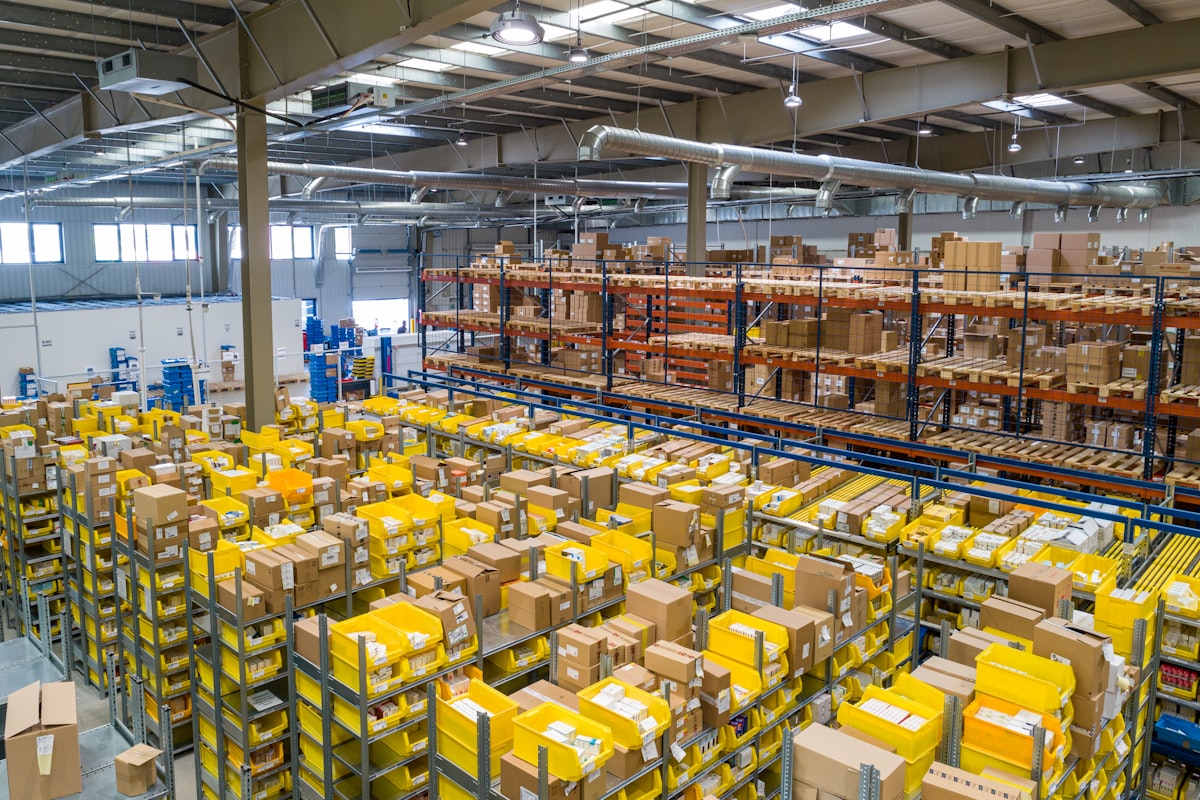
warehouse night shift safety is a critical OHSE priority for employers, supervisors, and workers who keep supply chains moving after dark.
Night operations often involve reduced visibility, fatigue, lower staffing levels, and limited access to immediate support, all of which can increase the chance of incidents if controls are weak.
In a busy warehouse, overnight teams may be picking orders, loading vehicles, operating forklifts, restocking racks, and cleaning work zones while trying to maintain production targets.
That combination of physical work and off-peak conditions creates a unique risk profile that daytime procedures do not always address well.

A strong warehouse night shift safety program should cover hazard identification, fatigue management, traffic control, PPE, emergency readiness, and compliance with OHSE standards.
It should also include practical supervision and worker consultation so that controls reflect real conditions on the floor rather than only what is written in a manual.
Why warehouse night shift safety needs a different approach
Night shifts bring hazards that are not always obvious during normal business hours.
Even in a well-run facility, reduced alertness can affect judgment, reaction time, communication, and coordination.
Fatigue is one of the most significant issues in warehouse night shift safety because tired workers are more likely to miss signals, take shortcuts, or make errors while using mobile plant and equipment.

Poor lighting is another common concern.
Shadowed aisles, dim loading docks, and glare around vehicle entry points can make pedestrians harder to see and obscure obstacles, spills, or damaged pallet loads.
Security risks may also increase at night, particularly in warehouses with fewer supervisors, contractors working after hours, or isolated external yards.
Emergency response can be slower too, especially if first aiders, maintenance personnel, or management contacts are limited onsite.
Common risks during overnight warehouse work
- Fatigue-related errors during picking, scanning, driving, or manual handling
- Forklift and pedestrian collisions in low-light or congested areas
- Slips, trips, and falls caused by spills, debris, uneven surfaces, or poor housekeeping
- Manual handling injuries from repetitive lifting and awkward postures
- Loading dock incidents involving trailers, dock plates, or edge protection failures
- Inadequate supervision leading to unsafe shortcuts or unreported hazards
- Delayed emergency response during medical events, fires, or equipment failures
Practical examples are easy to find.

A tired forklift operator reversing out of a racking aisle may fail to notice a picker crossing a shared pathway.
A packer working alone in a dim dispatch zone may slip on shrink wrap left on the floor because routine housekeeping checks were missed during the busy final hours of the shift.
Core controls for warehouse night shift safety using the Hierarchy of Controls
Effective warehouse night shift safety should follow the Hierarchy of Controls rather than relying on PPE alone.
That means employers should first try to remove hazards where possible, then reduce exposure through engineering and administrative measures before depending on personal protective equipment.
Applying the Hierarchy of Controls in a warehouse
| Control level | Warehouse example | Night shift benefit |
|---|---|---|
| Elimination | Remove unnecessary pedestrian access from active forklift zones | Reduces collision exposure completely in certain areas |
| Substitution | Use safer lifting aids instead of repeated manual handling | Lowers strain risk when workers are fatigued |
| Engineering controls | Install brighter LED lighting, motion sensors, barriers, mirrors, and dock restraints | Improves visibility and equipment separation at night |
| Administrative controls | Traffic plans, fatigue policies, inspections, training, and scheduled breaks | Supports safer behavior and consistent supervision |
| PPE | High-visibility clothing, safety footwear, gloves, and hearing protection | Adds a final layer of protection when other controls are in place |
Engineering controls often have the strongest immediate impact on warehouse night shift safety.

Better lighting in aisles, dock areas, battery charging stations, and yard crossings can significantly reduce incidents.
Clearly marked pedestrian walkways, guardrails, speed-limiting devices, blue safety lights on forklifts, and reversing alarms also help workers identify moving hazards sooner.
Administrative controls should reinforce those physical measures.
For example, a site may introduce pre-shift equipment inspections, mandatory housekeeping checks every two hours, staggered breaks, and a rule that no worker enters a trailer until it is secured and communication with the driver is confirmed.
You can support these measures with clear procedures in your safety management system and routine reviews of warehouse risk assessments.
PPE and safe work practices for warehouse night shift safety
PPE is an important part of warehouse night shift safety, but it should never be the only control.
Workers need PPE that matches the hazards of their tasks and the conditions of overnight work.
High-visibility clothing is especially important because visibility is naturally reduced at night and in enclosed areas with moving plant.
Essential PPE for night warehouse operations
- High-visibility vests or shirts suitable for indoor and outdoor movement areas
- Slip-resistant safety footwear to reduce fall risks on warehouse floors and docks
- Gloves selected for handling cartons, pallets, straps, or sharp packaging materials
- Hearing protection in noisy areas where alarms and communication are still clearly managed
- Hard hats where overhead storage or lifting hazards exist
- Eye protection for cleaning, maintenance, battery charging, or tasks with flying particles
Good PPE programs also include fit, condition, replacement, storage, and worker training.
Reflective strips on hi-vis garments should be inspected regularly because damaged or dirty clothing is far less effective in low light.
Footwear should be checked for worn soles, especially in environments with frequent pallet wrap, moisture, or oil contamination.
Safe work practices that make a real difference
Simple routines can greatly improve warehouse night shift safety.
Supervisors should begin each shift with a brief toolbox talk covering workload, staffing, traffic risks, weather if outdoor loading is involved, and any unusual tasks.
Workers should know who the first aider is, how to report a hazard, and what to do if equipment fails during the night.
Practical measures include keeping aisles clear, enforcing speed limits, using spotters where needed, and separating pedestrians from forklifts wherever possible.
A realistic example is a distribution center that introduced a ten-minute mid-shift stretch and hydration break for selectors working in ambient and chilled zones.
That simple change reduced reported fatigue and improved attention during the final hours of the shift.
Another example is a warehouse that placed illuminated stop signs and floor sensors at blind intersections, leading to fewer near misses involving pallet jacks and forklifts.
Fatigue management, compliance, and emergency readiness
Fatigue management sits at the center of warehouse night shift safety.
Workers on overnight schedules may experience disrupted sleep patterns, reduced concentration, and slower reactions even when they are experienced and competent.
Employers should manage fatigue as a workplace hazard, not a personal issue left entirely to workers.
Reasonable shift scheduling, adequate breaks, job rotation, access to drinking water, temperature control, and realistic productivity targets all help reduce fatigue-related risk.
Where overtime is common, supervisors should watch for signs such as slowed responses, irritability, repeated mistakes, and forgetfulness.
Policies should allow workers to report fatigue concerns without fear of criticism.
OHSE compliance and guidance
Compliance is another major part of warehouse night shift safety.
Employers should ensure their systems align with local work health and safety laws, consultation duties, training requirements, and equipment safety obligations.
Useful guidance is available from OSHA warehousing resources and the Canadian Centre for Occupational Health and Safety (CCOHS).
Lighting, emergency procedures, traffic management, PPE, and manual handling controls should all be documented, implemented, and reviewed.
Incident trends from night shift operations should be tracked separately where possible because overnight risk patterns are often different from day shift data.
Employers may also refer to broader guidance on fatigue and working hours from agencies such as HSE when building shift-related controls.
Emergency readiness after dark
Night teams must be ready to respond to fire, medical events, chemical exposure, security issues, and equipment incidents with fewer people onsite.
Emergency exits, muster points, alarms, spill kits, eyewash units, and first aid stations should be visible, accessible, and checked routinely.
Communication systems must work across the whole site, including remote yards and loading areas.
If lone work cannot be avoided, there should be clear check-in procedures and escalation steps.
Regular drills should include realistic night conditions so workers can practice under the same lighting and staffing levels they actually face.
In the end, warehouse night shift safety depends on recognising that overnight work is not simply daytime work done later.
It requires targeted risk controls, suitable PPE, strong supervision, compliance with OHSE expectations, and practical systems that reflect real warehouse conditions.
When employers combine better lighting, traffic separation, fatigue management, training, and emergency preparedness, warehouse night shift safety improves in measurable ways.
A safer night shift protects workers, supports productivity, and strengthens the reliability of the entire operation.