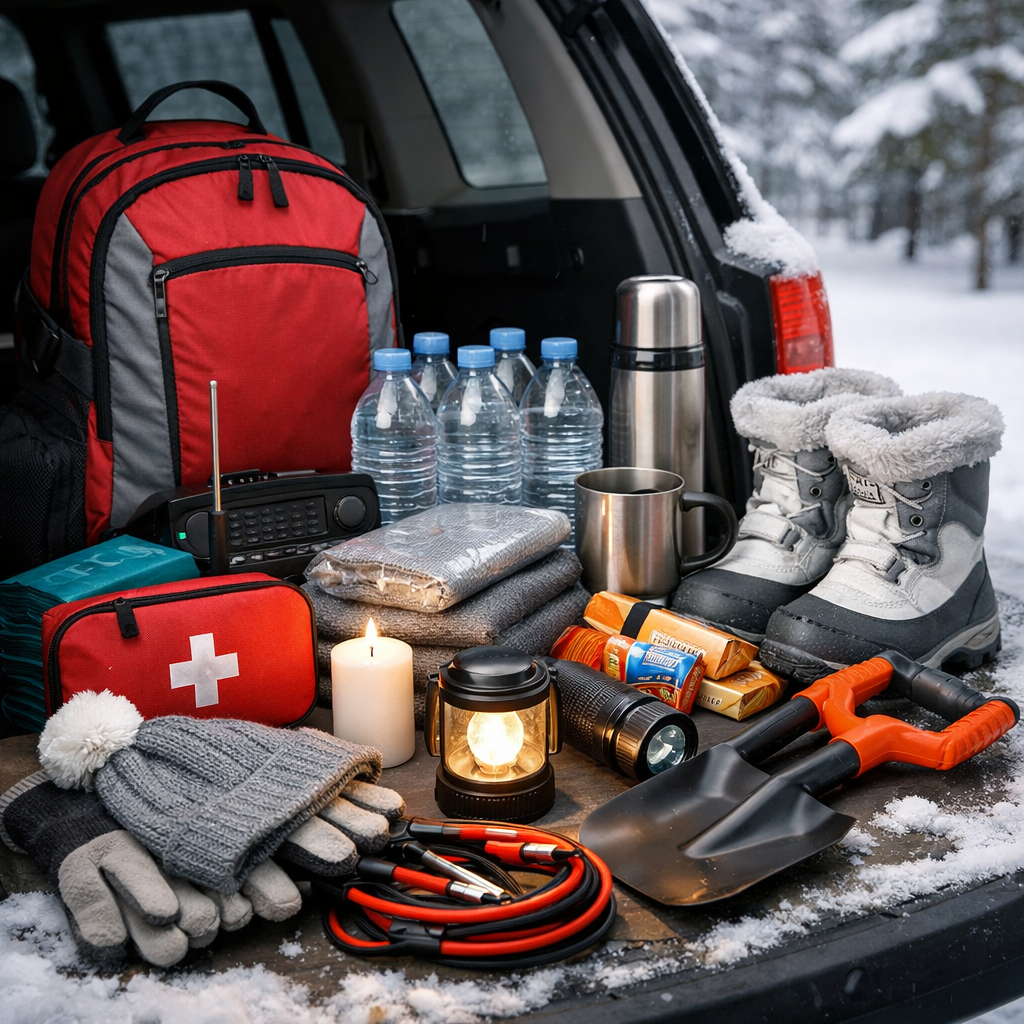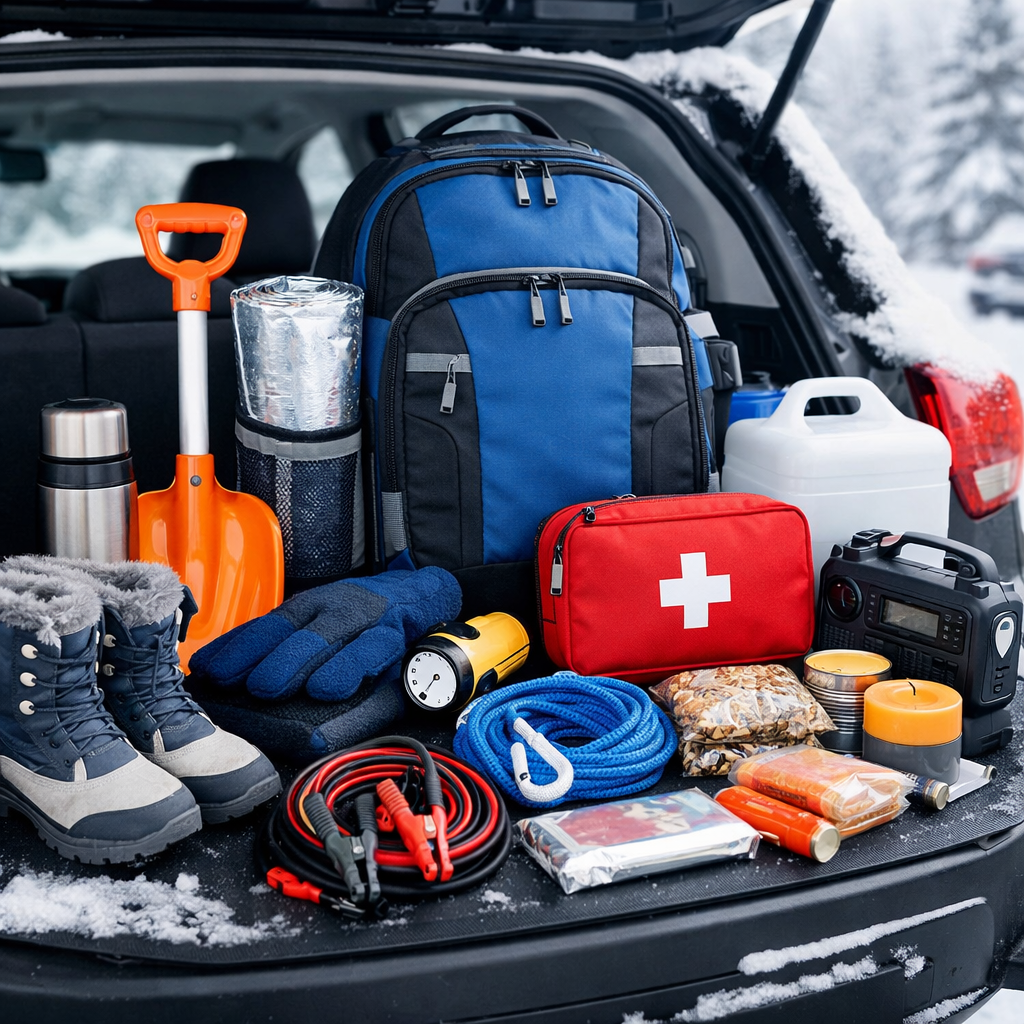

Winter emergency kit for families planning should start before the forecast turns serious. In Ontario and across Canada, snowstorms, freezing rain, wind, and power outages can disrupt school, work, travel, heat, and communication with very little warning.
A well-prepared kit helps families stay safer, calmer, and more comfortable while waiting for conditions to improve or for local guidance to arrive. For parents, students, and young workers, the goal is simple: have essential supplies ready, know where they are, and make sure everyone in the home understands the plan.
This practical guide explains what to pack, how to store it, and how to adjust your supplies for children, older adults, pets, and winter travel. It is prevention-focused and designed for Canadian households that want a realistic, useful setup rather than an oversized or complicated stockpile.
Why a winter emergency kit for families matters
Severe winter weather can create several safety problems at the same time. Roads may become unsafe, transit can be delayed, schools or workplaces may close early, and a power outage can affect lighting, heating, cooking, and charging devices.
That is why a winter emergency kit for families should support sheltering at home first, while also covering the possibility of leaving quickly if local authorities, your school, employer, landlord, or emergency officials advise it. A family kit is not just about comfort. It also reduces exposure to cold, improves communication, and lowers the chance of rushed decisions.
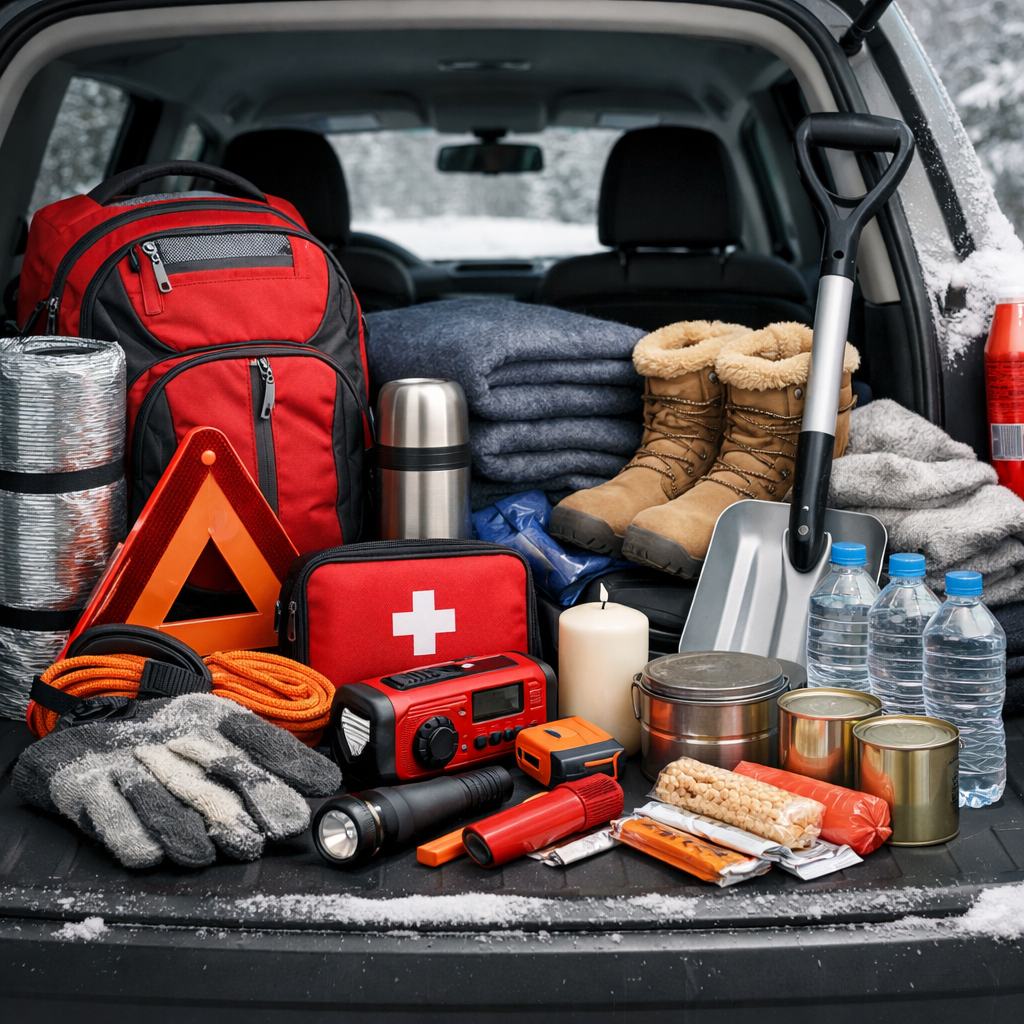
In a home setting, it helps to think in layers:
- Basic survival needs: water, food, warmth, light, and medications
- Communication needs: charged devices, batteries, and written contact information
- Household safety needs: flashlights, first aid items, hygiene supplies, and weather-appropriate clothing
- Family-specific needs: baby supplies, school items, mobility aids, pet food, and comfort items
Reliable public guidance from CCOHS, Ontario.ca, and Health Canada can support your household planning. For broader home and workplace safety resources, families can also review information at OHSE.ca.
What to pack in a winter emergency kit for families
The best winter emergency kit for families is easy to carry, easy to check, and tailored to the people who will actually use it. Store items in a sturdy plastic bin or waterproof bags, and keep the kit in a location that all responsible family members can access.
Core supplies for home
- Drinking water in sealed containers
- Non-perishable food that does not require complicated preparation
- Manual can opener if needed
- Flashlights and extra batteries
- Battery-powered or crank radio
- Fully stocked first aid kit
- Required prescription medications and basic personal care items
- Blankets, sleeping bags, and extra warm clothing
- Toques, mitts, warm socks, and sturdy indoor footwear
- Phone charging cables and backup power banks
- Copies of important documents in a waterproof pouch
- Cash in small amounts if electronic payment systems are unavailable
- Matches or a lighter stored safely and legally, if appropriate for your household
- Hygiene items such as tissues, wipes, garbage bags, and sanitizer
Family-specific winter additions
- Infant formula, bottles, diapers, and wipes
- Items for children such as snacks, books, and comfort objects
- Extra eyeglasses, hearing aid batteries, or mobility-related supplies
- Pet food, water bowls, leash, and waste bags
- School or work contact lists and any essential schedule information
If someone in the household depends on medical equipment, follow manufacturer guidance and local emergency planning advice. Keep backup power planning realistic and specific to your home.
Simple packing guide
| Category | What to include | Why it matters in winter |
|---|---|---|
| Warmth | Blankets, layered clothing, hats, mitts, socks | Helps reduce cold stress if heating is interrupted |
| Food and water | Stored water, ready-to-eat food, manual opener | Supports sheltering in place during closures or outages |
| Lighting and information | Flashlights, batteries, radio, power banks | Improves visibility and access to updates |
| Health and hygiene | First aid kit, medications, sanitizer, tissues | Supports everyday care when travel is limited |
| Family needs | Baby items, pet supplies, documents, contact list | Prevents last-minute scrambling under stress |
How to prepare your home and use a winter emergency kit for families safely
Packing supplies is only one part of winter readiness. A winter emergency kit for families works best when paired with a basic household plan.
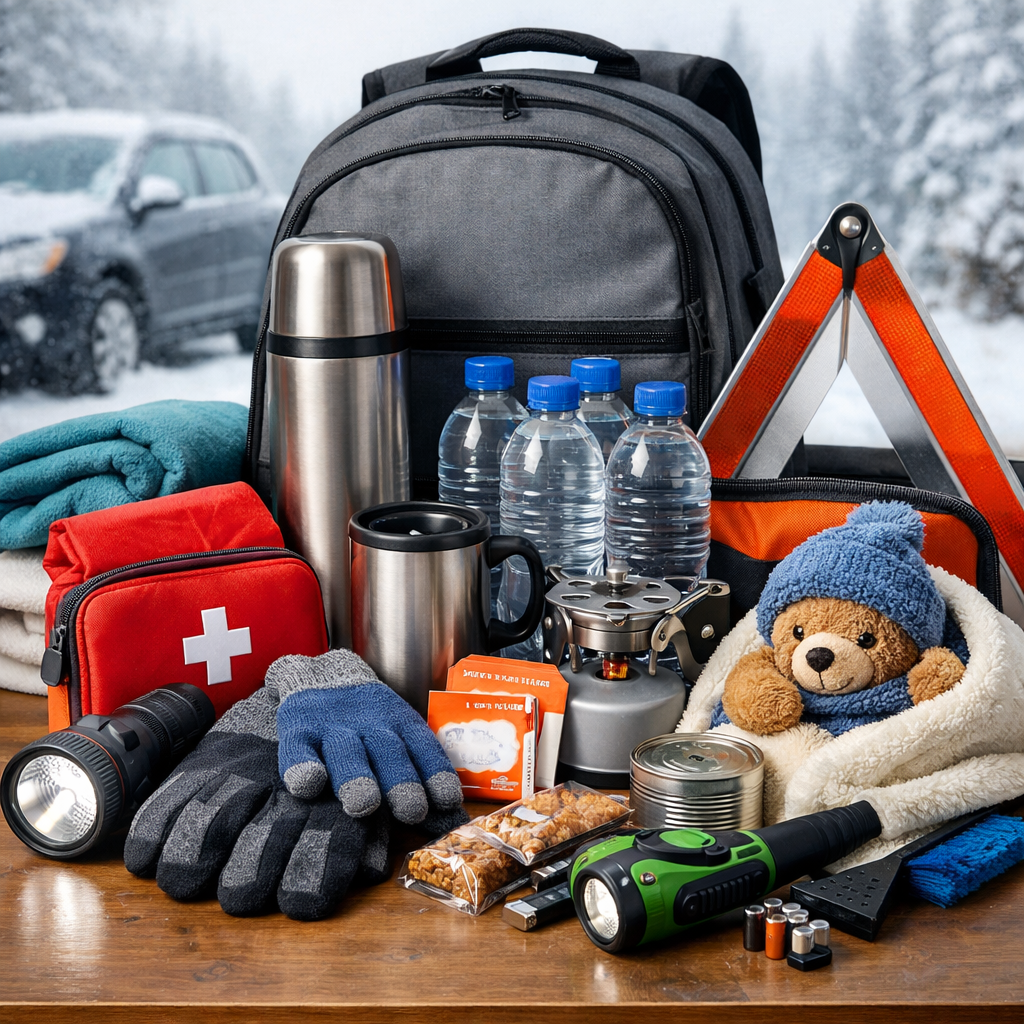
Choose one main storage spot and a smaller grab-and-go bag if your family may need to leave quickly. Make sure older children know where flashlights, blankets, and contact lists are kept. If teens travel to school, sports, or work independently, they should also carry a smaller personal winter pouch with extra gloves, a hat, a snack, and a charged phone.
Use a prevention-focused approach
The safety principle is similar to the workplace Hierarchy of Controls: reduce risk before an emergency becomes more serious.
- Eliminate or reduce exposure: avoid non-essential travel during severe weather
- Substitute safer choices: use battery lighting instead of candles where possible
- Engineering and household controls: weatherstrip doors, maintain smoke and carbon monoxide alarms, and keep entryways clear
- Administrative controls: create a family check-in plan, review school and employer closure procedures, and assign simple tasks
- Personal protective measures: wear layered winter clothing and proper footwear if going outside is necessary
If your family includes young workers with part-time jobs, remind them to follow workplace instructions, winter footwear policies, and safe travel guidance. Schools, employers, landlords, and local emergency services may all have different procedures, so the best plan is one that connects household preparation to those official directions.
Families looking to build stronger safety habits can also explore general training resources at learn.ohse.ca.
Winter vehicle items and a short checklist for families
Even if your main winter emergency kit for families stays at home, many Canadian households also need a smaller vehicle kit. Winter driving can involve delays, road closures, or long waits for assistance, especially during storms or extreme cold.
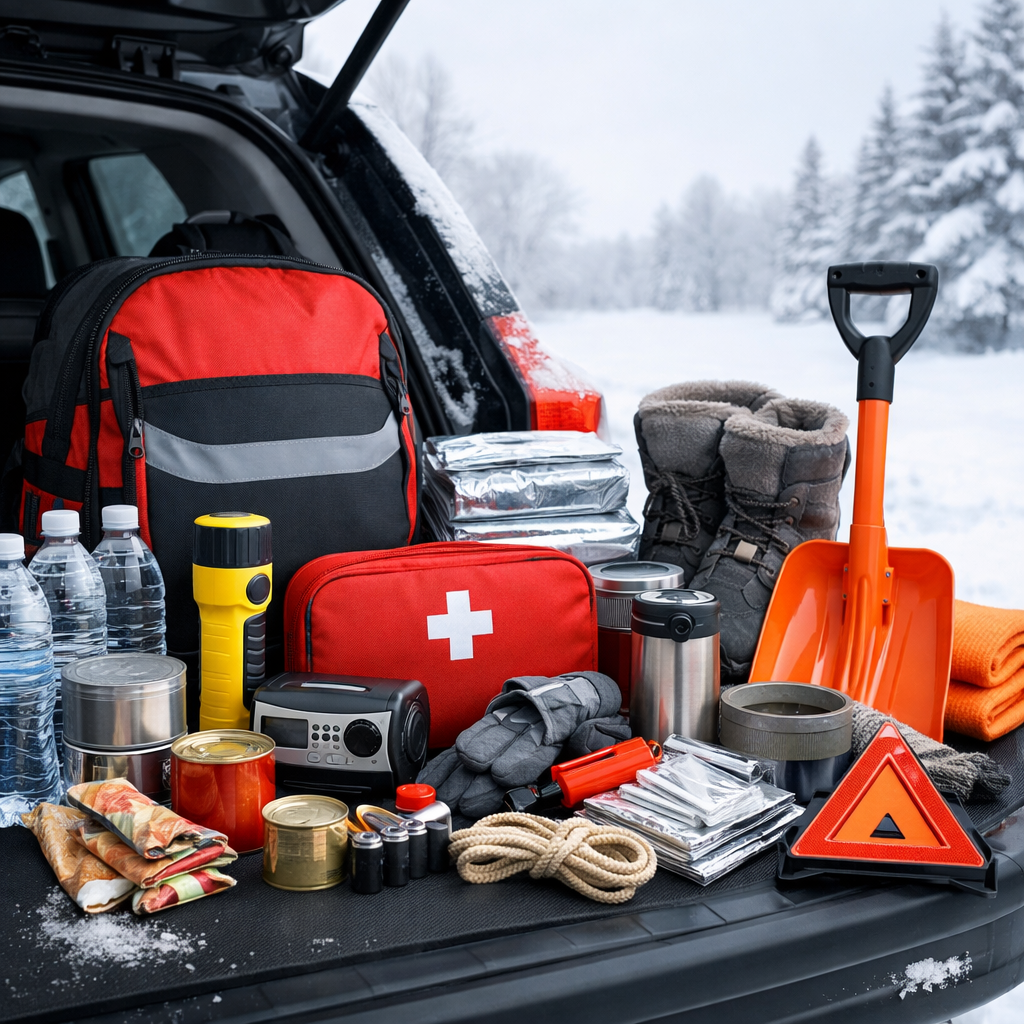
What to keep in the vehicle
- Warm blankets and extra clothing
- Ice scraper and small snow brush
- Non-perishable snacks and drinking water suitable for winter storage practices
- Phone charger compatible with the vehicle
- Flashlight with extra batteries
- Small shovel if appropriate for your vehicle and region
- Traction aid such as sand or cat litter if used safely
- Reflective vest or visibility item if you must exit the vehicle in a safer location
Before winter travel, check tires, fuel level, washer fluid, and battery condition, and let someone know your route when conditions are poor. If a school trip, youth activity, or work-related travel is involved, follow the organizer’s or employer’s guidance first.
Short actionable checklist
- Pick one location for your family emergency bin today
- Add water, food, light sources, warm layers, and a first aid kit
- Pack medications, baby items, pet supplies, and copies of key documents
- Charge power banks and label charging cables
- Write down family contacts and school or workplace numbers
- Check the kit at the start of each winter month
- Build a smaller car kit if your household drives regularly
A practical winter emergency kit for families does not need to be expensive or complicated. It needs to be complete enough for your household, easy to maintain, and ready before severe weather begins. By packing the basics, reviewing your home plan, and following local school, workplace, manufacturer, and emergency guidance, families in Ontario and across Canada can face winter disruptions with more confidence and less risk.