


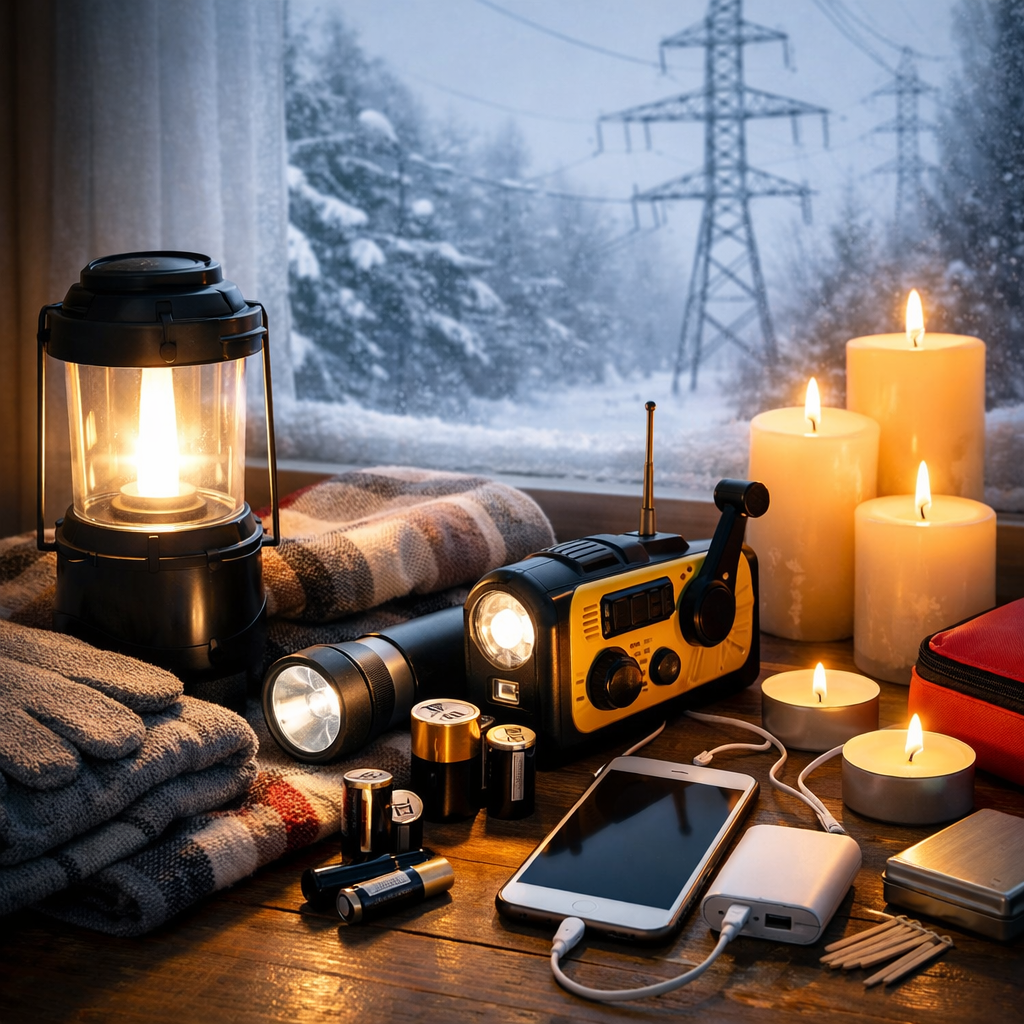


Winter power outage safety starts with calm planning, clear communication, and a few practical supplies that help families stay warm, informed, and organized when the lights go out. In Ontario and across Canada, winter weather can disrupt heat, lighting, internet, and transportation, which can quickly affect home routines, school schedules, and work responsibilities.
A good plan does not need to be complicated. It should help each person know what to do first, how to reduce risks such as cold exposure and fire, and when to follow local school, workplace, building, or emergency guidance. For families, students, and young workers, the goal is simple: stay safe, stay warm, and avoid preventable hazards.
If your household wants a stronger safety routine, practical guidance from OHSE.ca can support everyday preparedness. Where formal safety learning is useful for older students or workers, OHSE training resources may also help build confidence around emergency planning and hazard awareness.
- Why winter power outage safety matters at home, school, and work
- Build a simple winter power outage safety plan before you need it
- Winter power outage safety during the outage: heat, light, and indoor hazards
- Generators, travel, and neighbourhood checks
- After the lights come back: safe recovery and review
Why winter power outage safety matters at home, school, and work
When electricity fails in winter, the main hazards are often indirect. Homes can cool quickly, walkways can become icy, refrigeration can be affected, and dark rooms increase the chance of slips, trips, and falls. Families may also rely on equipment that needs power, including phones, medical devices, sump pumps, space heating systems, and garage door openers.
For students and young workers, outages can also affect school closures, transit delays, and workplace expectations. A teenager working an evening shift, for example, may need a safe travel plan and a charged phone before leaving home. Parents may need backup child-care arrangements if classes are cancelled or buses are delayed.
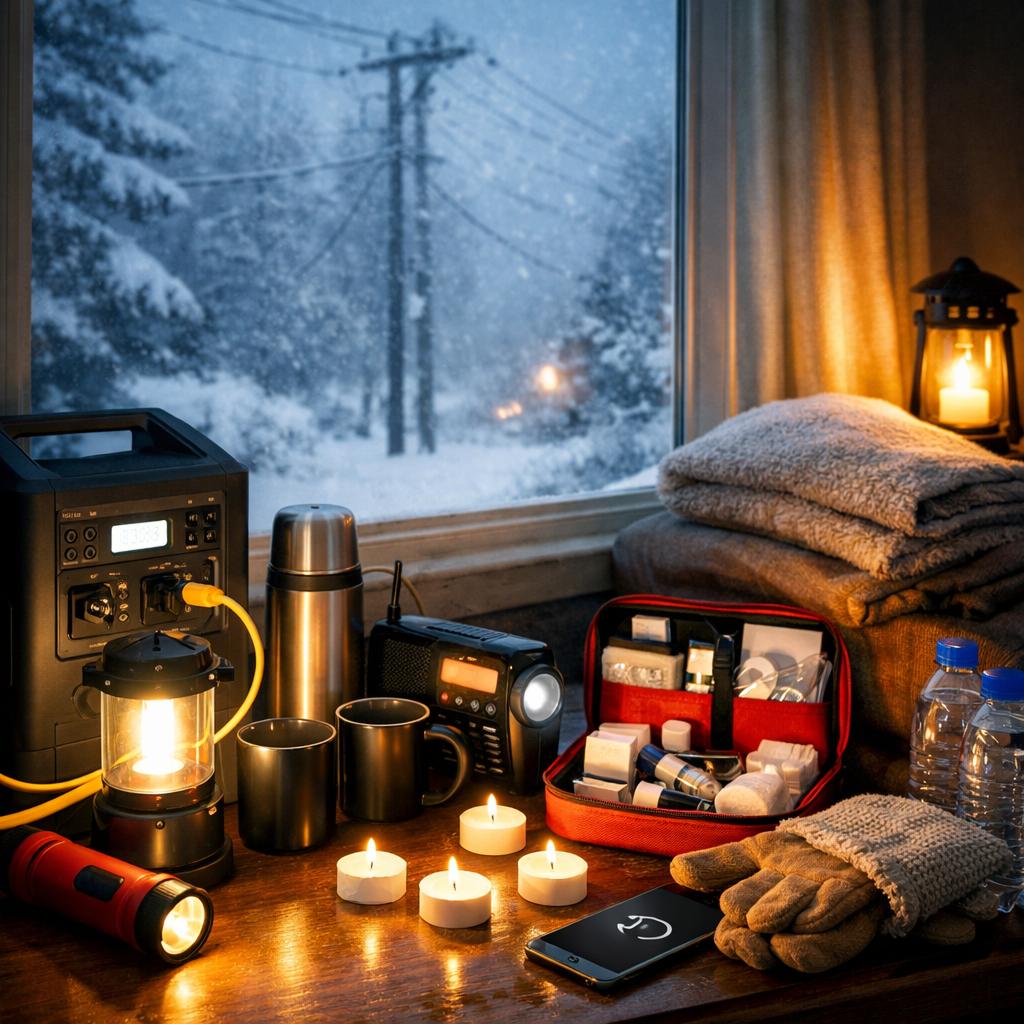
A practical way to think about risk is to use the hierarchy of controls. You may not be able to remove the winter storm itself, but you can reduce harm by preparing your environment, choosing safer equipment, using clear procedures, and making sure everyone knows the plan. Trusted public guidance from CCOHS, Ontario, and Health Canada can support family decisions.
Build a simple winter power outage safety plan before you need it
Start with people, not gear
The best emergency plans begin with household needs. List who lives in the home, who may need extra help, and what could become urgent if the outage lasts several hours or more. This may include infants, older adults, pets, people with mobility needs, or anyone who depends on refrigerated medicine or powered medical equipment.
Next, decide how your family will communicate. Choose an out-of-home contact, identify where flashlights are stored, and agree on a check-in routine. Keep written copies of important phone numbers in case batteries run low.
Create a practical supply kit
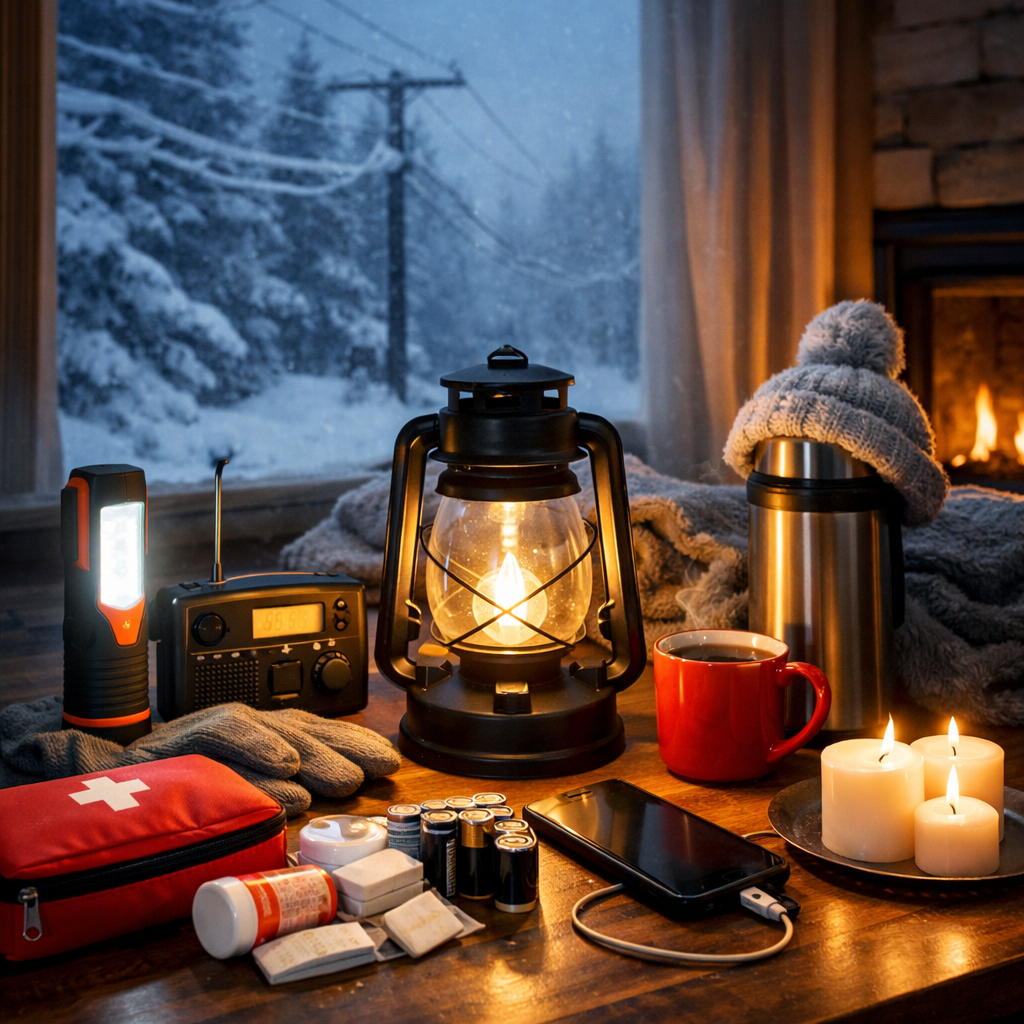
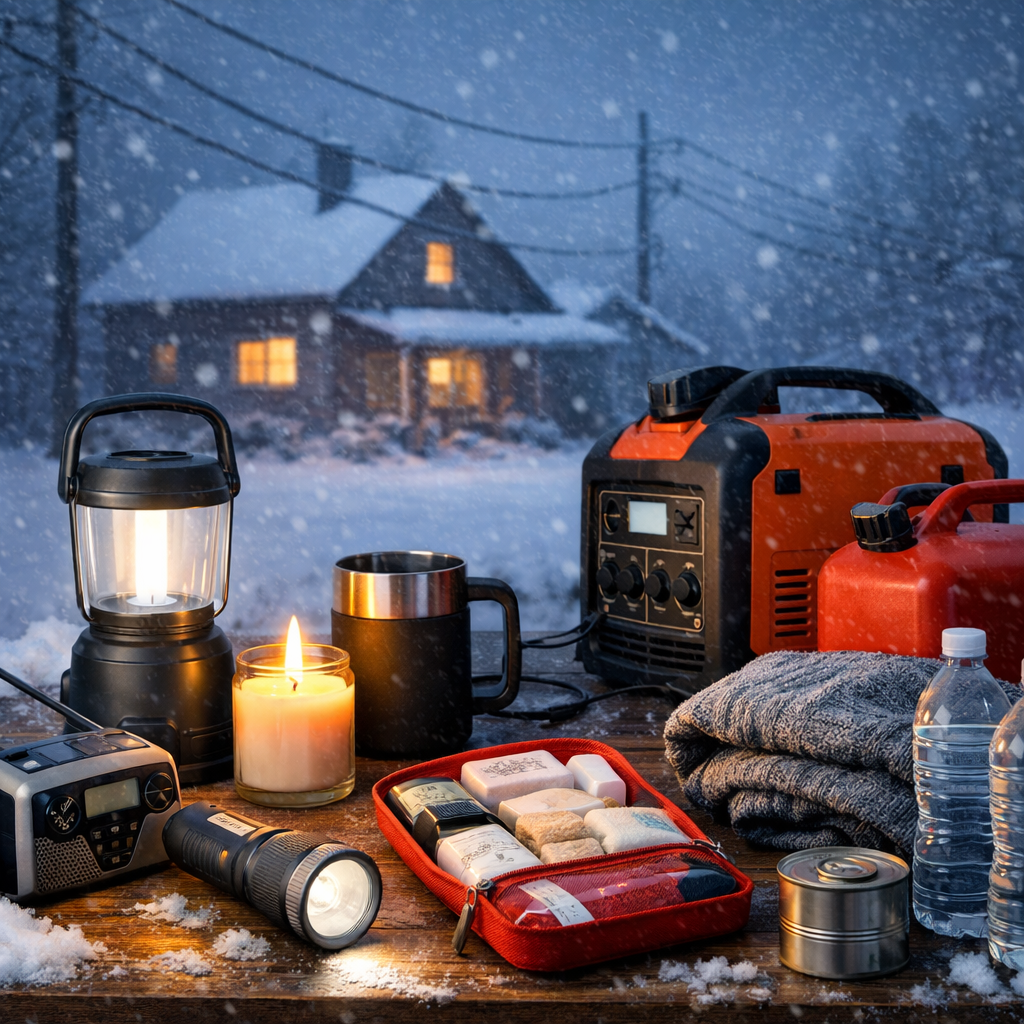
Your kit should be easy to carry, simple to use, and stored where everyone can reach it. Focus on warmth, light, food, water, communication, and basic first aid.
- Flashlights and extra batteries for each main area of the home
- Battery banks or charging packs for phones
- Blankets, sleeping bags, and extra warm clothing
- Non-perishable food that does not require cooking
- Water and infant or pet supplies if needed
- Manual can opener
- First aid supplies
- Medications and copies of essential instructions
- Battery or crank radio for updates
- Salt or sand for icy outdoor walking surfaces
Keep your vehicle prepared too. In Canadian winters, an outage may happen during travel or prevent easy access to stores. A vehicle kit with warm layers, a phone charger, and traction aids can support the broader family plan.
Short actionable checklist
- Charge phones and battery packs before major winter weather
- Refuel vehicles and, where applicable, backup generators according to manufacturer instructions
- Test flashlights and replace weak batteries
- Move blankets, boots, and winter clothing to an easy-to-reach spot
- Set refrigerators and freezers to the proper temperature before storms
- Review your family meeting point and check-in plan
- Follow local school, workplace, landlord, and municipal updates
Winter power outage safety during the outage: heat, light, and indoor hazards
Stay warm safely
During an outage, close doors to unused rooms and gather household members in the safest warm area of the home. Dress in layers and use blankets rather than relying on unsafe heat sources. If your home becomes too cold, follow local guidance about warming centres or alternate shelter options.
Heating devices require special caution. Never use equipment in ways the manufacturer does not permit. Fuel-burning devices can create fire and air hazards, especially when used indoors or near sleeping areas. Follow all product instructions and local emergency guidance.
Use safer lighting and prevent falls
Battery-powered flashlights are usually the safest first choice for lighting. Place one near beds, in hallways, and by stairways. Keep floors clear and avoid rushing in dark areas. If children are in the home, remind them not to play with lighting devices or cooking equipment during an outage.
Winter power outage safety also means thinking about outside surfaces. Entryways, porches, and steps may become slippery if snow melts and refreezes. Wear proper footwear and use salt or sand where appropriate.
Protect food, water, and daily routines
Open the refrigerator and freezer as little as possible. Plan simple meals that use shelf-stable foods first. If your water supply depends on pumps or private systems, prepare for possible interruptions and follow local advice before drinking or using water if quality is uncertain.
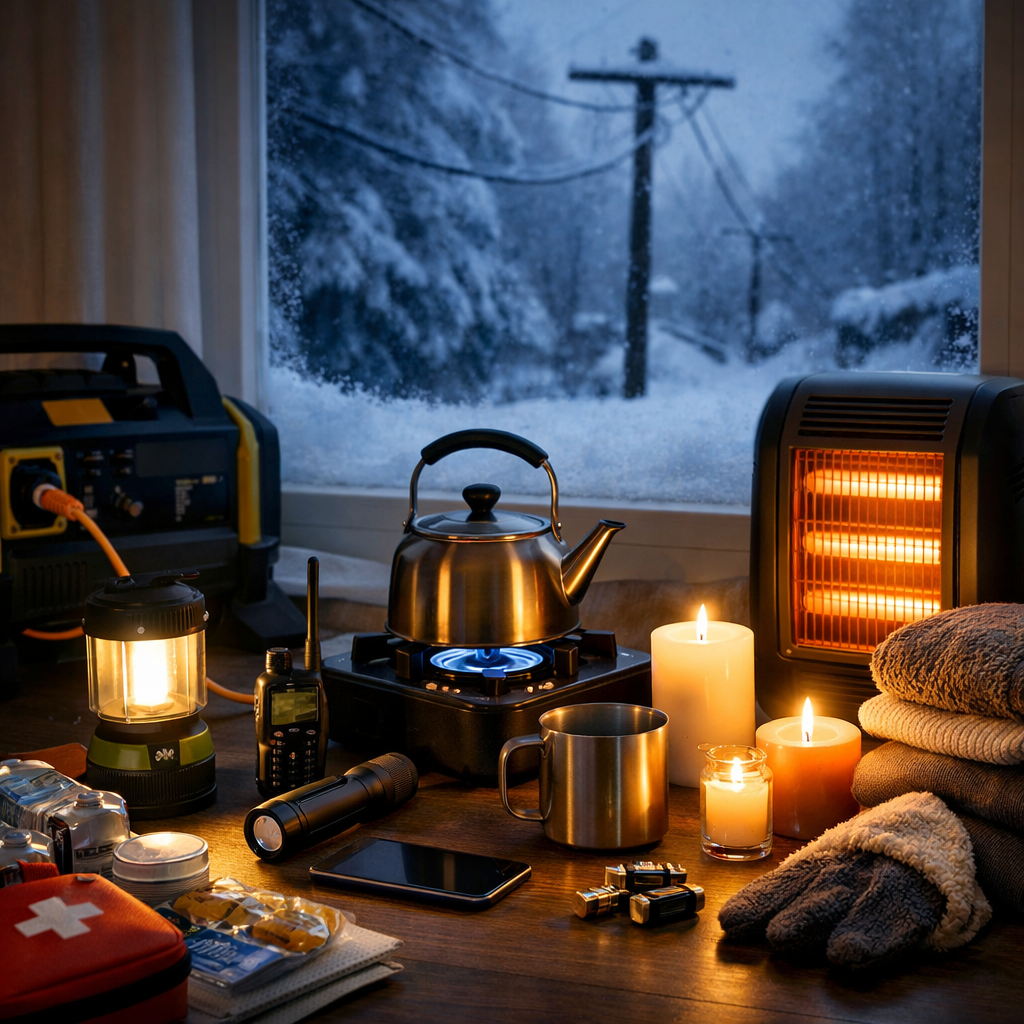
Families with school-age children often benefit from assigning small tasks. One person can monitor device charging, another can gather blankets, and another can check outdoor conditions from a safe location. Clear roles reduce stress and help everyone stay focused.
Generators, travel, and neighbourhood checks
Generator and equipment safety
Generators can help during a prolonged outage, but they also introduce serious hazards if used incorrectly. Follow the manufacturer’s instructions, keep the unit in an appropriate location, and do not improvise electrical connections. If you are unsure how to use backup power equipment safely, ask a qualified professional and review public guidance from approved safety sources.
The same careful approach applies to portable heaters, extension cords, and cooking equipment. Avoid overloaded outlets, damaged cords, and unsafe indoor fuel use. In a family home, one clear rule matters: if an adult is uncertain about the equipment, do not use it until proper guidance is available.
Travel and school or workplace decisions
Not every outage means you should leave home. In severe winter weather, travel may create more risk than staying put. Check local updates before driving, walking long distances, or sending teens to work or activities. If a school or employer provides outage procedures, follow them.
Young workers should tell a supervisor early if weather or a home outage affects safe travel, sleep, medication storage, or communication. Parents can help teens review workplace expectations in advance, especially for evening or early-morning shifts.
A quick household reference table
| Situation | Main Risk | Practical Action |
|---|---|---|
| Home losing heat | Cold exposure | Layer clothing, gather in one warm room, follow local guidance for alternate shelter if needed |
| Dark hallways or stairs | Trips and falls | Use flashlights, clear clutter, move slowly, supervise children |
| Using backup power | Fire or equipment misuse | Follow manufacturer instructions and use only as intended |
| Travelling during an outage | Road and weather hazards | Delay travel when possible and check school or workplace updates first |
After the lights come back: safe recovery and review
When power returns, restart your home carefully. Turn on only the equipment you need first, check that cooking devices are off, and confirm that heating systems are operating normally. Walk through the home for leaks, water problems, or icy areas that may have developed during the outage.
This is also the right time to restock supplies, recharge batteries, and review what worked. Did everyone know where the flashlights were? Was the family contact plan clear? Did older children or young workers understand how to update school or job contacts? Small improvements now make the next event easier to manage.
Winter power outage safety is really about preparation, supervision, and simple decisions that reduce risk before stress builds. With a practical plan, a well-stocked kit, and trusted guidance from organizations such as CCOHS and Ontario resources, Canadian families can handle outages more safely and confidently. Keep your plan visible, review it each winter, and make winter power outage safety part of your household routine.