


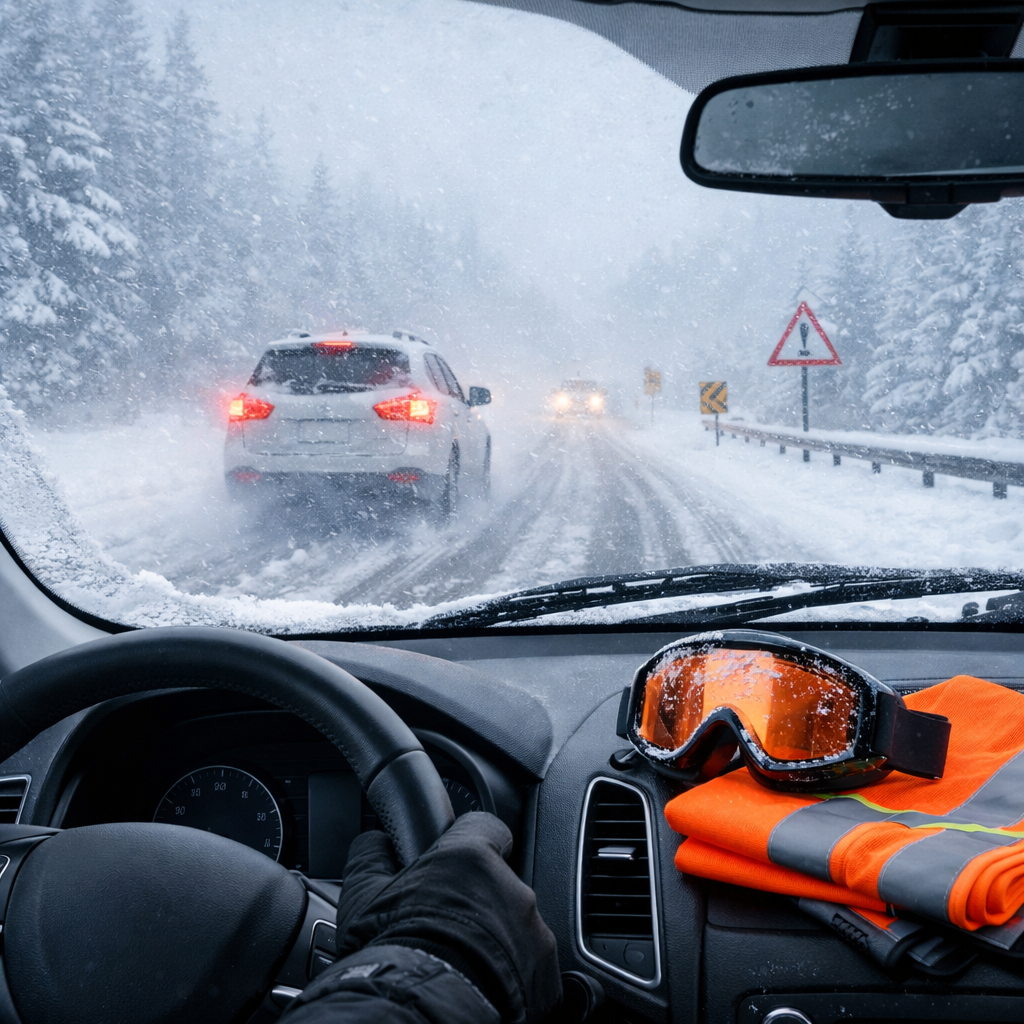


Winter visibility safety matters every school day when sunrise comes later, sunset arrives earlier, and snow, slush, fog, or blowing weather reduce how well drivers, cyclists, and pedestrians can see one another.
For Canadian students and families, the highest-risk times are often the walk to the bus stop, the trip home after school, and evening activities when children and teens may be outside in low light. Good visibility habits are simple, affordable, and highly practical. They help students stand out sooner so others have more time to react.
This article explains how parents, schools, and young workers can improve winter visibility safety using calm, prevention-focused steps. The goal is not fear. It is to make everyday travel more predictable, more noticeable, and safer in dark winter conditions.
- Why winter visibility safety is so important for students
- Winter visibility safety clothing and gear that help students stand out
- Safe travel habits that support winter visibility safety
- How schools can improve winter visibility safety using prevention controls
- Building winter visibility safety into everyday family routines
Why winter visibility safety is so important for students
In winter, children may be hidden by bulky coats, hoods, scarves, backpacks, snowbanks, and poor lighting. Dark clothing can blend into the background, especially before sunrise or after sunset.
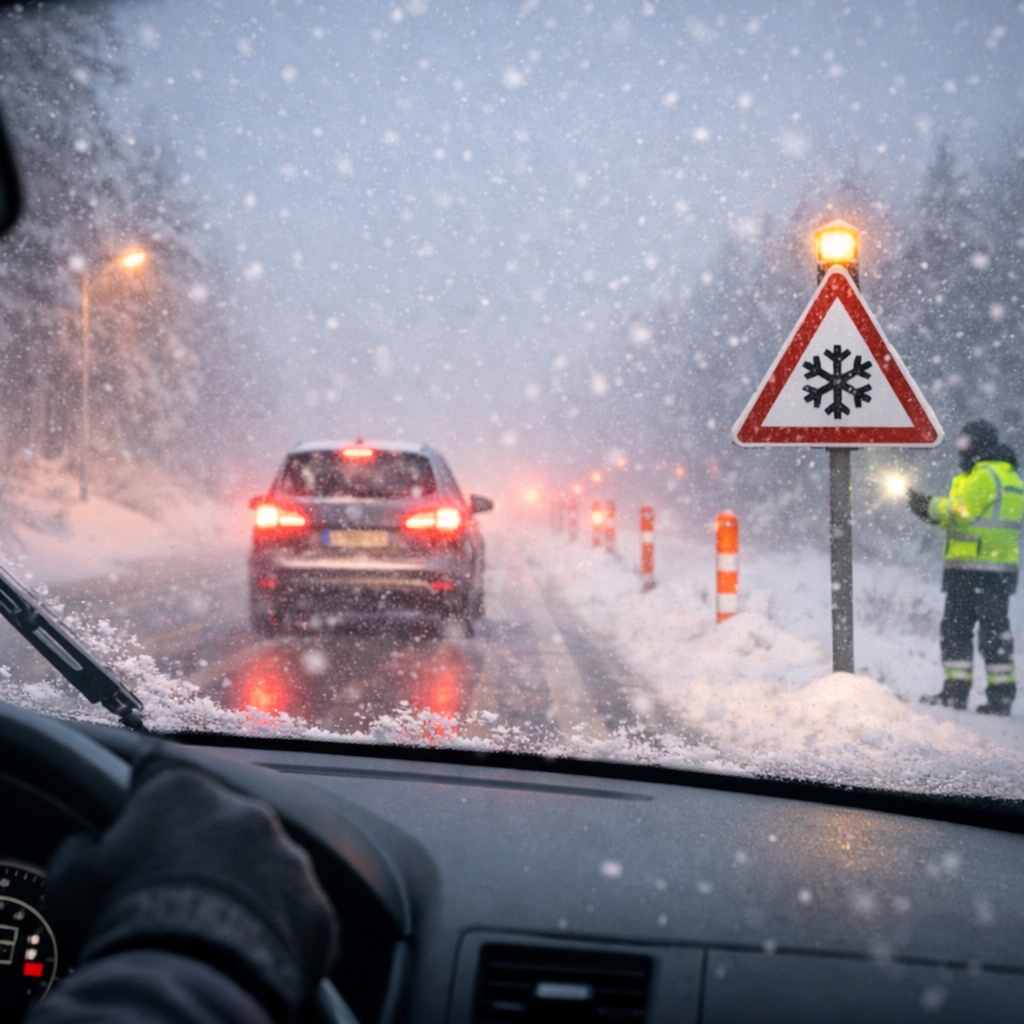
Drivers may also be dealing with frost on windows, glare from headlights, slippery roads, or reduced stopping distance. At the same time, students may be rushing, wearing earbuds, looking at phones, or focusing on staying warm instead of staying visible.
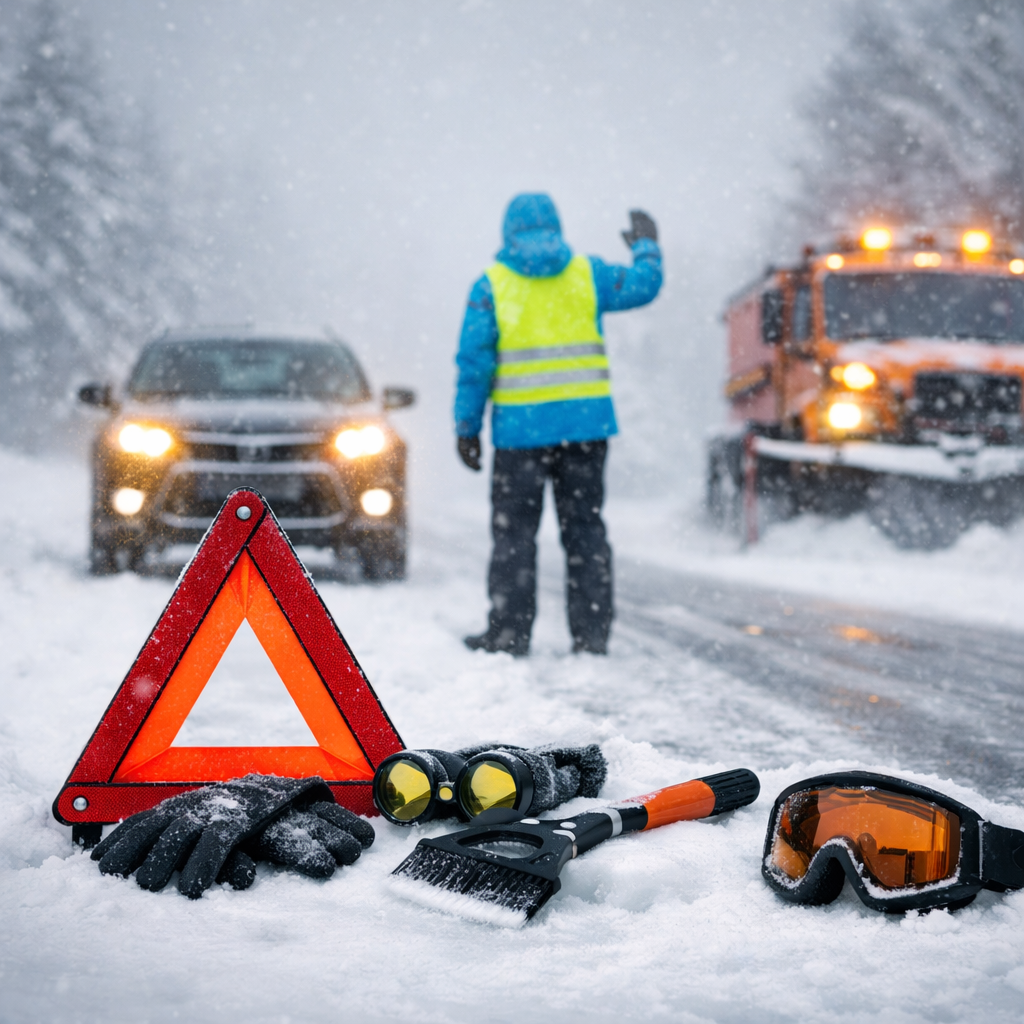
This is why winter visibility safety should be treated as a shared responsibility. Families can choose brighter outerwear and reflective gear. Schools can improve pickup and drop-off routines. Students can learn safe walking habits. Communities can support safer routes around bus stops, school entrances, and crossings.
For broader seasonal safety guidance, families and workplaces can review resources from the Canadian Centre for Occupational Health and Safety and the Government of Ontario. For practical prevention content and training, readers can also visit OHSE.ca and, where age-appropriate training is relevant, learn.ohse.ca.
Winter visibility safety clothing and gear that help students stand out
Choose bright and reflective outerwear
One of the easiest upgrades is to make sure a student’s coat, backpack, snow pants, boots, or hat includes reflective material. Bright colours can help during the day, but reflective strips are especially useful in darkness because they return light from vehicle headlights.
Look for reflective details on moving parts of the body, such as arms, legs, or backpacks. Motion catches attention more quickly than a single small patch on the chest or back.
Use simple add-ons for winter visibility safety
Families do not always need to replace a full wardrobe. Small additions can improve winter visibility safety significantly when they are used consistently.
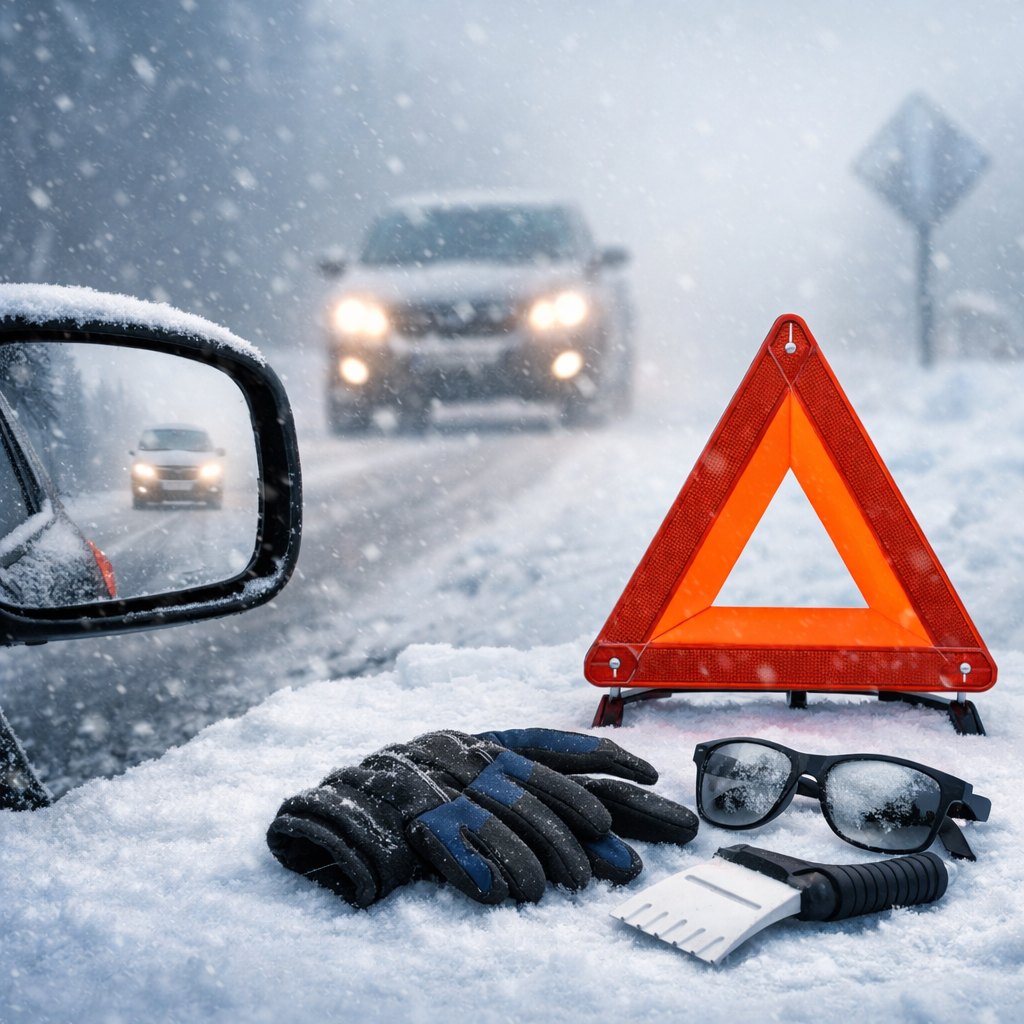
- Reflective arm or ankle bands
- Reflective zipper pulls or backpack tags
- Clip-on lights for backpacks or jackets
- Light-coloured hats, mittens, and scarves
- Reflective tape approved for clothing, bags, or helmets where suitable
Students who bike, scooter, or use other wheeled equipment should also follow the manufacturer’s instructions and local school or municipal rules for lights, reflectors, helmets, and seasonal use. If a route or activity becomes too dark, icy, or unpredictable, choose a safer alternative.
A quick checklist for families
- Pick a bright winter coat or add reflective accessories
- Check that the backpack is visible from the front, side, and back
- Test lights or reflective items before leaving home
- Avoid clothing that blocks side vision or hearing too much
- Review the safest route to school, the bus stop, or after-school activities
- Remind students to make eye contact with drivers before crossing
Safe travel habits that support winter visibility safety
Walking to school or the bus stop
Winter visibility safety is not only about what students wear. It is also about how they move through their environment. Students should use sidewalks where available and stay clear of snowbanks that force them closer to traffic.
If there is no sidewalk, they should follow local guidance and use the safest available edge of the road, staying alert and leaving extra space from vehicles. Crossing should happen only at designated crossings or intersections when it is safe to do so.
Young children should be supervised according to age, maturity, weather, traffic conditions, and route complexity. A few extra minutes of adult supervision on dark mornings can make a major difference.
At pickup and drop-off areas
School zones can become crowded, rushed, and visually cluttered in winter. Idling vehicles, buses, snow piles, and turning movements all reduce visibility.
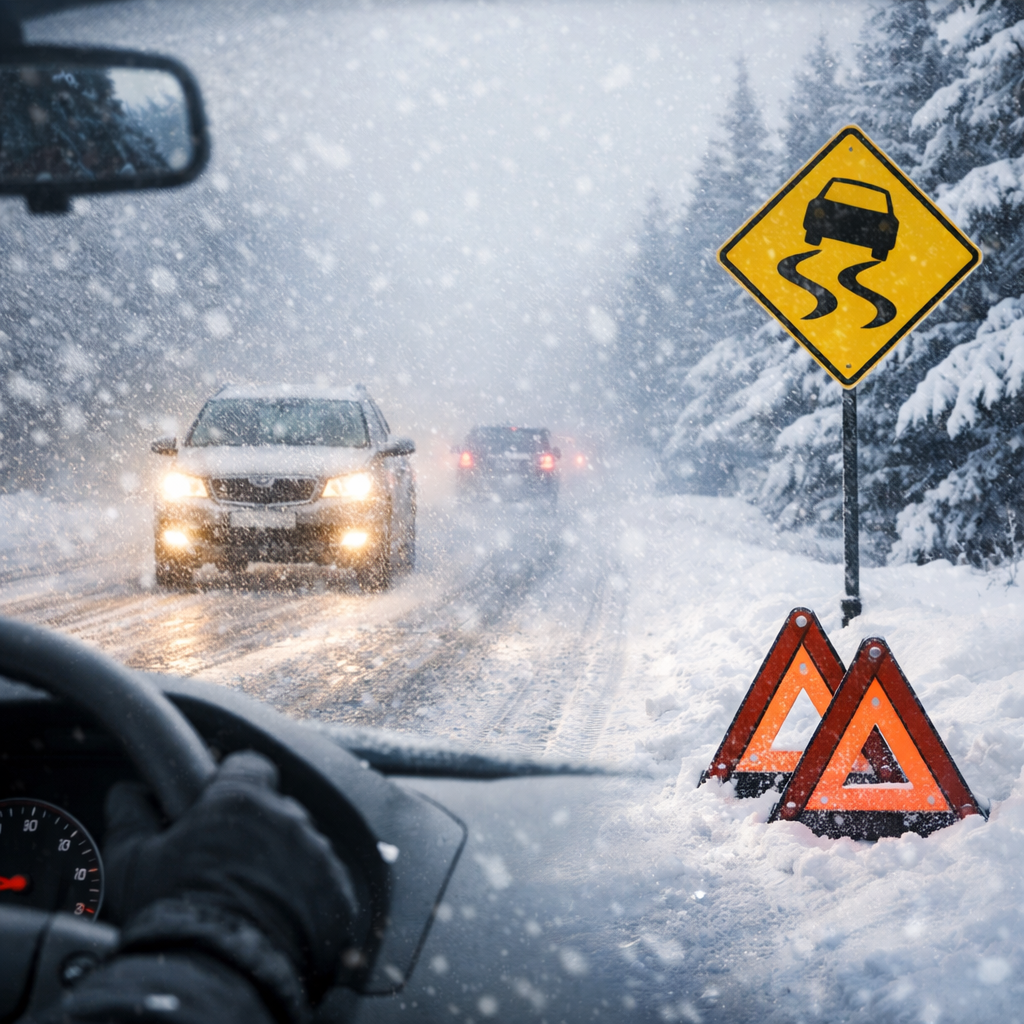
Parents can support winter visibility safety by using designated drop-off zones, avoiding U-turns, and not calling children across active traffic lanes. Students should enter and exit vehicles on the curb side whenever possible and walk, not run, in parking lots.
For teens and young workers
Some students travel independently to part-time jobs, evening classes, sports, or volunteer placements. In Ontario and across Canada, winter visibility safety also connects to workplace and commuting safety.
Teens working outdoors, doing deliveries, helping with snow clearing, or walking near driveways and loading areas should wear suitable high-visibility clothing if the task or employer requires it. They should follow school, workplace, site, and supervisor instructions at all times. Where conditions are poor, employers should assess lighting, traffic flow, vehicle movement, and pedestrian separation using a practical hazard control approach.
How schools can improve winter visibility safety using prevention controls
Schools play an important role because they shape routines, communication, and the physical environment. A prevention-focused approach works best when schools think in terms of the hierarchy of controls: improve the environment first, support with administrative rules, and then reinforce with personal protective measures where appropriate.
| Control level | School example | Benefit |
|---|---|---|
| Engineering or environmental controls | Improve outdoor lighting, clear snowbanks near crossings, maintain visible signage | Reduces hidden hazards and improves line of sight |
| Administrative controls | Stagger pickup flow, assign crossing supervision, remind families about dark-weather routines | Creates more orderly and predictable movement |
| Personal measures | Encourage reflective gear, bright backpacks, and safe walking habits | Helps individual students be seen sooner |
These measures are often low-cost and practical. Clearing snow around bus stops and school entrances can improve sightlines. Better lighting can help both pedestrians and drivers. Clear family reminders before winter break or after time changes can reset habits before problems occur.
Organizations such as Parachute and Health Canada may offer useful general safety context, but local school board procedures and municipal conditions should guide final decisions. Where there is a conflict, follow local school, workplace, manufacturer, or emergency guidance.
Building winter visibility safety into everyday family routines
The best winter visibility safety plan is one that families can repeat every day without stress. A short routine at the door can help: check the weather, check the route, check the gear, and check that the student can see and move properly.
Try placing reflective items with mittens, hats, and bus passes so they are not forgotten. Recharge or replace clip-on lights on a schedule. If a child outgrows a coat, confirm that the new one is still visible in low light. If a teen starts a new after-school job, review the travel route and any site-specific visibility expectations.
It also helps to talk through common winter scenarios in advance. What if the sidewalk is blocked by plowed snow? What if a bus is late and it gets darker? What if a student drops a mitten in the road? Calm planning makes better decisions more likely when conditions are cold, dark, and rushed.
Winter visibility safety works best when it becomes a habit rather than a seasonal afterthought. Bright and reflective clothing, safer travel choices, improved school routines, and better awareness can all help students be seen in dark mornings and evenings. For Canadian families, schools, and young workers, practical prevention steps are the clearest path to safer winter travel.