

Workers’ compensation is a crucial safety net that provides financial and medical benefits to employees who suffer work-related injuries or illnesses.
It is a legally mandated insurance program that protects both employers and employees by covering medical expenses, lost wages, and rehabilitation costs.


Understanding how workers’ compensation works is essential for ensuring compliance and safeguarding the rights of all parties involved.
What is Workers’ Compensation?
Workers’ compensation is a form of insurance that provides benefits to employees who sustain job-related injuries or illnesses. The coverage typically includes:
- Medical expenses for treatment, rehabilitation, and recovery.
- Wage replacement for time off work due to an injury.
- Disability benefits for temporary or permanent impairments.
- Death benefits for the dependents of a worker who dies due to a workplace injury.
This system is designed to eliminate the need for litigation by offering guaranteed benefits to injured workers while protecting employers from costly lawsuits.
Employer Responsibilities in Workers’ Compensation
Employers have a legal duty to ensure their workplace complies with occupational safety standards and to facilitate the workers’ compensation process.

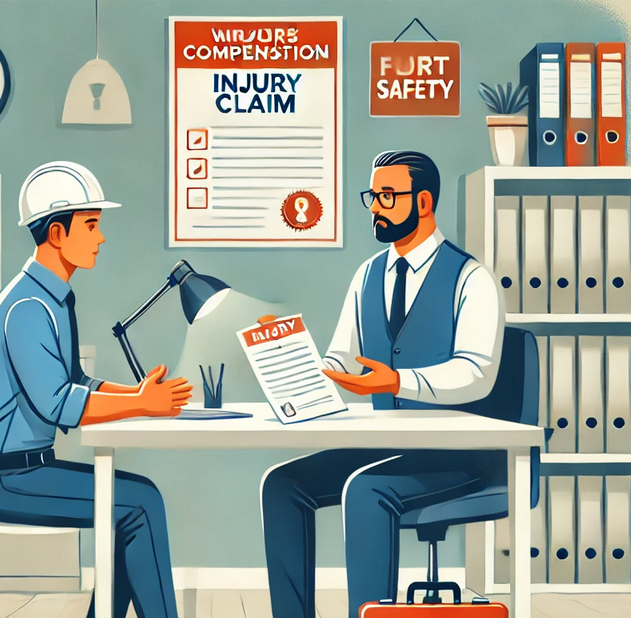
Key responsibilities include:
1. Providing Workers’ Compensation Insurance
- Employers must obtain and maintain workers’ compensation coverage as required by state or provincial laws.
- Some jurisdictions allow self-insurance for large companies that meet financial requirements.
2. Ensuring a Safe Work Environment
- Implement workplace safety programs to minimize injuries.
- Train employees on proper safety procedures.
- Maintain compliance with occupational health and safety regulations.
3. Reporting and Managing Workplace Injuries
- Provide injured employees with immediate access to medical care.
- Report workplace injuries to the appropriate workers’ compensation board.
- Keep records of injuries and incidents for legal and insurance purposes.
4. Facilitating Employee Return-to-Work Programs
- Offer modified duties or workplace accommodations for injured employees.
- Communicate with medical professionals to assess fitness for work.
- Support employees in transitioning back to full-time duties.
Employee Rights and Responsibilities
Workers also play a vital role in the workers’ compensation process. Employees should be aware of their rights and obligations to ensure smooth claims processing.

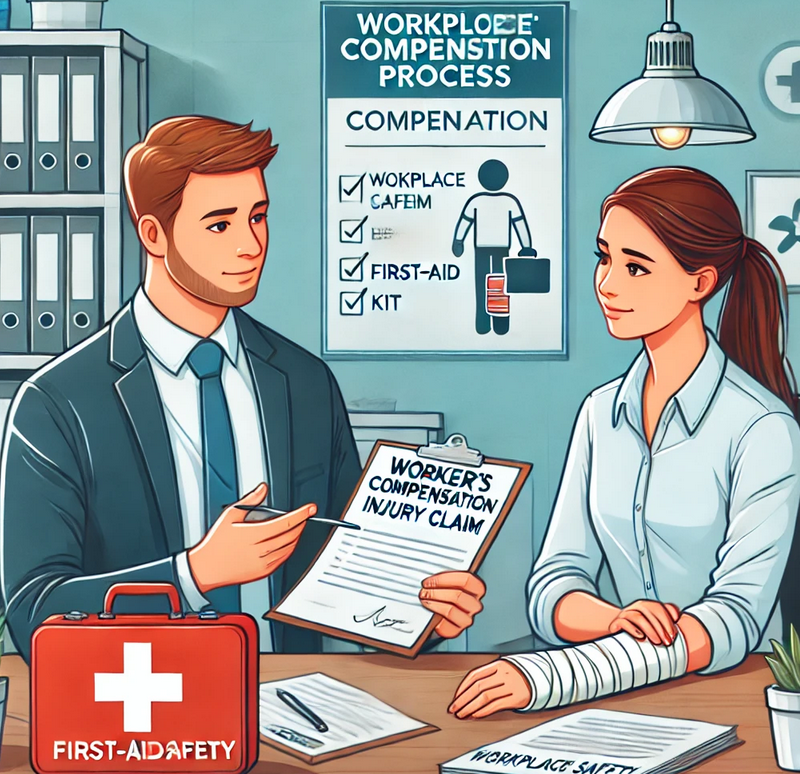
Employee Rights:
- Receive medical care for work-related injuries at no personal cost.
- Claim wage replacement benefits if unable to work due to injury.
- Return to work in a safe and accommodating environment.
- Appeal denied claims if they believe they were wrongly rejected.
Employee Responsibilities:
- Report injuries to their employer as soon as possible.
- Seek medical attention and follow prescribed treatments.
- Cooperate with the employer’s return-to-work program.
- Provide accurate information for claim processing.
| Employee Responsibility | Impact |
|---|---|
| Reporting injuries promptly | Ensures faster claim processing |
| Following medical advice | Aids in quicker recovery and return to work |
| Cooperating with return-to-work plans | Helps maintain job security and income |
Types of Workers’ Compensation Benefits
The benefits an injured worker may receive depend on the severity of the injury and local laws. These typically include:
1. Medical Benefits
Covers hospital bills, medications, rehabilitation, and therapy.
2. Temporary Disability Benefits
Provides partial wage replacement while an employee is unable to work due to an injury.
3. Permanent Disability Benefits
Issued if an employee is permanently unable to return to work in the same capacity.
4. Vocational Rehabilitation Benefits
Offers training and job placement services for employees who cannot return to their previous job.
5. Death Benefits
Provides financial support to the dependents of a deceased worker.
| Type of Benefit | Purpose |
| Medical benefits | Covers treatment expenses |
| Temporary disability | Provides wage replacement during recovery |
| Permanent disability | Compensates for long-term work limitations |
| Vocational rehab | Helps employees transition to new jobs |
| Death benefits | Supports dependents after a worker’s passing |
Workers’ Compensation Claims Process
Understanding the claim process can help both employers and employees navigate it smoothly.


Step 1: Reporting the Injury
- Employees must inform their employer about the injury as soon as possible.
- Employers must document the incident and provide the necessary claim forms.
Step 2: Seeking Medical Treatment
- The injured worker must obtain medical care and provide documentation.
- Some jurisdictions require visits to employer-approved medical providers.
Step 3: Filing the Claim
- Employees submit completed claim forms to their employer or workers’ compensation board.
- Employers forward the claim to the insurer for processing.
Step 4: Claim Review and Decision
- The insurer evaluates medical records and workplace reports.
- A decision is made regarding benefit approval or denial.
Step 5: Receiving Benefits or Appealing a Denial
- If approved, the worker receives benefits for medical costs and lost wages.
- If denied, the worker has the right to appeal the decision.
| Step | Action Required |
| Reporting | Employee notifies employer of injury |
| Treatment | Seek medical attention |
| Filing | Complete and submit claims paperwork |
| Review | Insurer evaluates claim validity |
| Benefits | Approved claim leads to compensation |
| Appeal | Worker can dispute a denial |
Challenges and Common Issues in Workers’ Compensation
Despite its benefits, workers’ compensation can present challenges:
1. Claim Denials
- May occur due to missing documentation or disputes over whether the injury is work-related.
- Employees can appeal denied claims through legal processes.
2. Employer Retaliation
- Some employees fear retaliation for filing claims.
- Employers must not discriminate or terminate workers for exercising their rights.
3. Fraudulent Claims
- False claims can lead to increased insurance premiums and legal consequences.
- Employers should investigate suspicious claims while ensuring legitimate claims are honored.
4. Delayed Payments
- Processing delays can create financial strain for injured employees.
- Employers and insurers must process claims efficiently to ensure timely support.
Conclusion
Workers’ compensation is a vital system that benefits both employers and employees by ensuring workplace injuries are managed fairly and efficiently. Employers must uphold their responsibilities by maintaining proper insurance, promoting workplace safety, and supporting injured workers.
Employees should also be aware of their rights and responsibilities to facilitate a smooth claims process. By fostering a safe work environment and handling claims effectively, businesses can minimize risks and create a more secure and supportive workplace for everyone.


Final Thought:
Understanding workers’ compensation is key to protecting both employers and employees—knowledge and compliance ensure a fair and efficient system for all.
For more in-depth information on workers’ compensation laws, employer responsibilities, and employee rights, you can refer to official resources such as OSHA’s Workers’ Compensation Guide, which provides regulatory insights and compliance requirements for workplace injuries in the U.S.
Additionally, the Canadian Centre for Occupational Health and Safety (CCOHS) offers guidance on workers’ compensation policies specific to Canada, including claim procedures and employer obligations. For global perspectives and best practices, the International Labour Organization (ILO) explores workplace injury prevention and compensation frameworks worldwide.
These resources provide valuable insights for both employers and employees seeking to navigate the complexities of workers’ compensation systems effectively.