
100 Winter Workplace Safety Tips : Winter workplace safety starts before the first snowfall and continues until the last patch of ice is gone.

Use these 100 practical tips—organized by risk area—to cut slips, cold stress, vehicle incidents, and equipment hazards across your sites.
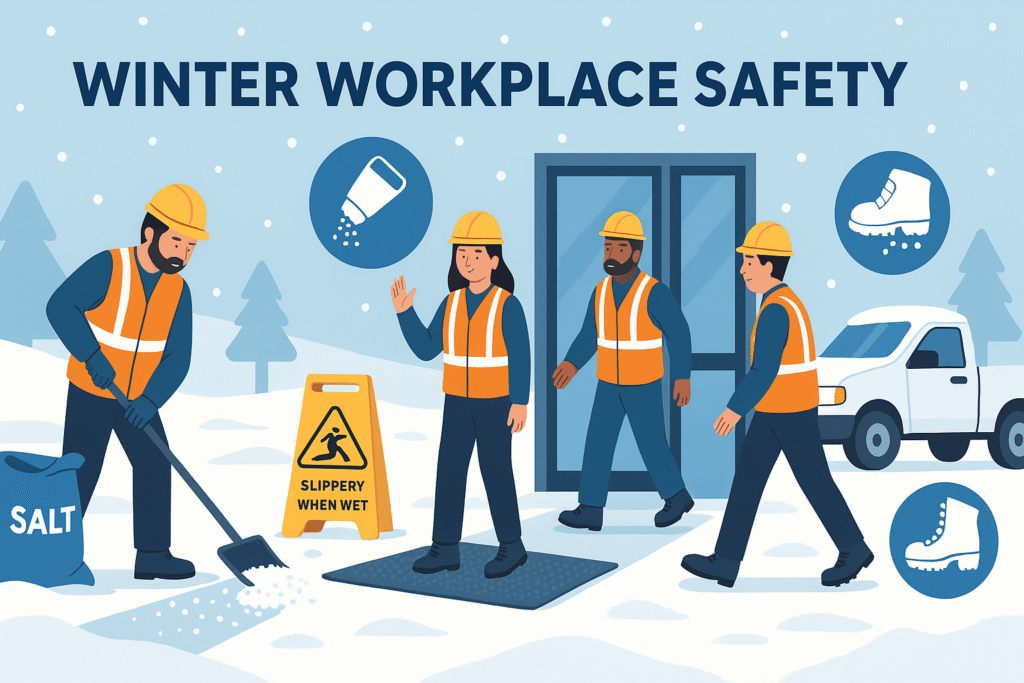
Winter workplace safety: slips, trips, and falls (entrances, lots, walkways)
100 Winter Workplace Safety Tips That Actually Prevent Injuries
- Pre-treat high-traffic areas before storms.
- Assign plow/ice crews with clear zones.
- Log de-icing times and product used.
- Use industrial matting with beveled edges.
- Place scraper mats outside, absorbers inside.
- Install canopy/drip edges over doors.
- Post real-time “wet floor” signs—remove promptly.
- Sweep loose granules after ice melts.
- Fix downspouts that discharge onto walkways.
- Add handrails to all exterior steps.
- Mark black-ice zones with floor tape or signs.
- Improve lighting at entries and parking aisles.
- Fill potholes before freeze–thaw cycles expand them.
- Set speed limits in lots; enforce with cones.
- Store salt/sand in weatherproof bins at entrances.
- Provide boot brushes at every door.
- Require slip-resistant footwear for outdoor staff.
- Offer traction overshoes for visitors/office staff.
- Instruct “short steps, flat foot” walking on ice.
- Encourage carrying less; use carts with winter wheels.
Winter workplace safety: cold stress and exposure control
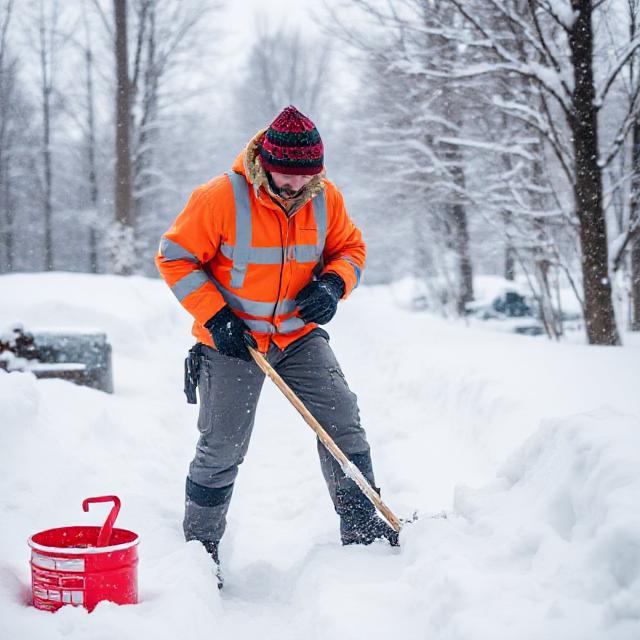
- Train on hypothermia and frostbite early signs.
- Use wind-chill charts to set break frequency.
- Schedule warm-up breaks in heated shelters.
- Rotate tasks to limit cold exposure time.
- Acclimatize new/returning workers gradually.
- Encourage warm, non-caffeinated fluids.
- Provide heated grips for tools when feasible.
- Issue wicking base layers to avoid sweat chill.
- Layer: wicking → insulating → wind/water shell.
- Choose gloves balancing insulation and dexterity.
- Stock glove liners and spare dry pairs.
- Use balaclavas/neck gaiters in high winds.
- Fit-test respirators over winter headgear.
- Add high-visibility shells for low daylight.
- Prohibit cotton socks; promote wool blends.
- Keep spare socks and hand warmers on trucks.
- Warm up muscles before heavy tasks outside.
- Move warm-up shelters as crews relocate.
- Track “feels-like” temps on the huddle board.
- Implement a buddy system for cold checks.
Winter workplace safety: vehicles & driving (light fleet and mobile equipment)

- Switch to winter-rated tires; check tread depth.
- Use washer fluid rated to −35°C/−31°F.
- Check battery health before deep freezes.
- Carry a winter kit: shovel, traction, blankets.
- Clear roofs/hoods to prevent snow sheets.
- De-ice cameras and sensors before driving.
- Enforce headlights-on in precipitation.
- Increase following distance; brake gently.
- Use engine braking on descents when safe.
- Prohibit cruise control on slick roads.
- Park facing out for quicker, safer departures.
- Assign spotters for yard maneuvers.
- Paint or cone pedestrian lanes near docks.
- Salt/refreeze-check loading dock aprons hourly.
- Set “no cell while rolling” policy—hands free only.
- Establish whiteout/no-travel thresholds.
- Use chocks where icing affects parking brakes.
- Test block heaters; standardize plug locations.
- Inspect wipers weekly; stock spares.
- De-ice trailer and tailgate steps before climbing.
Winter workplace safety: powered equipment, tools, and machinery
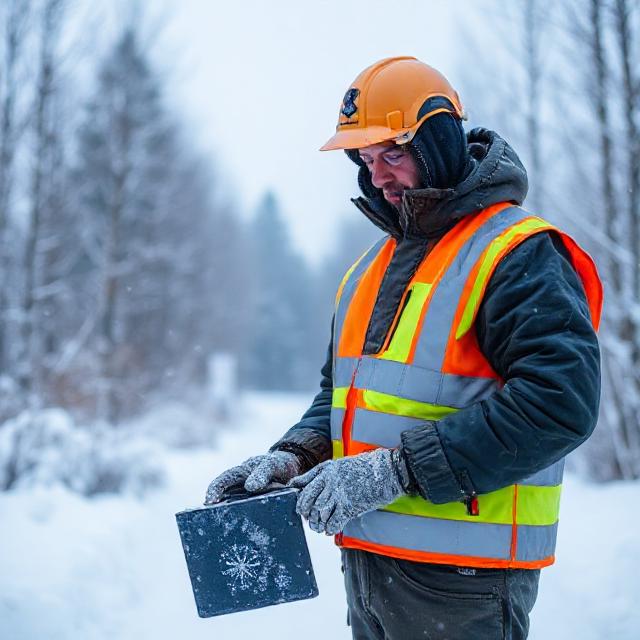
- Keep guards/interlocks in place with winter gloves.
- Use cold-rated air hoses and cords.
- Store lithium battery packs above freezing.
- Warm hydraulic systems before full load.
- Clear ice from ladder rungs and platforms.
- Inspect scaffolds for frost-induced slip risk.
- Use anti-slip treads on equipment steps.
- Verify emergency stops aren’t iced over.
- Ventilate temporary heat near fuel equipment.
- Apply lockout/tagout when thawing frozen lines.
Winter workplace safety: temporary heat, generators, and CO
- Maintain clearance distances per manufacturer.
- Vent combustion heaters to the outside.
- Place CO detectors near occupied spaces.
- Refuel heaters/generators only when cool.
- Store fuel in approved cans away from heaters.
- Secure cords/cables to avoid trip hazards.
- Inspect flexible gas lines for cracking.
- Never run generators indoors or in garages.
- Post “heater off when unattended” reminders.
- Train on CO symptoms and evacuation triggers.
Winter workplace safety: facilities, roofs, and utilities
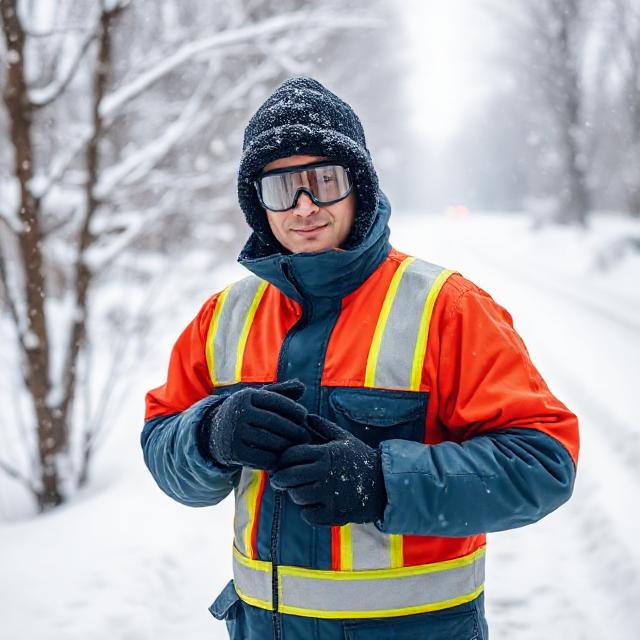
- Assign roof snow-load monitoring to Facilities.
- Clear skylight edges; mark and guard them.
- Prevent ice dams by clearing drains/scuppers.
- Fence ground-level roof-fall zones.
- Barricade areas under icicles until removed.
- Insulate piping; heat-trace where required.
- Label shutoffs for frozen-pipe emergencies.
- Protect emergency exits from drifted snow.
- Test emergency lighting during shortest days.
- Stage spill kits for de-icer/fuel areas.
Winter workplace safety: people systems, training, and communication
- Run a winter kickoff huddle with key changes.
- Post a 24/7 storm escalation path and contacts.
- Add a “winter hazards” tile to daily huddles.
- Encourage near-miss reporting on slips/ice.
- Reward proactive salting and hazard spotting.
- Use SBAR one-liners for weather-related escalations.
- Stock extra PPE for contractors and visitors.
- Offer micro-drills: 5-minute traction and ladder refreshers.
- Audit entrances mid-storm; fix gaps immediately.
- Close the season with lessons learned and updates.
How to put these to work this week
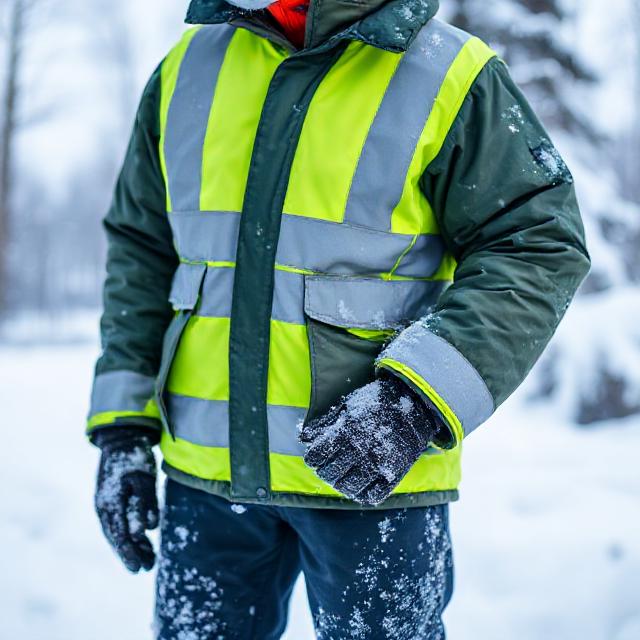
- Add a winter workplace safety checklist to supervisor clipboards.
- Build a one-page slip/ice response SOP with zones, timings, and products.
- Use your safety huddle to track “pretreat done,” “entrance mats checked,” and “CO alarms tested” as daily line items. See our safety huddle template for a 10-minute agenda.
- Standardize your escalation language with SBAR handover scripts so storm-related decisions are fast and clear.
- Reinforce behaviors with an Error Prevention Toolkit spotlight on closed-loop communication during storms.
For concise guidance on winter hazards and controls, see resources from the U.S. Occupational Safety and Health Administration (winter hazards overview: OSHA) and the Centers for Disease Control and Prevention (cold stress basics: CDC).
Program-level reliability ideas are also covered by the Institute for Healthcare Improvement (IHI) and AHRQ PSNet (AHRQ PSNet).
No comments yet