
Warehouse Safety : Warehouse environments can be hazardous due to high levels of activity, heavy machinery, and the constant movement of goods and equipment.
A strong focus on safety helps prevent accidents and ensures a healthy working environment. Below, we share 60 warehouse safety tips to reduce risks and promote a culture of safety.
- 1. General Warehouse Safety Tips
- 2. Material Handling Safety
- 3. Forklift Safety Tips
- 4. Slips, Trips, and Falls Prevention
- 5. Fire Safety in Warehouses
- 6. Equipment and Machinery Safety
- 7. Loading Dock Safety
- 8. Hazard Communication
- 9. Emergency Preparedness
- 10. Employee Wellness and Ergonomics
- 11. Safety Culture and Communication
- 12. COVID-19 and Infectious Disease Safety
- Conclusion
1. General Warehouse Safety Tips
- Conduct Regular Safety Inspections – Identify and address hazards before they cause harm.
- Develop a Safety Plan – Ensure everyone understands emergency procedures and protocols.
- Provide Safety Training – Regularly train employees on safe work practices and equipment use.
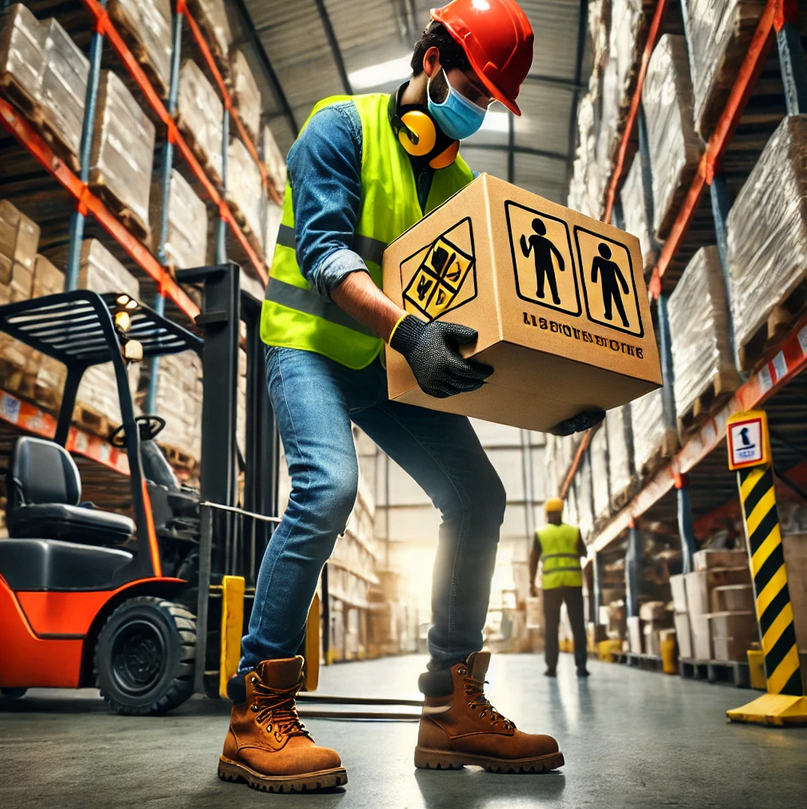
- Wear Personal Protective Equipment (PPE) – Helmets, gloves, safety shoes, and high-visibility vests are crucial.
- Promote a Clean Workspace – Keep aisles clear of clutter to prevent slips and trips.
2. Material Handling Safety
- Use Proper Lifting Techniques – Lift with your legs, not your back, to avoid injuries.
- Avoid Overloading Carts and Lifts – Overloading can lead to tipping and accidents.
- Inspect Equipment Before Use – Check for defects or damage that could lead to failures.
- Use Mechanical Aids When Needed – Use forklifts, dollies, and conveyors for heavy loads.
- Store Items Properly – Stack goods safely to prevent falling hazards.
3. Forklift Safety Tips
- Train and Certify Forklift Operators – Only trained personnel should operate forklifts.
- Perform Pre-Operational Checks – Inspect brakes, lights, and tires daily.
- Drive at Safe Speeds – Never exceed the warehouse speed limit.
- Avoid Sharp Turns – Turning too quickly can cause the forklift to tip over.
- Keep Forks Low While Moving – This ensures better stability and visibility.
4. Slips, Trips, and Falls Prevention
- Clean Spills Immediately – Wet floors are a leading cause of accidents.
- Use Non-Slip Mats – Especially in areas prone to moisture or grease.
- Mark Hazardous Areas – Use signs and tape to indicate danger zones.
- Repair Damaged Flooring – Uneven surfaces can cause trips and falls.
- Ensure Proper Lighting – Well-lit areas reduce the risk of accidents.
5. Fire Safety in Warehouses
- Install Fire Alarms and Sprinklers – Ensure they are regularly tested.
- Keep Fire Exits Clear – Never block emergency exits.
- Train Staff on Fire Response – Everyone should know how to use fire extinguishers.
- Store Flammable Materials Safely – Follow proper storage guidelines.
- Conduct Fire Drills Regularly – Reinforce emergency response procedures.
6. Equipment and Machinery Safety
- Lockout/Tagout Procedures – Prevent accidental start-ups during maintenance.
- Maintain Equipment Regularly – Proper maintenance reduces the risk of malfunctions.
- Never Remove Safety Guards – Guards protect workers from moving parts.
- Use Tools Correctly – Improper use can lead to serious injuries.
- Report Malfunctions Immediately – Don’t wait for the problem to escalate.
7. Loading Dock Safety
- Use Dock Plates Properly – Ensure they are secure before use.
- Train Workers on Loading Procedures – Loading docks are high-risk areas.
- Secure Trailers Before Loading – Prevent unintended movement.
- Avoid Jumping from Loading Docks – Use steps or ladders to reduce injury risks.
- Monitor Weather Conditions – Wet or icy docks increase slip risks.
8. Hazard Communication
- Label Hazardous Substances Clearly – Use proper signs and labels.
- Provide Safety Data Sheets (SDS) – Ensure employees can access them easily.
- Train Employees on Chemical Safety – Understand handling, storage, and disposal procedures.
- Store Chemicals Safely – Keep incompatible substances apart.
- Wear Appropriate PPE for Chemical Handling – Gloves, goggles, and respiratory protection may be required.
9. Emergency Preparedness
- Develop an Emergency Response Plan – Cover fire, spills, and medical emergencies.
- Provide First Aid Training – Empower employees to respond to minor injuries.
- Install Emergency Showers and Eyewash Stations – Essential for chemical exposure.
- Maintain Emergency Equipment – Regularly inspect and test alarms and extinguishers.
- Conduct Regular Drills – Reinforce response procedures for all employees.
10. Employee Wellness and Ergonomics
- Encourage Stretching Exercises – Reduce muscle strain and improve flexibility.
- Provide Adjustable Workstations – Ensure workspaces are ergonomically designed.
- Promote Hydration – Keep workers hydrated, especially in warm environments.
- Implement Fatigue Management Programs – Prevent injuries caused by tiredness.
- Offer Mental Health Support – A healthy mind contributes to a safe workplace.
11. Safety Culture and Communication
- Encourage Open Communication – Workers should feel comfortable reporting hazards.
- Set Safety Goals – Track and reward safety achievements.
- Display Safety Posters – Visual reminders help reinforce safety.
- Create a Safety Committee – Involve employees in safety initiatives.
- Lead by Example – Managers should model safe behaviors.
12. COVID-19 and Infectious Disease Safety
- Promote Hand Hygiene – Provide sanitizers and encourage frequent handwashing.
- Maintain Social Distancing – Where possible, reduce close contact.
- Disinfect Common Areas Regularly – Focus on high-touch surfaces.
- Provide Masks and Gloves – Protect workers from exposure.
- Monitor Employee Health – Encourage employees to stay home if unwell.
Conclusion
A well-implemented warehouse safety program can drastically reduce accidents and improve efficiency. By incorporating these 60 warehouse safety tips, you create a safer environment for your workers, protect your business, and ensure long-term success. Safety is a continuous process—review and update your safety practices regularly.

For more warehouse safety resources, check out trusted sites like OHSE.ca for the latest guidelines and best practices.
2 comments
Absolutely! A strong safety culture in a warehouse is crucial for minimizing risks and protecting employees. Prioritizing fire prevention, proper equipment use, and routine safety inspections ensures a safer work environment. Regular CO2 refill checks are especially important for fire suppression systems, ensuring they function properly in emergencies.
Maintaining a strong safety culture is essential for any warehouse. Prioritizing safety measures like fire prevention and proper equipment use reduces risks and ensures employee well-being. Regular inspections and protocols, including co2 refill checks, enhance workplace safety.