
Winter safety tools are the thin line between a near miss and a recordable incident when the temperature drops.
From black ice and blowing snow to brittle materials and numb fingers, winter changes the risk profile of every job.
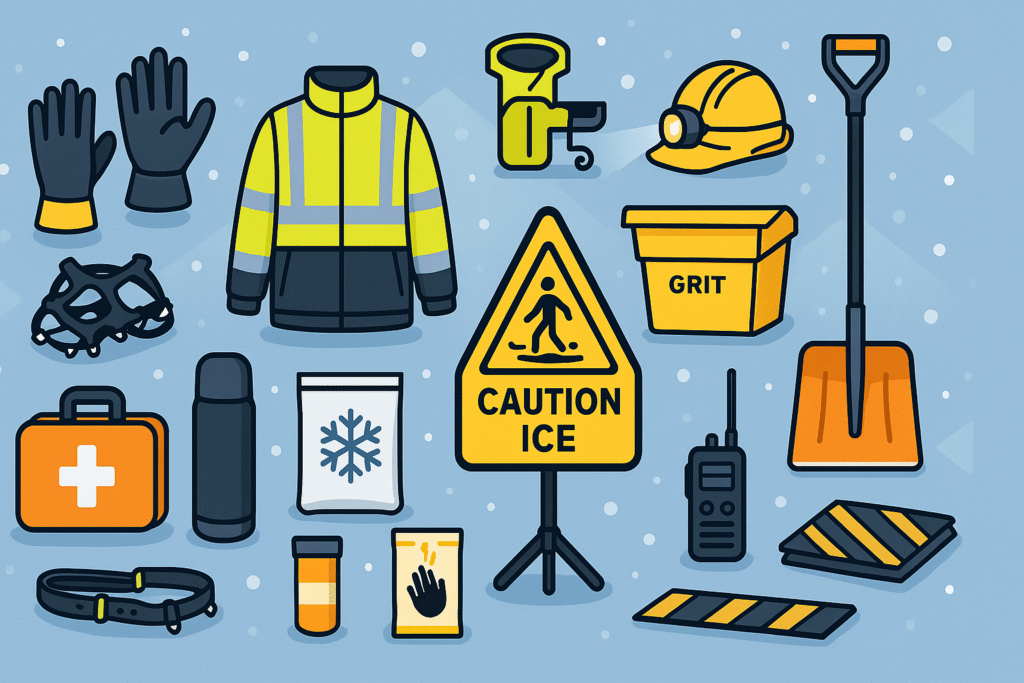
Below is a practical, industry-by-industry guide you can use to equip teams, reduce incidents, and keep productivity high when conditions turn harsh.
- Winter Safety Tools for Construction & Trades
- Winter Safety Tools for Transportation & Logistics
- Winter Safety Tools for Energy & Utilities
- Winter Safety Tools for Municipal & Public Works
- Winter Safety Tools for Mining & Heavy Industry
- Winter Safety Tools for Healthcare & Social Services
- Winter Safety Tools for Office, Retail & Education
- Selecting and Maintaining Winter Safety Tools
- Training, Policy, and Signals That Drive Use
- Quick Reference: Minimum Winter Safety Tools by Sector
- Implementation Checklist You Can Roll Out This Week
Winter Safety Tools for Construction & Trades
Cold snaps stiffen materials, hide edges under snow, and turn ladders and scaffolds into slip hazards. Start with anti-slip traction aids that fit over existing boots and meet your site’s footwear policy, plus insulated, cut-resistant gloves that don’t sacrifice dexterity.
Add a compact ice scraper and a bag of traction grit to treat access points before crews climb. A battery-heated vest with adjustable zones helps maintain core temperature without bulky layers that restrict harness fit.
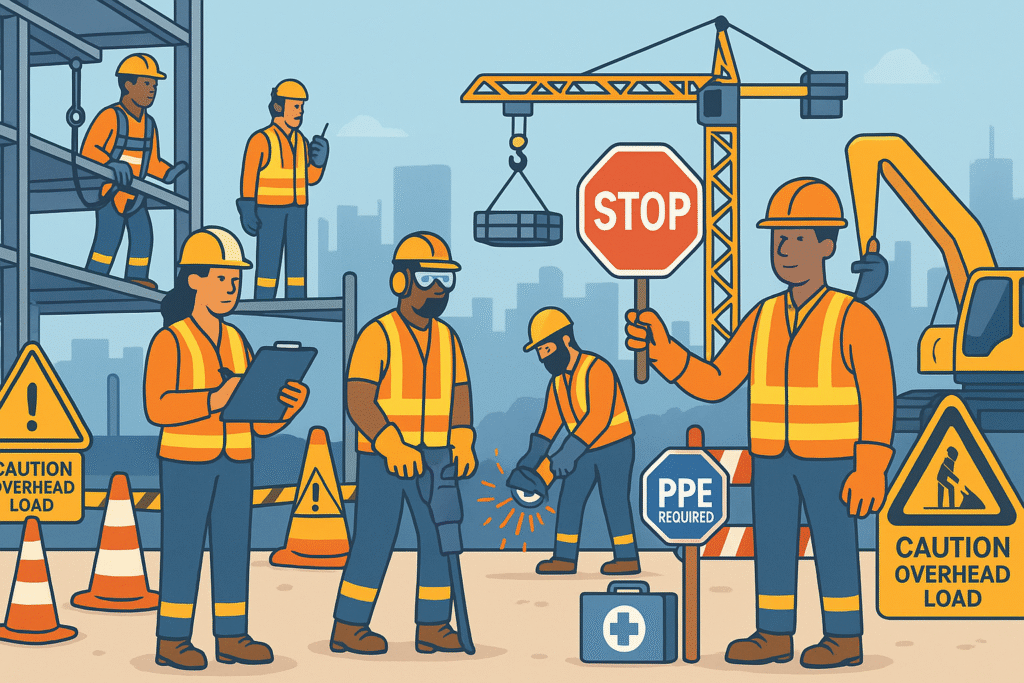
Keep a non-contact voltage tester and insulated hand tools dry in a sealed bag—moisture can compromise gloves and make tools slick.
For elevated work, keep a fall-arrest kit indoors when not in use so webbing doesn’t freeze; do a tactile inspection before donning.
For quick refreshers on slips, trips, and falls controls, link supervisors to your internal resource library, such as the OHSE.ca winter slips, trips, and falls guide.
Winter Safety Tools for Transportation & Logistics
Drivers and yard teams face low visibility, slick yards, and cold-stressed batteries. A truck-ready kit should include a high-lumen headlamp, a strobe beacon, and high-visibility outerwear rated for winter conditions.
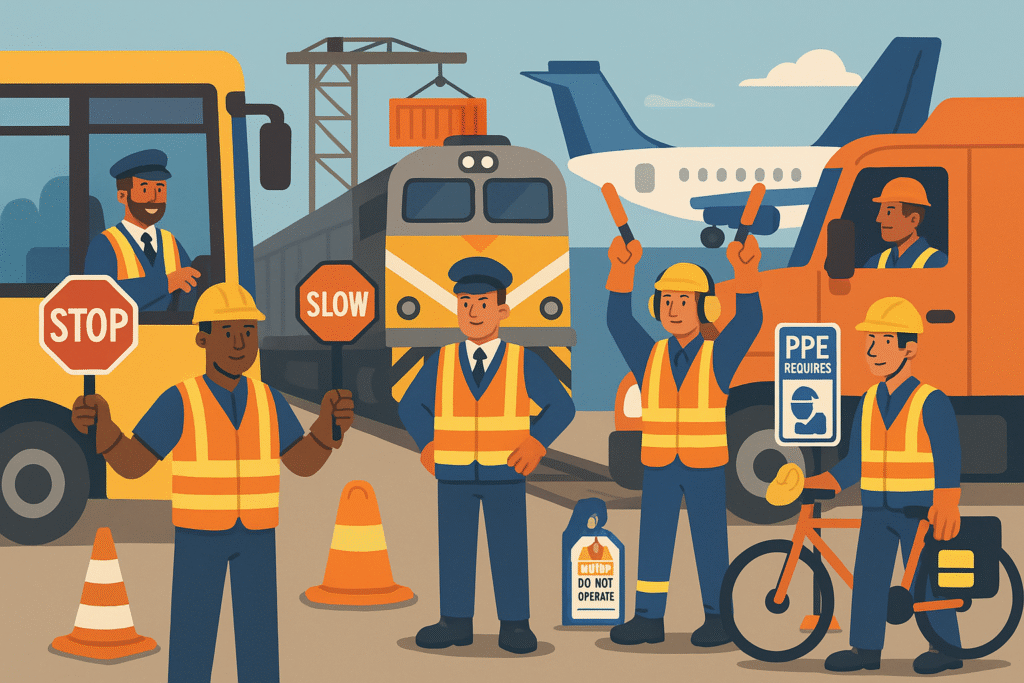
Add traction mats, a collapsible snow shovel, a window de-icer spray, and a portable battery booster. For the operator, heated seat pads and steering wheel covers reduce cold-induced fatigue on long routes.
Warehouse and loading dock crews benefit from cleated overshoes for outdoor transfers, plus rubber squeegees and absorbent pads to manage meltwater at thresholds. Keep a digital thermometer in the cab, and set a threshold for breaks if interior temperatures drop below policy limits.
For planning around wind chill and extreme cold, share Environment and Climate Change Canada’s wind chill resources and CCOHS guidance on working in the cold.
Winter Safety Tools for Energy & Utilities
Field crews working around energized systems, pipelines, or substations require winterized PPE that doesn’t compromise arc-flash, flame-resistant, or chemical-resistant specifications. Stock FR-rated balaclavas, arc-rated parkas, and winter liners compatible with your primary head protection.
Insulated, dielectric gloves need routine warm storage and careful drying; never place them on heaters that could degrade rubber.
Thermal imaging cameras help spot heat loss and ice buildup on lines or valves from a safe distance.
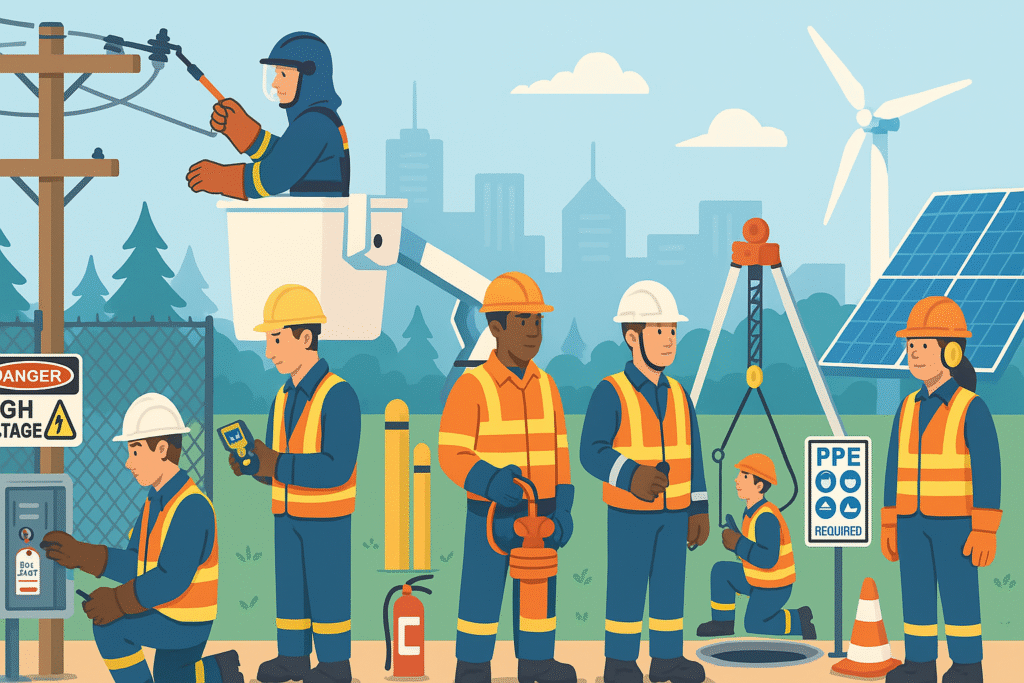
Carry spill response socks that stay flexible in sub-zero temperatures, and an intrinsically safe headlamp for night callouts.
For cold-stress hazard awareness, share NIOSH’s cold stress guidance with crew leads and build it into your tailgate talks.
Winter Safety Tools for Municipal & Public Works
Plow operators, sanitation teams, and water crews need gear that handles snow, brine, and long shifts. Outfit vehicles with compact traction boards, reflective flags or cones that remain visible in blowing snow, and a broom plus scraper for quick clearing of steps and grab rails.
Hydration systems with insulated hoses prevent freezing and keep workers drinking regularly—dehydration raises cold-injury risk.
Provide anti-fog safety glasses designed for temperature swings, and face coverings that warm incoming air without obstructing vision.
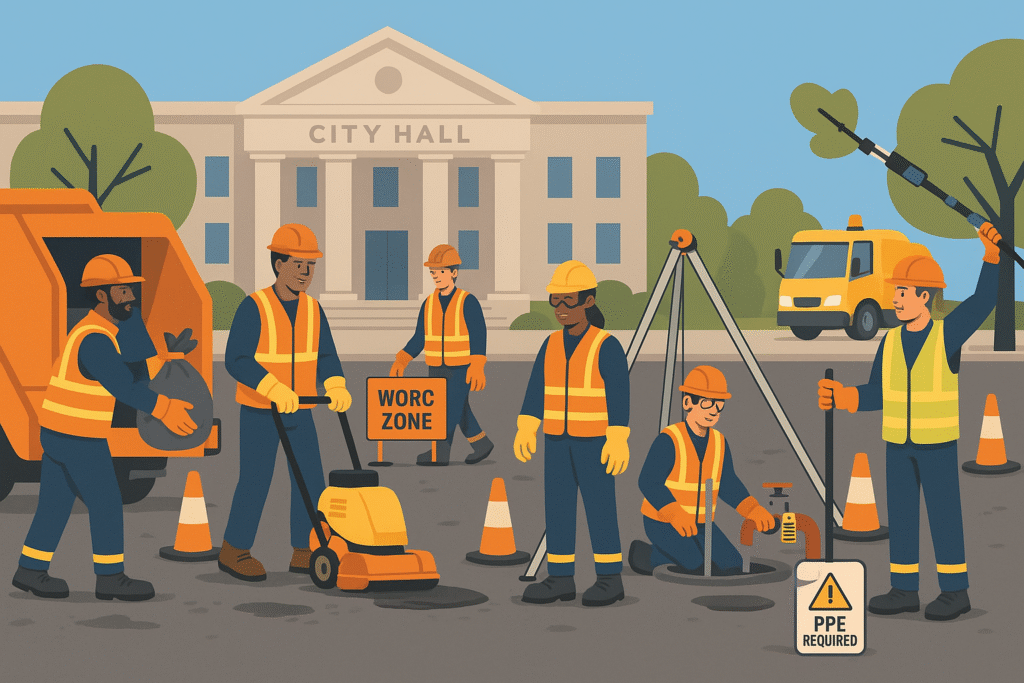
For hydrant, valve, and manhole work, a portable LED floodlight on a tripod dramatically improves visibility during early sunsets. Link supervisors to an internal winter PPE layering checklistohse.ca to standardize issue.
Winter Safety Tools for Mining & Heavy Industry
Open-pit and surface operations encounter wind exposure and heavy mobile equipment. Equip spotters with high-output flashlights and illuminated wands for hand signals in low visibility.
For operators, keep an emergency thermal blanket, fire-extinguisher rated for equipment fluids, and a compact first-aid kit including chemical warmers. Use anti-slip step covers on equipment ladders and platforms; verify adhesive performance below freezing.
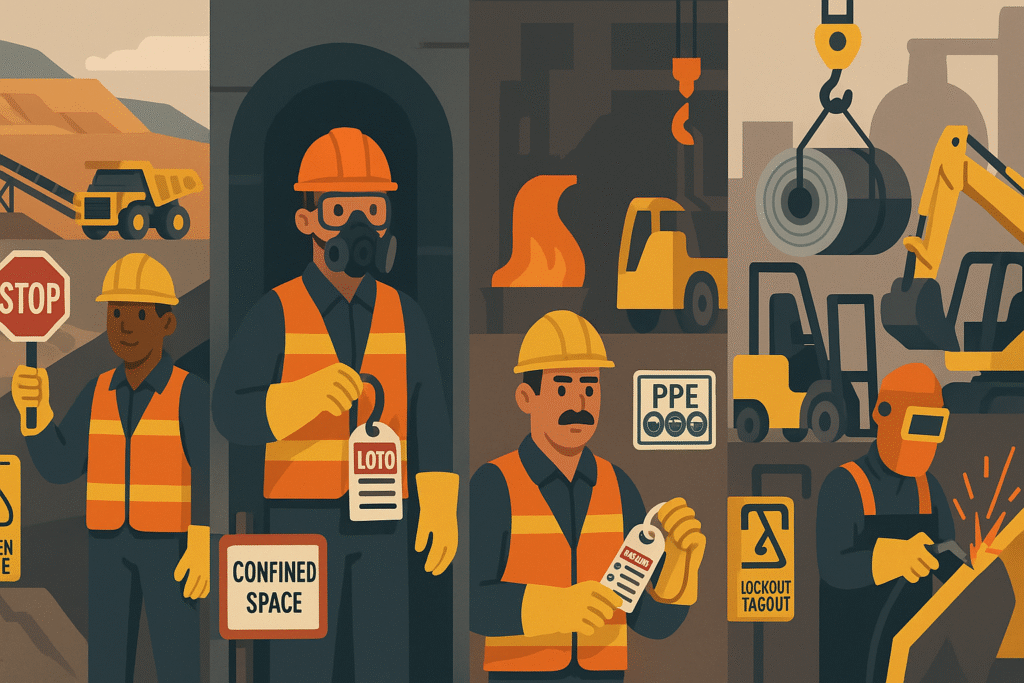
In processing plants, keep frost-safe lockout tags and pens that write on cold, damp surfaces. Moisture meters and infrared thermometers help detect condensation points that could freeze and create slip hazards.
A ruggedized two-way radio with dedicated emergency channel is a must when cellular coverage fades in storms.
Winter Safety Tools for Healthcare & Social Services
Patient transfers on icy sidewalks, cold lobby drafts, and parking lot slips are seasonal drivers of injury. Equip outreach and home-care staff with low-profile traction aids, a foldable walking cane with an ice tip for clients, and an emergency blanket.
Keep a small pouch with hand warmers, nitrile glove liners under exam gloves for brief outdoor exposures, and anti-fog eyewear.
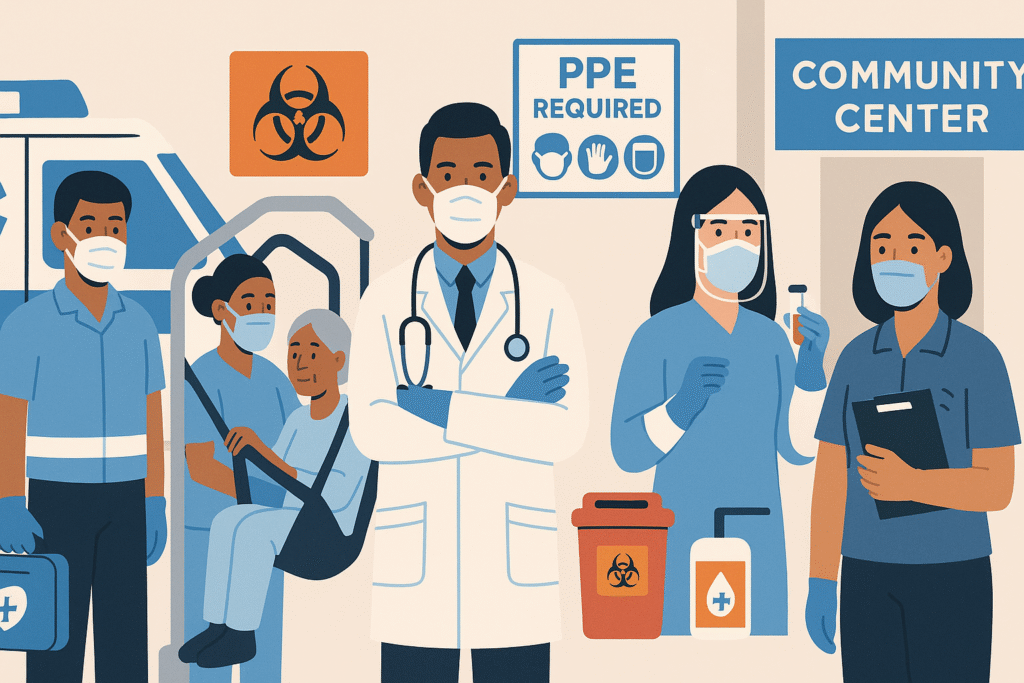
At facilities, place absorbent entrance mats with bevelled edges, wet floor signs, and dedicated “mop and dry” kits to remove meltwater fast. Portable CO monitors are useful where temporary heaters are deployed.
Build a simple “get-home” kit for staff working late during storms: flashlight, reflective armband, phone power bank, and a compact scraper.
Winter Safety Tools for Office, Retail & Education
Even “low-risk” workplaces see winter spikes in sprains and fractures. Stock salt or eco-friendly traction pellets at each entrance with scoopers and a checklist for scheduled application.
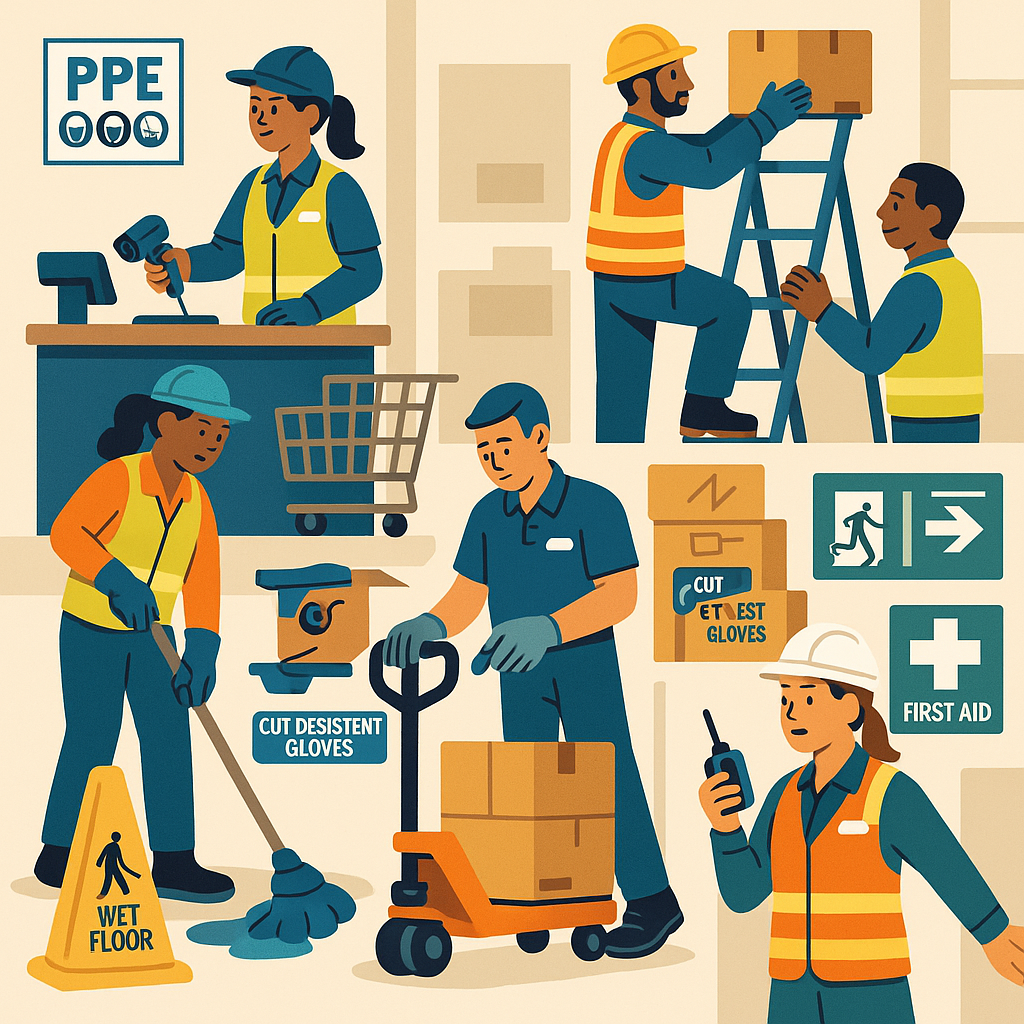
Provide boot trays, umbrella stands, and microfiber mops near vestibules. Issue custodial teams a non-contact thermometer for HVAC spot checks and a lux meter to confirm exterior lighting levels meet policy—dim lighting masks ice.
Reception and security should have a weather radio app on a dedicated tablet, plus pre-written notifications for delayed openings or building closures. For a fast internal primer, share your winter hazard roundup so supervisors can brief their teams consistently.
Selecting and Maintaining Winter Safety Tools
The best kit is one that workers actually use. Choose tools that fit existing workflows and allow gloved operation. Test traction aids with the exact boots your crews wear—ensure toe caps and met guards remain compliant.
For heated wearables, pick rechargeable systems with battery status indicators and secure cable routing so harnesses and seat belts don’t snag.
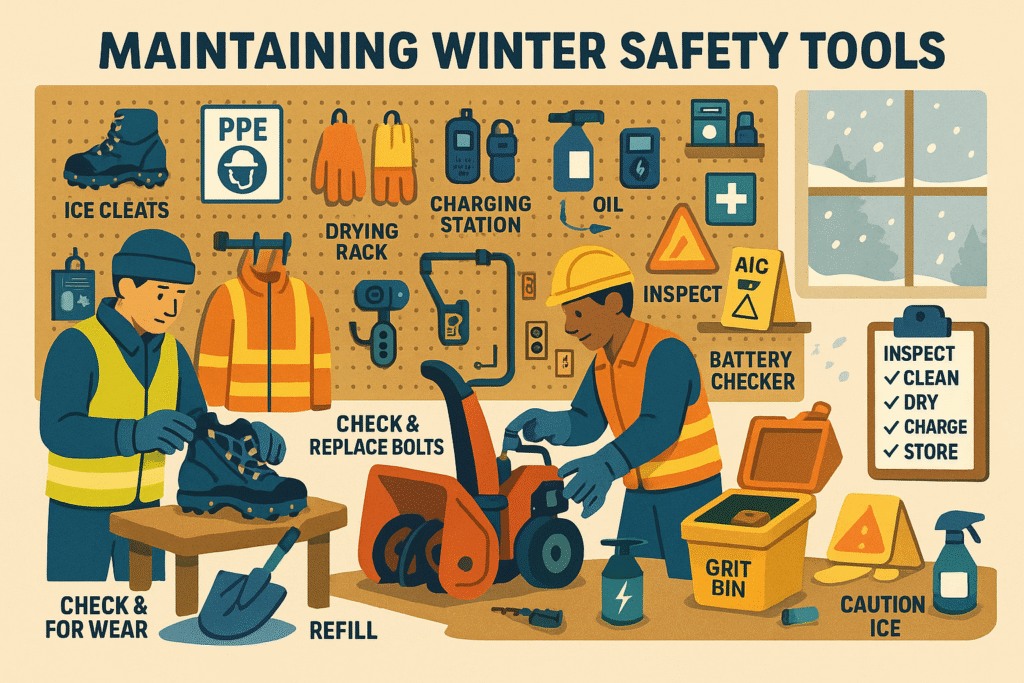
Storage matters: keep absorbents, de-icer, and first-aid kits inside temperature-controlled spaces when possible. Rotate ice melt to avoid clumping; clearly label containers with application rates to prevent overuse that makes floors slick.
Build a simple restock cycle: assign responsible persons, check weekly during winter months, and tie the check to routine inspections so it isn’t forgotten.
Training, Policy, and Signals That Drive Use
Tools reduce risk only when paired with clear expectations. Update your winter safe-work procedures to specify when traction aids are mandatory (e.g., during active precipitation or when temperatures are below freezing).
Add a brief “conditions check” to pre-shift huddles: surface temperature, wind chill, and any new obstructions from snow or plowing.
Use a three-level alert (Normal / Caution / Restrict) with triggers tied to objective thresholds like wind chill values from Environment Canada and internal incident trends.
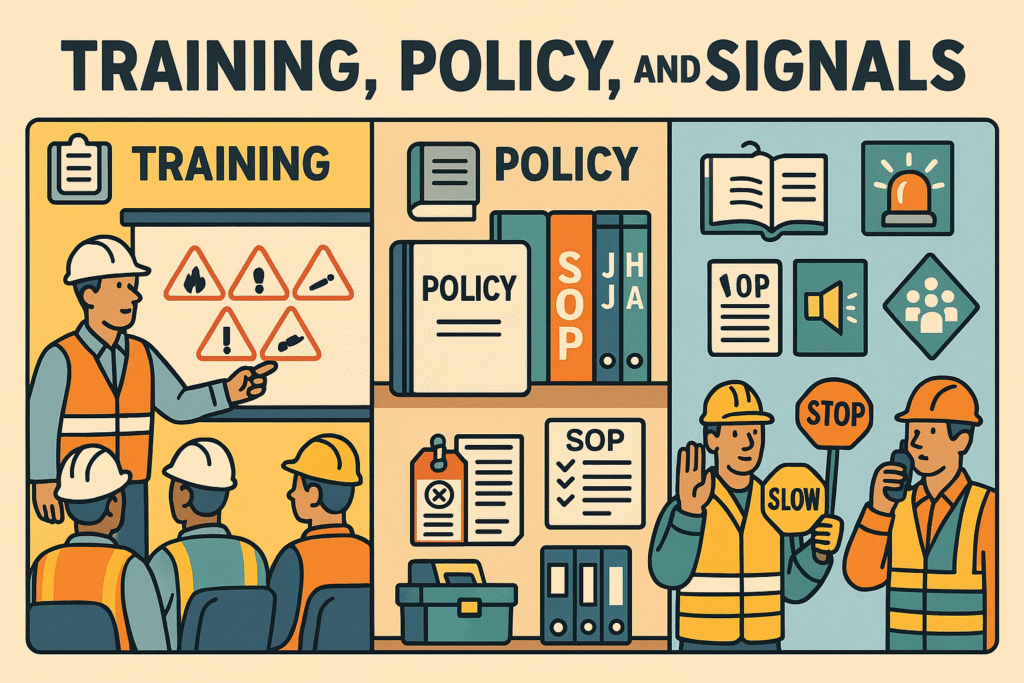
Supervisors should model use by wearing the equipment, and safety reps can run 5-minute demonstrations on correct fit for traction devices and heated gear.
Close the loop by tracking near misses and minor slips; if numbers aren’t dropping, adjust the kit or training and share results transparently.
Quick Reference: Minimum Winter Safety Tools by Sector
| Industry | Top Winter Risks | Minimum Kit (Starter) |
|---|---|---|
| Construction & Trades | Slips on scaffold ladders; bulky layers interfering with harness fit | Traction overshoes, insulated cut-resistant gloves, heated vest, ice scraper + grit, dry-stored fall-arrest |
| Transportation & Logistics | Low visibility, icy yards, cold-soaked batteries | Strobe beacon, headlamp, traction mats, shovel, de-icer, booster pack, dock absorbents |
| Energy & Utilities | Arc/FR compatibility, frozen valves, night callouts | FR/arc-rated liners, dielectric gloves (warm storage), intrinsically safe headlamp, thermal camera |
| Municipal & Public Works | Long shifts, brine exposure, night work | Cones/flags, traction boards, insulated hydration, anti-fog eyewear, tripod floodlight |
| Mining & Heavy Industry | Mobile equipment, wind exposure | Illuminated wands, thermal blanket, equipment-rated extinguisher, anti-slip step covers, rugged radios |
| Healthcare & Social Services | Patient transfers, icy entrances | Low-profile traction aids, cane ice tip, compact first-aid + warmers, absorbent mats, CO monitor |
| Office, Retail & Education | Entrances and parking lots | Salt/eco pellets with scoopers, boot trays, microfiber mops, exterior lighting checks, alert templates |
Implementation Checklist You Can Roll Out This Week
- Audit entrances, vehicle steps, and egress routes for ice formation and lighting; fix high-risk spots first.
- Standardize traction aids by role; train fit, inspection, and replacement.
- Stage small “micro-kits” (scraper, grit, absorbent pads, signage) at each entrance and vehicle.
- Update safe-work procedures to define cold thresholds, break frequency, and PPE specifics.
- Share a short internal explainer and link supervisors to your OHSE.ca winter PPE layering checklist and slips, trips, and falls guide for consistent coaching.
No comments yet