
Electrical Safety Basics for Maintenance Teams: Practical Steps to Prevent Shock and Arc Flash

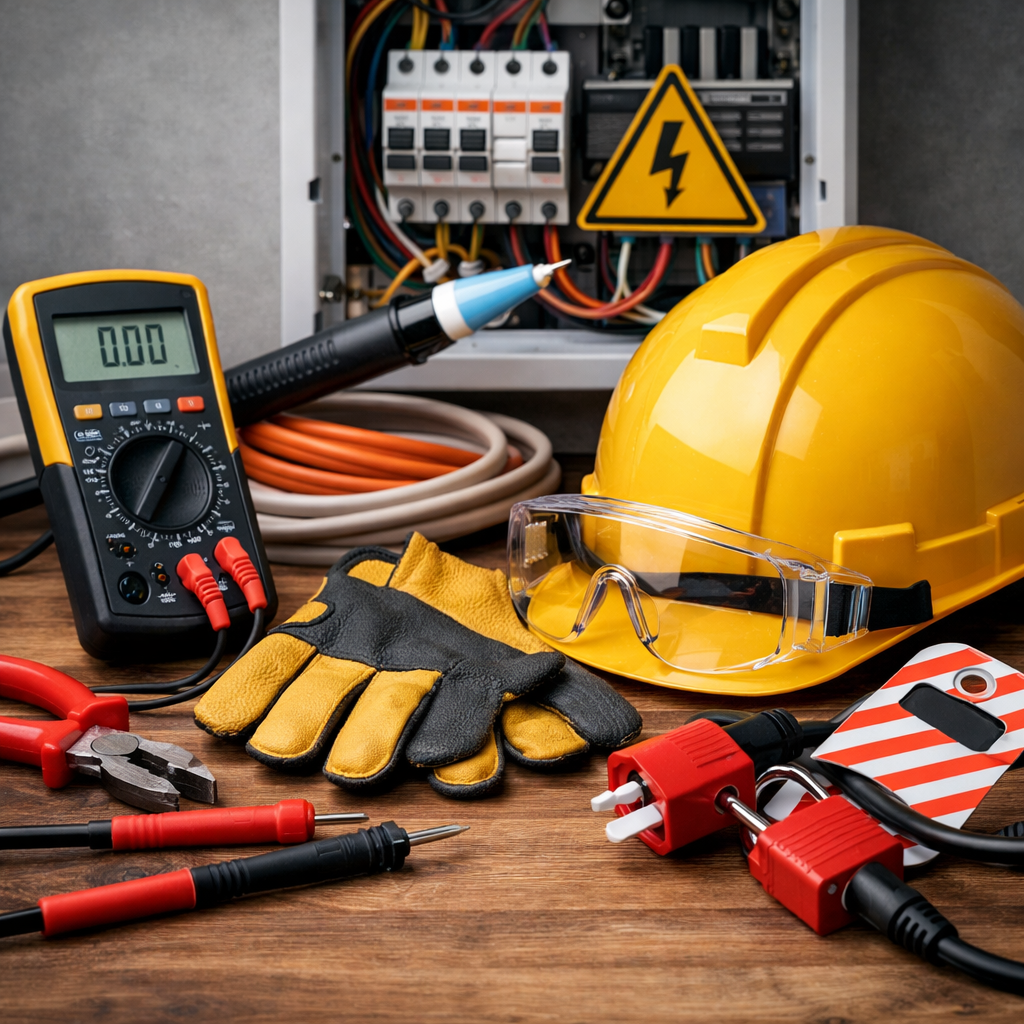
Electrical safety basics are essential for maintenance teams because even routine tasks can expose workers to serious shock hazards, burns, and arc flash incidents.
In plants, commercial buildings, and workshops, the risk often appears during troubleshooting, testing, panel access, and equipment isolation. A safe job depends on more than experience alone. It requires planning, verified de-energization, proper protective equipment, and a clear understanding of the task.
For maintenance leaders and technicians, the goal is simple: prevent contact with energized parts, reduce the chance of an arc event, and make safe work planning a standard part of every job. Guidance from organizations such as OSHA and the CCOHS reinforces the same point: electrical work must be approached systematically, not casually.
Electrical Safety Basics Start With Hazard Recognition
Many incidents happen not because the task is unusual, but because the hazard is underestimated. Maintenance teams often work under time pressure, in tight spaces, or around equipment that has been modified over the years.
Those conditions can hide energized conductors, damaged insulation, missing covers, poor labeling, or unexpected stored energy. The first step in applying electrical safety basics is to identify what could go wrong before touching the equipment.
Shock hazards in everyday maintenance work
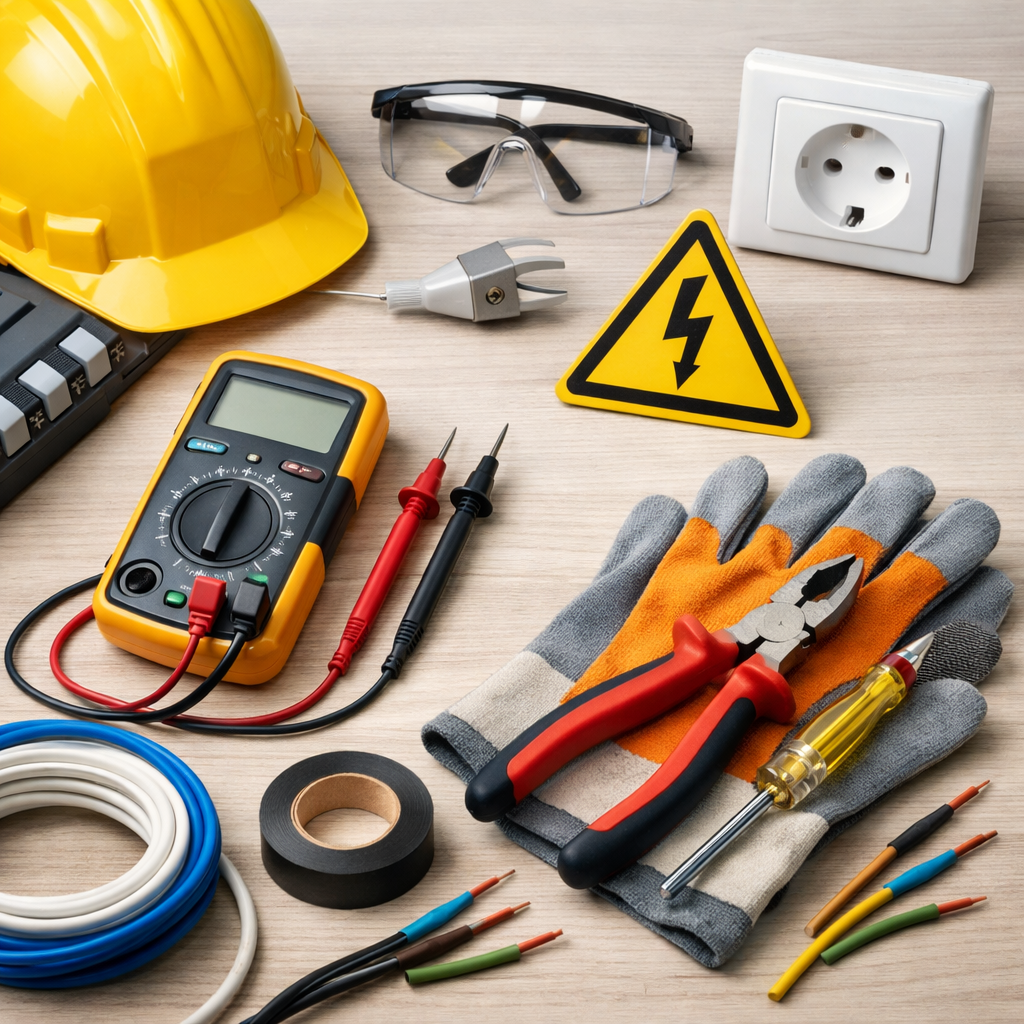
Shock occurs when the body becomes part of the electrical path. That can happen through direct contact with live parts, accidental tool contact, damaged cords, wet surfaces, or faulty grounding.
Even relatively low voltages can cause injury under the right conditions. Moisture, metal ladders, conductive flooring, and cramped working positions all increase risk. A technician replacing a motor starter, for example, may believe the circuit is off, but if a backfeed or mislabeled breaker exists, the danger remains.
Common shock hazard sources include:
- Exposed conductors inside panels and junction boxes
- Improperly locked out disconnects
- Damaged extension cords, plugs, and portable tools
- Temporary wiring used beyond its intended purpose
- Missing grounding or bonding connections
- Wet or contaminated work areas
One practical control is to treat all conductors as energized until they are isolated, locked out, and tested. That mindset helps prevent assumptions that lead to injury. Teams can also strengthen prevention by using clear equipment labeling and keeping maintenance records current. A related topic in many facilities is improving lockout/tagout procedures so isolation points are easier to identify.
Arc Flash Awareness Is a Core Part of Electrical Safety Basics
Shock is not the only danger. Arc flash can release intense heat, pressure, molten metal, and sound in a fraction of a second. Unlike a simple contact shock, an arc event can injure workers standing nearby, even without direct contact with energized parts.
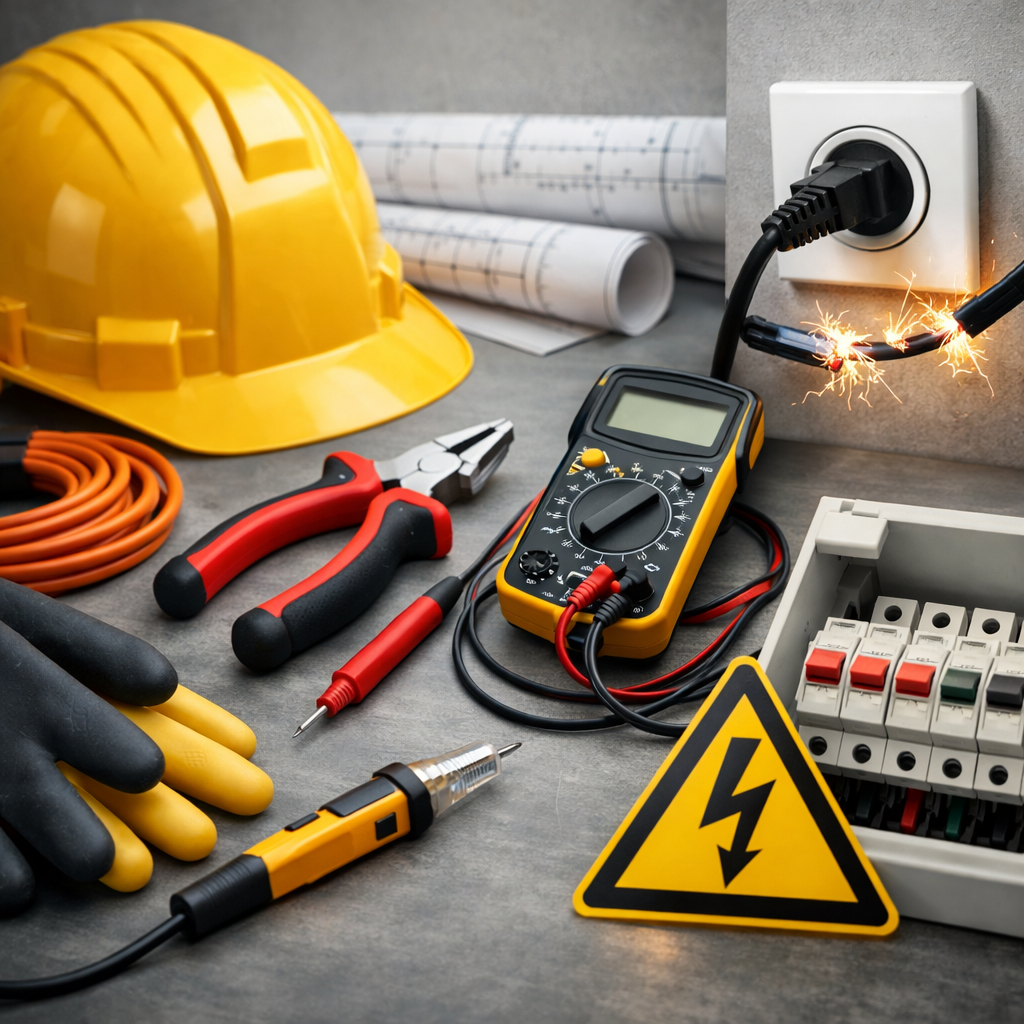
Maintenance tasks such as voltage testing, racking breakers, opening energized panels, and troubleshooting control systems can create conditions where an arc flash becomes possible. This is why electrical safety basics must include arc flash awareness, not just basic lockout habits.
What increases arc flash risk
Arc flash risk rises when equipment is energized and a fault can be triggered by tools, loose connections, equipment failure, dust, corrosion, or human error. Older gear may have limited maintenance history, increasing uncertainty.
Teams should watch for warning signs such as overheating, discoloration, damaged insulation, buzzing components, loose covers, and evidence of prior faults. These are not minor issues. They may indicate that equipment condition is already degraded.
Basic arc flash controls include:
- De-energizing equipment whenever feasible before work begins
- Establishing boundaries and limiting access to qualified persons
- Using arc-rated clothing and face protection where required
- Selecting insulated tools appropriate to the task
- Following the equipment label and site-specific safe work procedures
- Keeping panels closed and secured when not actively being serviced
The hierarchy of controls is useful here. Elimination is strongest, meaning de-energize the equipment whenever possible. Engineering controls, such as well-maintained protective devices and properly designed enclosures, come next. Administrative controls include permits, training, and job briefings. Personal protective equipment is important, but it should never be the only protection in place.
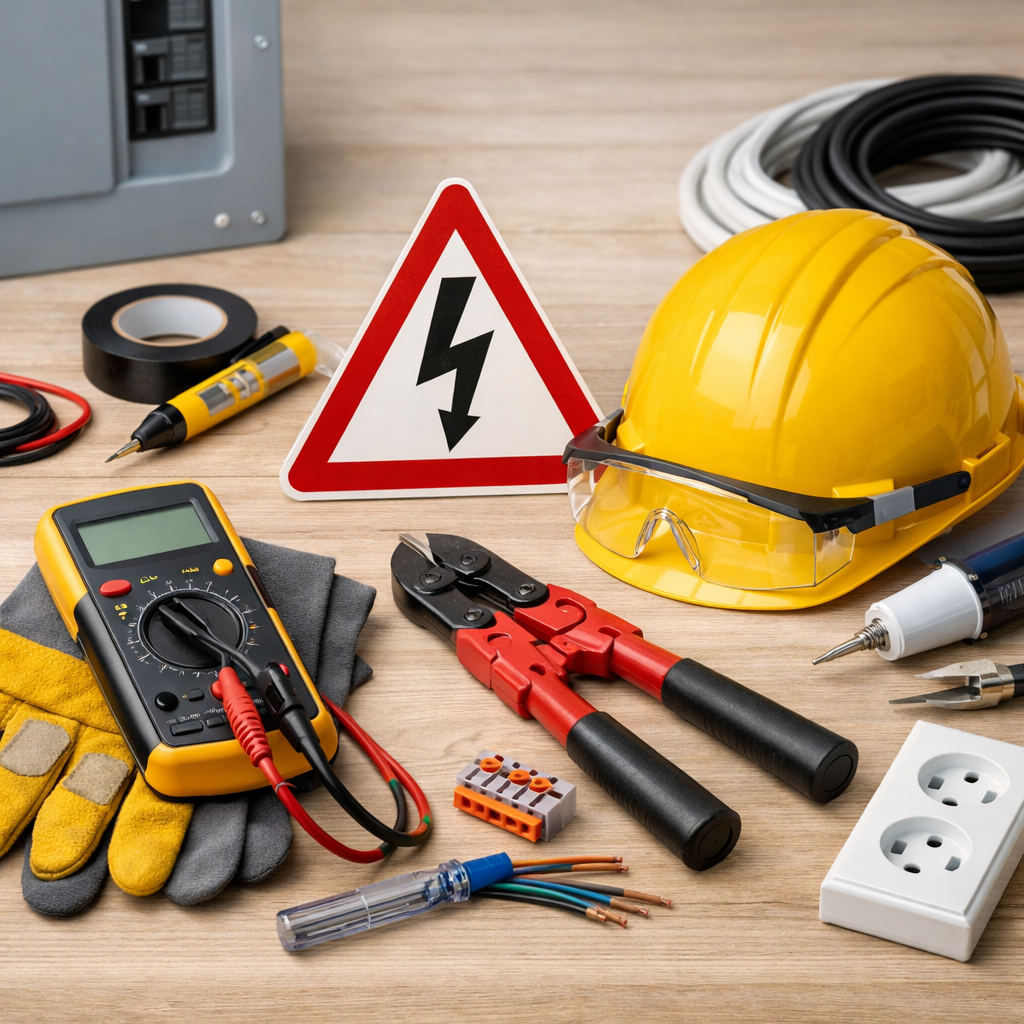
For teams reviewing PPE and approach limits, standards and technical resources from NFPA can support internal programs, alongside site rules and legal requirements.
Safe Work Planning Turns Electrical Safety Basics Into Daily Practice
A strong safety culture is built before the panel door opens. Safe work planning helps maintenance crews slow down, define the task, and confirm controls. It is one of the most practical ways to apply electrical safety basics in the real world.
Before starting work, a supervisor or qualified worker should confirm the scope, energy sources, isolation points, required permits, tools, test instruments, PPE, and emergency response expectations. If any part of that information is unclear, the job should pause until the gap is resolved.
A simple pre-job planning checklist
Short, consistent planning conversations often prevent serious incidents. A brief job plan should cover:
- What equipment will be serviced and what is its current condition?
- Can the work be done in a de-energized state?
- What are the shock and arc flash hazards?
- Which isolation points must be locked and tagged?
- How will absence of voltage be verified?
- What PPE, tools, and barriers are required?
- Who is qualified to perform the work and who is authorized to support it?
- What is the rescue or emergency response plan if something goes wrong?
A common example is a technician troubleshooting a failed conveyor motor. Instead of opening the starter bucket immediately, the team should review the one-line diagram, isolate all possible feeds, lock out the disconnect, test the meter on a known source, verify absence of voltage, and only then begin inspection. If energized diagnostic testing is truly necessary, the task should be justified, controlled, and authorized.
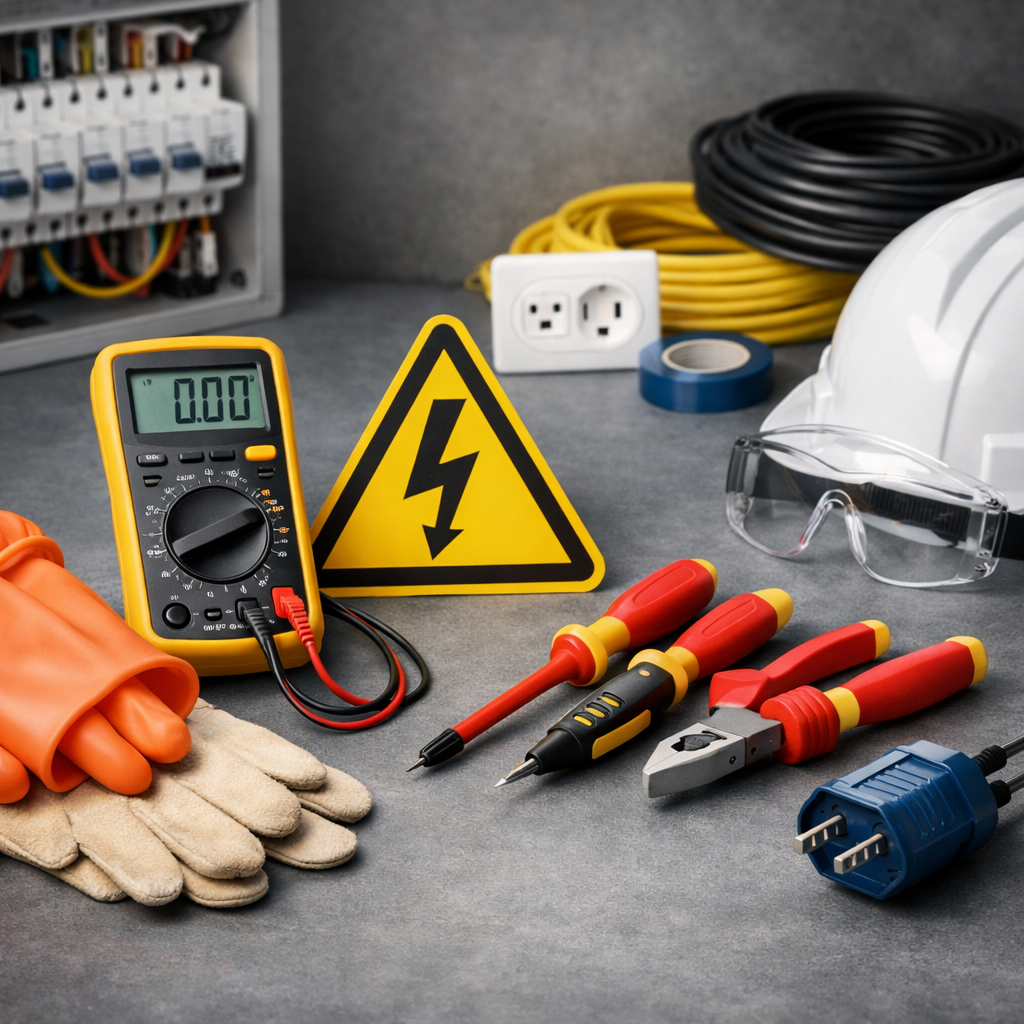
Many organizations also benefit from documenting these steps in a standard maintenance form. Internal resources such as a maintenance risk assessment checklist can improve consistency across shifts and contractors.
Training, Verification, and Daily Habits That Support Electrical Safety Basics
Training is most effective when it connects directly to the jobs people perform. Maintenance teams need more than general awareness. They need practical instruction on electrical isolation, test-before-touch principles, meter use, arc flash boundaries, equipment condition checks, and incident reporting.
Refresher training matters too, especially where equipment changes, temporary systems are installed, or new workers join the team. Supervisors should also verify competence in the field, not just in the classroom. Observations, toolbox talks, and post-job reviews help turn procedures into habits.
Key controls maintenance teams should verify
| Hazard | Typical Risk | Practical Control Measure |
|---|---|---|
| Unexpected energization | Shock, arc flash, equipment movement | Lockout/tagout, clear labeling, verified isolation |
| Failure to test for voltage | Contact with live parts | Use rated test instruments and verify absence of voltage |
| Damaged tools or cords | Shock, burns | Inspect before use and remove defective items from service |
| Working on energized equipment | Arc flash, blast injury | De-energize whenever feasible and use approved energized work controls |
| Poor housekeeping or wet conditions | Slip, shock, indirect contact hazards | Keep work areas dry, clean, and well organized |
Daily discipline makes a measurable difference. Inspect cords and portable tools before use. Keep panel fronts accessible. Replace missing covers promptly. Report unusual smells, heat, or trip events. Never bypass protective devices to “get the job done.” Small shortcuts are often the starting point of serious electrical incidents.
Electrical safety basics protect maintenance teams when they are applied consistently: identify hazards, de-energize whenever possible, verify isolation, respect arc flash risk, and plan the work before starting. In busy facilities, these basics are not optional. They are the foundation of safe, reliable maintenance and a key part of sending every worker home uninjured at the end of the shift.
No comments yet