
Portable Tool Safety Checks Before Every Job: A Smart Pre-Use Guide

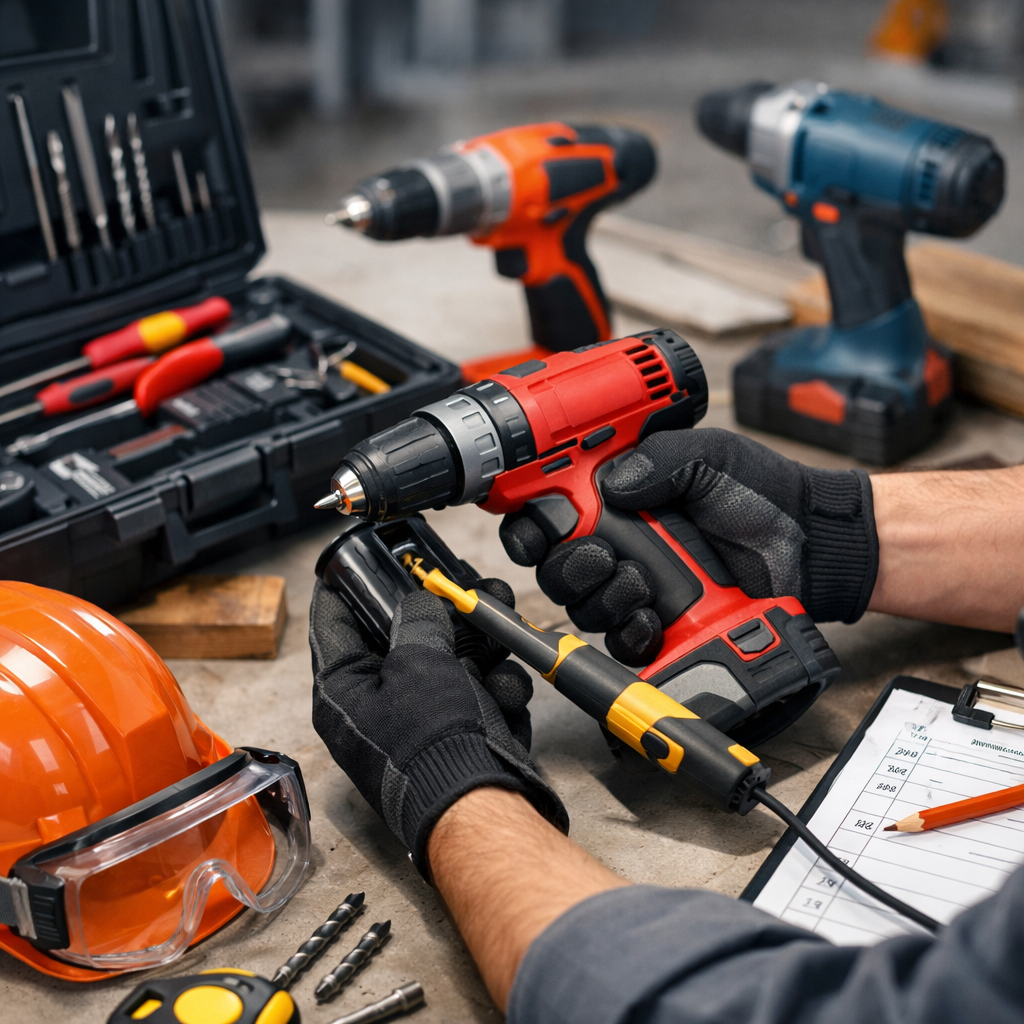
Portable tool safety checks should be the first step before any task begins, whether the job takes place on a construction site, in a workshop, or during routine maintenance. A quick inspection can prevent electric shock, cuts, flying debris injuries, fire hazards, and equipment failure.
Too often, workers assume a tool is safe because it worked yesterday. In reality, portable tools are exposed to drops, vibration, moisture, dust, overloaded circuits, and rough transport. That daily wear can create hidden defects that only show up when the tool is under load.
Building a simple pre-use routine helps reduce downtime, protect workers, and support compliance with workplace safety expectations. Guidance from organizations such as OSHA and CCOHS reinforces the importance of checking tools before use, along with training, maintenance, and proper storage.
Why portable tool safety checks matter on every job
Portable tools are used in changing environments. One day a drill may be used indoors on a clean bench, and the next day it may be taken into a wet outdoor area, a cramped ceiling space, or a dusty plant room. Those conditions directly affect safety.
Pre-use inspections are not just a box-ticking exercise. They help identify damaged cords, cracked housings, worn guards, loose handles, jammed triggers, and accessories that are no longer secure. Catching those issues before work starts is far easier than dealing with an injury or shutdown later.
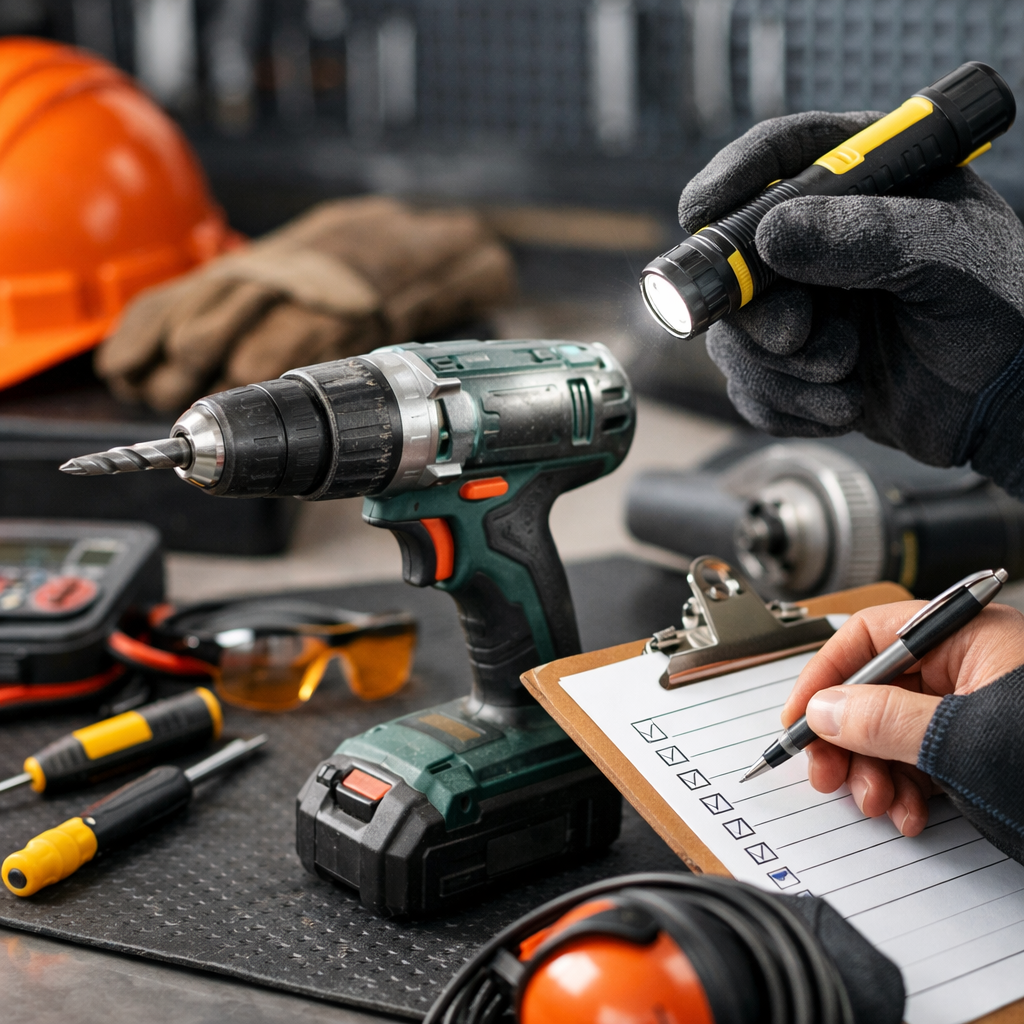
Portable tool safety checks also fit into the Hierarchy of Controls. Elimination and substitution may reduce the need for hazardous tools in some cases, such as using a quieter or lower-vibration tool for the job. Engineering controls include guards, double insulation, and ground fault protection. Administrative controls include inspection routines, tagging defective tools, and worker training. Personal protective equipment, while important, should be the last line of defense rather than the only control.
For workplaces building stronger procedures, it also helps to align inspections with your safety inspection checklists and toolbox talk topics. That keeps portable tool safety checks consistent across crews and shifts.
A practical portable tool safety checks checklist before use
A good inspection does not need to take long. In most cases, a one- to two-minute check is enough to spot obvious defects and confirm the tool suits the task. The key is to perform the same routine every time.
Pre-use checklist for portable tools
- Confirm the right tool for the job: Make sure the tool is designed for the material, task, and environment.
- Inspect the power source: Check plugs, battery packs, chargers, fuel lines, or air hoses for damage.
- Examine cords and leads: Look for cuts, exposed wires, crushed insulation, tape repairs, or loose connections.
- Check the housing: Ensure the casing is not cracked, bent, or missing screws.
- Test switches and triggers: Verify they move freely and return properly without sticking.
- Confirm guards are in place: Guards, covers, and shields should be secure and correctly adjusted.
- Inspect accessories: Blades, discs, bits, sockets, and attachments must be sharp, undamaged, and properly fitted.
- Look for loose parts: Handles, side grips, fasteners, and adjustment points should be tight.
- Check cleanliness: Remove oil, grease, dust, and debris that could affect grip, cooling, or visibility.
- Assess the work area: Make sure lighting, footing, ventilation, and housekeeping are suitable.
- Verify electrical protection: Use residual current protection or ground fault protection where required.
- Wear the right PPE: This may include eye protection, hearing protection, gloves suited to the task, and safety footwear.
- Run a brief functional test: If safe to do so, start the tool and listen for unusual noise, vibration, sparking, or overheating.
These portable tool safety checks should be done before every shift, after a tool is dropped, after repair, and any time there is doubt about its condition. If the tool fails any part of the inspection, it should be removed from service immediately.
Common defects found during portable tool safety checks
Many tool defects are easy to miss when crews are busy. Some develop gradually, while others result from a single incident like impact damage or improper storage. Knowing what to look for makes inspections more effective.
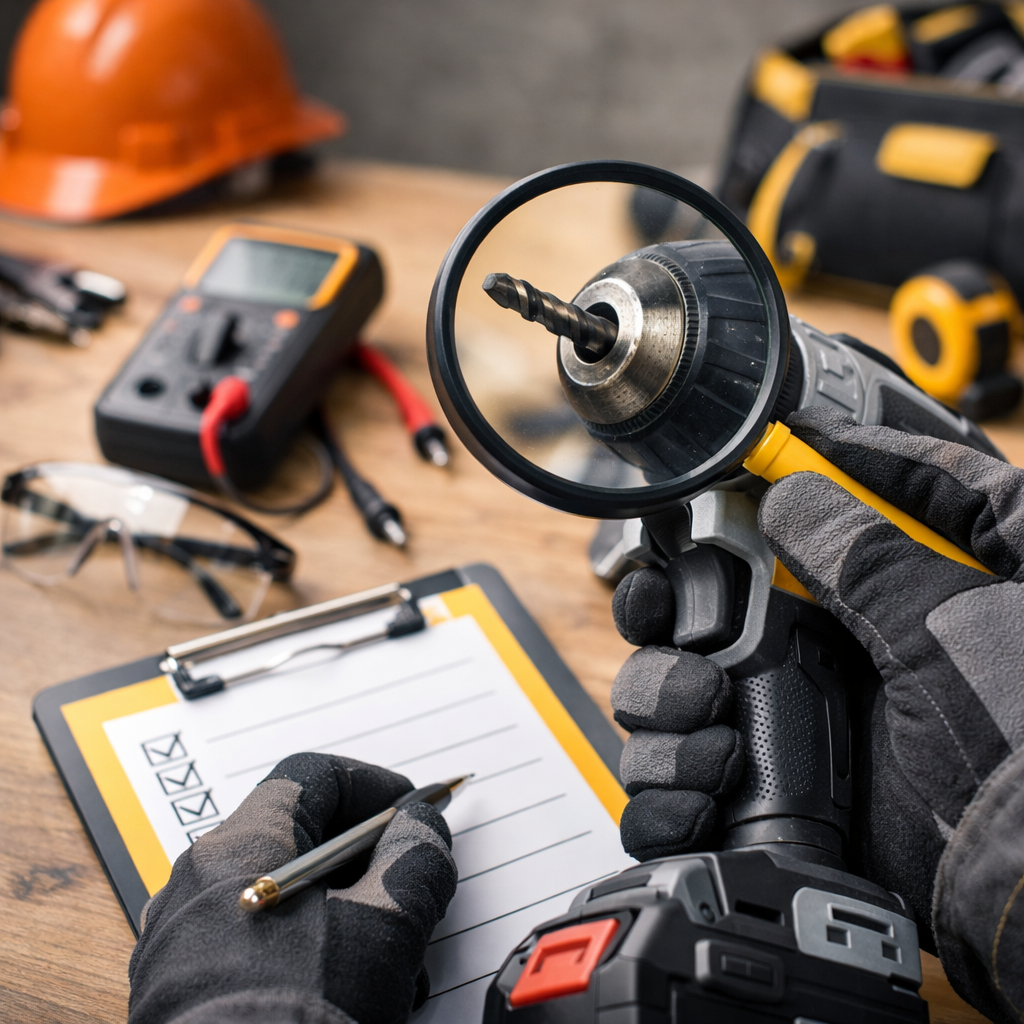
Examples of common defects
Electrical tools often show wear first in the cord and plug. Frayed insulation, bent prongs, scorch marks, or taped repairs are common warning signs. A damaged cord can lead to shock, short circuits, or fire, especially in wet or conductive areas.
Mechanical defects are also common. A cracked grinder guard, a loose drill chuck, a sticking trigger on a circular saw, or worn threads on an accessory mount can all cause sudden loss of control. If a blade or disc is chipped, warped, or incorrectly rated for the tool speed, it can break apart during use.
Battery-powered tools should be checked for swollen batteries, damaged terminals, overheating during charge, and chargers with frayed leads or cracked housings. Pneumatic tools may have worn couplings, leaking hoses, or faulty trigger locks. Even hand-held non-powered tools deserve attention if handles are split, heads are mushroomed, or grips are loose.
| Defect | Example | Main Risk | Action |
|---|---|---|---|
| Damaged cord or plug | Exposed wire, bent pin | Electric shock or fire | Tag out and replace or repair by a competent person |
| Missing or loose guard | Angle grinder guard removed | Contact injury or flying fragments | Do not use until guard is correctly installed |
| Faulty switch | Trigger sticks in the on position | Unexpected start-up | Remove from service immediately |
| Worn accessory | Cracked disc or blunt blade | Breakage, kickback, poor control | Replace with the correct rated accessory |
| Battery damage | Swollen or hot battery pack | Fire, burn, equipment damage | Isolate and follow manufacturer disposal guidance |
How to respond when a tool fails inspection
Portable tool safety checks only work when workers are empowered to act on what they find. If a defect is identified, the tool should never be used “just for one quick job.” That is often when incidents happen.
The safest response is to stop, isolate, and report. Unplug the tool, remove the battery, close the air supply, or otherwise make it inoperable. Tag it clearly so no one else picks it up. Then report it according to site procedure so repair or replacement can be arranged.
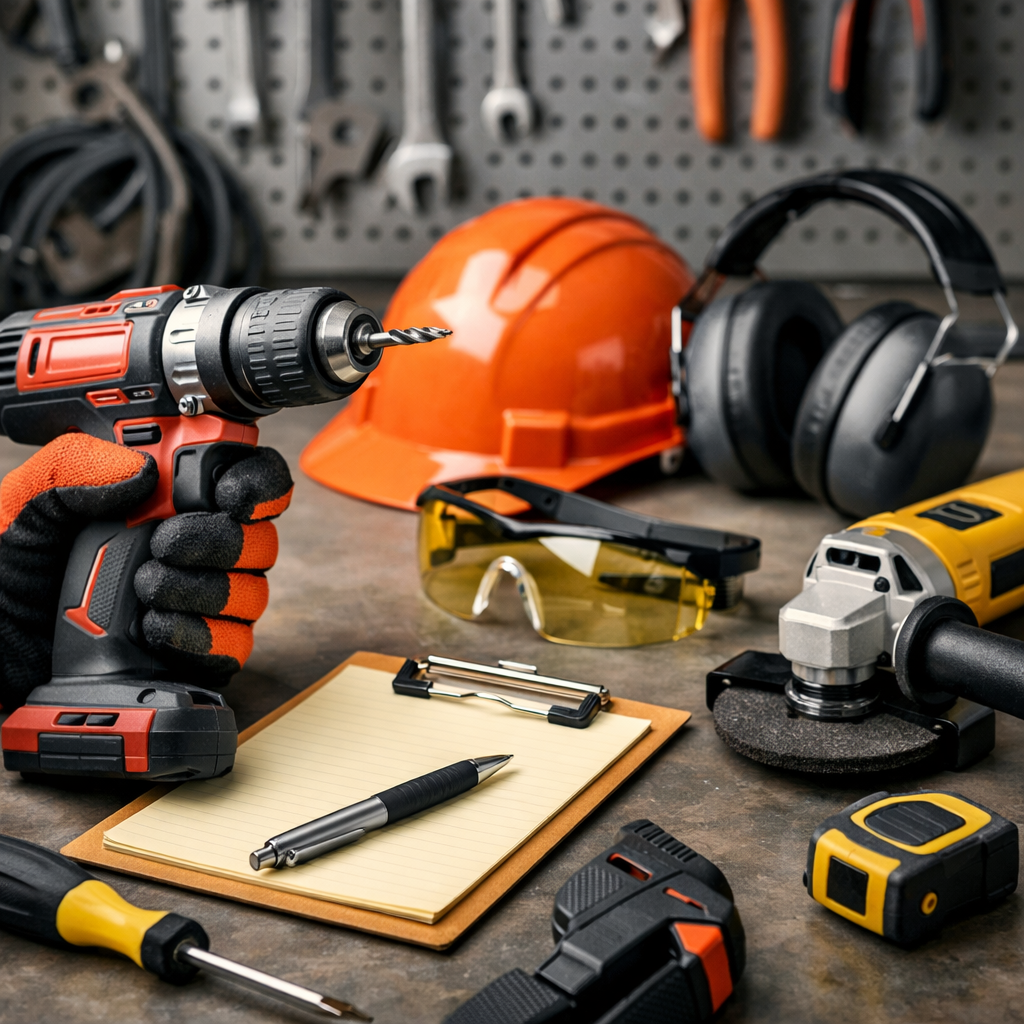
Only competent persons should repair portable tools, and replacement parts should match the manufacturer’s specifications. Improvised fixes, such as taping a damaged cord or bypassing a guard, create far greater risks than the downtime they seem to avoid. Manufacturer instructions also matter. Safe use limits, accessory ratings, and maintenance intervals should always be checked in the tool manual.
Where risks remain high, additional controls may be needed. For example, if the job involves cutting masonry with a portable saw, use dust extraction or wet cutting methods to reduce airborne silica. If a task creates high noise, apply engineering controls where possible and enforce hearing protection. If the work must occur in a wet area, confirm the tool is rated for the environment and use proper electrical protection. The NIOSH guidance on workplace hazards can also support better task planning.
Making portable tool safety checks part of everyday culture
The most effective workplaces make portable tool safety checks a habit, not an afterthought. That starts with training workers on what defects look like, what control measures apply, and how to report issues without delay. Supervisors should reinforce the message that safety checks are part of the job, not a delay to the job.
It also helps to standardize inspections across departments. A simple checklist on a cart, in a mobile app, or attached to a tool storage area makes the process easier to follow. Regular audits can identify repeat problems, such as tools being stored poorly, chargers being overloaded, or extension cords being used incorrectly. Those trends often point to system issues that need fixing.
Portable tool safety checks also improve productivity. A clean, well-maintained tool cuts better, runs cooler, and is less likely to fail mid-task. That means fewer interruptions, fewer injuries, and better work quality. In busy workplaces, those small daily checks often deliver some of the biggest long-term gains.
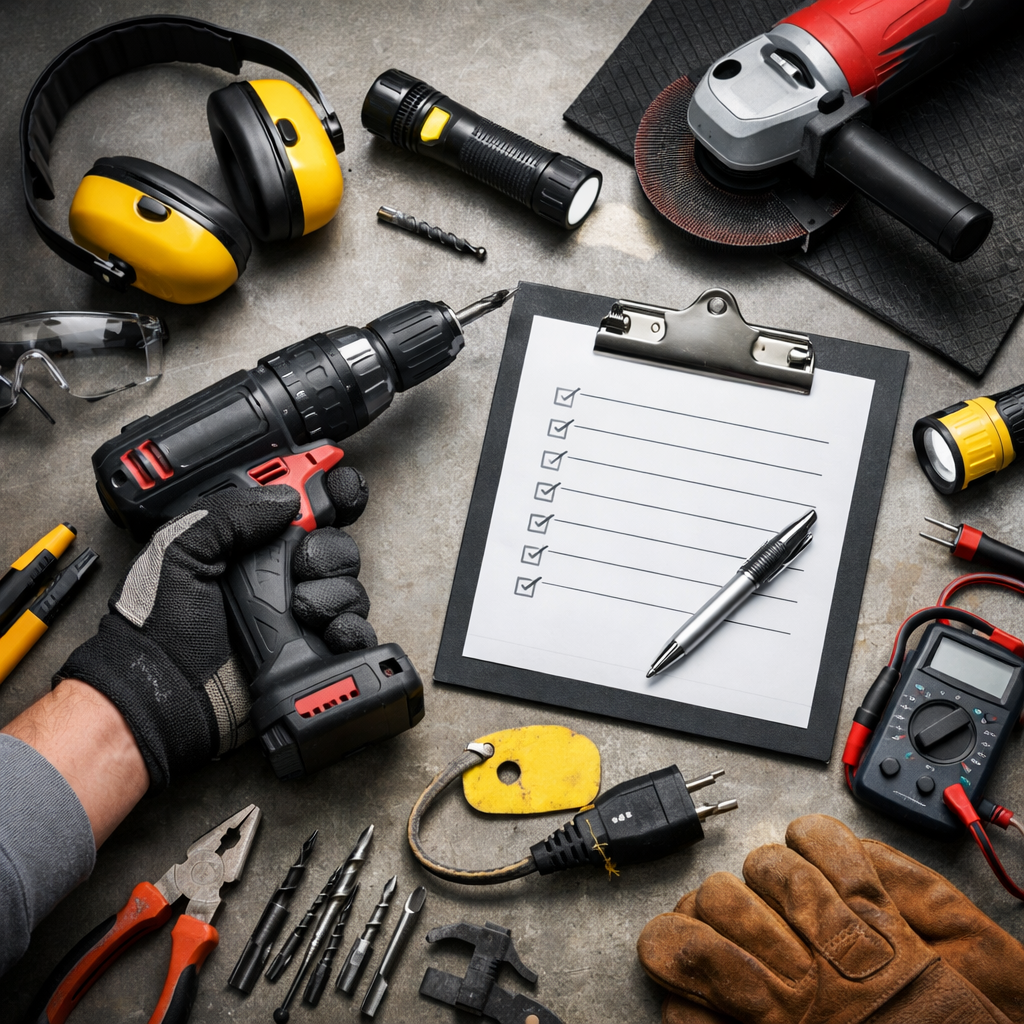
In the end, portable tool safety checks are one of the simplest and smartest ways to prevent harm before every job. A short inspection, clear defect reporting, and the right control measures can protect workers, equipment, and schedules. Make portable tool safety checks a routine standard on every site, and small problems are far less likely to become serious incidents.
No comments yet