
underground ventilation safety: Essential Controls for Health, Compliance, and Daily Operations
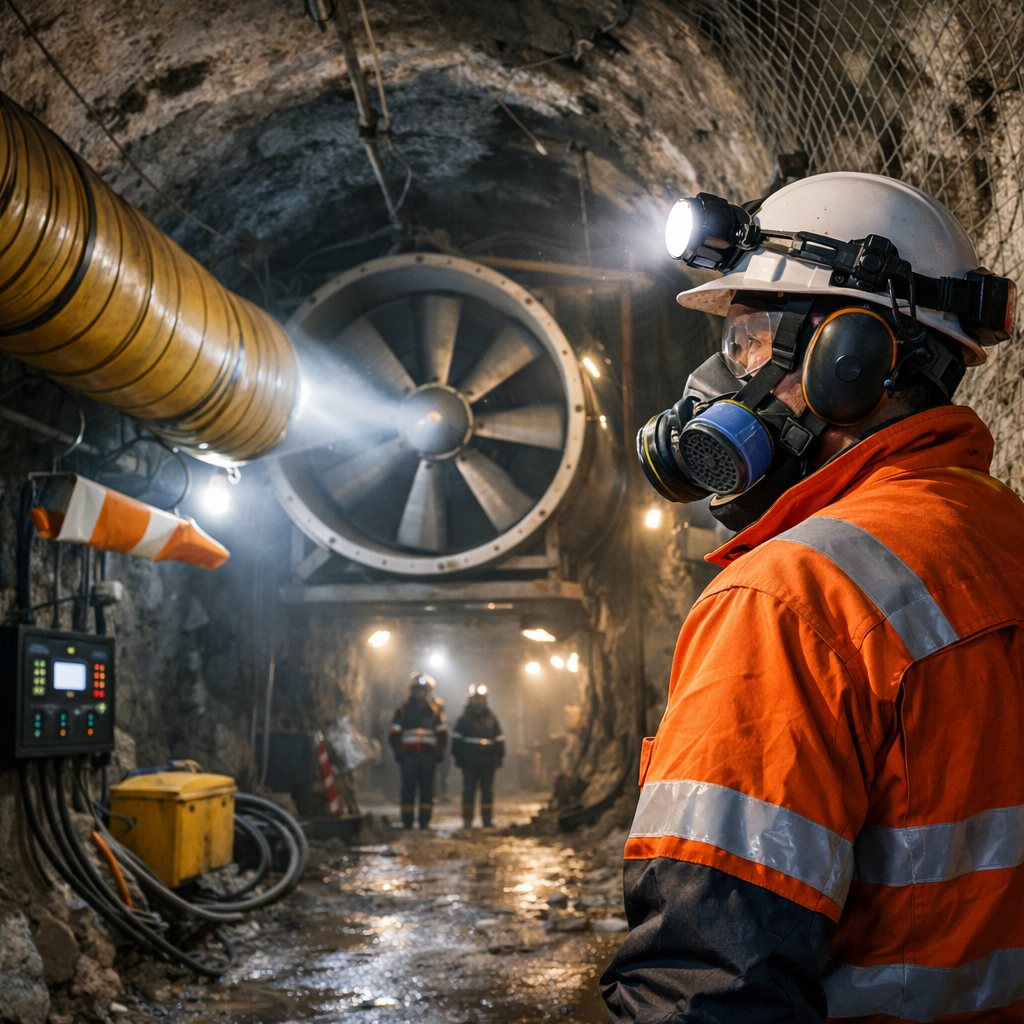

underground ventilation safety is a critical part of protecting workers in mines, tunnels, shafts, and other enclosed below-ground environments.
When air movement is poor, contaminants build up quickly, oxygen levels can fall, and heat stress can rise to dangerous levels within a short time.
Effective ventilation does more than improve comfort. It helps prevent serious injury, long-term illness, equipment damage, production delays, and regulatory breaches.
For employers, supervisors, and health and safety teams, underground ventilation safety should be treated as a core operational control rather than a maintenance afterthought.
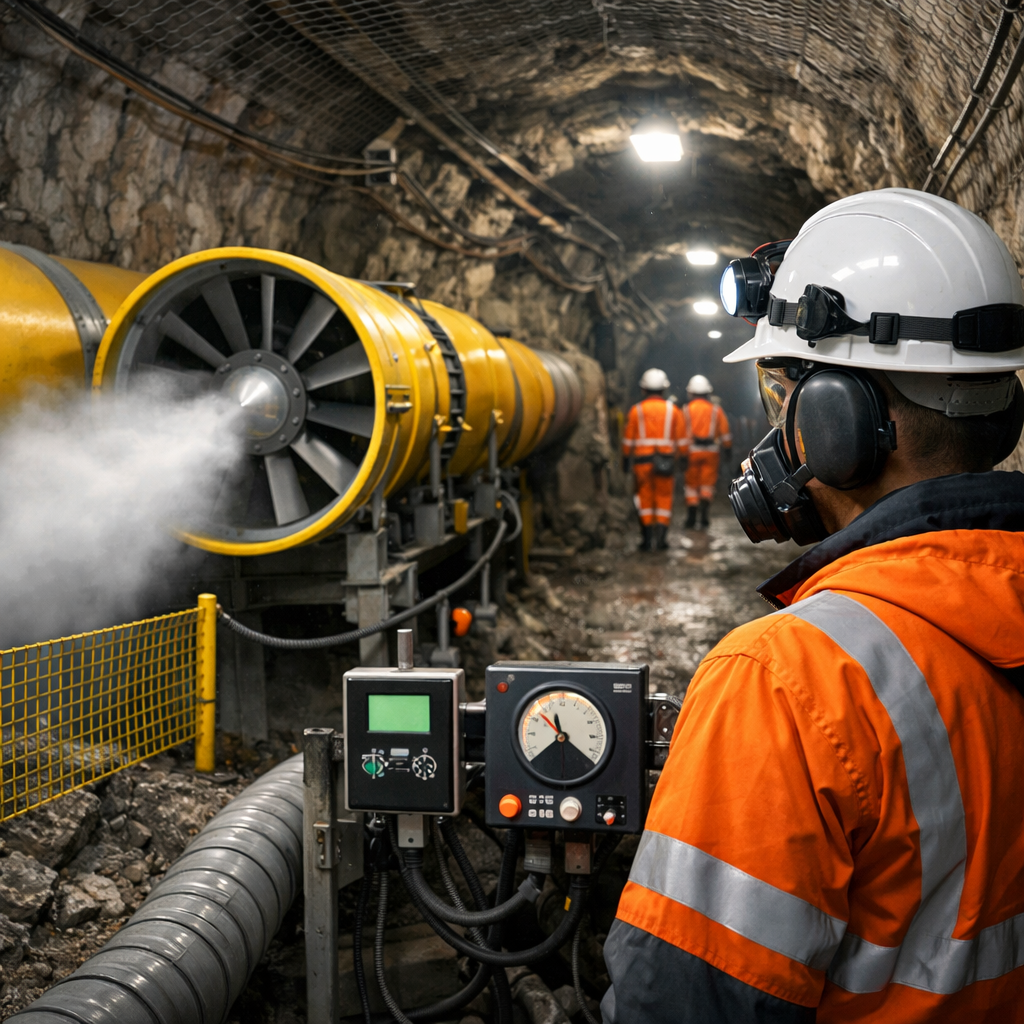
Whether the site involves drilling, blasting, diesel equipment, excavation, or confined maintenance work, the ventilation plan must be designed, monitored, and adjusted to match real conditions underground.
- Why underground ventilation safety matters in high-risk workplaces
- Common hazards and risks linked to underground ventilation safety failures
- Prevention strategies for underground ventilation safety
- PPE, training, and compliance in underground ventilation safety
- Building a stronger underground ventilation safety culture
Why underground ventilation safety matters in high-risk workplaces
Underground work areas present unique hazards because natural airflow is limited and harmful substances can collect in dead zones, headings, and low points.
Dust, diesel exhaust, blasting fumes, methane, carbon monoxide, hydrogen sulfide, and reduced oxygen can all threaten worker health and survival.
In some workplaces, heat and humidity also become major hazards, especially when heavy machinery and geological conditions raise ambient temperatures.
Underground ventilation safety controls these risks by supplying fresh air, removing contaminants, regulating temperature, and supporting safe evacuation during abnormal events.
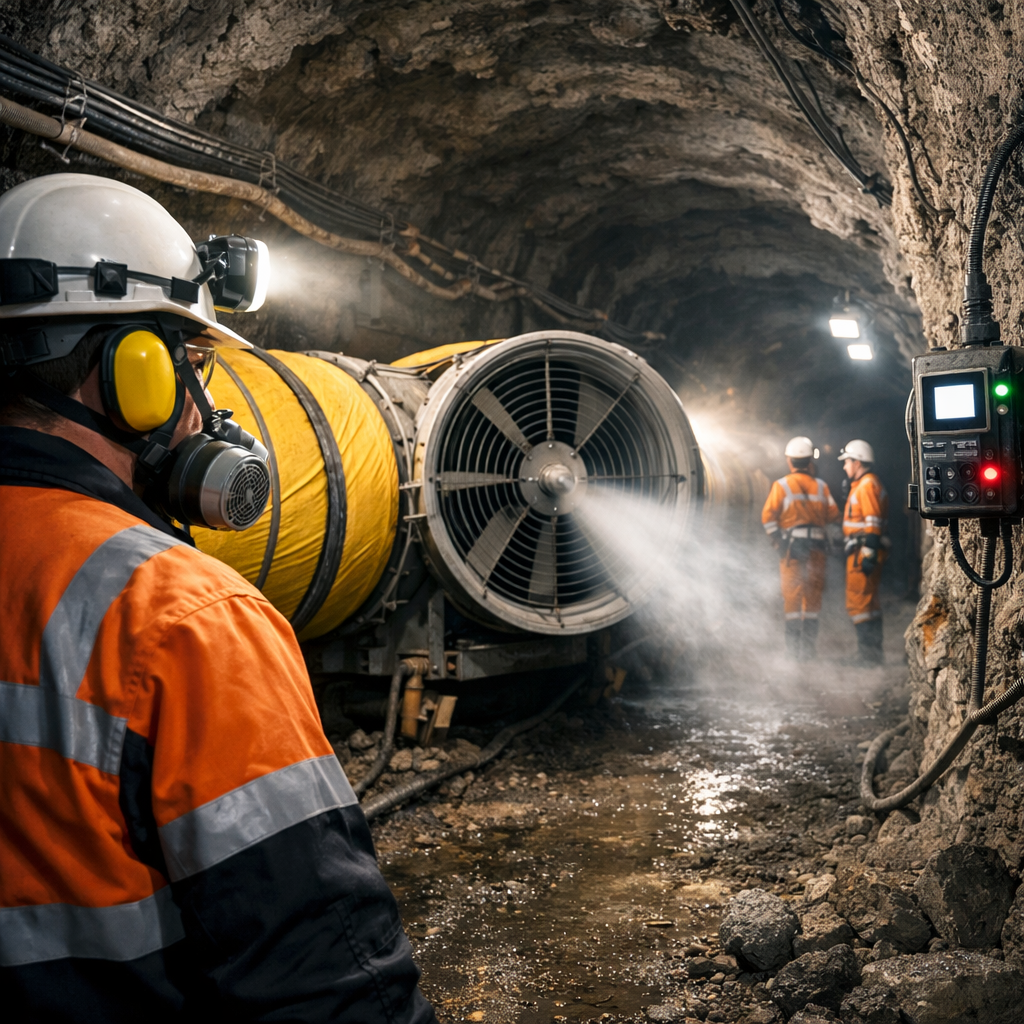
For example, after blasting in a tunnel, workers should not re-enter until ventilation has cleared toxic fumes and testing confirms air quality is within acceptable limits.
Similarly, where diesel-powered loaders or trucks operate in headings, airflow rates must be sufficient to dilute exhaust emissions continuously, not just during inspections.
Organizations such as OSHA and CCOHS provide practical guidance on ventilation, airborne contaminants, and employer duties that can support a stronger site program.
Many employers also strengthen performance by aligning ventilation procedures with their broader safety management system and confined space safety processes.
Common hazards and risks linked to underground ventilation safety failures
Air quality and atmospheric hazards
One of the most serious underground ventilation safety risks is exposure to contaminated air.
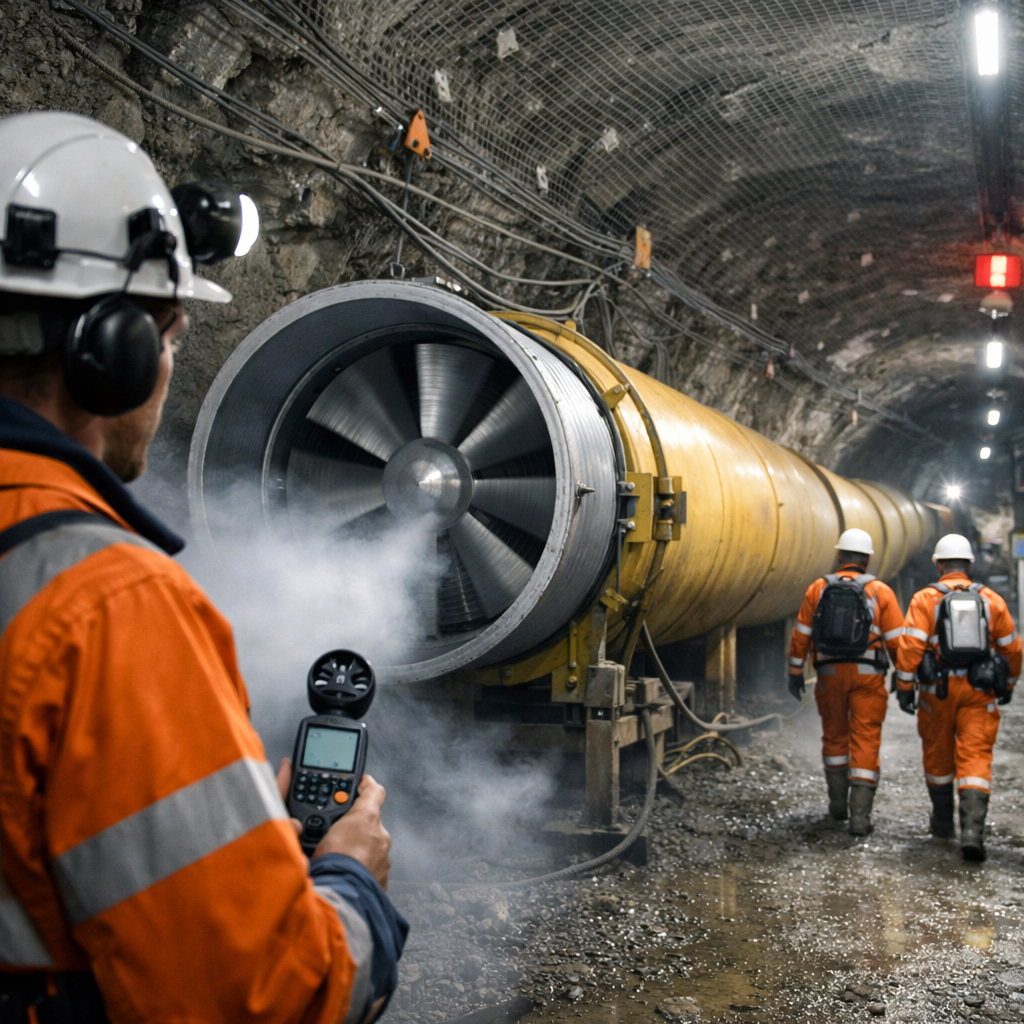
Carbon monoxide from engines or blasting can cause headache, dizziness, confusion, collapse, and death. Nitrogen oxides can severely irritate the lungs, and some gases may not be obvious without direct monitoring.
Low oxygen is another severe hazard. Even a modest drop in oxygen concentration can impair judgment and physical performance, making rescue and evacuation more difficult.
Dust, heat, and fire-related hazards
Respirable crystalline silica, coal dust, and other airborne particulates can create both immediate and chronic health issues.
Without proper underground ventilation safety measures, workers may face eye and throat irritation in the short term and occupational lung disease over time.
Ventilation also plays a major role in managing heat, smoke, and flammable atmospheres. If airflow is poorly designed, hot work, electrical faults, or fuel sources may increase the risk of fire escalation.
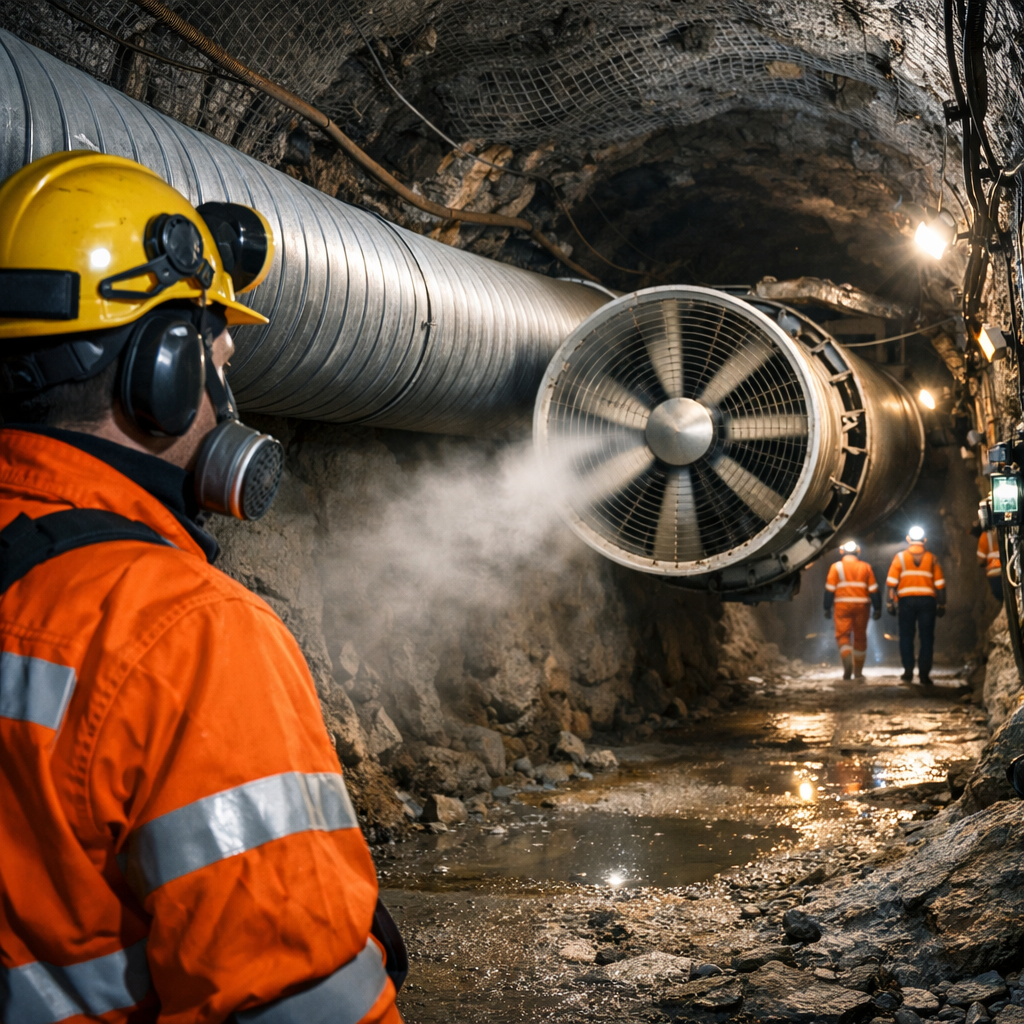
The table below highlights common underground ventilation safety hazards and typical controls.
| Hazard | Potential Impact | Typical Control |
|---|---|---|
| Low oxygen | Impaired judgment, collapse, fatality | Continuous monitoring, fresh air supply, restricted entry |
| Diesel exhaust | Respiratory illness, headaches, long-term exposure effects | Airflow design, equipment maintenance, cleaner engines |
| Blasting fumes | Toxic exposure, delayed re-entry risk | Clearance time, testing, controlled re-entry procedure |
| Dust | Lung disease, irritation, reduced visibility | Ventilation, water suppression, respirators where required |
| Heat and humidity | Heat stress, fatigue, reduced performance | Cooling, airflow increase, hydration and work-rest planning |
Prevention strategies for underground ventilation safety
Apply the hierarchy of controls
The strongest underground ventilation safety programs use the hierarchy of controls instead of relying only on worker behavior.
Elimination may involve removing unnecessary diesel equipment from certain areas. Substitution may include low-emission machinery, battery-powered units, or less hazardous blasting products.
Engineering controls are central. These include primary and auxiliary fans, ducting, regulators, stoppings, air doors, scrubbers, and fixed gas detection systems.
Administrative controls support the system through re-entry rules, maintenance schedules, traffic management, exposure monitoring, permit processes, and emergency planning.
PPE remains important, but it should be the final layer rather than the first line of defense.
Practical control measures underground
A well-designed underground ventilation safety plan should match the actual layout and activities of the site.
That means accounting for tunnel length, equipment type, number of workers, blasting cycles, heat load, and changes in excavation progress.
- Conduct ventilation risk assessments before work begins and whenever conditions change.
- Measure oxygen, toxic gases, and airborne dust using calibrated equipment.
- Inspect fans, ducting, seals, and airflow direction routinely.
- Keep ventilation drawings and airflow plans current and accessible.
- Control vehicle idling and maintain diesel engines to reduce emissions at the source.
- Use barricades or restricted zones where ventilation is inadequate or under repair.
- Verify safe atmospheric conditions before re-entry after blasting, fire, or shutdown events.
Consider a practical example from tunnel maintenance. If workers must repair services at a dead-end heading, auxiliary ventilation should be extended close to the work face, gas testing should be completed before and during the job, and a standby communication process should be in place.
In a mining example, if multiple diesel vehicles operate on the same level during peak production, supervisors may need to stagger movement or limit equipment numbers until airflow is increased.
Guidance from NIOSH Mining can also help employers evaluate engineering solutions and worker exposure trends in underground settings.
PPE, training, and compliance in underground ventilation safety
PPE as the last protective layer
Personal protective equipment supports underground ventilation safety when higher-level controls cannot fully remove the hazard.
Depending on the task and exposure profile, this may include fit-tested respiratory protection, eye protection, hearing protection, gloves, helmets, high-visibility clothing, and cap lamps.
Respirators should only be used within a properly managed respiratory protection program, including hazard assessment, medical review where required, fit testing, maintenance, and worker training.
PPE alone will not make a poorly ventilated workplace safe.
Training, supervision, and legal duties
Workers need practical training on how underground ventilation safety affects their daily tasks.
They should understand warning signs such as unusual fumes, reduced visibility, stagnant air, headaches, or heat stress symptoms, and they should know when to stop work and report concerns.
Supervisors should be able to read ventilation plans, confirm monitoring results, and enforce re-entry and isolation requirements consistently.
Compliance also matters. Depending on the jurisdiction, employers may need to meet mining, tunneling, confined space, respiratory protection, and exposure limit requirements.
Regulators and recognized bodies such as OSHA and CCOHS expect employers to assess hazards, implement suitable controls, provide training, maintain equipment, and document inspections and corrective actions.
Records should include airflow measurements, gas monitoring results, maintenance logs, incident investigations, worker instruction, and emergency drills.
Strong documentation not only supports compliance but also helps identify recurring issues before they become serious failures.
Building a stronger underground ventilation safety culture
Underground ventilation safety works best when it is built into planning, supervision, maintenance, and worker decision-making at every level.
Sites with strong results do not wait for alarms, incidents, or inspector visits. They review data regularly, involve workers in hazard reporting, and correct airflow problems before exposure occurs.
Simple actions such as repairing torn ducting quickly, recalibrating gas monitors on schedule, and revising ventilation layouts as headings advance can prevent major incidents.
Leadership also matters. When managers prioritize production over air quality, controls tend to weaken. When they treat air monitoring and ventilation checks as non-negotiable, workers are far more likely to follow safe practices.
In conclusion, underground ventilation safety is essential for preventing toxic exposure, oxygen deficiency, dust-related illness, heat stress, and fire escalation in below-ground workplaces.
By applying the hierarchy of controls, maintaining ventilation systems, using PPE correctly, training workers well, and meeting compliance duties, employers can create healthier and safer underground environments.
A practical, monitored, and well-supported underground ventilation safety program protects people first while also strengthening reliability, legal compliance, and operational performance.
No comments yet