
driver fatigue monitoring systems: improving road safety, OHSE compliance, and real-world prevention

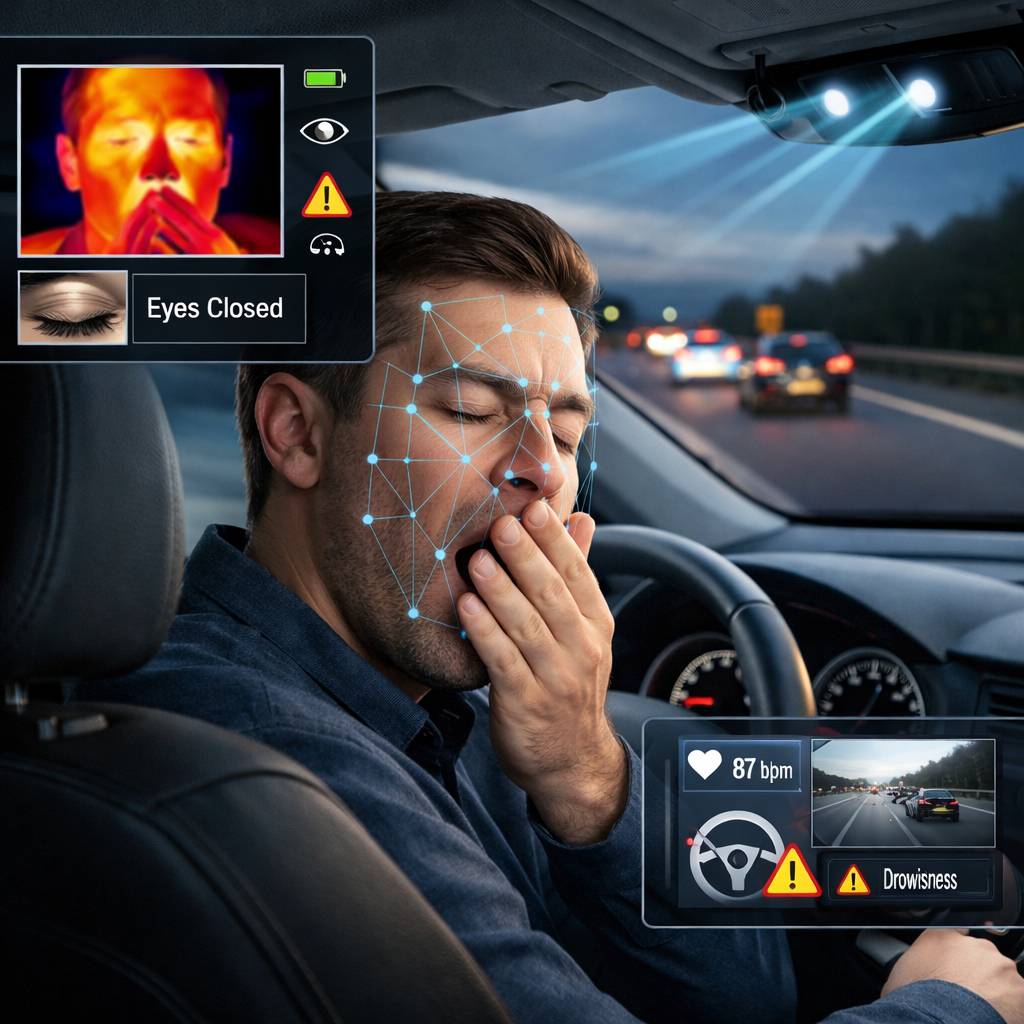
driver fatigue monitoring systems are becoming an essential safety control in transport, logistics, mining, construction, and other high-risk industries where long hours, night driving, and repetitive journeys can lead to serious incidents.
From an OHSE perspective, fatigue is not just a comfort issue. It is a workplace hazard that can impair reaction time, reduce situational awareness, affect judgment, and increase the likelihood of collisions, near misses, and equipment damage.
For employers, the use of driver fatigue monitoring systems supports a broader duty to provide safe work. It also helps strengthen fatigue risk management programs, especially when combined with scheduling controls, training, incident reporting, and vehicle safety checks.
Organizations guided by standards and recommendations from OSHA and CCOHS increasingly recognize that fatigue must be treated like any other serious hazard. Monitoring systems can help identify warning signs early, but they work best when part of a practical prevention strategy rather than a stand-alone fix.
Why driver fatigue monitoring systems matter in workplace safety
Fatigue-related driving incidents can happen in any sector, but the risk is especially high in operations involving heavy vehicles, shift work, remote travel, time pressure, or monotonous routes.
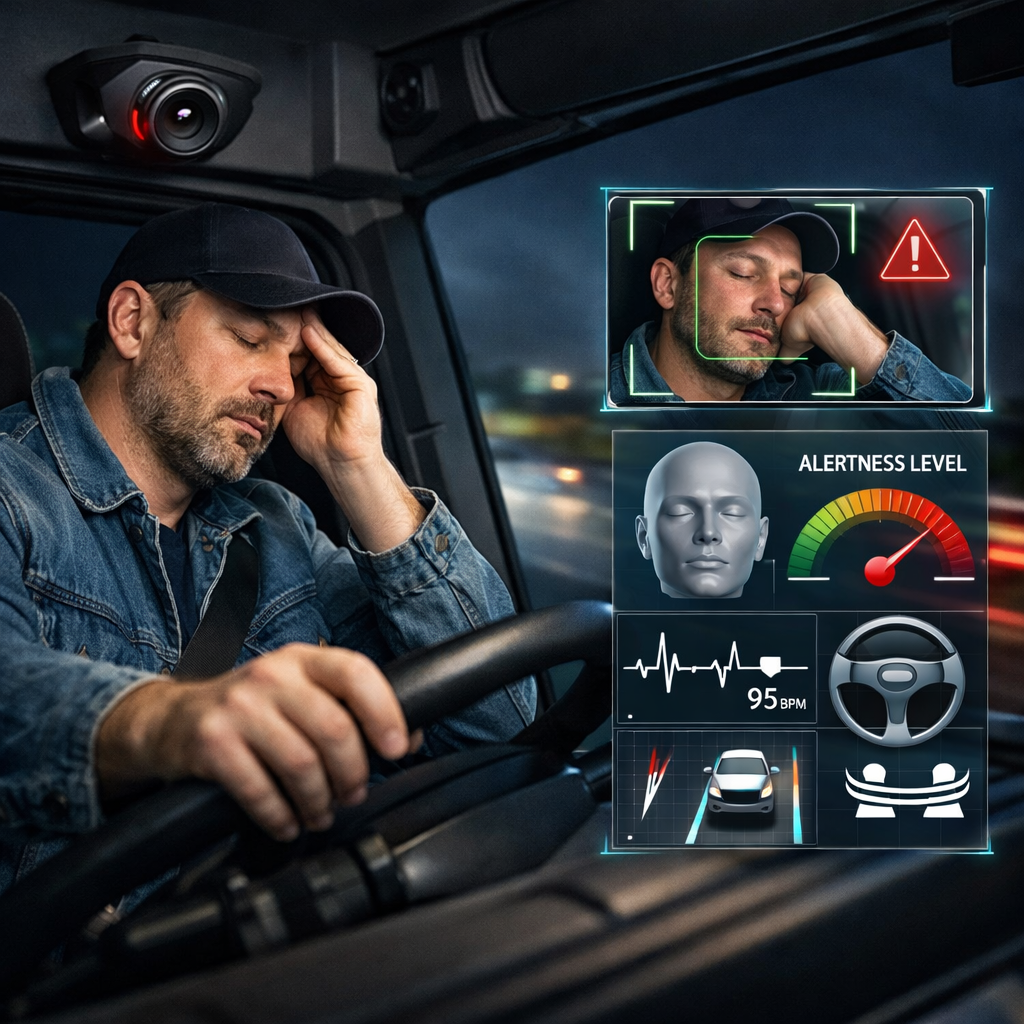
A tired driver may struggle to maintain lane position, miss traffic hazards, overcorrect steering, or react too slowly during emergency braking. In workplace fleets, these failures can result in injuries, fatalities, cargo loss, environmental spills, and legal consequences.
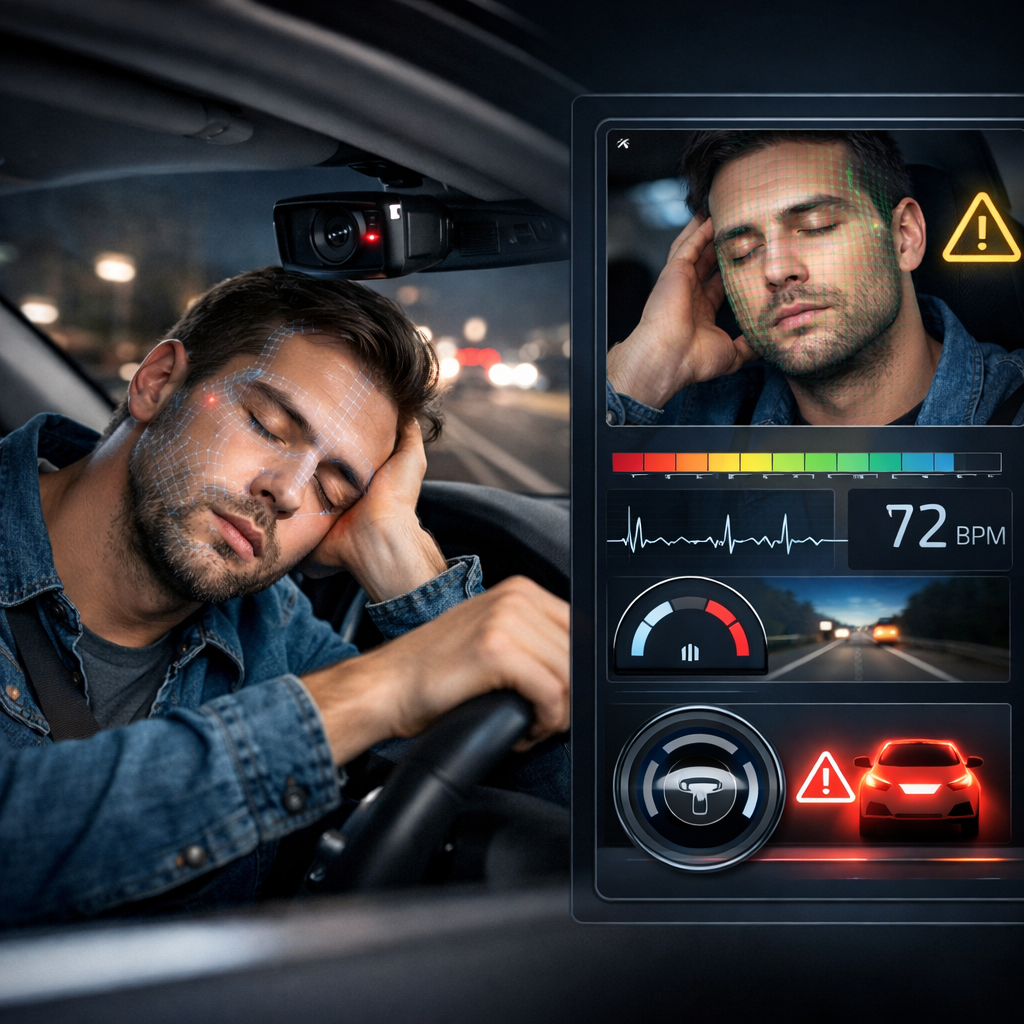
driver fatigue monitoring systems help reduce these risks by tracking physical or behavioral signs associated with drowsiness. Depending on the technology, a system may monitor eye closure, blink rate, head position, steering behavior, lane deviation, or biometrics. When signs of fatigue appear, the system can issue alerts to the driver or send information to fleet supervisors.
Common workplace risks linked to driver fatigue
- Long shifts and insufficient recovery time between shifts
- Night driving and circadian rhythm disruption
- Remote or isolated travel with limited rest facilities
- Monotonous routes that reduce alertness
- High production pressure or unrealistic delivery schedules
- Medical conditions such as sleep apnea
- Use of alcohol, certain medications, or other impairing substances
These risk factors often overlap. For example, a heavy vehicle operator working a 12-hour night shift on a remote haul road may face several layers of fatigue exposure at once. That is why fatigue controls should be systematic and documented, not left to personal judgment alone.
How driver fatigue monitoring systems work in practice
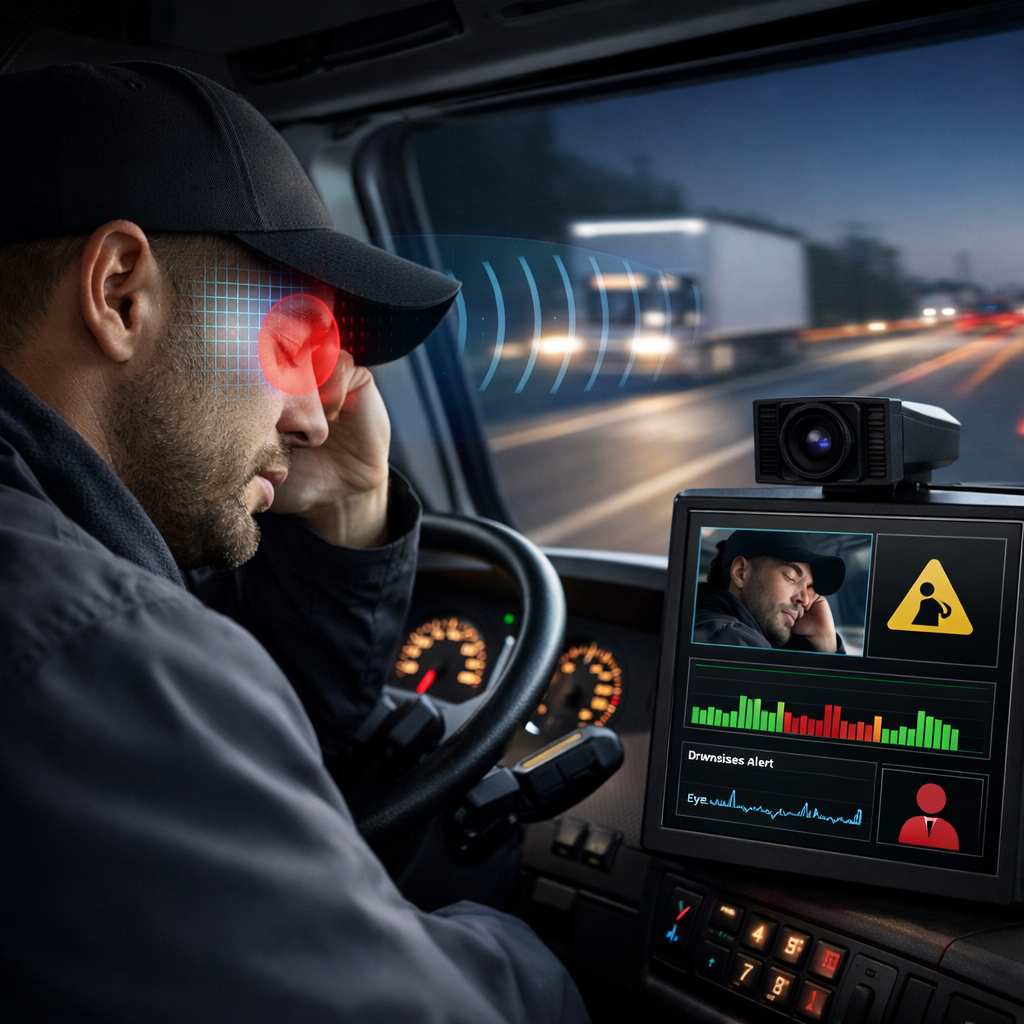
Most driver fatigue monitoring systems fall into a few broad categories. Camera-based systems observe facial cues such as eyelid closure or head nodding. Vehicle-based systems monitor lane departure, erratic steering, or braking patterns. Wearable systems track movement or physiological indicators. Some advanced fleet platforms combine several methods into one dashboard.
In practical terms, the system usually detects a threshold of fatigue-related behavior and then responds with an alarm, seat vibration, audio warning, or message to a control center. This gives the driver an immediate prompt to stop safely and rest.
Typical features found in driver fatigue monitoring systems
| Feature | What it Monitors | Typical OHSE Benefit |
|---|---|---|
| Eye and face tracking | Blink rate, eye closure, head position | Early warning before microsleeps occur |
| Lane and steering analysis | Weaving, lane drift, inconsistent steering | Identifies reduced alertness during driving |
| Wearable fatigue devices | Movement or biometric indicators | Adds another layer of monitoring in remote work |
| Fleet reporting software | Fatigue events, trends, repeated alerts | Supports investigation and prevention planning |
Even the best technology has limits. A system may detect symptoms of drowsiness, but it cannot replace proper rostering, sleep hygiene, or fit-for-duty processes. It also cannot solve poor safety culture. If workers feel pressured to ignore alerts or continue driving, the technology loses much of its value.
That is why many companies include these controls within broader fleet safety programs such as fleet safety management and fatigue risk assessment. This approach makes the data more useful and the response more consistent.
Risks, prevention, and the hierarchy of controls
Under OHSE principles, fatigue should be controlled using the hierarchy of controls wherever possible. While driver fatigue monitoring systems are valuable, they are generally an engineering or administrative support measure rather than the first and only line of defense.
Applying the hierarchy of controls to fatigue
- Elimination: Remove the need for excessive driving where possible by redesigning delivery routes, using local depots, or reducing unnecessary travel.
- Substitution: Replace high-risk schedules with safer shift patterns or share tasks between drivers.
- Engineering controls: Use driver fatigue monitoring systems, in-cab alarms, lane assist, telematics, and ergonomic seating.
- Administrative controls: Set maximum driving hours, mandatory rest breaks, fit-for-duty checks, fatigue reporting procedures, and supervisor escalation protocols.
- PPE: PPE has a limited role in fatigue prevention, but it still supports overall driver safety through high-visibility clothing, safety footwear, eye protection for roadside work, and hearing protection where required during vehicle inspections or depot tasks.
Prevention starts before the vehicle moves. Employers should review work schedules, sleep opportunity, overtime trends, medical fitness, and journey plans. Drivers should receive practical training on the signs of fatigue, the limits of caffeine, the danger of microsleeps, and the need to stop when alertness drops.
A practical example is a regional freight operator that reviews telematics and discovers repeated fatigue alerts between 2 a.m. and 5 a.m. on a specific route. Instead of only reminding drivers to “be careful,” the company changes dispatch times, adds a planned rest point, limits back-to-back night shifts, and uses driver fatigue monitoring systems to verify whether the controls reduce fatigue events over the next quarter.
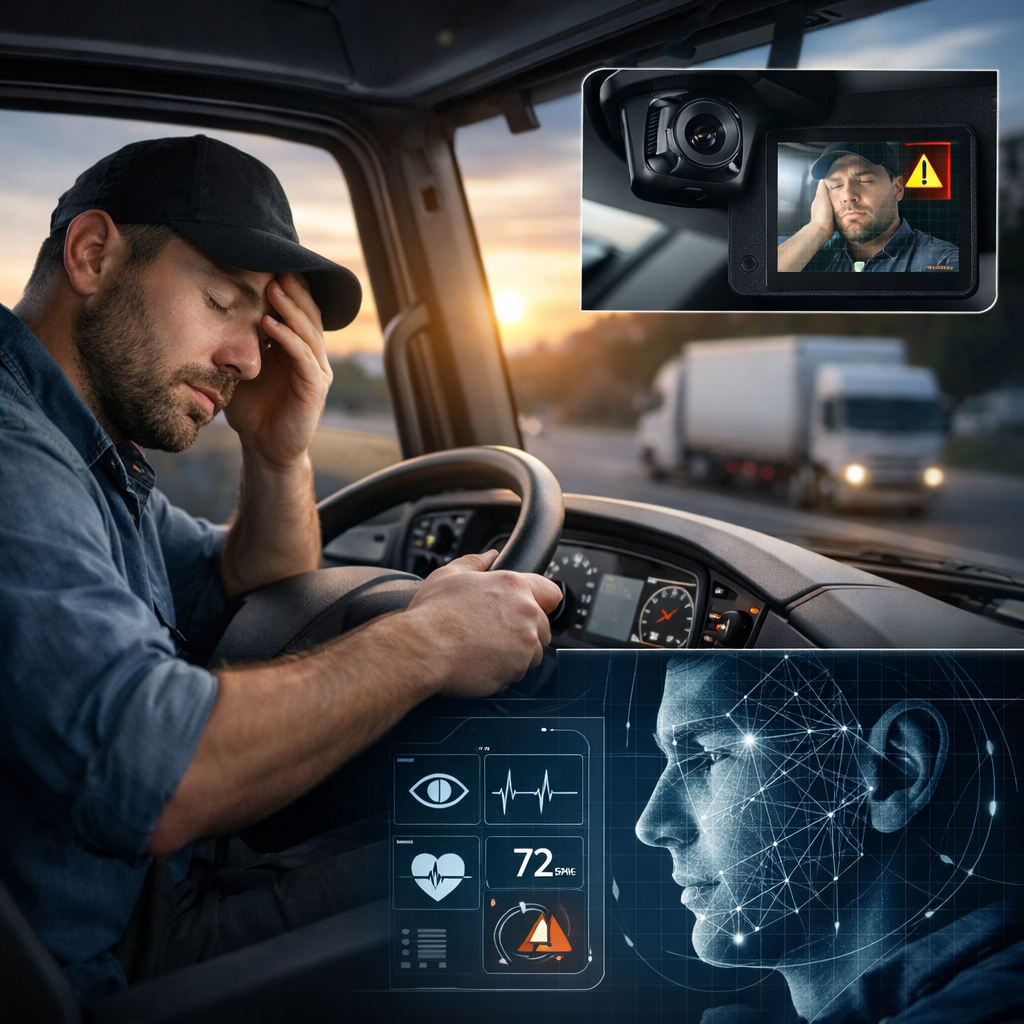
Another example is in mining, where haul truck operators often work long shifts in repetitive conditions. A site may combine in-cab fatigue cameras with supervisor check-ins, hydration breaks, cabin climate control, and incident trend analysis. This layered approach is more effective than technology alone.
Compliance, PPE, and building a workable fatigue management program
Compliance obligations vary by location and industry, but employers generally have a legal duty to identify hazards, assess risks, and implement controls. Fatigue is widely recognized as a foreseeable hazard in transport operations. Regulators and guidance bodies expect organizations to manage it in a structured way.
Using driver fatigue monitoring systems can help demonstrate due diligence, especially when the system is supported by documented procedures for alert response, data review, privacy management, and corrective action. However, a monitoring device does not guarantee compliance on its own. Investigators will still look at scheduling practices, incident history, maintenance standards, training records, and supervisor decisions.
Key elements of a compliant fatigue management program
- Documented fatigue policy and responsibilities
- Journey planning and realistic delivery deadlines
- Working hour limits and mandatory rest periods
- Pre-start fit-for-duty checks
- Training for drivers, supervisors, and dispatch staff
- Clear response rules when fatigue alerts occur
- Incident reporting, investigation, and trend review
- Consideration of medical conditions and return-to-work support
PPE should also be addressed realistically. While PPE does not prevent drowsiness, drivers often leave the vehicle for loading, unloading, inspections, breakdowns, or roadside emergencies. High-visibility vests, gloves, protective footwear, weather-appropriate clothing, and eye protection remain important parts of a complete OHSE program.
In conclusion, driver fatigue monitoring systems are a practical and increasingly important tool for reducing fatigue-related road risk in the workplace. They can identify warning signs early, support investigations, and improve fleet oversight. Still, the strongest results come when driver fatigue monitoring systems are combined with sound scheduling, training, PPE, supervision, and compliance-focused fatigue management. For employers serious about safety, the goal is not simply to install technology, but to build a workplace where fatigue risks are recognized early and controlled before they lead to harm.
No comments yet